


Parenting feels impossible when your child doesn’t respect you.
You ask them to do something, and they ignore you. You try to talk, and they roll their eyes. Every interaction becomes a battle.
If your child consistently disrespects you, something needs to change. Maybe it’s their behavior. Maybe it’s yours. Most likely, it’s both.
This blog shows you the clear signs your child doesn’t respect you, what’s normal at each age, and how to fix it.
Let’s get into it.
What Does “Respect” Actually Mean in a Parent-Child Relationship?
Respect isn’t about fear or blind obedience. It’s how your child treats you daily.
Real respect means your child listens, considers your feelings, and follows reasonable rules. It shows in their tone, body language, and responses.
Basic respect includes courtesy, cooperation, and acknowledging your authority. Your child can disagree, but respectfully.
Age matters. Young kids show respect through obedience. Teens show it through honest communication and responsibility. Some pushback is normal.
What’s not normal is constant defiance, verbal abuse, or dismissing you entirely.
When respect is missing, you feel it. Conversations turn hostile. Requests become battles. Your child treats strangers better than you.
That’s your signal to act.
Signs Your Child Doesn’t Respect You
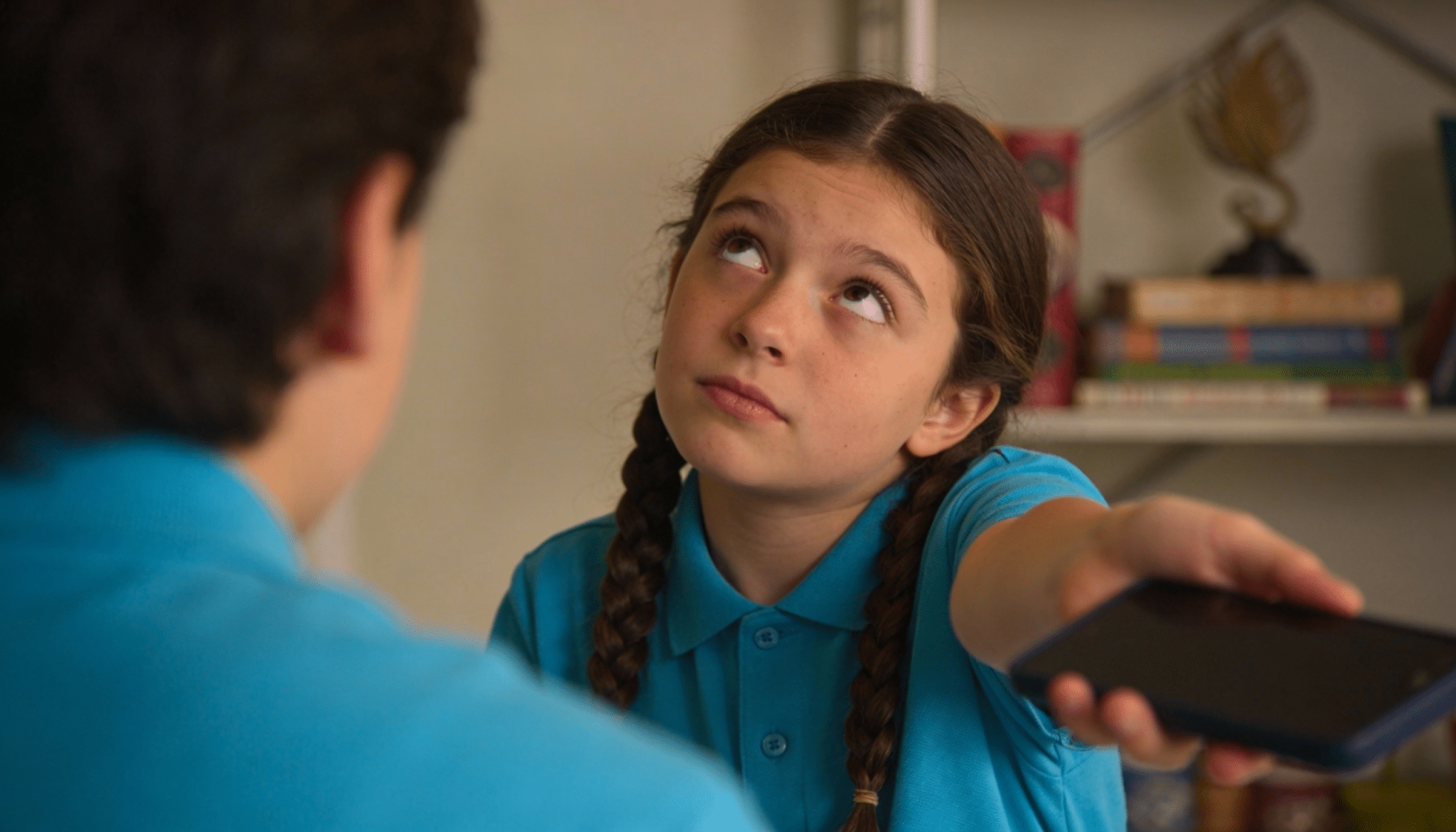
Recognize the warning signs your child doesn’t respect you or the behavior has crossed the line from normal pushback to genuine disrespect.
1. They Talk Back or Use a Disrespectful Tone
Your child rolls their eyes, huffs, or speaks to you with attitude. They snap at you, raise their voice, or use sarcasm when you ask simple questions. The tone matters as much as the words.
2. They Ignore Your Requests
You ask them to do something, and they act like you didn’t speak. They continue scrolling, gaming, or watching TV without acknowledgment. You have to repeat yourself multiple times before getting any response.
3. They Break Rules Without Remorse
Your child violates household rules and shows no guilt. They break curfew, skip chores, or do exactly what you told them not to do. When confronted, they shrug it off or blame someone else.
4. They Dismiss Your Feelings
When you express hurt or frustration, they minimize it. They tell you you’re overreacting, being dramatic, or making a big deal out of nothing. Your emotions don’t matter to them.
5. They Embarrass You in Public
Your child openly defies you in front of others. They argue with you at family gatherings, talk back in stores, or mock you in front of their friends. They show you less respect than they’d show a teacher or coach.
6. They Refuse to Help Around the House
Simple requests for help are met with arguments or flat refusal. They act like household responsibilities are beneath them. Everyone else has to work, but they expect to be served.
7. They Lie Consistently
Your child lies about small things and big things. They look you in the eye and deceive you without hesitation. Trust has disappeared from your relationship.
8. They Compare You to Other Parents
“Everyone else’s parents let them” becomes their constant refrain. They tell you how much better their friends’ parents are. They use other families to make you feel inadequate.
9. They Invade Your Privacy
Your child goes through your phone, reads your messages, or enters your room without permission. They feel entitled to access your personal space and information.
10. They Show No Gratitude
You provide, sacrifice, and support them, but they act entitled. “Thank you” never comes. They expect everything and appreciate nothing.
11. They Undermine Your Authority
Your child argues with every decision. They question your rules in front of siblings, trying to get others on their side. They create division in the family.
12. They Use Manipulative Tactics
They guilt-trip you, give you the silent treatment, or play emotional games. They’ve learned how to push your buttons and use it against you.
Signs Your Child Might Seem Like They Hate You (But Probably Don’t)
Behaviors that feel like hatred but are often misunderstood expressions of hurt, fear, or normal development.
13. They Want Nothing to Do with You
Your child avoids you constantly. They stay in their room, skip family dinners, and find excuses not to be around you. Every interaction feels forced and uncomfortable.
14. They Flinch or Tense Up Around You
When you enter the room, their body language changes. They stiffen, look away, or physically withdraw. It’s like your presence makes them anxious or uncomfortable.
15. They Never Initiate Conversation
You’re always the one reaching out. They never come to you with stories, questions, or just to chat. Communication feels one-sided and exhausting.
16. They Seem Happier with Everyone Else
Your child laughs and talks freely with friends, teachers, or the other parent. But around you, they’re shut down, quiet, or irritable. The contrast is painful.
17. They Reject Physical Affection
Hugs are refused. They pull away from your touch. Any attempt at closeness is met with resistance or visible discomfort.
18. They Say Hurtful Things
“I hate you” or “I wish you weren’t my parent” comes out during arguments. They know exactly what words will hurt you most and use them.
19. They Blame You for Everything
Every problem in their life is somehow your fault. Bad grade? Your fault. Fight with a friend? Your fault. They can’t take responsibility without pointing fingers at you.
20. They Prefer Being Anywhere But Home
They volunteer for extra activities, spend maximum time at friends’ houses, and drag out errands. Home feels like a place they’re escaping from.
21. They Share Nothing About Their Life
You don’t know their friends, their interests, or what’s happening at school. They’ve built a wall between you and keep everything private.
22. They Show You No Warmth
There’s no affection, no smiles, no connection. Interactions are cold and transactional. You feel like a stranger living in the same house.
Disrespect vs Development: What’s Normal at Each Age
Learn what’s normal pushback at every age versus actual disrespect that needs correction.
Toddlers (Ages 2-4)
- Normal: Saying “no,” testing boundaries, tantrums, refusing tasks. They’re learning autonomy and can’t regulate emotions yet.
- Disrespect: Hitting or biting you repeatedly without improvement. Completely ignoring safety rules despite consistent correction.
Early Elementary (Ages 5-8)
- Normal: Arguing about bedtime or screen time, occasional eye rolls, testing rules. They’re developing independence and opinions.
- Disrespect: Name-calling, deliberately destroying things when angry, refusing all household rules, and physical aggression.
Tweens (Ages 9-12)
- Normal: Wanting privacy, preferring friends over family, questioning rules, mood swings, and sarcasm. They’re figuring out their identity.
- Disrespect: Constant verbal attacks, public humiliation, stealing, lying about serious matters, and complete refusal to help.
Teenagers (Ages 13-18)
- Normal: Emotional distance, challenging viewpoints, wanting independence, spending time alone, moodiness. Separation is their job.
- Disrespect: Verbal abuse, threatening behavior, sneaking out, breaking major rules without remorse, manipulating, or gaslighting you.
The Key Difference
Normal development means testing boundaries while maintaining basic courtesy. Disrespect means consistent patterns of cruelty and harm.
All kids push back. Not all kids are disrespectful. Know the difference.
Common Parent Behaviors That Can Undermine Respect

The well-meaning parenting habits that accidentally teach your child disrespect, and how to fix them.
Inconsistent Rule Enforcement
Rules change based on your mood. No today, yes tomorrow. Your child stops taking boundaries seriously.
What to do: Set clear rules and stick to them. Consistency builds credibility.
Breaking Your Own Promises
You promise to attend their game, but cancel. They learn your word doesn’t mean much.
What to do: Only promise what you can deliver. If something comes up, explain why and reschedule.
Yelling Instead of Communicating
Screaming becomes your default. Kids tune out yelling and learn that volume matters more than reason.
What to do: Take a breath before responding. Use a firm but calm voice.
Dismissing Their Feelings
“You’re fine” or “Stop being dramatic” when they’re upset. They learn their feelings don’t matter.
What to do: Validate first. “I see you’re upset” goes a long way before addressing behavior.
Comparing Them to Others
“Why can’t you be more like your sister?” Comparisons breed resentment, not motivation.
What to do: Focus on their individual strengths. Celebrate their unique qualities.
Invading Their Privacy
Reading their diary or phone without cause. You call it parenting. They call it a violation.
What to do: Respect age-appropriate privacy. Have open conversations instead of snooping.
Using Guilt or Manipulation
“After all I’ve done for you” becomes your weapon. Guilt trips destroy respect.
What to do: State expectations clearly without emotional manipulation. Be direct.
Not Apologizing When You’re Wrong
You make mistakes but never admit them. Kids learn that admitting fault is weakness.
What to do: Say “I’m sorry” when you mess up. Model accountability.
Being on Your Phone Constantly
You’re physically present but mentally absent. You expect their attention but don’t give yours.
What to do: Put your phone away during family time. Give them your full attention.
Overreacting to Small Mistakes
Minor errors trigger major consequences. They stop being honest because your reaction isn’t worth it.
What to do: Match the response to the offense. Stay proportional and fair.
Respect is earned and modeled. Start with your side.
Conclusion
Dealing with a disrespectful child is exhausting and frustrating. But recognizing the problem is the first step.
Respect isn’t something you demand. It’s built through consistency, boundaries, and modeling the behavior you want to see.
You’ll mess up. They’ll mess up. What matters is your commitment to doing better.
If disrespect escalates to abuse or violence, seek professional help. Family therapy is a strength, not a failure.
Your relationship is worth the effort.
Start today. Start small. Respect flows both ways.