


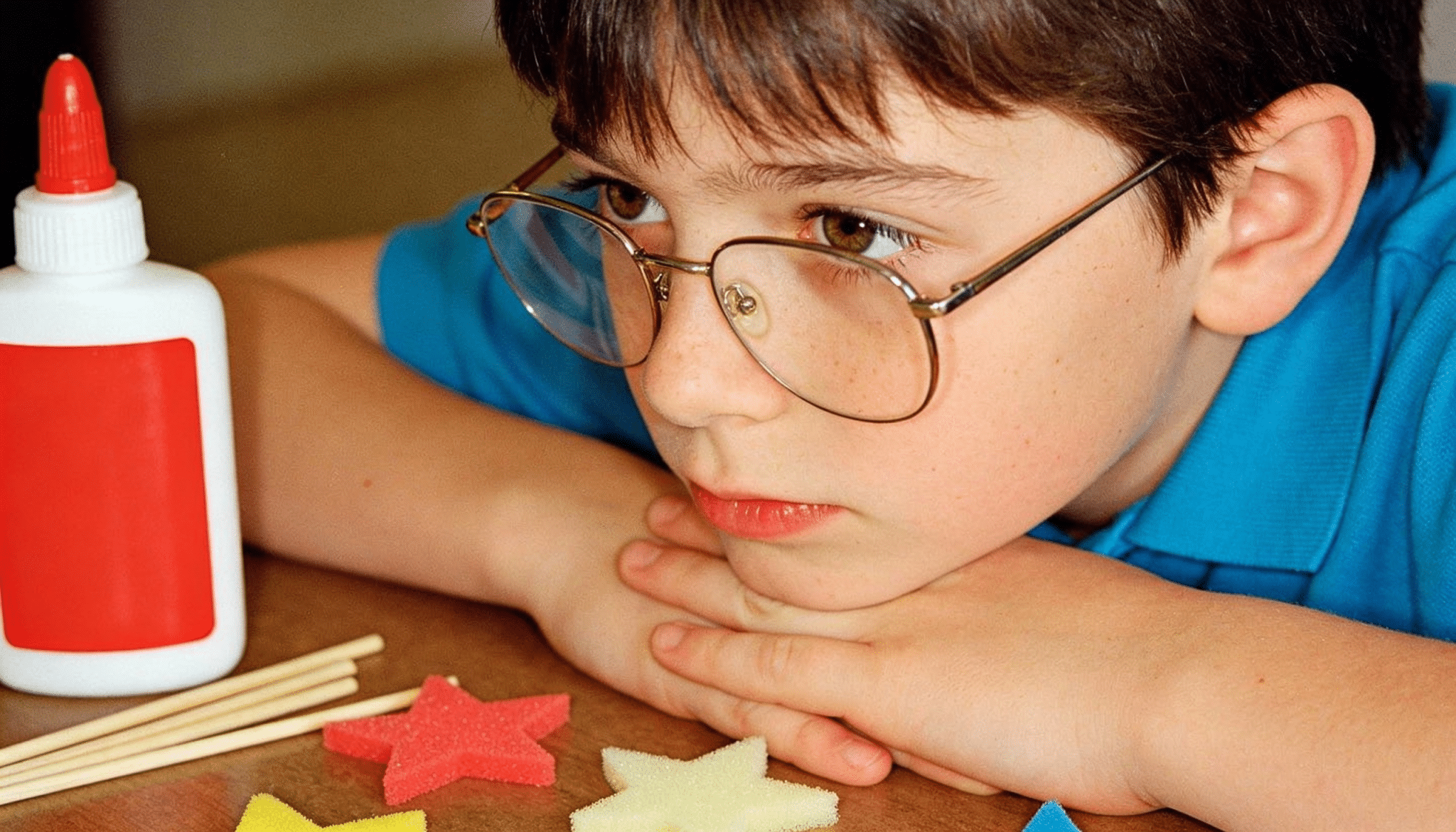
“I don’t want to go to school.” When does this signal a real problem?
Many kids struggle for legitimate reasons, such as academic pressure, bullying, learning difficulties, or mismatched teaching styles.
Understanding why kids hate school is the first step toward finding real solutions.
Some face daily anxiety, while others feel bored and disconnected.
Let’s look into the real reasons why do kids hate school, when it becomes serious, and what you can do to help.
Is It Normal for Kids to Hate School?
Yes, occasional school dislike is completely normal. Most kids complain about school during stressful times like tests, friend issues, or challenging subjects. This is just part of childhood.
A few “I don’t want to go” mornings are expected. Kids get tired, overwhelmed, or simply prefer staying home.
These occasional complaints don’t signal a problem.
However, constant hatred isn’t normal. If your child cries every morning, refuses to attend regularly, or shows extreme distress about school, that’s concerning.
Physical symptoms like stomachaches or genuine despair also indicate something more serious.
The key is intensity and frequency. Occasional grumbling is fine. Daily distress needs attention from parents and possibly professionals.
Why Do Kids Hate School? Common Reasons Parents Should Know
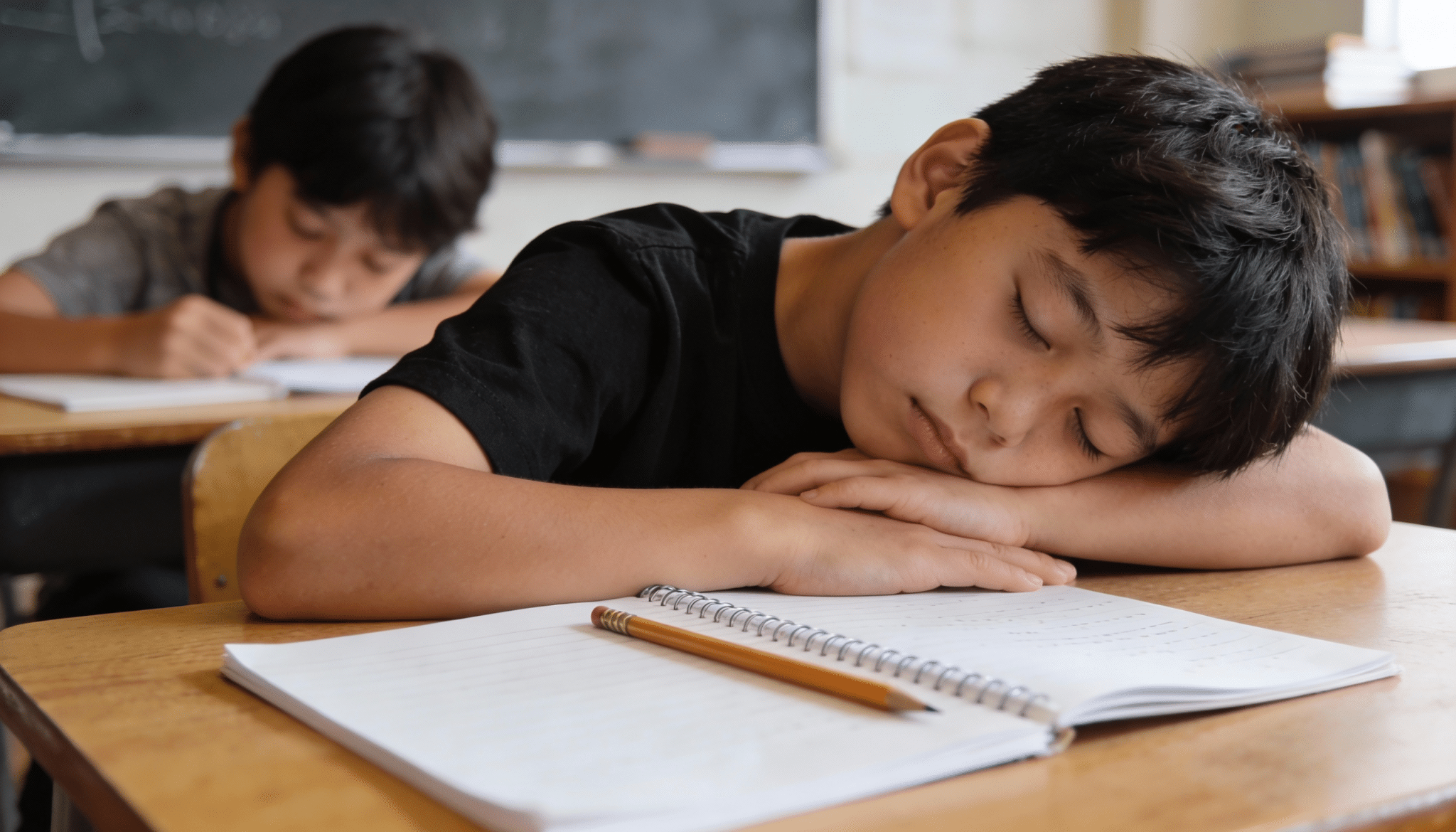
The main factors related to why do kids hate school include academic stress and bullying, boredom, and learning difficulties.
1. Academic Pressure
Heavy workloads, difficult subjects, and constant testing overwhelm many kids. When schoolwork feels too hard or moves too fast, children get frustrated and anxious.
Fear of failing or disappointing parents makes school feel stressful instead of engaging.
2. Bullying and Social Problems
Being teased, excluded, or bullied makes school unbearable.
Kids who struggle to make friends or face peer pressure often dread going. Social conflicts and feeling left out create emotional pain that overshadows everything else.
3. Boredom
When lessons don’t match a child’s learning pace, school becomes dull.
Gifted students stuck with material they already know, or kids learning differently than how teachers present information, quickly lose interest and motivation.
4. Learning Difficulties
Undiagnosed learning disabilities like dyslexia or ADHD make school incredibly challenging.
These kids work harder than their peers but see fewer results, leading to frustration and feelings of inadequacy.
5. Teacher Relationships
A poor connection with teachers impacts how kids feel about school.
Harsh discipline, lack of support, or feeling misunderstood by teachers makes the classroom feel unwelcoming.
6. Early Onset Times
Exhausted teenagers forced to wake early struggle to focus and learn. Chronic sleep deprivation affects mood, making school feel like torture.
7. Lack of Relevance
When kids can’t see how lessons apply to real life, school feels pointless. Abstract concepts without practical connections fail to engage students.
Why Kids Hate School at Different Ages
| Age Group | Main Reasons |
|---|---|
| Preschool/Kindergarten (3-5) | Separation anxiety, missing parents, new routines feel scary, sharing is difficult, not developmentally ready for structure |
| Elementary School (5-10) | Long exhausting days; trouble sitting still; following rules is hard; reading/math struggles; fear of falling behind peers |
| Middle School (11-13) | Intense social pressure, fitting in matters most, hormonal mood swings, increased homework, multiple teachers, cyberbullying, social media drama |
| High School (14-18) | Heavy college prep pressure, standardized tests, and early start times cause exhaustion, social cliques and dating stress, classes feel pointless, anxiety, and depression emerge |
Each age group faces distinct challenges.
Recognizing what’s typical for your child’s developmental stage helps you identify if their school hatred is a normal phase or requires intervention.
When Hating School Is a Red Flag
- Physical Symptoms: Frequent stomachaches, headaches, or panic attacks before school. Symptoms disappear on weekends or during breaks.
- Extreme Refusal: Consistent refusal to attend school or severe meltdowns every morning. Missing school regularly due to distress.
- Behavioral Changes: Sudden drop in grades, withdrawal from family and friends, and increased aggression or irritability at home.
- Emotional Distress: Constant crying, expressing hopelessness, and statements like “I hate myself” or “nobody likes me.” Persistent anxiety or fear about school.
- Sleep and Eating Issues: Insomnia, nightmares about school, loss of appetite, or extreme fatigue that doesn’t improve.
- Self-Harm Mentions: Any talk of wanting to hurt themselves or not wanting to live. This requires immediate professional help.
- Duration Matters: Problems lasting more than 2-3 weeks without improvement, or distress interfering with daily life.
If you see multiple red flags, contact your child’s doctor, school counselor, or mental health professional immediately. These signs mean your child needs professional support.
What Parents and Caregivers Can Do
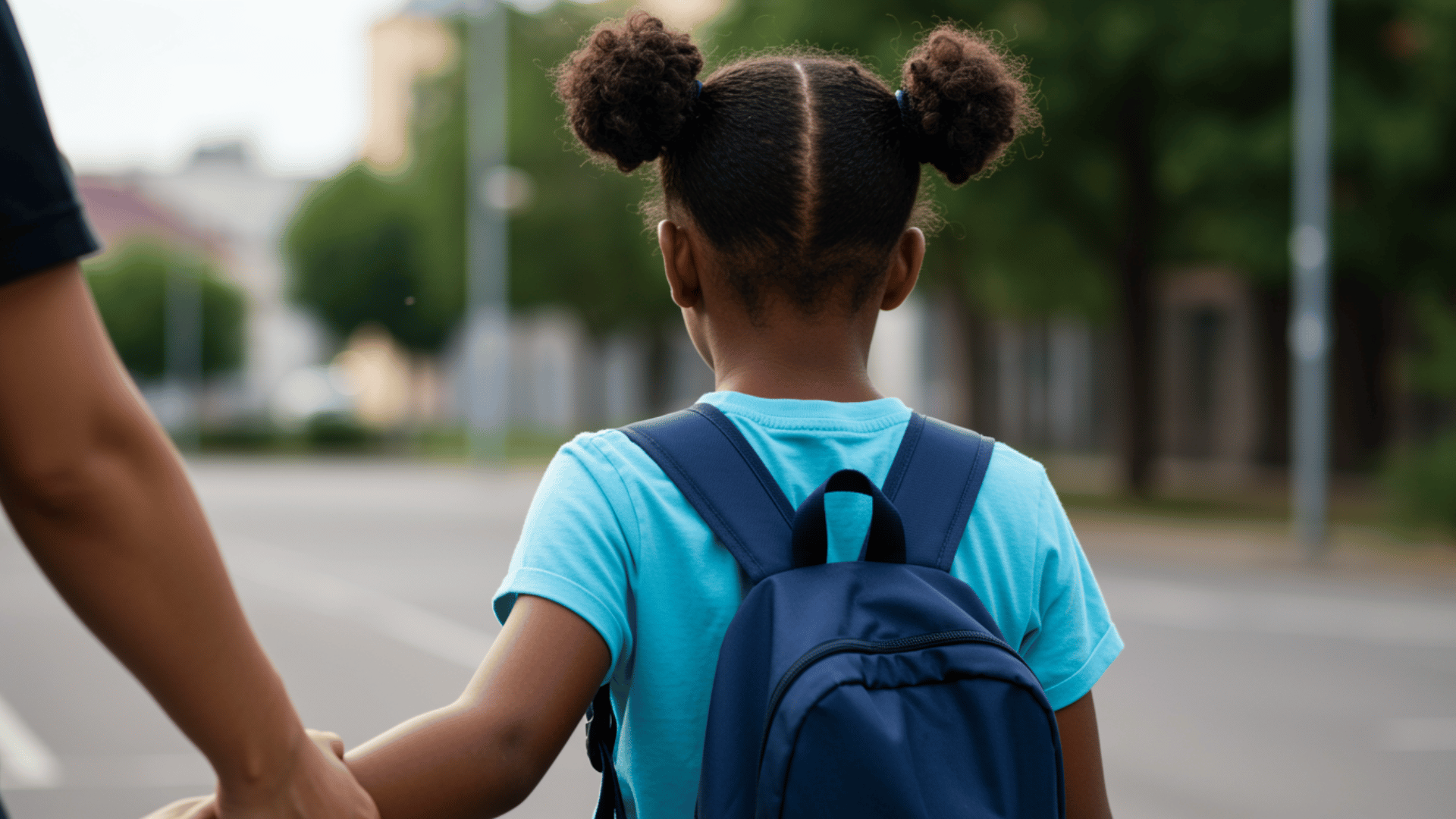
Listen without judgment and validate your child’s feelings. Ask specific questions to identify the root cause: academics, social issues, or teachers.
Talk to teachers and counselors regularly. Work together on solutions and report bullying immediately if it’s happening.
Create supportive home routines and focus on effort over perfect grades. Make home a safe place to decompress.
Seek professional help if problems last more than 2-3 weeks. Consider therapy, educational testing, or changing schools if needed.
Acting quickly and taking your child seriously prevents small issues from becoming crises.
Alternative Paths and Adjustments (Without Panic)
Traditional school isn’t the only option. If struggles continue, consider alternatives without worry.
- Homeschooling: lets kids learn at their own pace and removes social pressure.
- Online schools: provide structure from home with flexible schedules.
- Alternative schools: like Montessori, use different teaching methods and smaller classes.
- Part-time adjustments: include reduced days or hybrid schedules mixing homeschool and traditional school.
- Switching schools offers a fresh start with new teachers and peers.
Making changes isn’t failure; it’s finding what works for your child. Every kid learns differently, and their path can be different, too.
Real Stories From the Community
Across online communities, parents, students, and teachers openly share why do kids hate school.
- Parents on r/Parentingdescribe children who dread school due to anxiety, bullying, or feeling overwhelmed by expectations.
- Students and teens on r/TooAfraidToAsk explain that school often feels boring, stressful, or emotionally exhausting rather than intellectually hard.
- Teachers in r/Teachers frequently discuss how disengagement is often a sign of unmet needs, learning differences, or emotional burnout—not laziness.
Together, these stories reveal a common theme: when kids say they hate school, they’re often expressing stress, frustration, or a need for better support, not a dislike of learning itself.
Conclusion
School doesn’t have to be miserable. While occasional complaints are normal, persistent hatred means something needs to change.
Listen to your child and identify the real problem. Address it early before it gets worse.
Traditional school isn’t the only option. Homeschooling or alternative programs might work better for your child.
Prioritize mental health over grades. Seek professional help if problems continue beyond a few weeks.
Taking your child seriously now helps build a healthier relationship with learning.