

What if the most important subject an artist ever painted was themselves?
That idea has shaped some of history’s most memorable works. Self-portrait art is not only about capturing a face. It is about holding onto a moment, a mood, and a version of a life.
Some artists used self-portraits to introduce themselves to the world. Others used them to search for answers about who they were becoming.
For a few, the self-portrait became a way to speak on society, gender, power, or cultural pride.
From European studios to modern photography and digital art, the tradition runs deep. The stories behind these images can feel as powerful as the art itself.
What Is a Self-Portrait Art? A Simple Definition
A self-portrait is an artwork in which the artist depicts themselves as the subject.
It sounds simple, but there’s more to it than drawing your own face. A self-portrait allows an artist to explore their identity, emotions, and inner world, using their own image as the starting point.
Self-portrait art appears across many mediums: oil painting, drawing, photography, sculpture, and digital art.
It helps to know the difference between a portrait and a self-portrait.
A portrait depicts any person. A self-portrait is made by the subject themselves, meaning the artist and the sitter are the same person.
That control makes self-portrait art deeply personal. The clothing, setting, and style can also reflect the cultural context and the period in which the artist lived.
Why Do Artists Create Self-Portraits: Purpose Behind the Practice
Artists create self-portraits for many reasons, and not all are obvious.
Some artists use self-portraits to explore their own identity. It’s a way to ask “who am I?” through image-making rather than words.
Others create self-portraits simply to practice. The artist is always available as a model, making it a practical and low-cost way to sharpen technique.
Self-portraits have also served as a form of self-promotion, helping artists build a recognizable name and style.
Over time, a series of self-portraits can document personal change, showing how someone ages, grows, or changes emotionally.
For artists like Frida Kahlo and Cindy Sherman, self-portrait art became a tool for deeper work, addressing trauma, identity, gender, and social issues through their own image.
History of Self-Portrait Art From Ancient Times to the Modern Era
Self-portrait art has a longer history than most people realize. Artists have been turning the lens on themselves for thousands of years.
1. The Earliest Self-Portraits in History
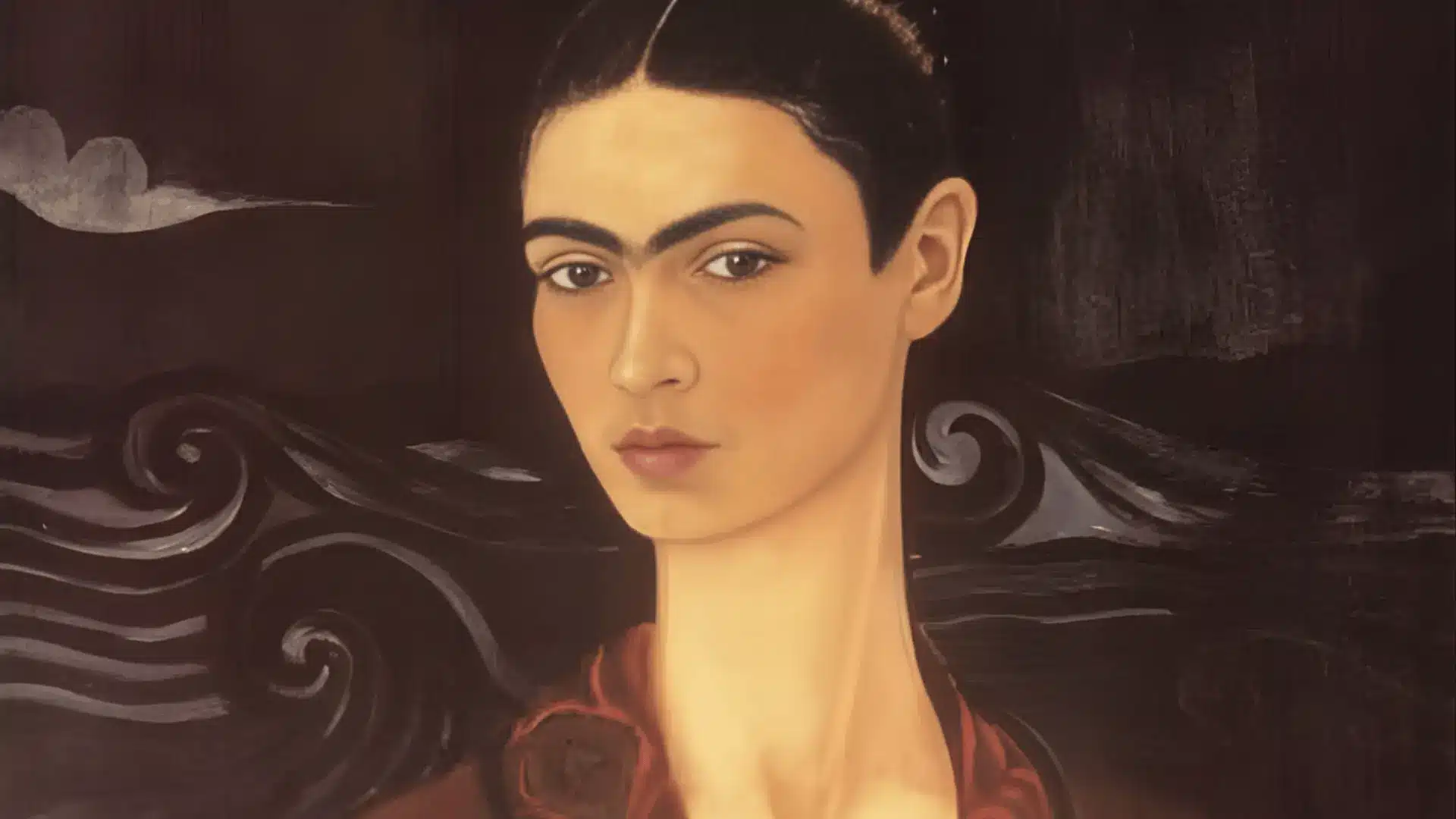
The tradition started long before the Renaissance. Ancient Egyptian sculptor Bak carved his own likeness around 1365 BC. Greek sculptor Phidias embedded his face in the Parthenon frieze.
Asian scholars placed small self-images in landscapes. Zen Buddhist artists created semi-caricatured self-portraits as spiritual practice.
2. Self-Portrait Art in the Renaissance
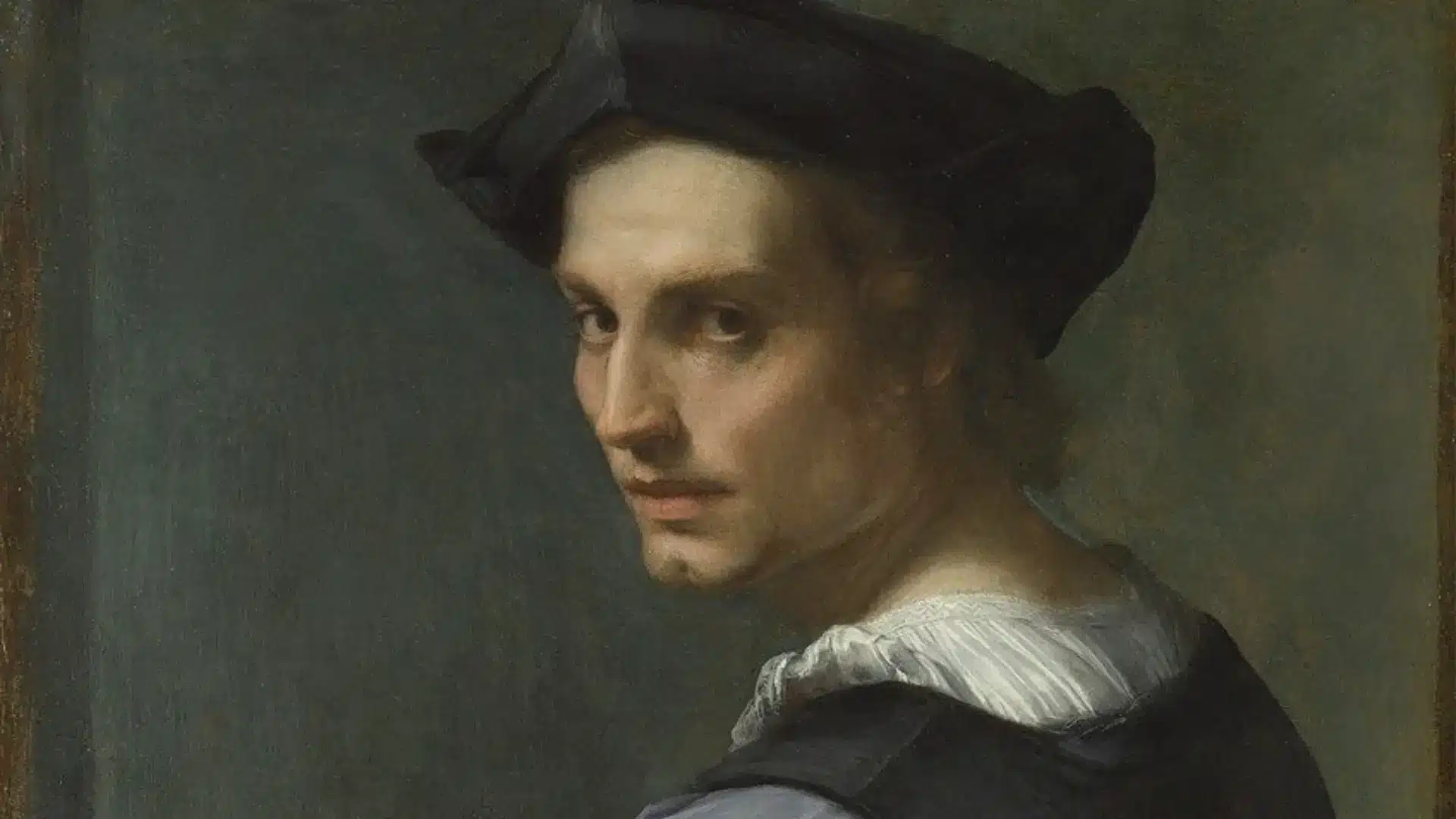
Affordable Venetian mirrors helped spark the trend. Jan van Eyck’s Portrait of a Man in a Turban (1433) may be the earliest panel self-portrait. Dürer made self-portraiture a dedicated practice starting at age 13.
His 1500 work carried Christ-like symbolism. Anguissola was among the first women artists to be recognized.
3. Baroque Self-Portraits
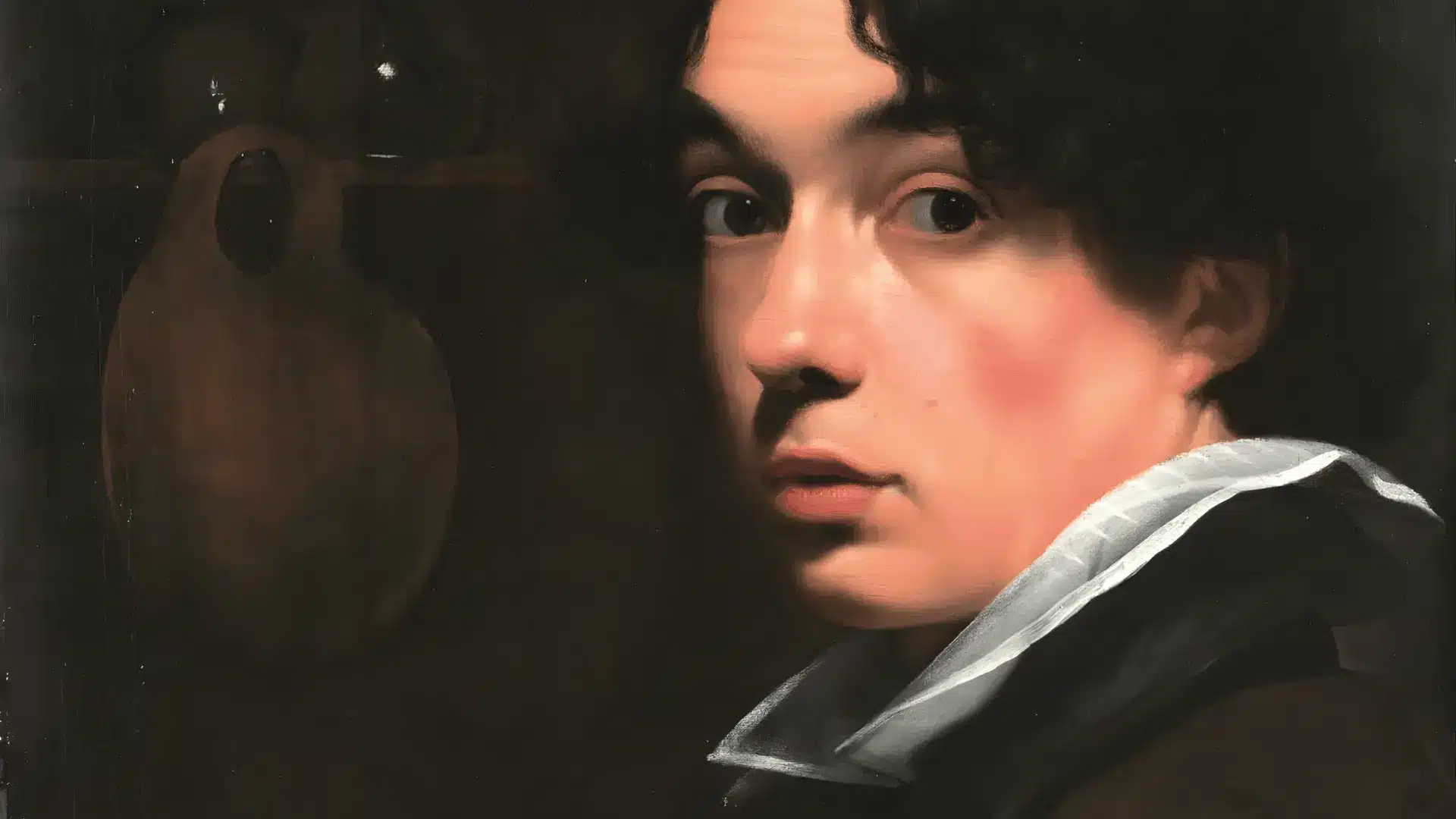
Rembrandt created over 80 self-portraits, building a visual autobiography through masterful use of light and shadow. Caravaggio blurred the line between mythology and reality in his Self-Portrait as Bacchus.
Gentileschi’s Self-Portrait as the Allegory of Painting made a bold feminist statement. Velázquez placed himself inside royal portraiture in Las Meninas.
4. 19th-Century Self-Portrait Styles
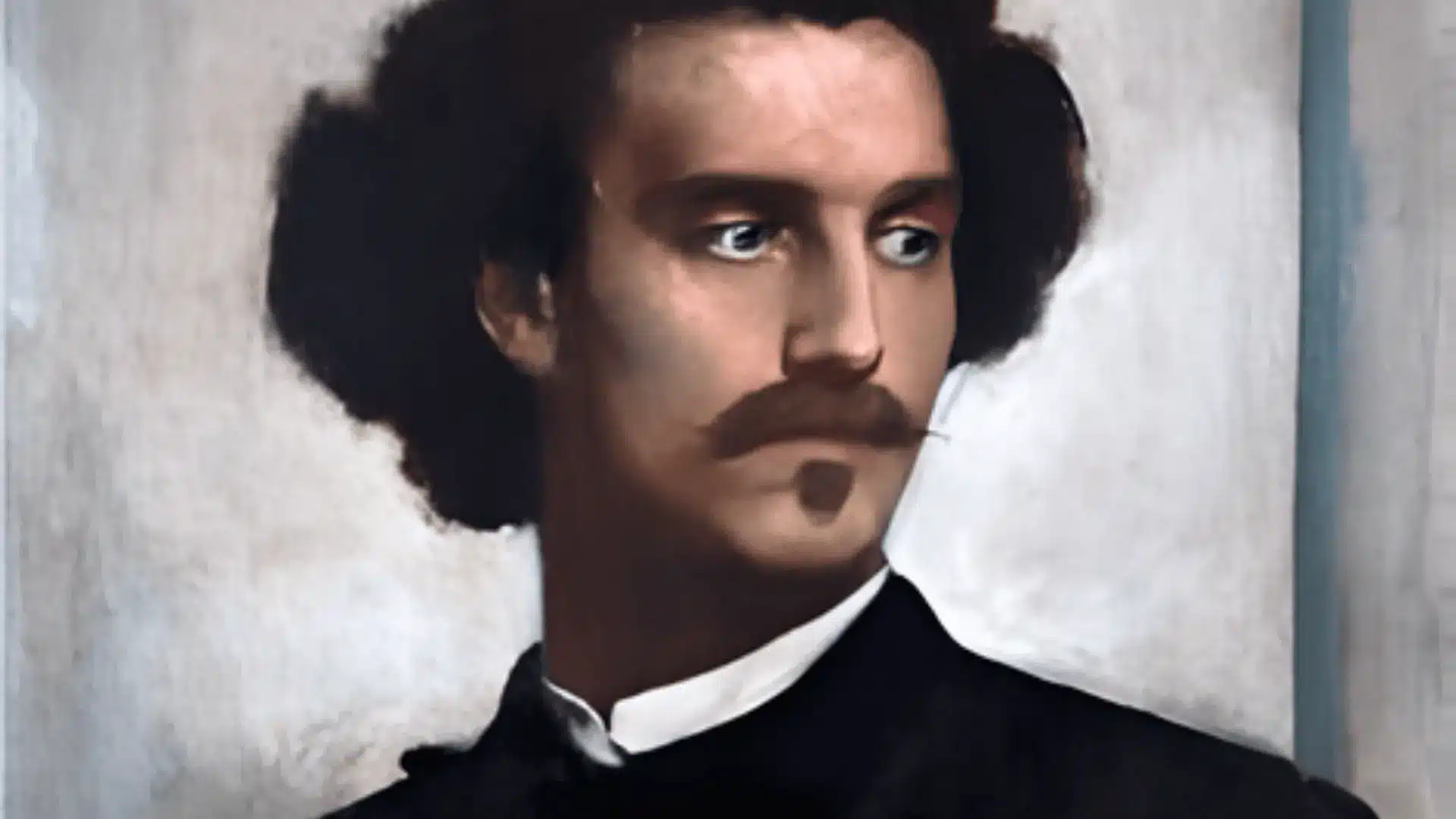
Emotion defined this era. Caspar David Friedrich brought Romantic intensity to his self-depictions. Gustave Courbet’s The Desperate Man (1845) captured raw psychological realism.
Claude Monet’s rare Self-Portrait with a Beret (1886) reflected the loose, broken brushwork that came to define Impressionism. Artists used self-portraits to express their inner states.
5. Modern and 20th-Century Self-Portrait Art
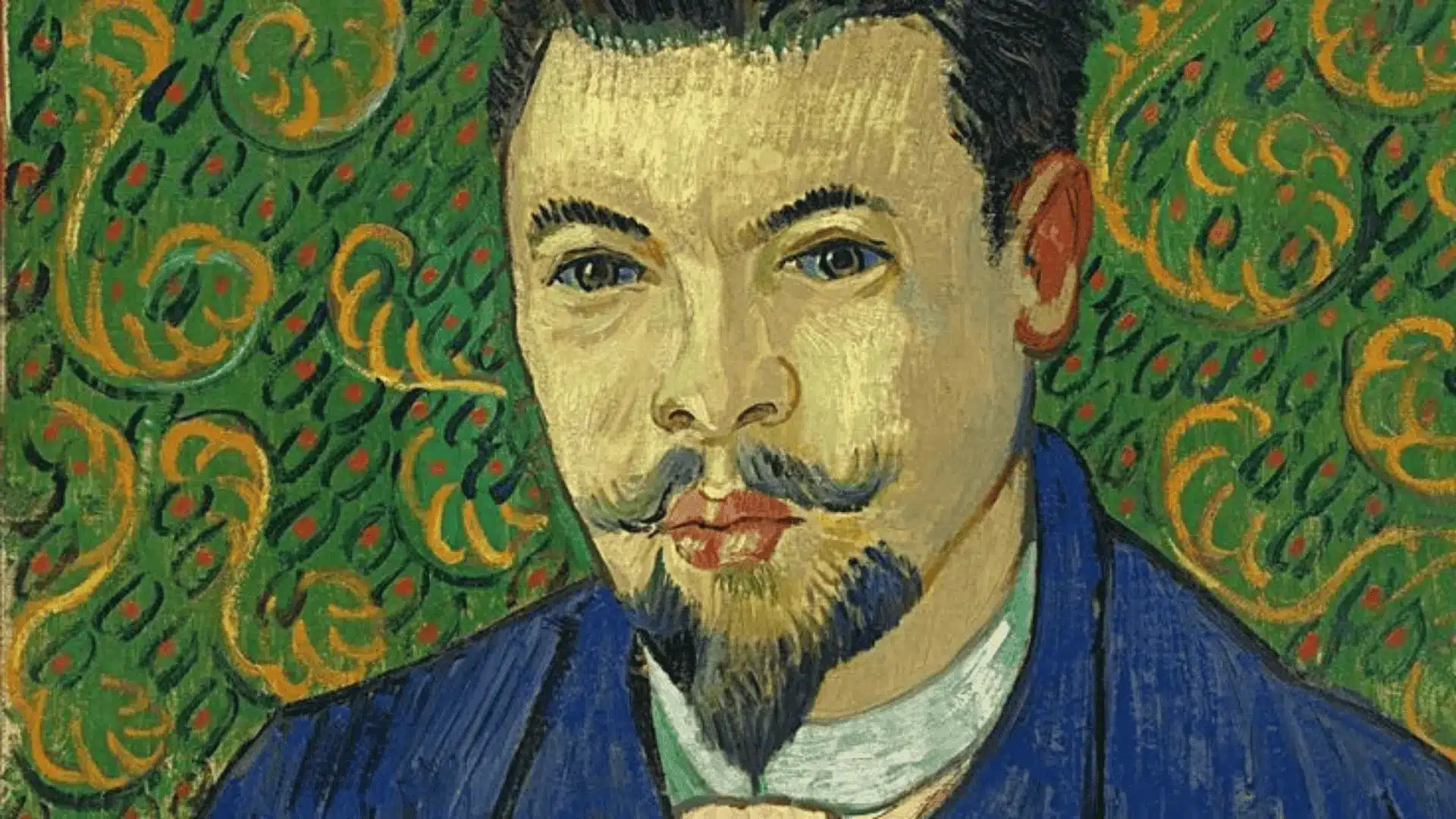
Van Gogh painted over 35 self-portraits, showing various mental and emotional states. Frida Kahlo created 55, rooted in pain and Mexican identity. Picasso’s self-portraits tracked his shift to Cubism. Warhol used silkscreen prints to comment on fame.
Tamara de Lempicka captured Art Deco modernity and female independence.
6. Contemporary Self-Portrait Art
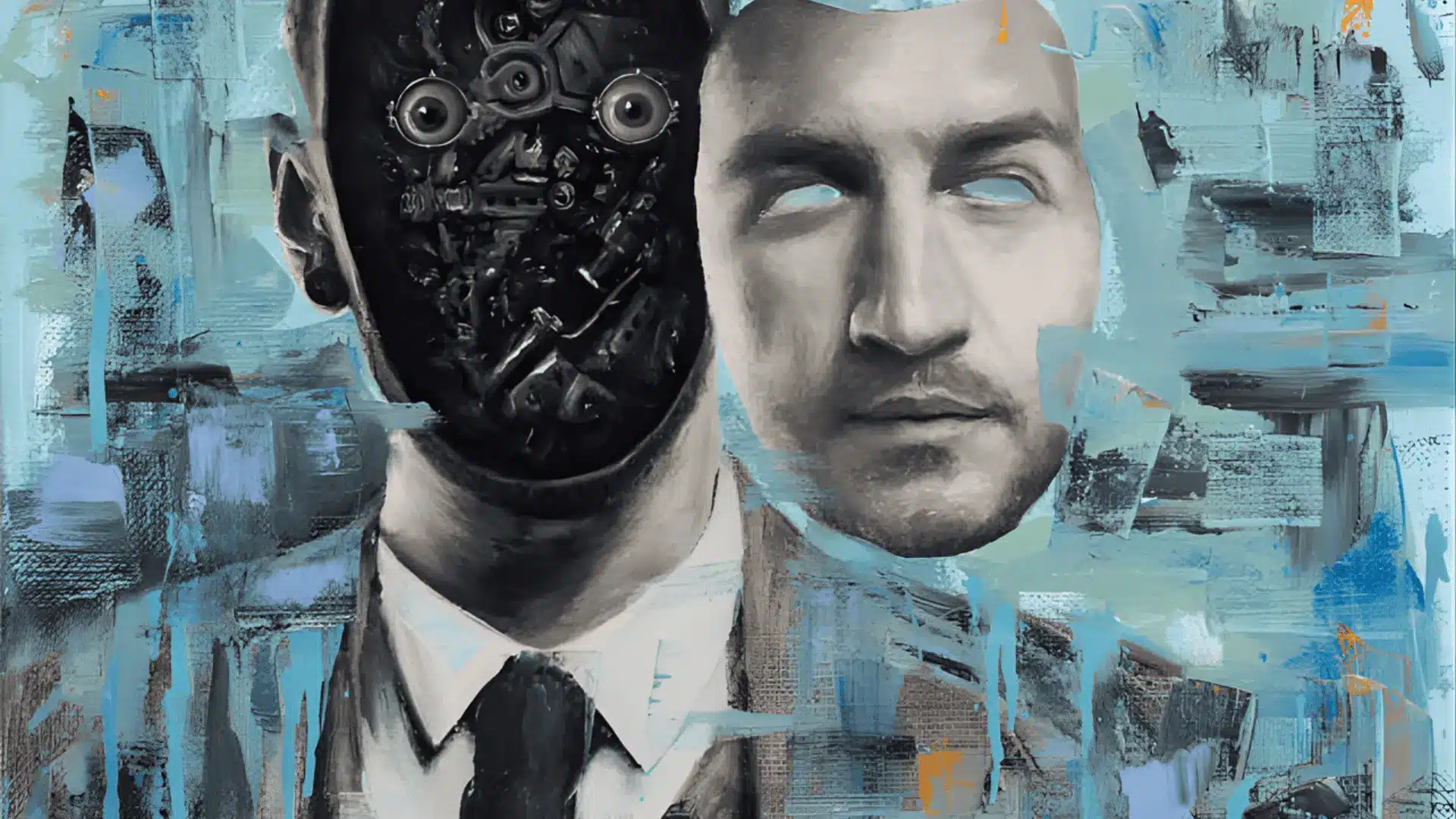
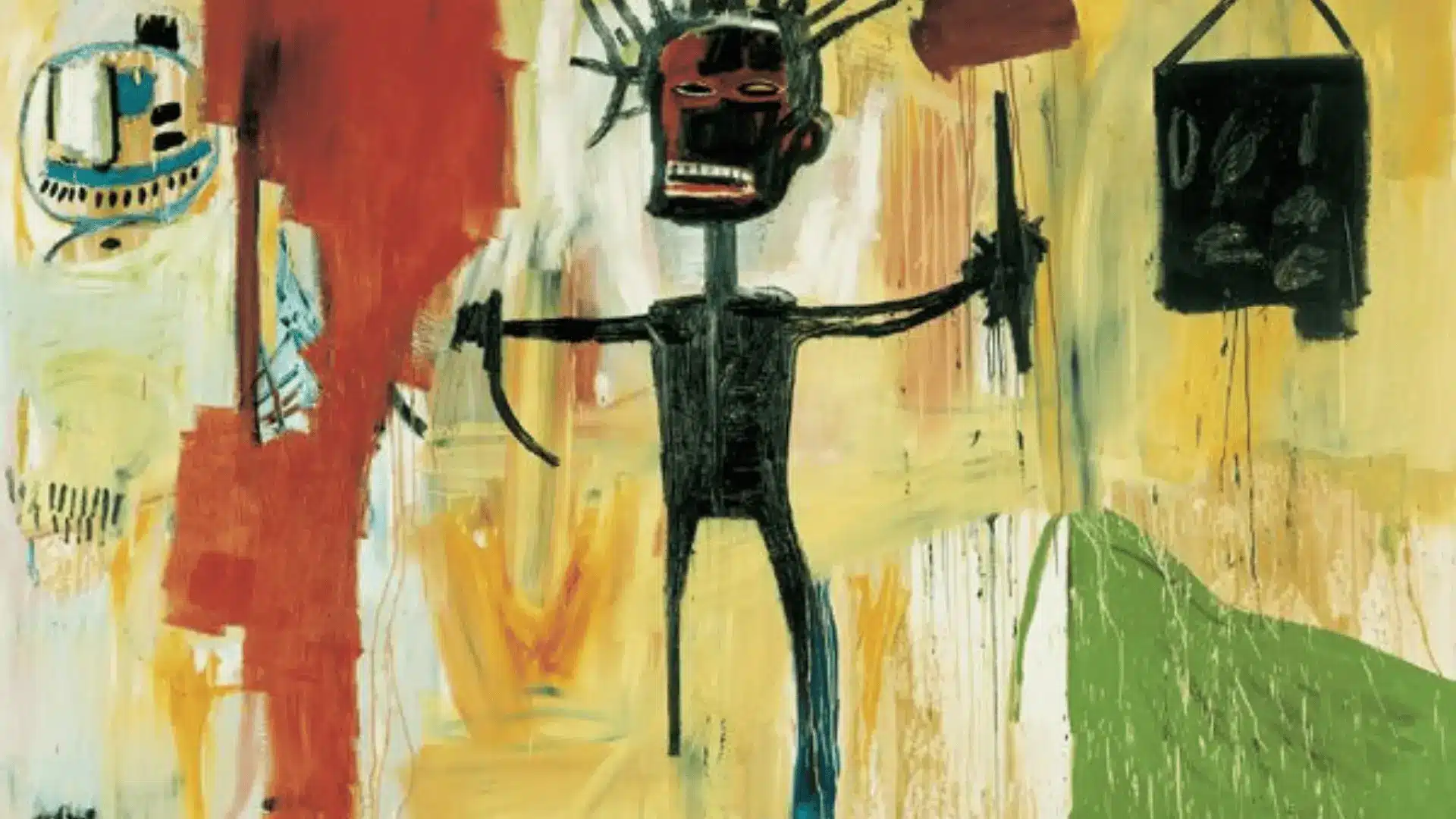
Self-portrait art looks very different today. Cindy Sherman uses conceptual photography to challenge gender roles. Basquiat brought raw Neo-Expressionist energy to his self-depictions.
Digital tools and AI have opened new creative possibilities. The everyday selfie, shared on social media, connects millions of people to a tradition spanning centuries.
Key Themes in Self-Portrait Art Throughout History
Self-portrait art covers far more than just a face. Across history, artists have used their own image to explore powerful and lasting themes.
- Identity and Self-Exploration: Self-portraits ask, “Who am I?” Artists use their own image to explore identity and control how they’re seen.
- Emotional and Psychological Expression: Self-portraits reveal inner life. Artists like Van Gogh and Courbet used their faces to show turmoil and emotion.
- Gender and Power: Women artists used self-portraiture to claim space, challenge gender roles, and reshape how women are portrayed.
- Cultural and National Identity: Some self-portraits celebrate heritage. Kahlo highlighted Mexican identity; Bayramov similarly expressed Turkmen culture through portraits.
- Mythology and Allegory: Artists portrayed themselves as gods, saints, or historical figures to promote their status and imbue it with symbolic meaning.
- Death and Vulnerability: Some artists confronted mortality by depicting themselves dead or dying, turning vulnerability into a bold artistic statement.
These themes show that self-portrait art has never been just about appearances. It has always been about meaning, identity, and the human experience.
Most Famous Self-Portrait Artworks in Art History
These self-portrait artworks span centuries, styles, and stories. Each one captures something deeply human about the artist who made it.
1. Albrecht Dürer: Self-Portrait with Fur-Trimmed Robe (1500)
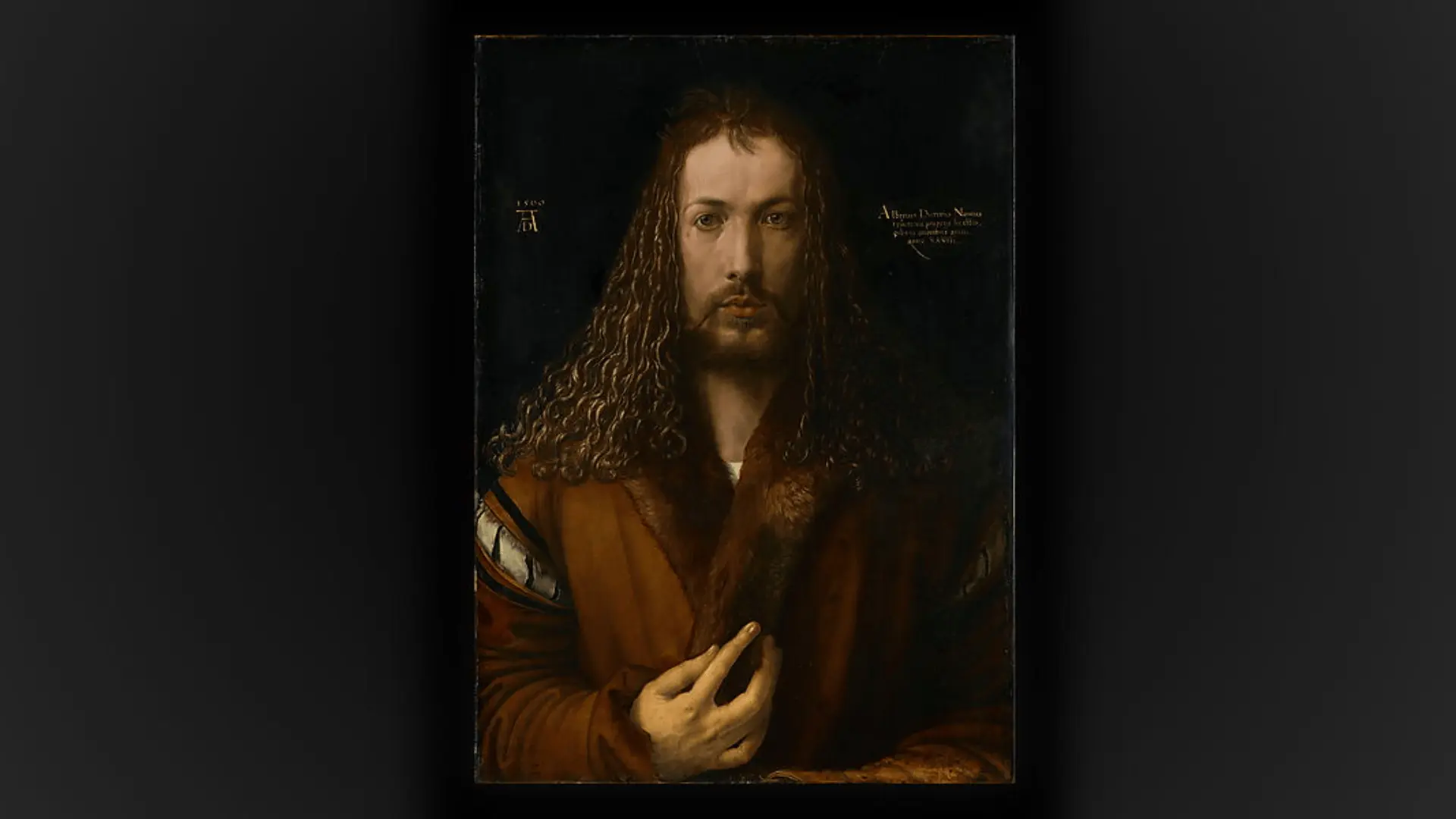
Style: Northern Renaissance | Medium: Oil on panel | Location: Alte Pinakothek, Munich
Dürer painted this at 28, modeling himself after Christ-like iconography. The frontal gaze and rich fur robe were bold statements of artistic identity and raised status.
It marked the birth of self-portraiture as a dedicated Western art form.
2. Rembrandt van Rijn: Self-Portrait with Two Circles (1665–69)
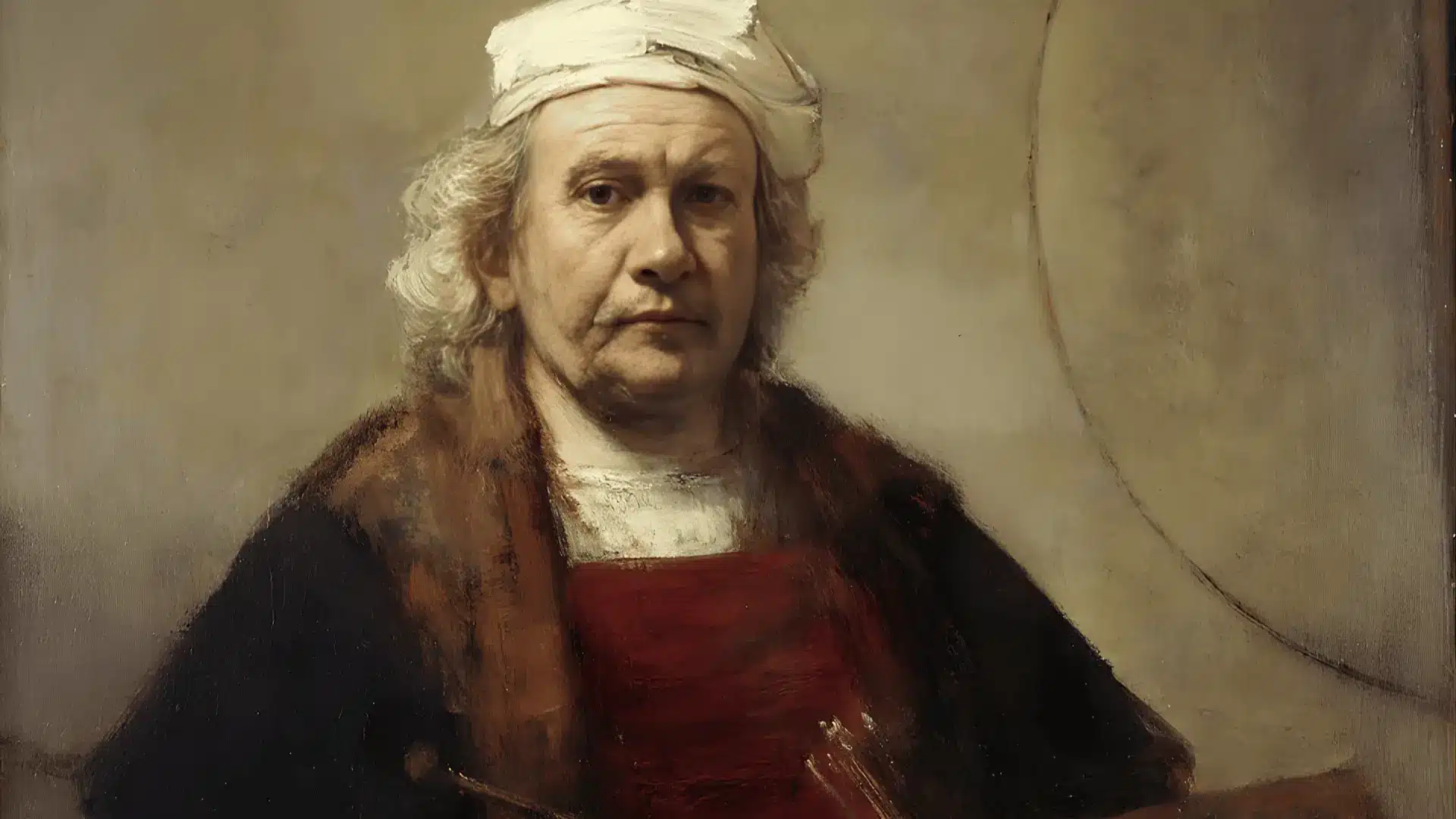
Style: Baroque | Medium: Oil on canvas | Location: Kenwood House, London
Part of 80+ self-portraits painted over 40 years, this work captures age and quiet wisdom through masterful chiaroscuro. The two mysterious circles in the background remain one of art history’s great unsolved debates.
3. Vincent van Gogh: Self-Portrait with Bandaged Ear (1889)
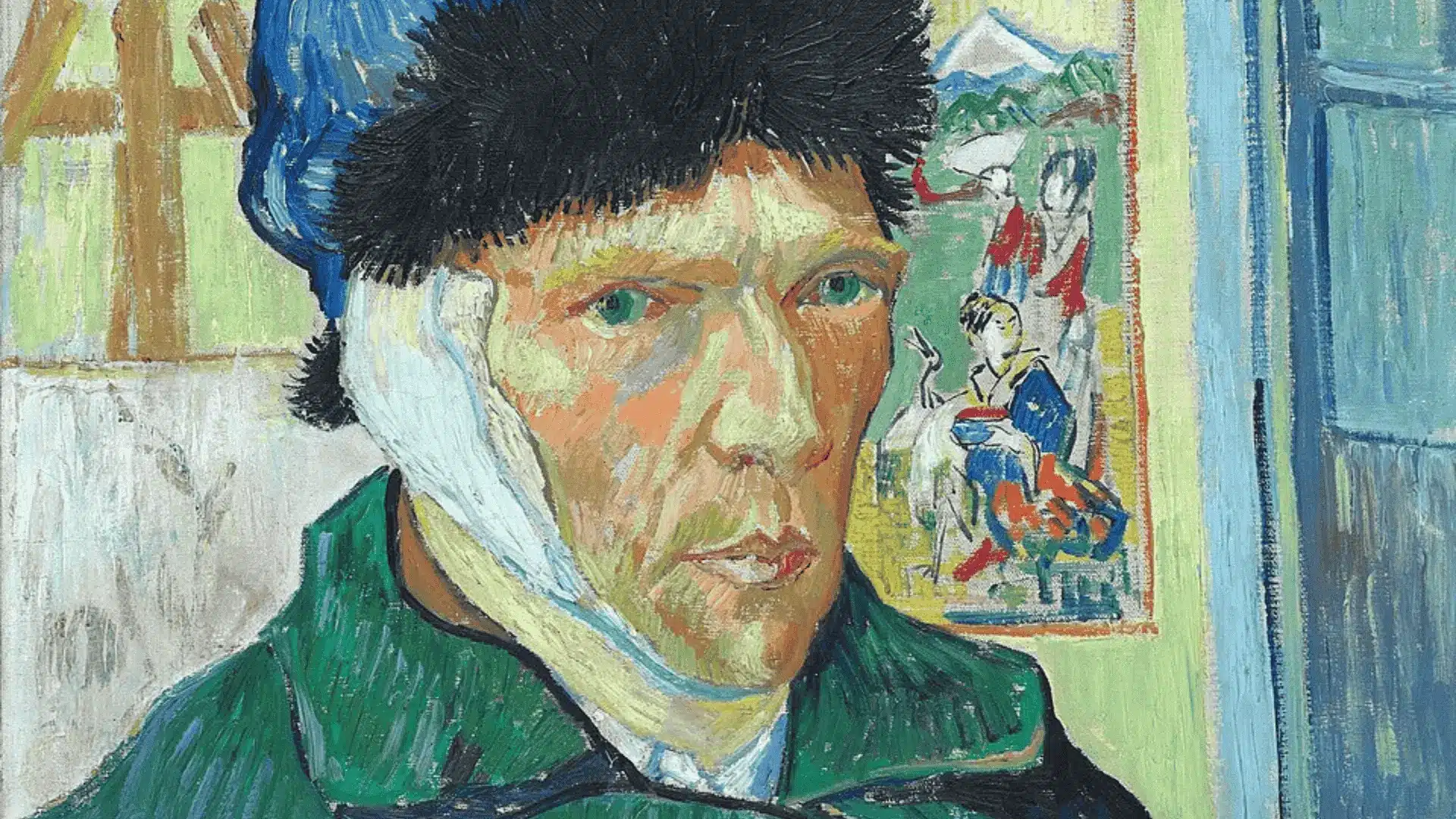
Style: Post-Impressionism | Medium: Oil on canvas | Location: Courtauld Gallery, London
Painted after Van Gogh severed part of his own ear, this work pulses with raw emotional honesty. Swirling brushstrokes and vivid colors mirror his turbulent mental state.
A Japanese print in the background reflects his deep admiration for Japanese art.
4. Frida Kahlo: Self-Portrait with Thorn Necklace and Hummingbird (1940)
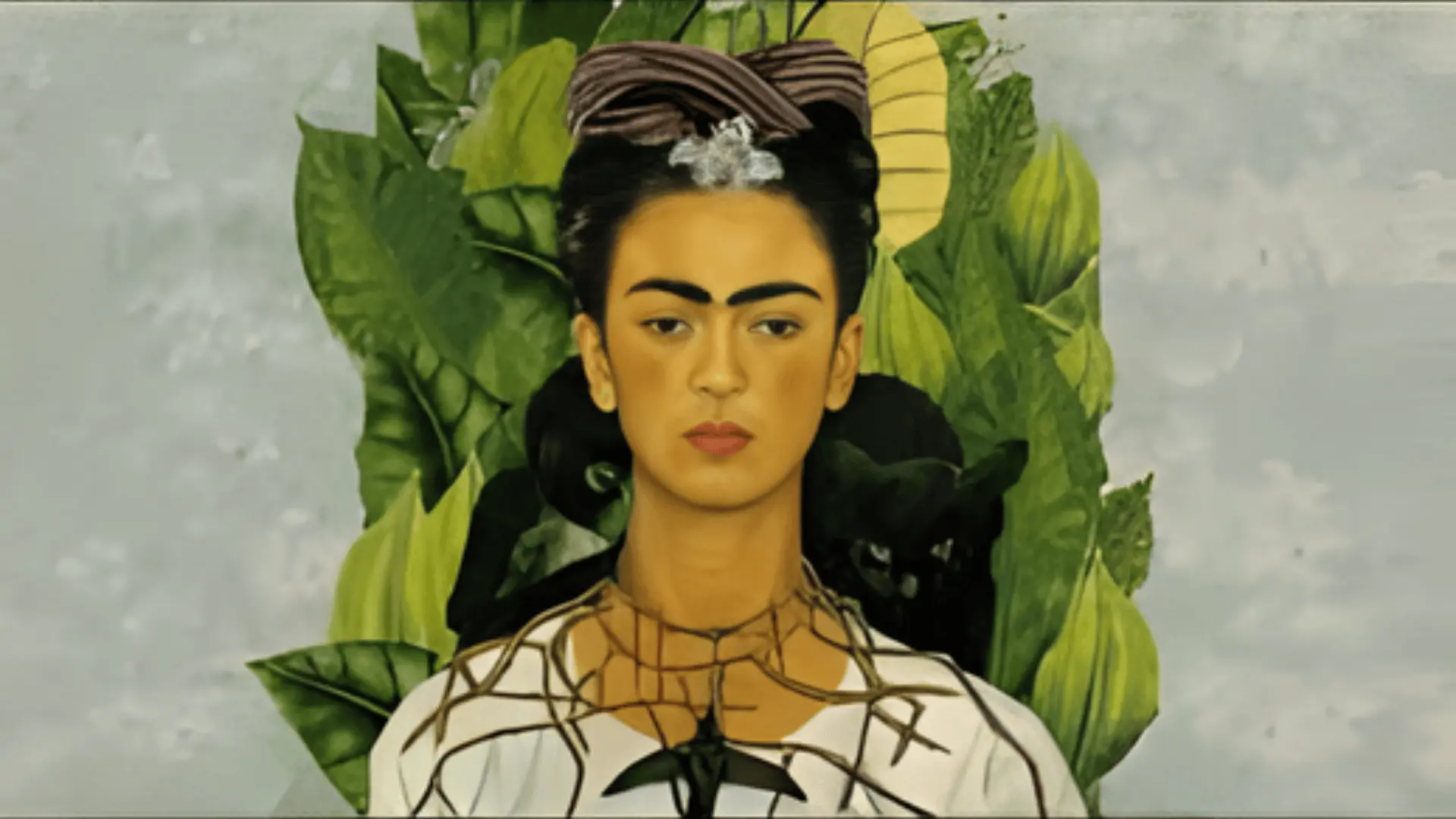
Style: Surrealism / Symbolism | Medium: Oil on canvas | Location: Harry Ransom Center, University of Texas
Painted during her divorce from Diego Rivera, this work layers personal pain with Mexican symbolism. Thorns draw blood, a hummingbird offers hope, and a black cat signals bad luck.
One of 55 self-portraits Kahlo created throughout her life.
5. Pablo Picasso: Self-Portrait with Palette (1906)
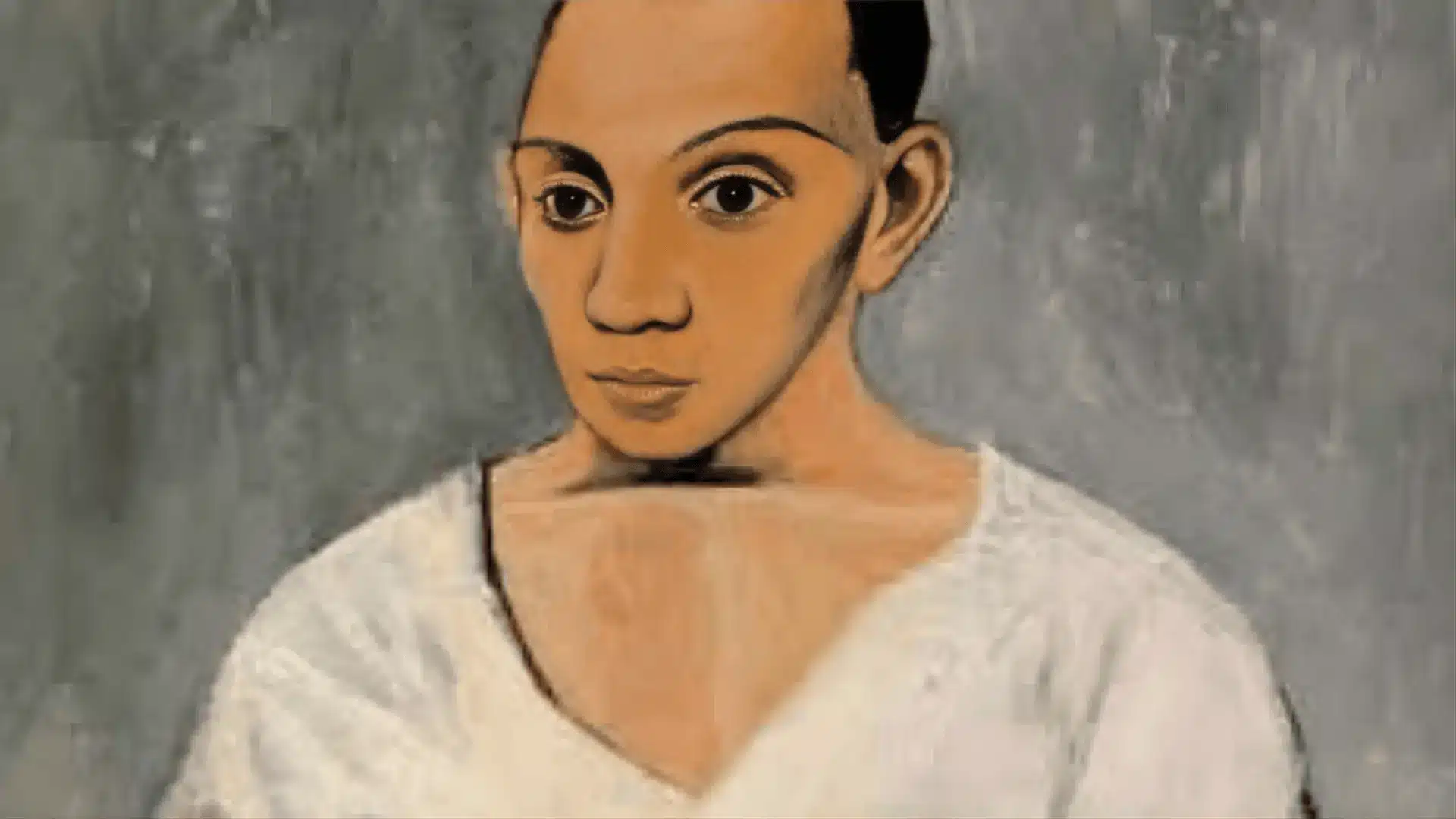
Style: Proto-Cubism | Medium: Oil on canvas | Location: Philadelphia Museum of Art
Painted on the edge of Cubism, this work shows Picasso’s style shifting in real time. Flat geometric forms and a bold gaze reflect the influence of Iberian sculpture and African art he was studying at the time.
6. Artemisia Gentileschi: Self-Portrait as the Allegory of Painting (1638–39)
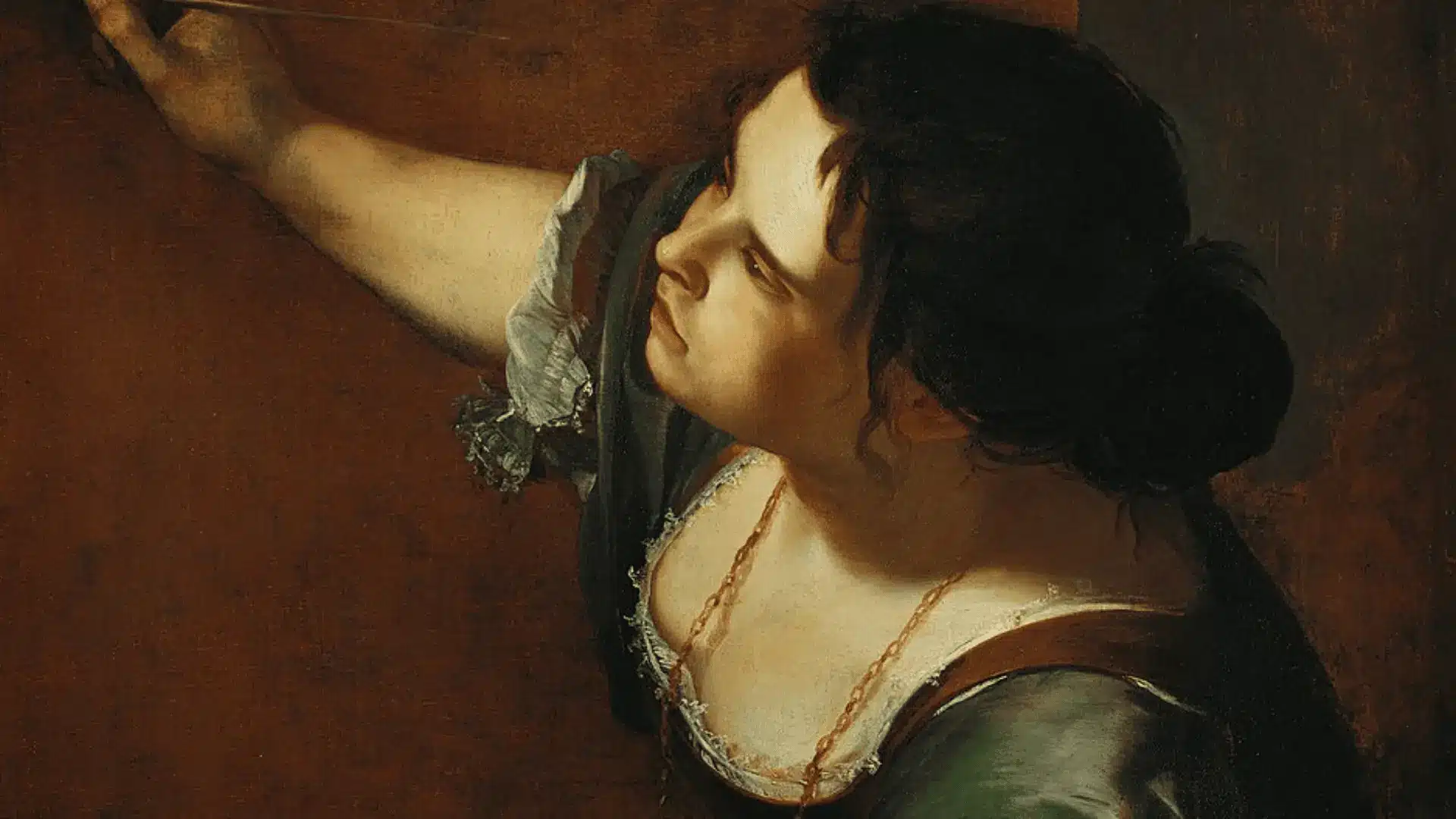
Style: Baroque | Medium: Oil on canvas | Location: Royal Collection, Windsor Castle
Gentileschi cast herself as La Pittura, the embodiment of Painting itself. Previously, that role was always given to idealized women painted by men. This daring work, painted for King Charles I, was a powerful statement of female artistic authority.
7. Andy Warhol: Self-Portrait (1966)
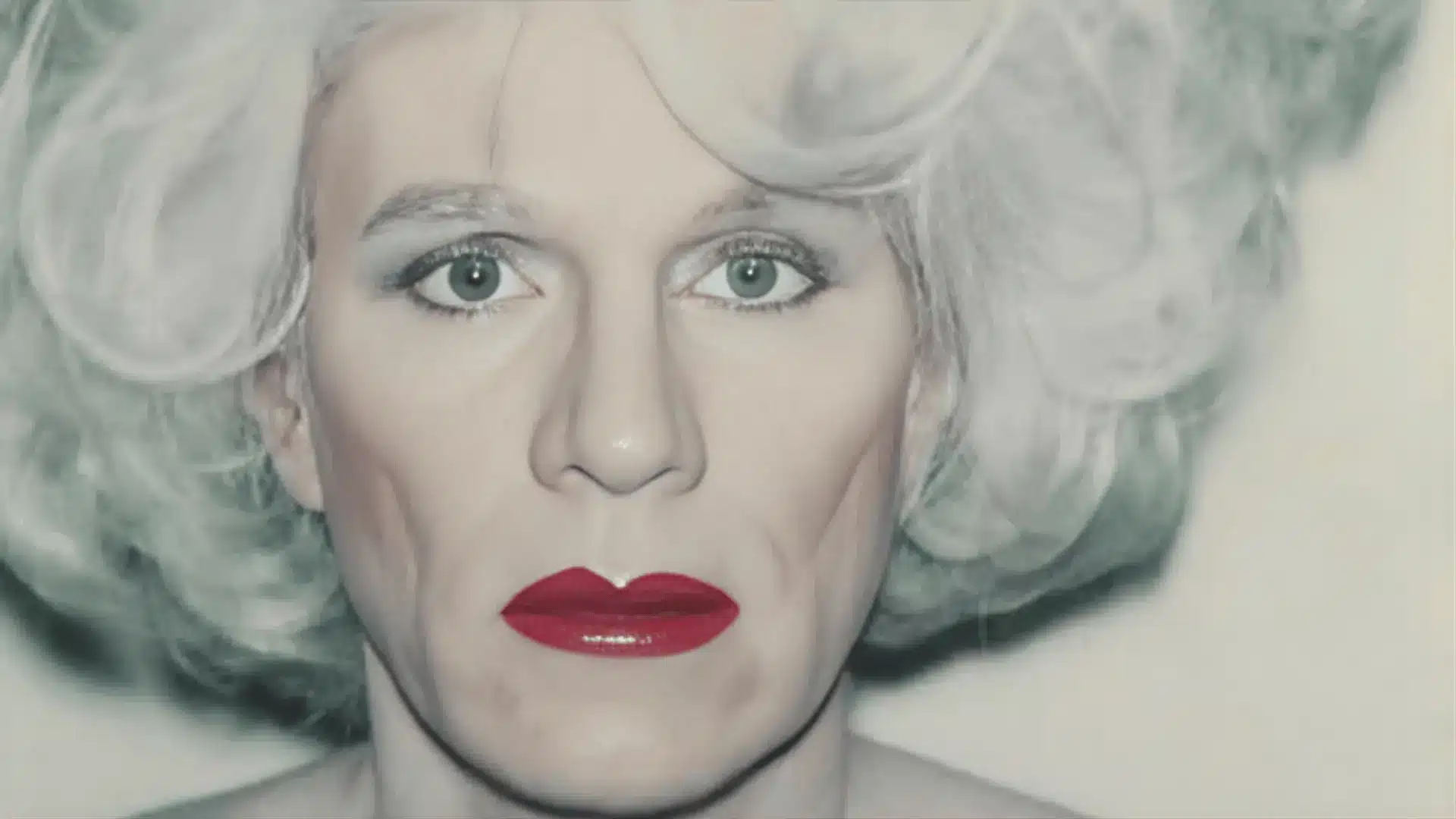
Style: Pop Art | Medium: Silkscreen on canvas | Location: Museum of Modern Art, New York
Using the same silkscreen technique as his Marilyn Monroe prints, Warhol turned himself into a mass-produced image. Bold flat colors strip away psychological depth, reflecting his belief that identity is artificial, packaged, and endlessly reproducible.
8. Jan van Eyck: Portrait of a Man in a Turban (1433)
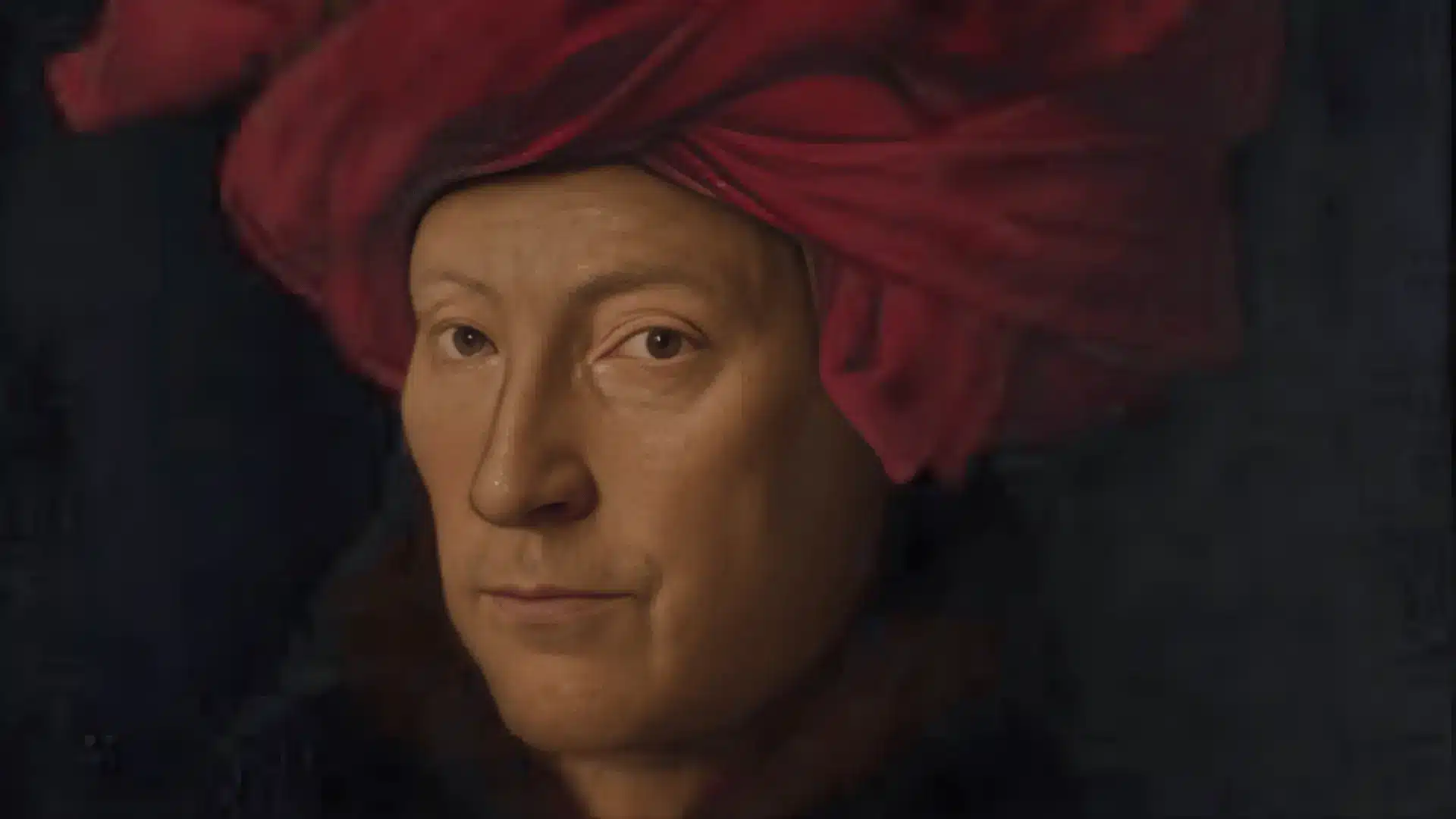
Style: Early Netherlandish | Medium: Oil on oak panel | Location: National Gallery, London
Widely considered the earliest known panel self-portrait in Western art, this work showcases Van Eyck’s photorealistic precision. The inscription “Als Ich Kan” on the frame is thought to be his personal motto.
9. Gustave Courbet: The Desperate Man (1845)
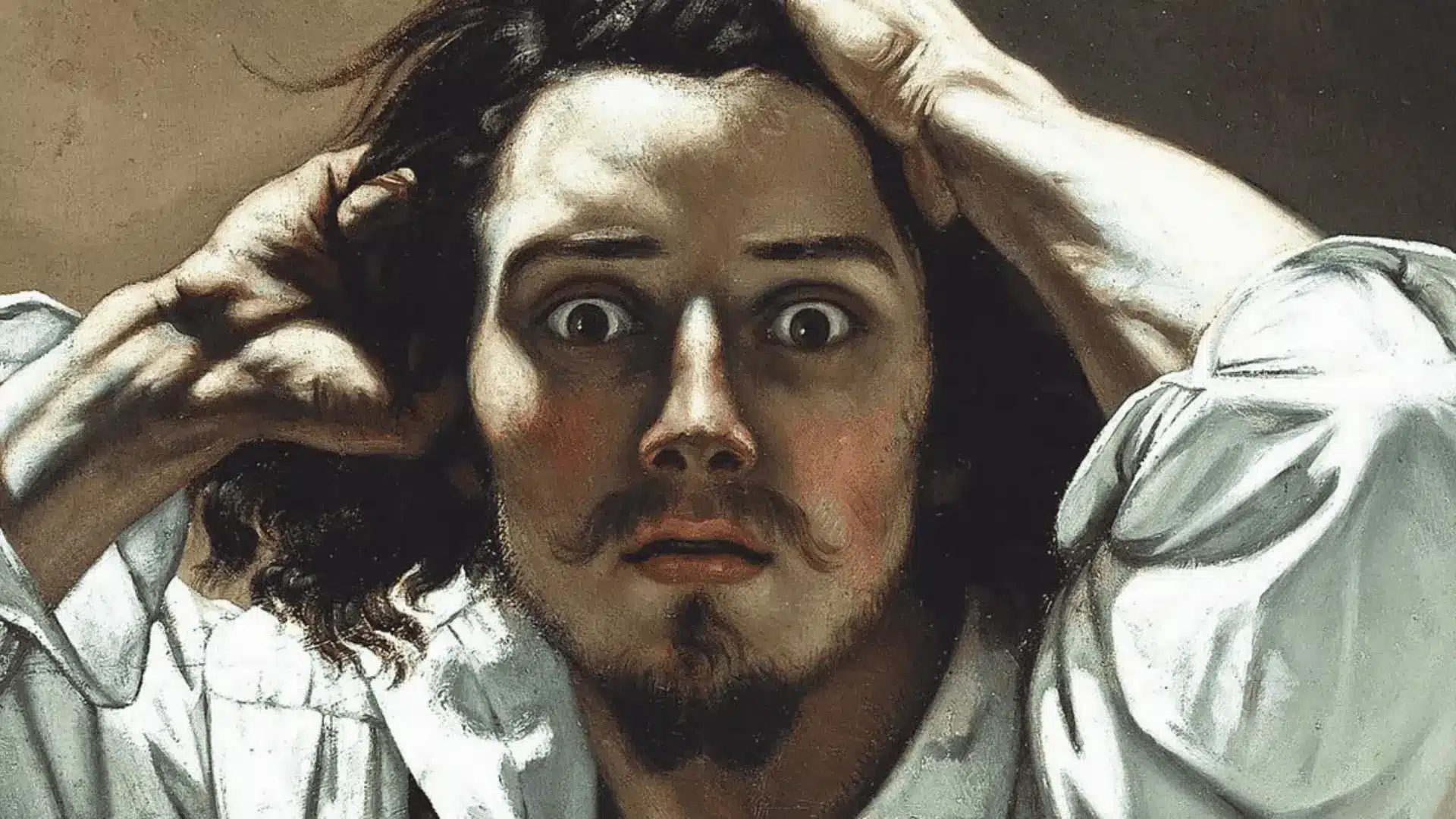
Style: Realism | Medium: Oil on canvas | Location: Private Collection
Painted at 26, this raw self-portrait shows wide eyes, clutched hands, and extreme distress. Believed to follow his sister’s death, it rejected Romantic idealization entirely.
Courbet insisted art should depict real life, including suffering and despair.
10. Paul Gauguin: Self-Portrait with Halo (1889)
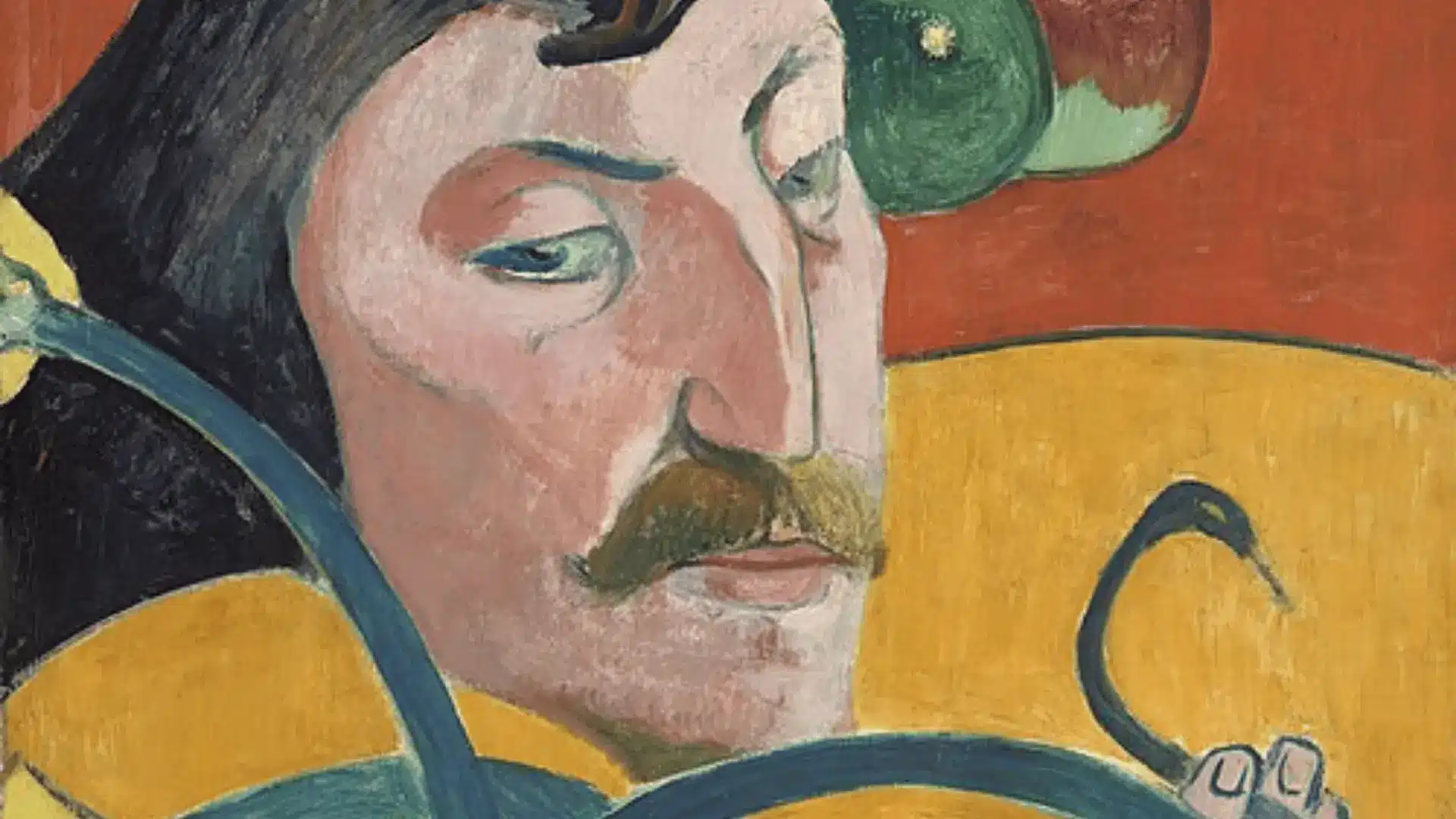
Style: Symbolism / Post-Impressionism | Medium: Oil on wood | Location: National Gallery of Art, Washington, D.C.
Gauguin depicted himself as both saint and sinner — framed by a halo while clutching a serpent and surrounded by apples evoking the forbidden fruit of Eden.
Bold outlines, flat color fields, and decorative composition show him moving away from Impressionism toward the symbolic style he would later develop in Tahiti.
11. Élisabeth Vigée Le Brun: Self-Portrait in a Straw Hat (1782)
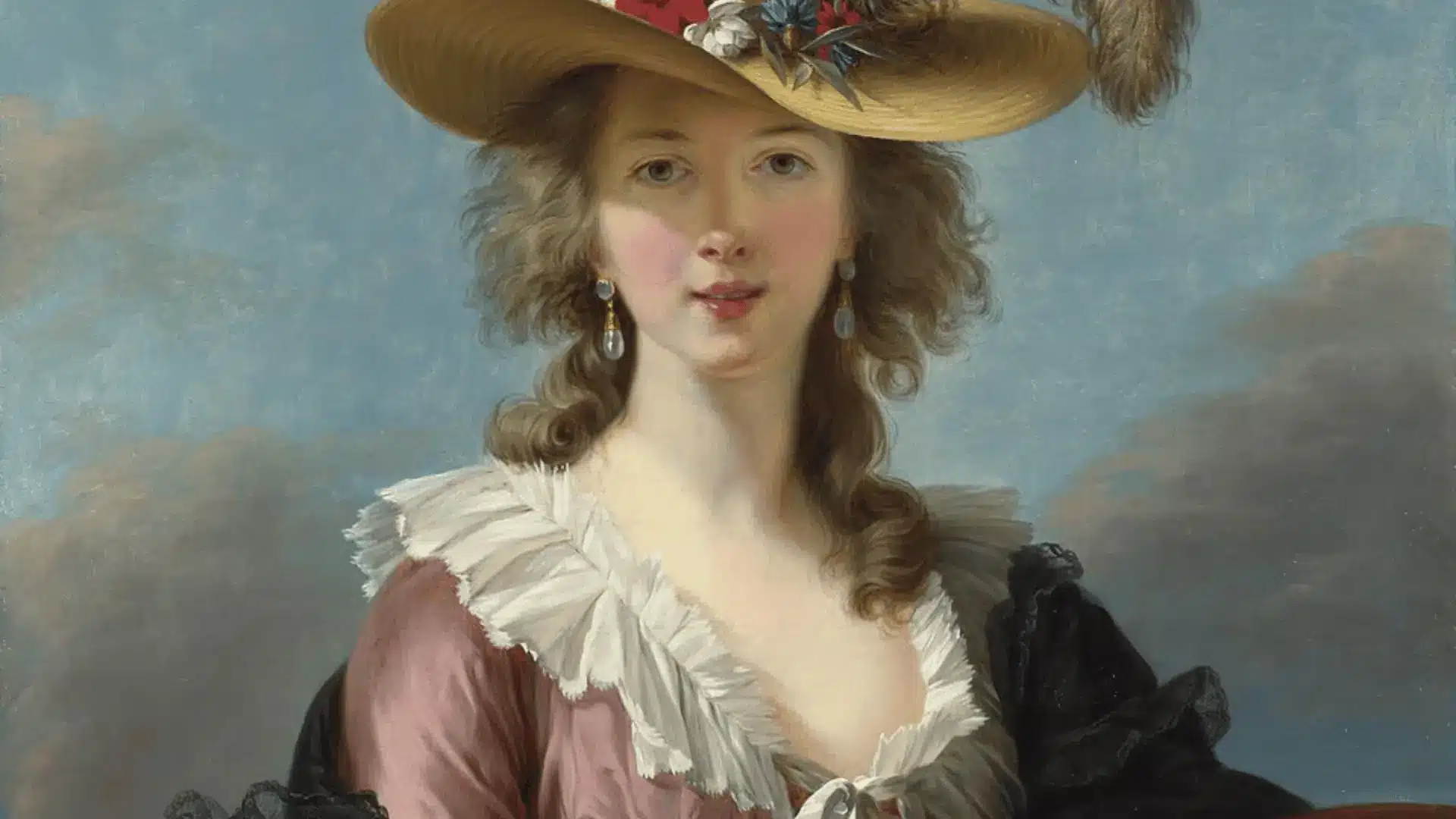
Style: Neoclassicism | Medium: Oil on canvas | Location: National Gallery, London
Inspired by Rubens’ famous portrait of Susanna Lunden, Vigée Le Brun painted herself outdoors with the tools of her trade proudly on display. The natural light and confident pose were a deliberate challenge to the formal court portraiture of her era.
As the official portraitist of Marie Antoinette, she used this work to cement her own artistic reputation at a time when female painters were rarely taken seriously.
12. Francisco Goya: Self-Portrait with Dr. Arrieta (1820)
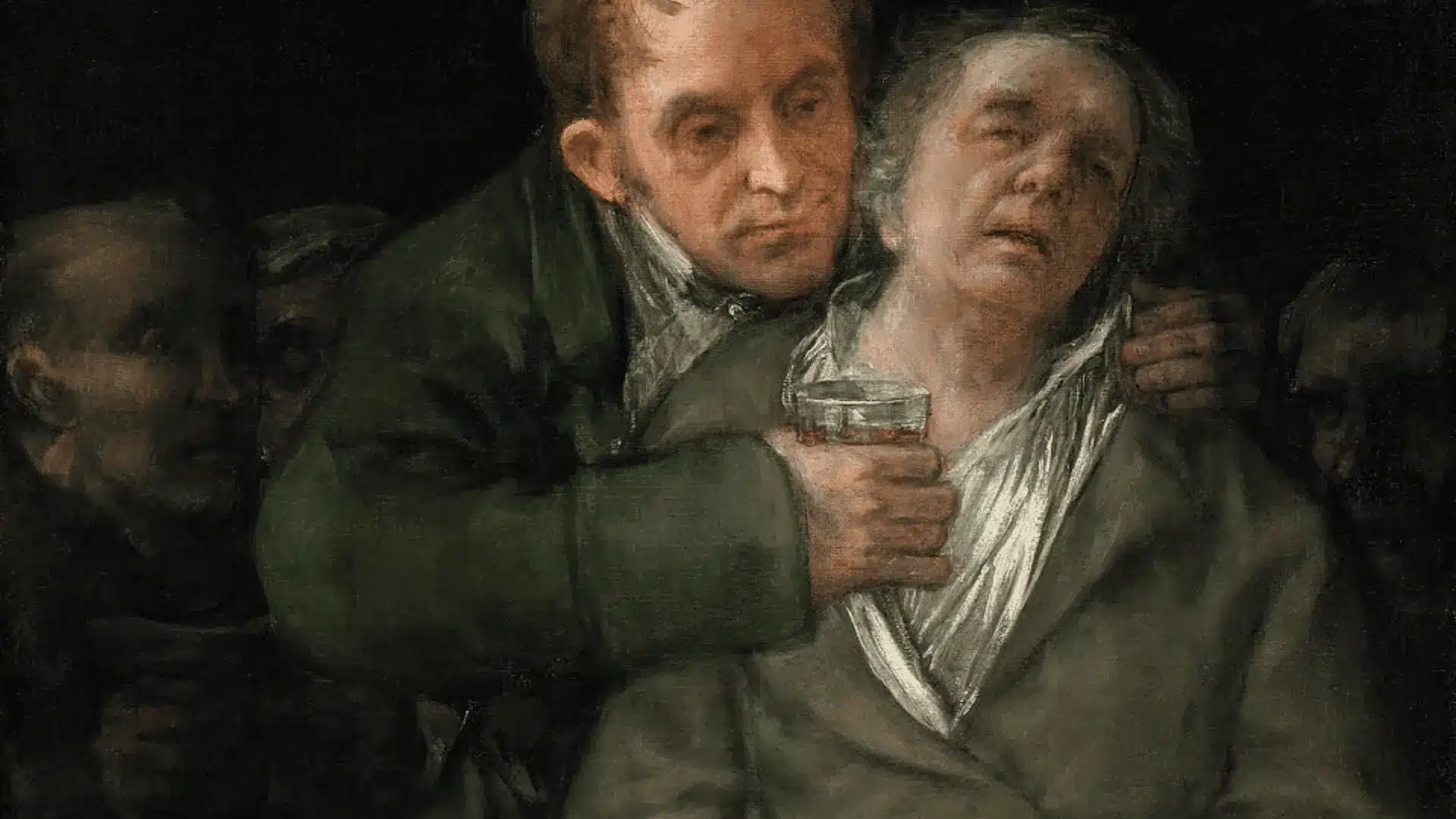
Style: Romanticism | Medium: Oil on canvas | Location: Minneapolis Institute of Art
Goya painted this at 73 while recovering from a near-fatal illness, depicting himself barely conscious and propped up by his devoted physician, Dr. Arrieta.
The inscription at the bottom dedicates the canvas as a heartfelt personal act of gratitude, making it one of art history’s most emotionally moving painted tributes.
13. Egon Schiele: Self-Portrait with Physalis (1912)
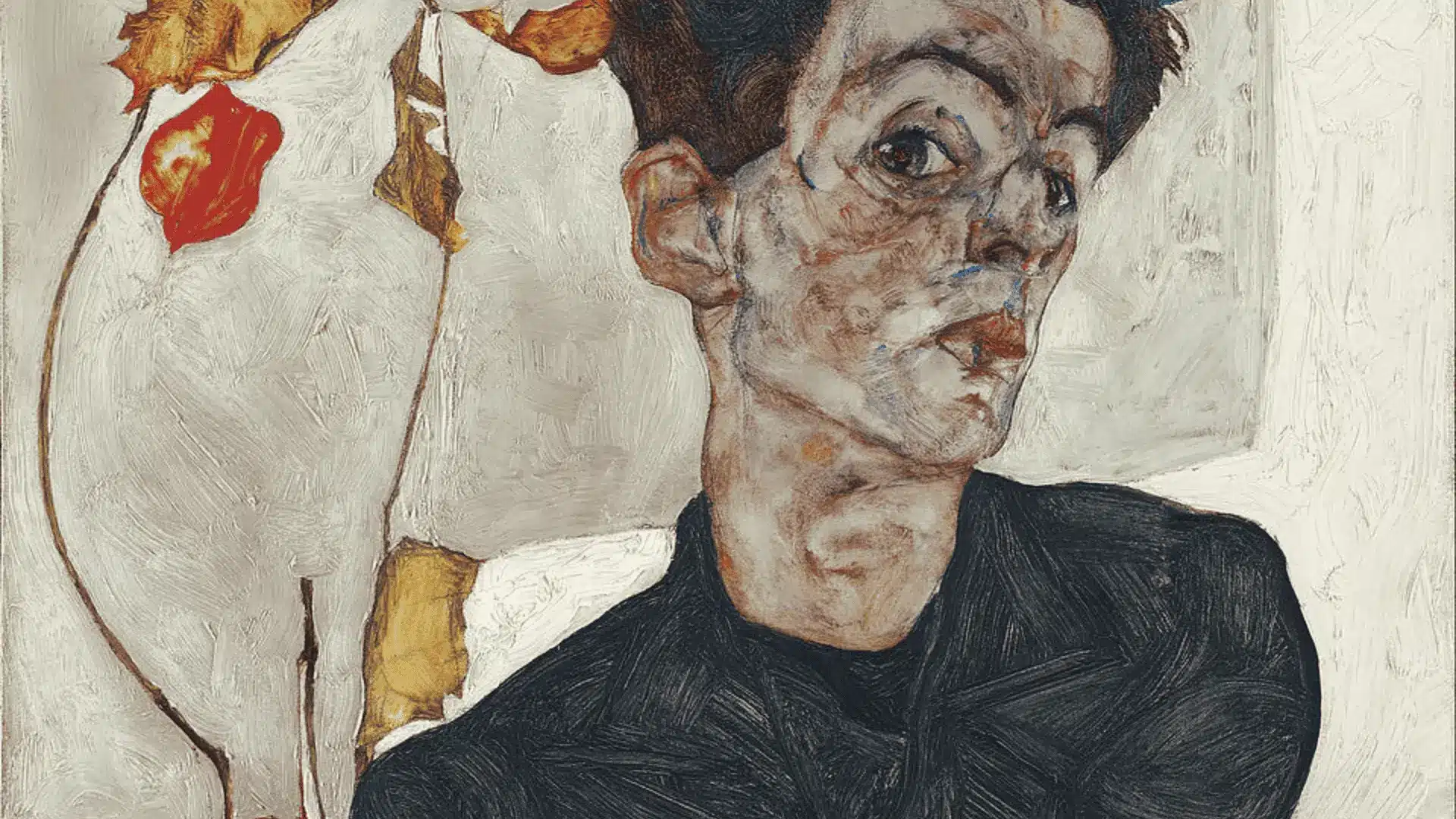
Style: Expressionism | Medium: Oil on wood | Location: Leopold Museum, Vienna
Schiele painted dozens of self-portraits that stripped away all vanity, presenting his body as distorted, raw, and emotionally exposed.
This example adds a single physalis plant, a symbol of transience, to a composition that already bristles with unease. His work was deeply controversial but profoundly influential on European Expressionist art.
14. Édouard Manet: Self-Portrait with Palette (1879)
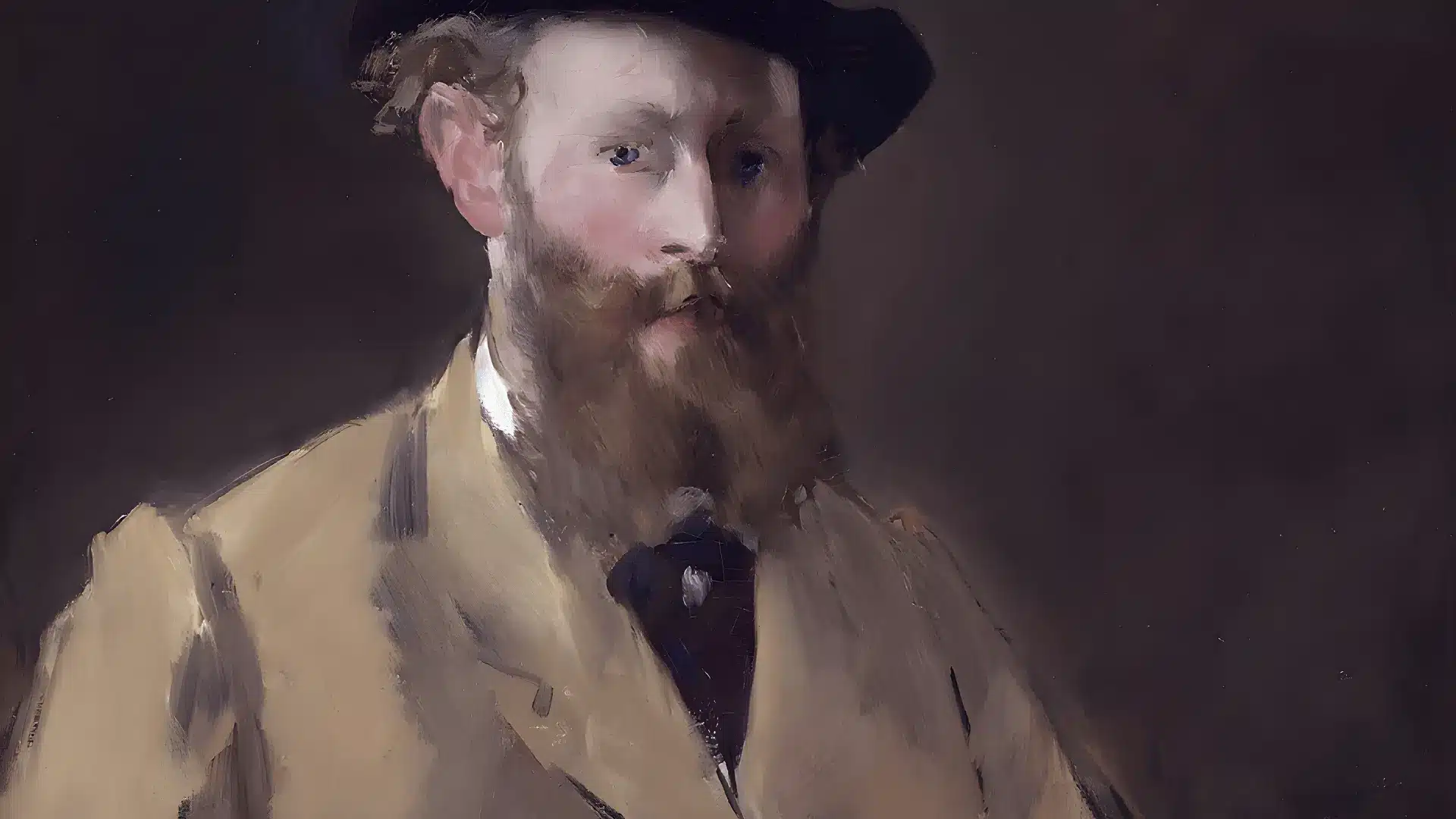
Style: Impressionism | Medium: Oil on canvas | Location: Private Collection
One of only two known self-portraits by Manet, this work is a masterclass in understated confidence. Loose, assured brushwork and a deliberately relaxed pose project the image of the modern artist, urbane, self-possessed, and entirely unconcerned with academic convention.
It stands as a quiet and final statement of artistic identity.
15. Lucian Freud: Reflection (Self-Portrait) (1985)
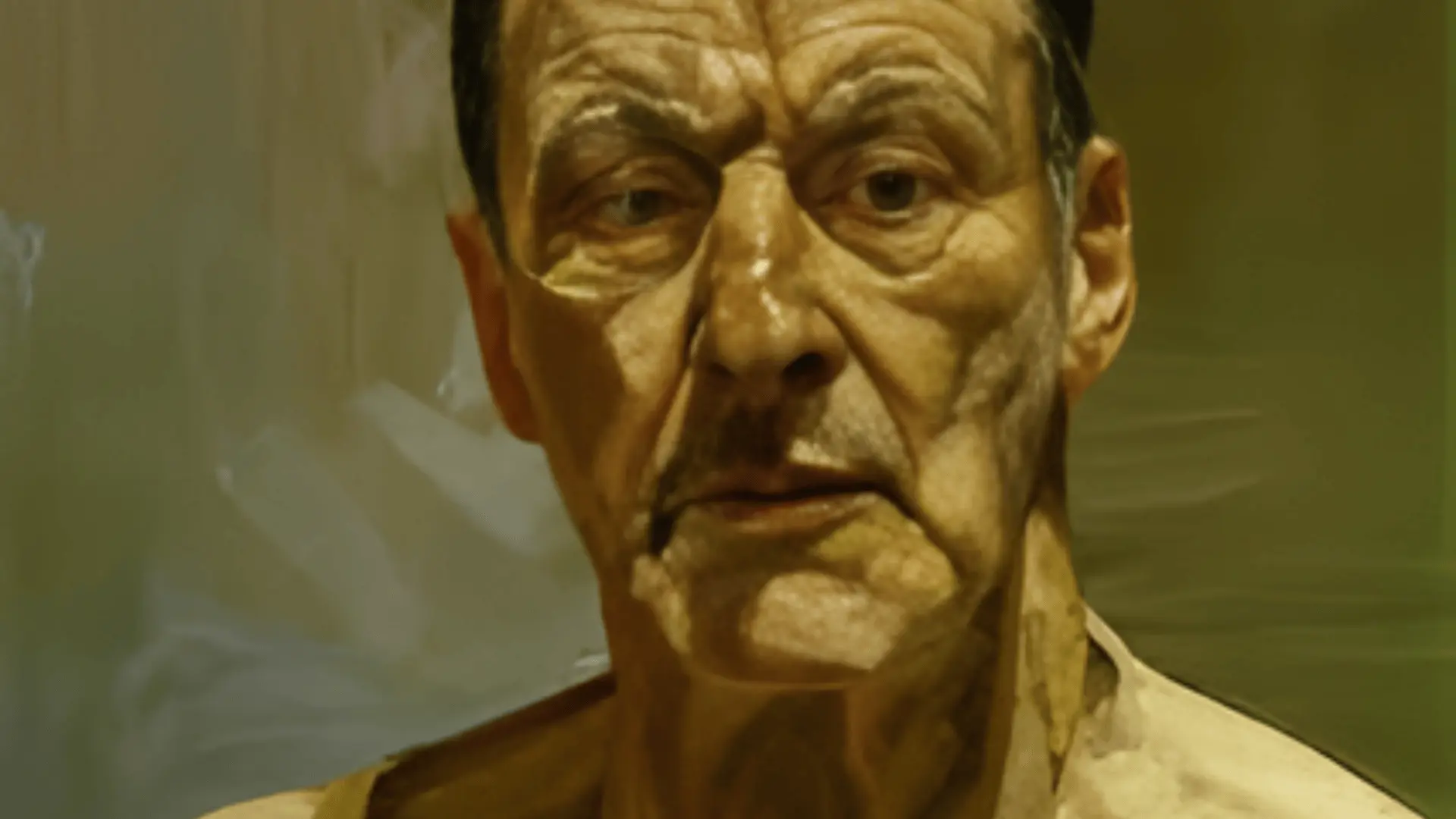
Style: Contemporary Realism | Medium: Oil on canvas | Location: Private Collection
Freud applied paint with the same unflinching scrutiny he brought to every subject, no flattery, no softening. The thickly worked flesh tones and direct gaze create a portrait that feels almost confrontational in its honesty.
He continued painting self-portraits well into old age, treating his own aging body as subject.
16. Norman Rockwell: Triple Self-Portrait (1960)
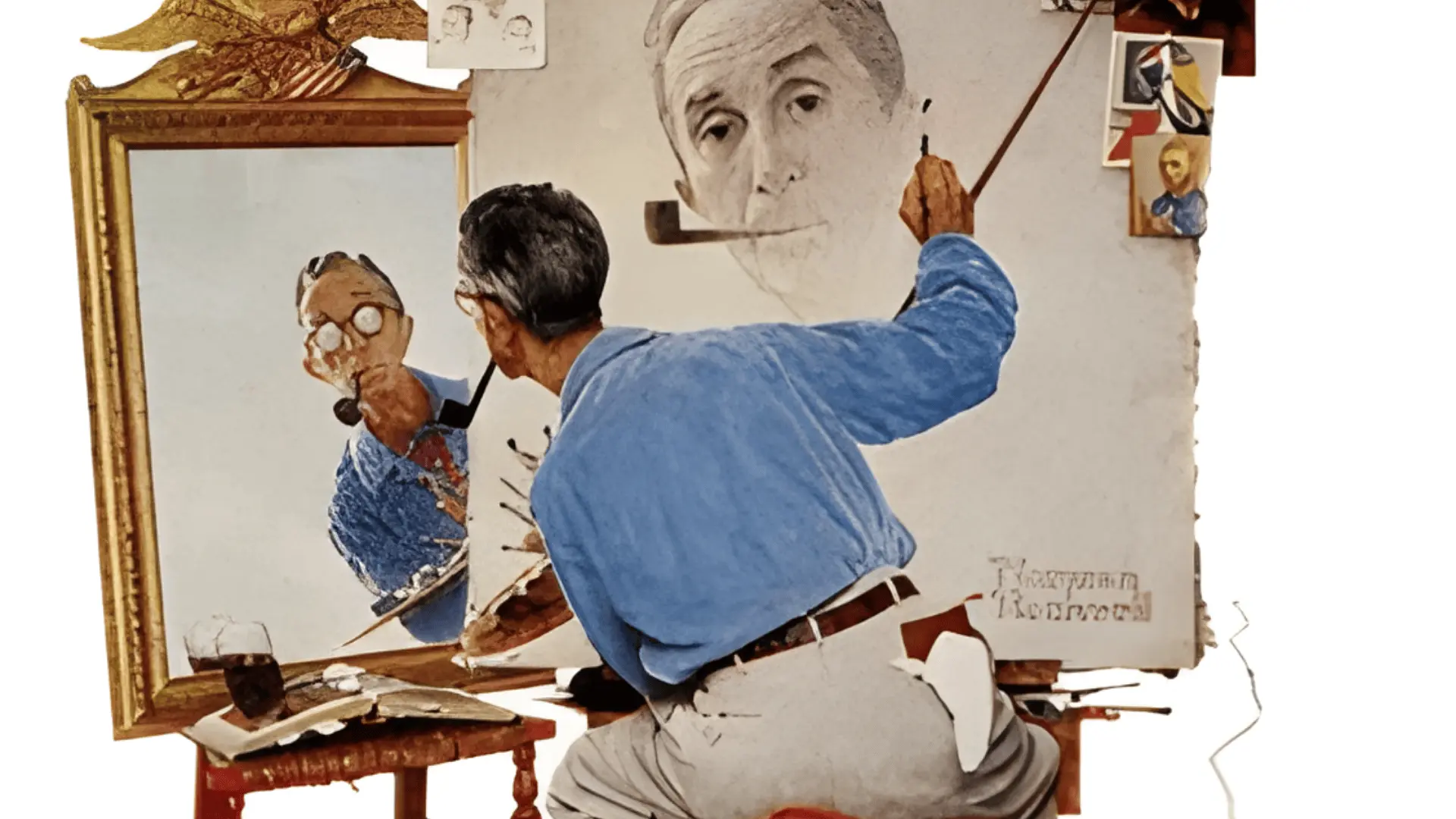
Style: American Illustration | Medium: Oil on canvas | Location: Norman Rockwell Museum, Stockbridge, Massachusetts
Rockwell painted himself painting himself and pinned studies of Dürer, Rembrandt, Picasso, and Van Gogh to the canvas corner for inspiration.
The painted version of Rockwell appears far more idealized than his actual mirror reflection, playfully asking how much any self-portrait truly tells us the real truth about its maker.
17. Francis Bacon: Self-Portrait (1969)
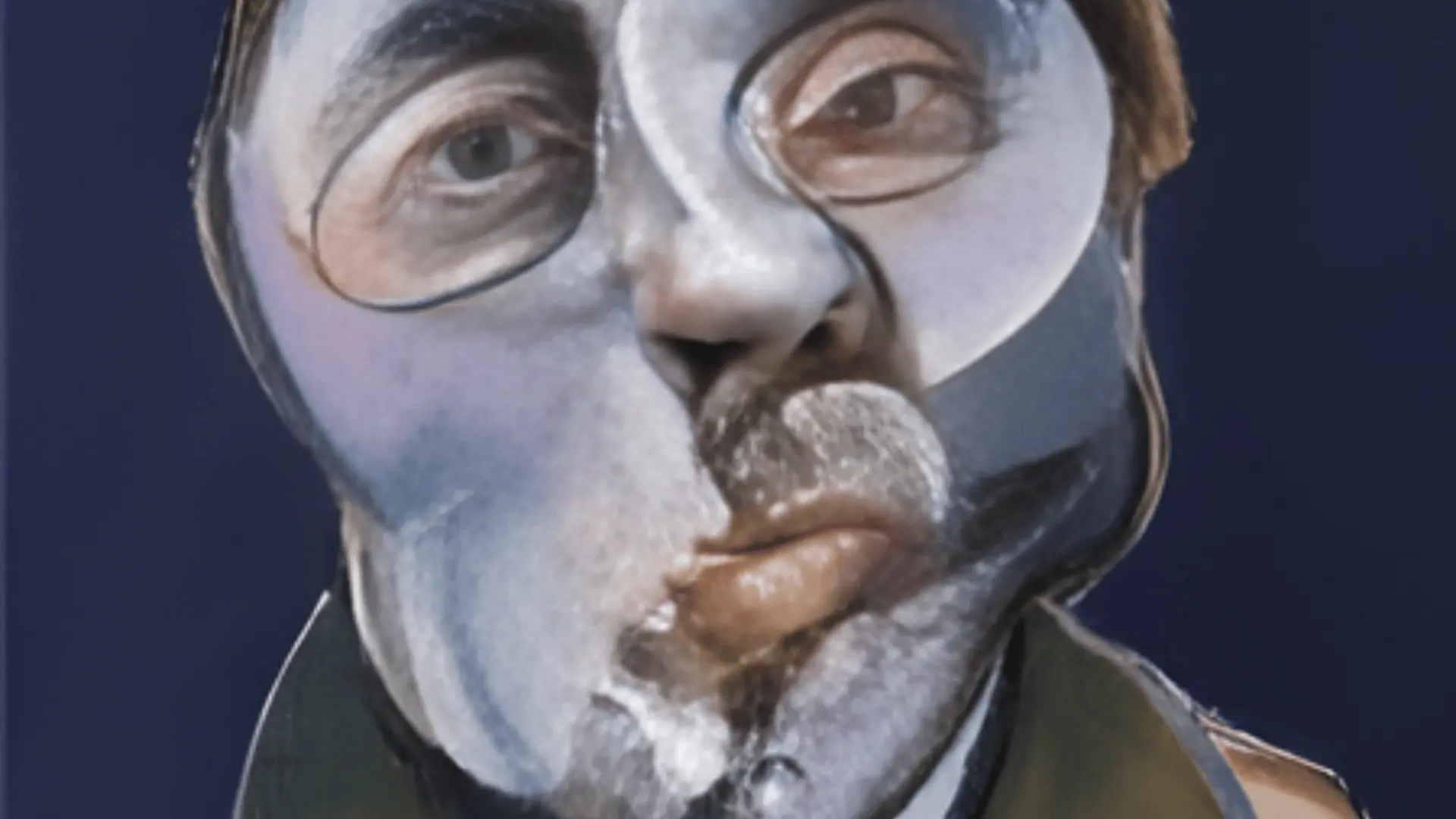
Style: Expressionism / Contemporary | Medium: Oil on canvas | Location: Private Collection
Bacon twisted the human face into something raw and barely recognizable. This self-portrait uses smeared paint and violent distortion to capture psychological torment rather than physical likeness.
Painted during his most prolific decade, it reflects his belief that art should bypass rational thought and strike the viewer’s nervous system directly.
How to Identify the Style of a Self-Portrait?
Looking at self-portrait art gets easier once you know what to look for. Here are four simple things to check.
- Start with the Brushwork: Impressionist strokes are loose and broken. Realist work is smooth and precise. Expressionist pieces feel rough and urgent.
- Look at the Symbolism: Clothing, objects, and backgrounds are rarely accidental. A palette signals craft. A skull references mortality. A cultural garment points to identity.
- Pay Attention to Lighting: Baroque self-portraits often use strong contrasts of light and shadow. Impressionist works favor soft, natural light with little drama.
- Look at an Artist’s Work as a Series: Rembrandt, Van Gogh, and Picasso left behind decades of self-portraits. Comparing them side by side reveals shifts in style and personal evolution.
Once you know these four things, self-portrait art starts to feel less like a mystery and more like a conversation with the artist.
Final Thoughts
Self-portrait art has never stood still. It has shifted with every century, every movement, and every artist brave enough to turn the canvas on themselves.
What started with ancient sculptors became a tradition spanning oil paint, photography, and digital screens.
Through all of it, one thing stays constant: the desire to be seen, understood, and remembered.
The more you look at self-portrait art, the more you realize it reflects not just the artist, but the time they lived in and the mark they wanted to leave behind.
Some of history’s most honest human moments live inside these works.
Which self-portrait stayed with you the most? Drop it in the comments. You might just come across your next favorite artist through someone else’s answer.