




Most students study hard but still feel stuck. The problem is often not effort. It is not knowing what they are actually good at.
Academic strengths are the skills that make learning feel more natural. They are the tools that help you do better in school without burning out.
Some students write well. Others think logically, manage time without much struggle, or pick up new concepts fast. These are all examples of academic strengths that show up in everyday school life.
When you know what your strengths are, you can use them on purpose. You stop guessing and start making real progress.
Everything you need to know, from spotting your strengths to using them to get better results in school, is covered right her
What Are Academic Strengths?
Academic strengths are the skills and abilities that help you do well in school. They are the things you naturally do well, or have built up over time through practice and effort. Not every student is strong in the same areas, and that is perfectly normal.
Some students are great at solving math problems. Others write clearly, stay organized, or remember facts without much trouble. These are all academic strengths examples.
Knowing your strengths gives you a real advantage in school. When you understand what you are good at, you can lean on those skills to handle harder subjects and tough assignments.
Everyone has a different set of strengths. The key is figuring out yours and then using them with purpose to reach your goals.
Why Knowing Your Academic Strengths Matters
Understanding your academic strengths helps you study smarter, stay motivated, and make better decisions about your education and future career path.
- Builds Confidence in the Classroom: Knowing what you are good at helps you feel more confident during lessons and assessments.
- Makes Learning More Efficient: When you study using your strengths, you spend less time struggling and make faster, more consistent progress.
- Helps You Choose the Right Subjects: Matching your academic strengths to your subject choices leads to better grades and more genuine interest.
- Supports Career Planning Early On: Recognizing academic strengths, examples now help you see which careers and courses are a natural fit.
- Helps You Better Handle Weak Areas: Using what you are already good at gives you practical tools to manage subjects you find harder.
- Strengthens College and Scholarship Applications: Being able to clearly talk about your academic strengths makes your applications more specific and memorable.
Top Academic Strengths Examples
Academic strengths show up in many different ways. Once you know what to look for, it becomes easier to spot them in your own daily habits and work.
1. Cognitive / Intellectual Strengths
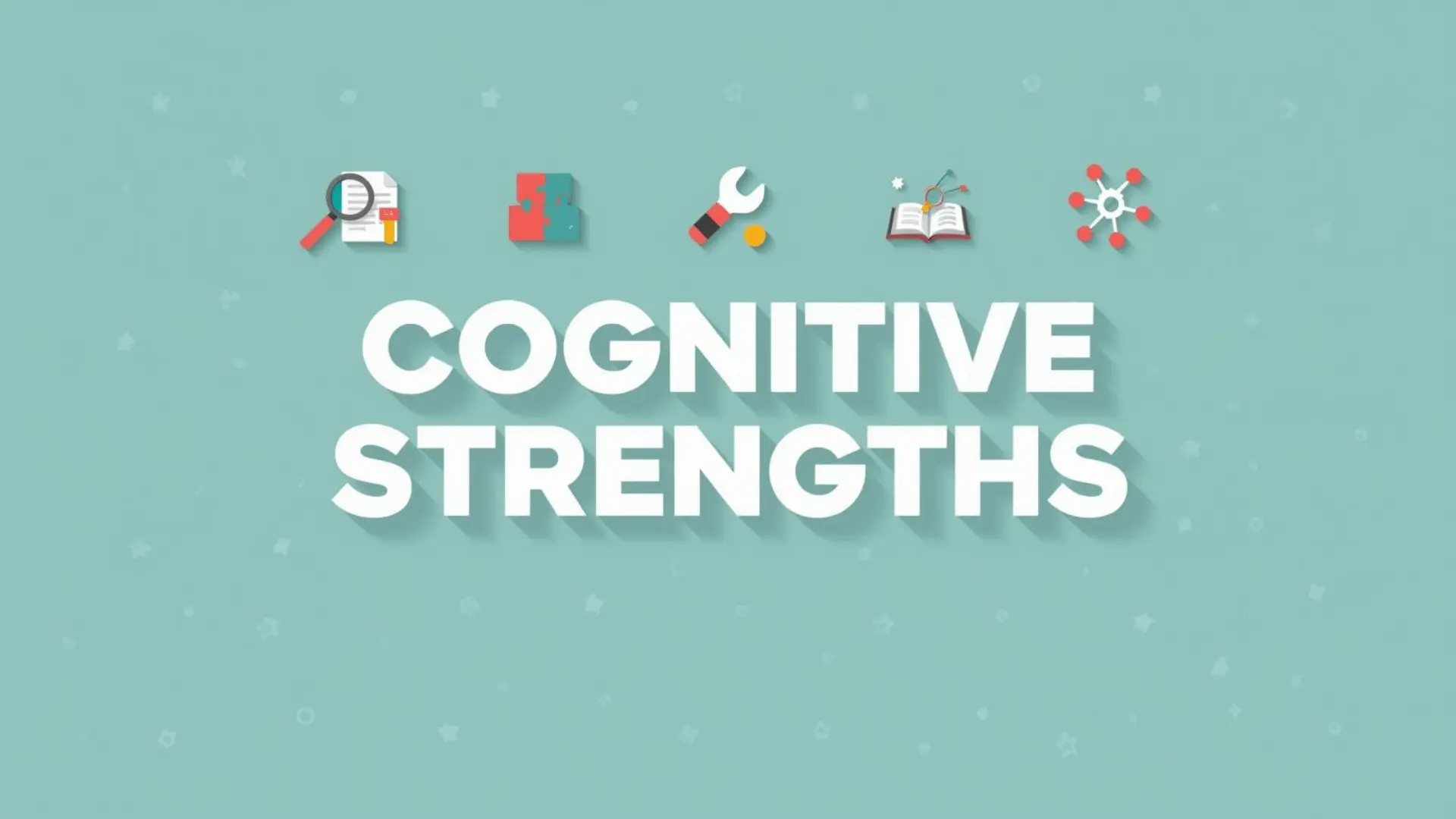
These academic strengths examples involve how you think and process information. Students with strong cognitive skills tend to perform well across many subjects.
1. Critical Thinking: You question ideas, weigh evidence, and come to well-reasoned conclusions on your own.
2. Analytical Reasoning: You break down complex problems into smaller parts and work through them step by step.
3. Problem-Solving: You find practical solutions even when a task feels unclear or difficult at first.
4. Research Skills: You find reliable information, assess its value, and use it to support your work.
5. Logical Reasoning: You follow structured thinking to reach accurate answers in math, science, and beyond.
2. Communication Strengths
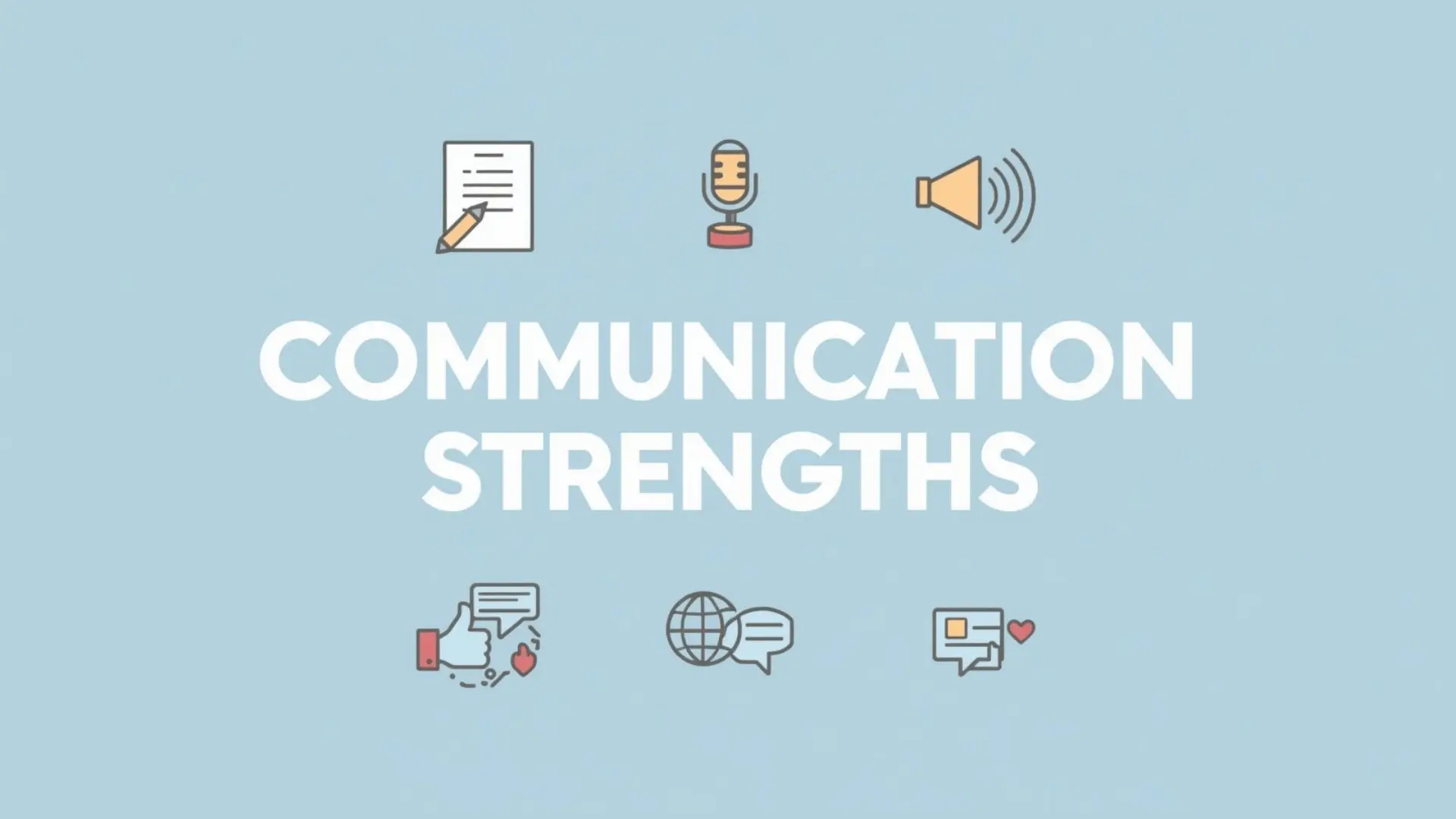
These academic strengths help you share ideas clearly and connect with others. Strong communicators often do well in presentations, group work, and written tasks.
6. Written Communication: You express ideas clearly on paper, making your assignments easy to read and understand.
7. Public Speaking / Verbal Communication: You speak with clarity and confidence in class discussions and formal presentations.
8. Active Listening: You pay close attention during lessons and conversations, which helps you retain more information.
9. Multilingual Ability: Speaking more than one language gives you a broader perspective and a stronger range of communication.
10. Constructive Feedback: You give and receive feedback respectfully, helping everyone involved improve their work.
3. Organizational & Study Strengths
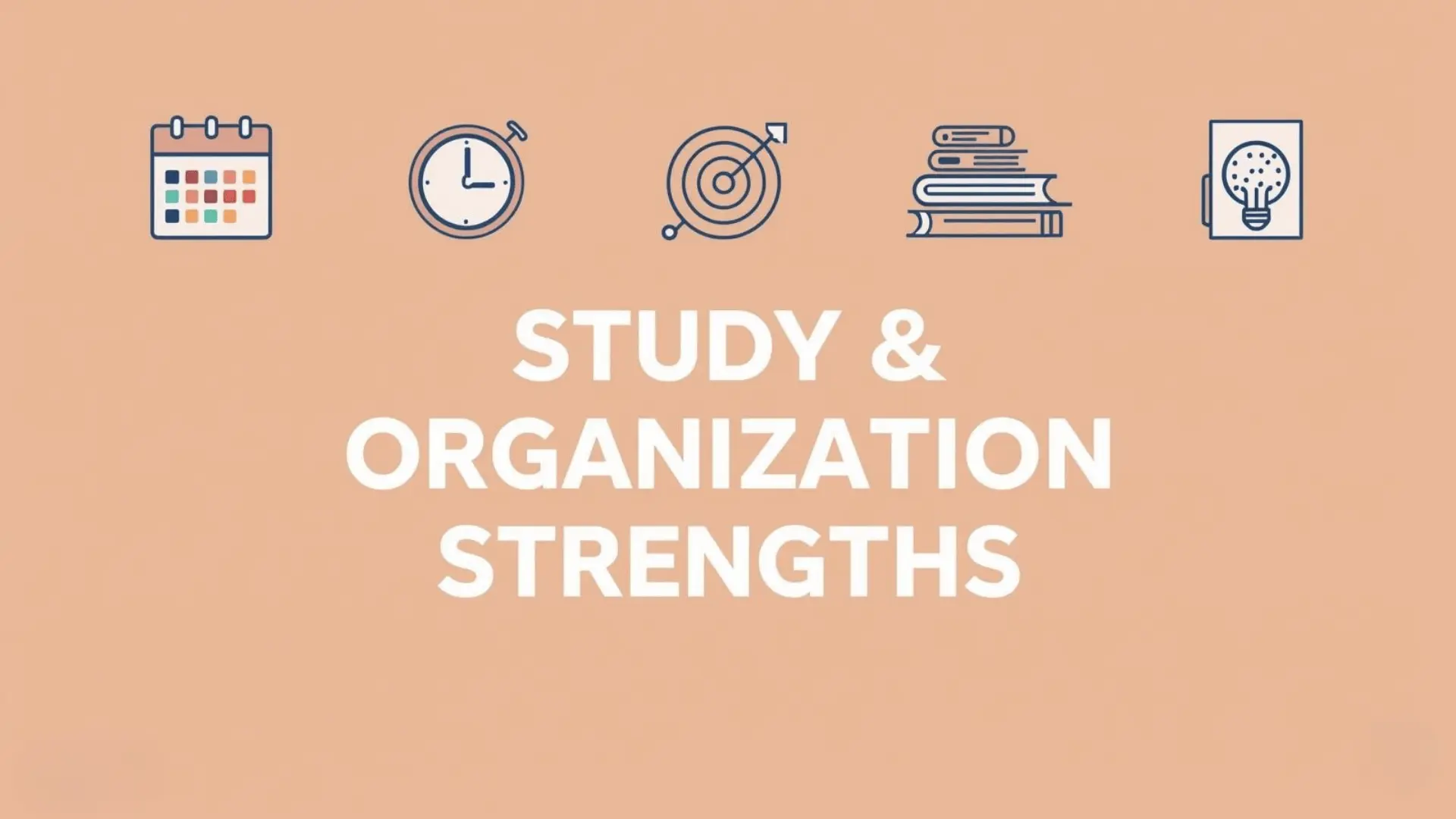
These academic strengths keep you on track and help you stay consistent. Students who are well-organized tend to handle deadlines and heavy workloads more effectively.
11. Time Management: You plan your schedule well and rarely leave important assignments to the last minute.
12. Goal-Setting: You set clear targets for yourself and work toward them with steady, consistent effort.
13. Planning & Organization: You keep your notes, tasks, and materials in order so nothing important gets missed.
14. Note-Taking Ability: You capture key information during lessons in a way that is easy to review later.
15. Focus & Concentration: You stay on task even in busy or distracting environments for longer periods of time.
4. Interpersonal & Collaborative Strengths
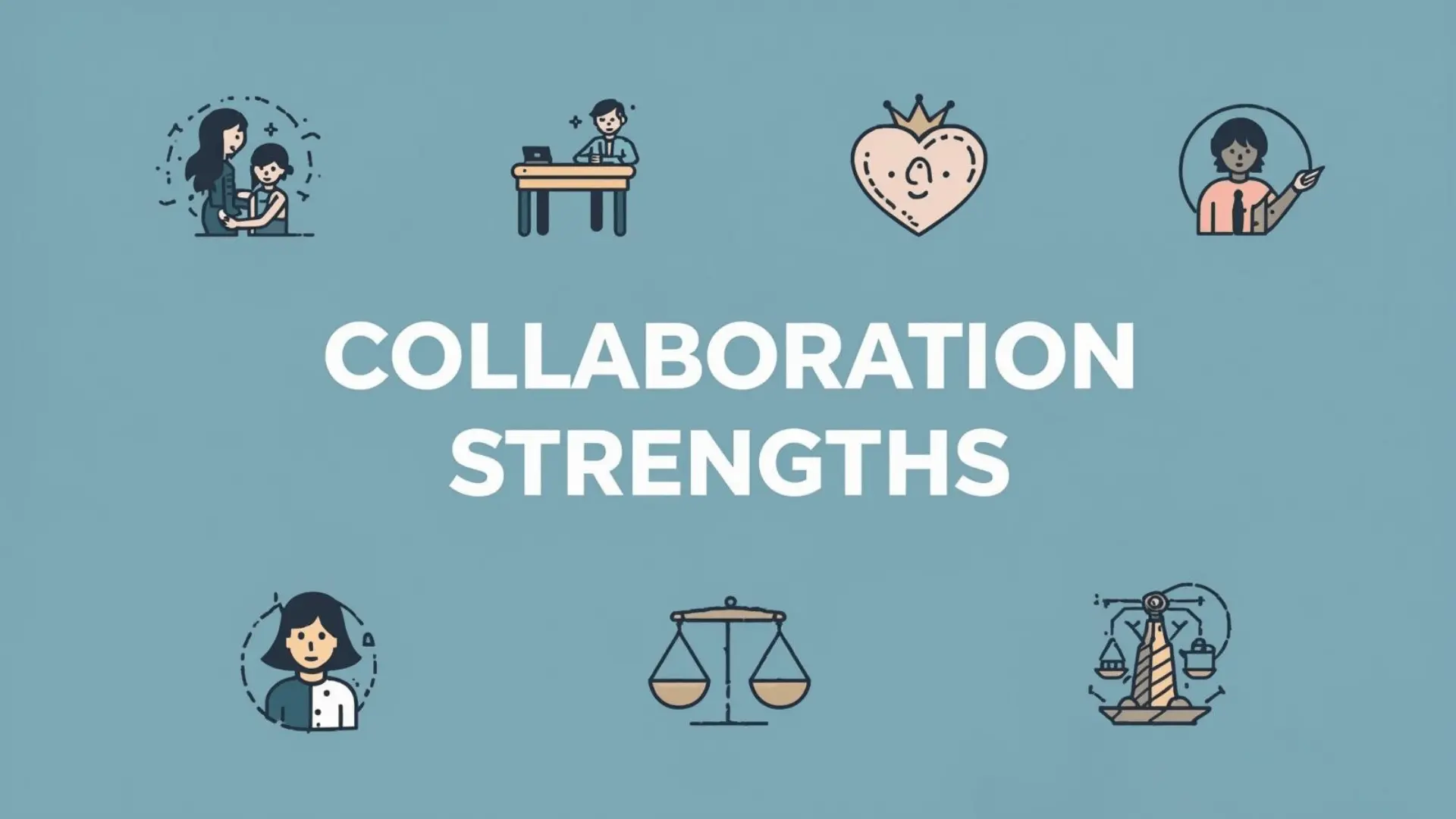
These academic strengths show up when you work with others. They are especially valuable in group projects, class discussions, and school leadership roles.
16. Teamwork & Collaboration: You work well with others, contribute fairly, and help the group stay on track.
17. Leadership: You take responsibility, guide others when needed, and keep a team moving toward its goals.
18. Empathy & Emotional Intelligence: You understand how others feel and respond thoughtfully and considerately.
19. Peer Mentoring: You help classmates understand difficult material, which also deepens your own understanding of it.
20. Conflict Resolution: You handle disagreements calmly and help groups find common ground without disrupting the work.
5. Creative & Technical Strengths
These examples of academic strengths cover both original thinking and practical skills. They are highly valued in subjects like art, technology, design, and science.
21. Creativity & Innovation: You come up with fresh ideas and approach assignments from angles others might not consider.
22. Coding / Technical Aptitude: You pick up technical tools and programming concepts quickly and apply them with confidence.
23. Visual / Spatial Thinking: You understand diagrams, maps, and visual data in a way that supports stronger comprehension.
24. Adaptability & Flexibility: You adjust well to new tasks, changing instructions, or unexpected challenges without losing focus.
25. Attention to Detail: You notice small errors and inconsistencies that others often miss in technical or creative work.
Understanding your academic strengths helps you study smarter, not just harder. When you recognize what you naturally do well, you can build strategies that boost confidence, improve performance, and support long-term success.
How To Identify Your Academic Strengths
Figuring out your academic strengths does not have to be complicated. These simple steps can help you spot what you are already good at.
- Review Your Best Grades and Feedback: Look at past report cards and teacher comments. Patterns in your best scores often point directly to your strongest academic areas.
- Notice Subjects that Feel Easier to Learn: Pay attention to what comes more easily. Subjects that come naturally to you are strong signals of where your academic strengths lie.
- Ask Teachers and Mentors: A teacher or mentor can see things you might miss. Their outside view often brings your academic strengths examples into clearer focus.
- Reflect on Projects You Enjoyed Most: Think about assignments that felt engaging, not draining. Enjoying a task is often a sign that you are working from a real strength.
- Take Academic Strengths Assessments: Online tools and school counselors can provide simple assessments. These can give you a clearer, more structured picture of where you stand.
Academic Strengths vs. Academic Weaknesses
Every student has both academic strengths and weak areas. Knowing the difference between the two helps you focus your efforts where they matter most.
| Aspect | Academic Strengths | Academic Weaknesses |
|---|---|---|
| Meaning | Skills and habits that help you learn and perform well. | Areas that make learning harder or slow down performance. |
| Impact On Results | Often improves grades, confidence, and consistency. | Can lower grades or create stress if not supported. |
| How do you notice it | Tasks feel clearer, faster, or more natural. | Tasks feel confusing, draining, or take longer. |
| Typical Signs | Quick understanding, strong recall, organized work, clear writing. | Frequent mistakes, procrastination, unclear answers, and poor time control. |
| Common Categories | Writing, problem-solving, research, focus, communication, and time management. | Gaps in basics, low focus, weak test skills, poor organization, and anxiety under pressure. |
| Stability | Can stay strong and also grow with practice. | Can improve with the right strategy and support. |
| Best Way To Use | Lean on them to study smarter and gain momentum. | Use strengths to support them and practice in small steps. |
| How To Improve | Stretch them with harder tasks and feedback. | Break into mini skills, practice regularly, and ask for feedback. |
| What Teachers Look For | Evidence of strong skills (clear work, participation, strong reasoning). | Growth effort and strategies to improve. |
| Quick Student Goal | Use 1 strength daily in study sessions. | Pick 1 weakness to work on for 2 weeks. |
How To Use Academic Strengths To Improve Grades

Knowing your academic strengths is just the first step. Putting them to work in the right way is what actually helps you get better results in school.
- Align Study Methods with Your Strengths: Match how you study to how you naturally learn for faster, less frustrating progress.
- Turn your academic strengths into competitive advantages: use examples to stand out in essays, tests, and group presentations.
- Choose Subjects that Match Your Skills: Picking subjects that fit your academic strengths gives you a better chance at consistent grades.
- Use Strengths to Compensate for Weak Areas: Strong skills in one area can make harder subjects feel more manageable and less overwhelming.
- Build Study Routines Around What Works Best for You: Small, consistent habits built around your strengths add up to real, steady improvement.
Common Mistakes Students Make with Academic Strengths
Many students have real academic strengths, but do not use them well. Knowing these common mistakes can help you get more out of what you already have.
- Many students spend all their energy trying to “fix” what they struggle with. While improvement is important, neglecting your strongest skills can limit your overall academic performance and confidence.
- Just because you’re naturally good at something doesn’t mean it will automatically grow. Academic strengths still require practice, refinement, and intentional use to stay sharp and competitive.
- Students often undervalue their own abilities because someone else seems “better.” Academic strengths are personal. Constantly comparing yourself can reduce motivation and self-belief.
- Relying too heavily on one skill (for example, always leading group projects or always working independently) can create an imbalance. Effective students know when to apply different strengths based on the task.
- Some students recognize their strengths but never align them with academic or career goals. When strengths are not tied to clear objectives, they are less likely to produce meaningful results.
Final Thoughts
Academic strengths are not just something to write about in a college application. They are real, practical tools that can change how you learn every single day.
Everything above covered what academic strengths are, how to spot them, and how to put them to work. From study habits to mindset, every student has something they are genuinely good at.
The key is to pay attention, be honest with yourself, and build on what already works for you.
Strong grades do not always come from studying more. Sometimes they come from studying smarter, using the academic strengths examples that best fit you.
So, what is one strength you have never given yourself credit for? Think about it, and then start using it.