


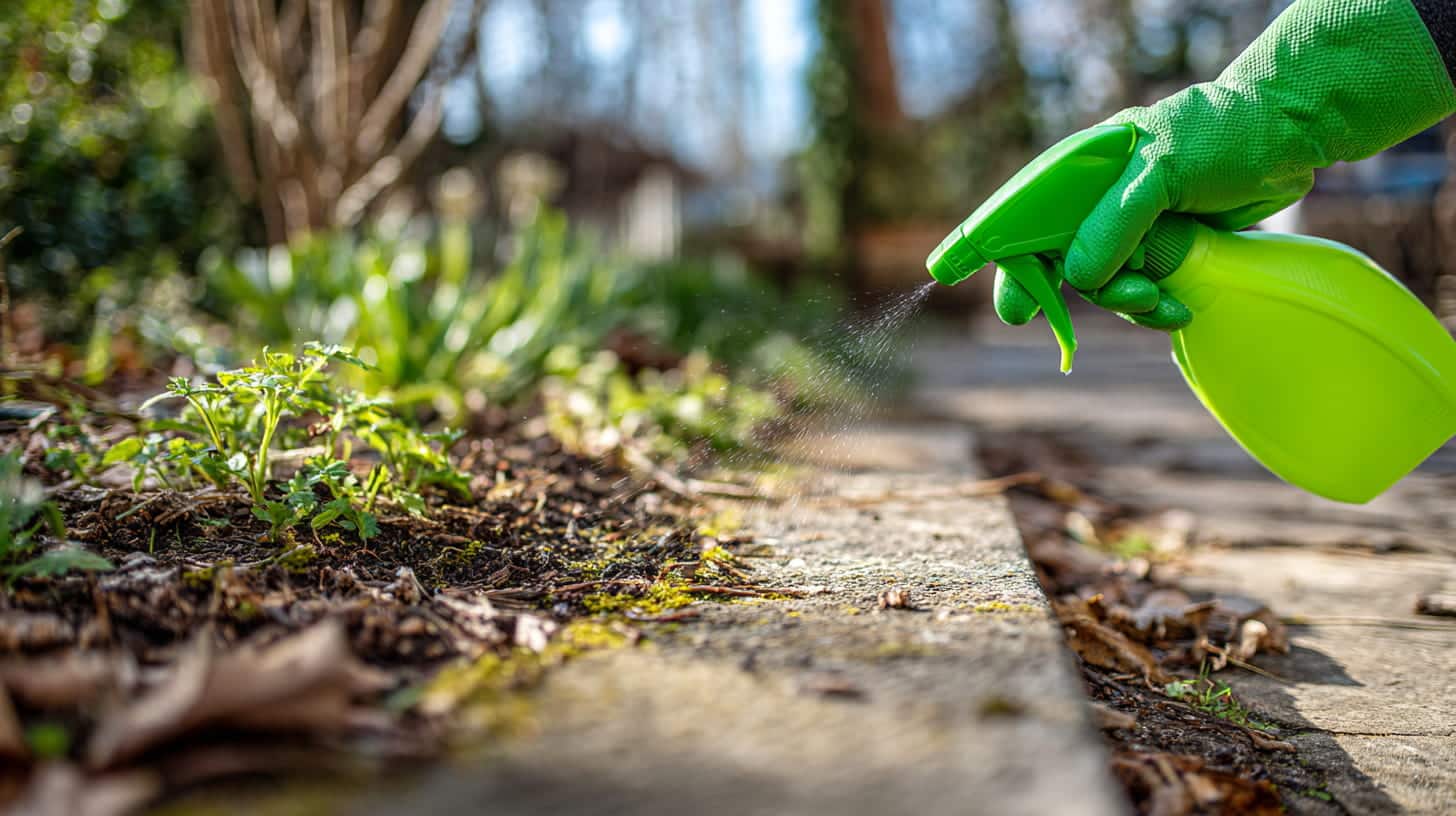
Weeds can quickly turn a well-kept yard into something that looks completely out of control. The sooner you treat them, the sooner things will look the way they should.
But even after applying an herbicide, there’s a waiting period before anything visible happens. So, how long does it take for weed killer to work? There’s no single answer that fits every situation.
The timeline depends on the type of product you use, the weed species you’re dealing with, its growth stage, and the conditions at the time of application.
Depending on the product and the weed, it could take anywhere from a few hours to a full month. Knowing what to expect saves frustration and stops the urge to reapply too soon, which is one of the most common mistakes people make.
What is a Weed Killer?
Weed killer, also called herbicide, is a product used to get rid of unwanted plants growing where they don’t belong. It can come in a spray bottle, a concentrate you mix with water, or even granules you spread across the lawn.
Some weed killers target specific plants, like broadleaf weeds, while leaving your grass untouched. Others kill just about everything green they come in contact with.
There are also products designed to stop weed seeds from sprouting before they ever become a problem. Each type works differently and serves a different purpose.
Picking the right one for the job makes a big difference in how fast you see results and how long those results last.
How Long Does It Take for Weed Killer to Work?
The answer depends on the type of product being used and the kind of weed it’s up against. Some products show results within hours, while others need weeks to fully finish the job. Here’s a quick look at what to expect from each type before getting started.
| Weed Killer Type | First Signs | Full Results |
|---|---|---|
| Contact Herbicide | A few hours to 2 days | 3-7 days |
| Systemic (e.g., Roundup) | 2-4 days(annual),7+days(perennials) | 1-3+ weeks |
| Selective / Lawn-Safe | 7-21 days | 4-6 weeks |
| Non-Selective | 7-14 days | 14-30 days |
| Pre-Emergent | No visible kill | Ongoing prevention |
| Natural Weed Killer | Hours to 1 day | 2-4 days |
| Fast Burn-Down (e.g., Spectracide) | Within hours | 3-5 days |
Factors That Affect How Fast Weed Killer Works
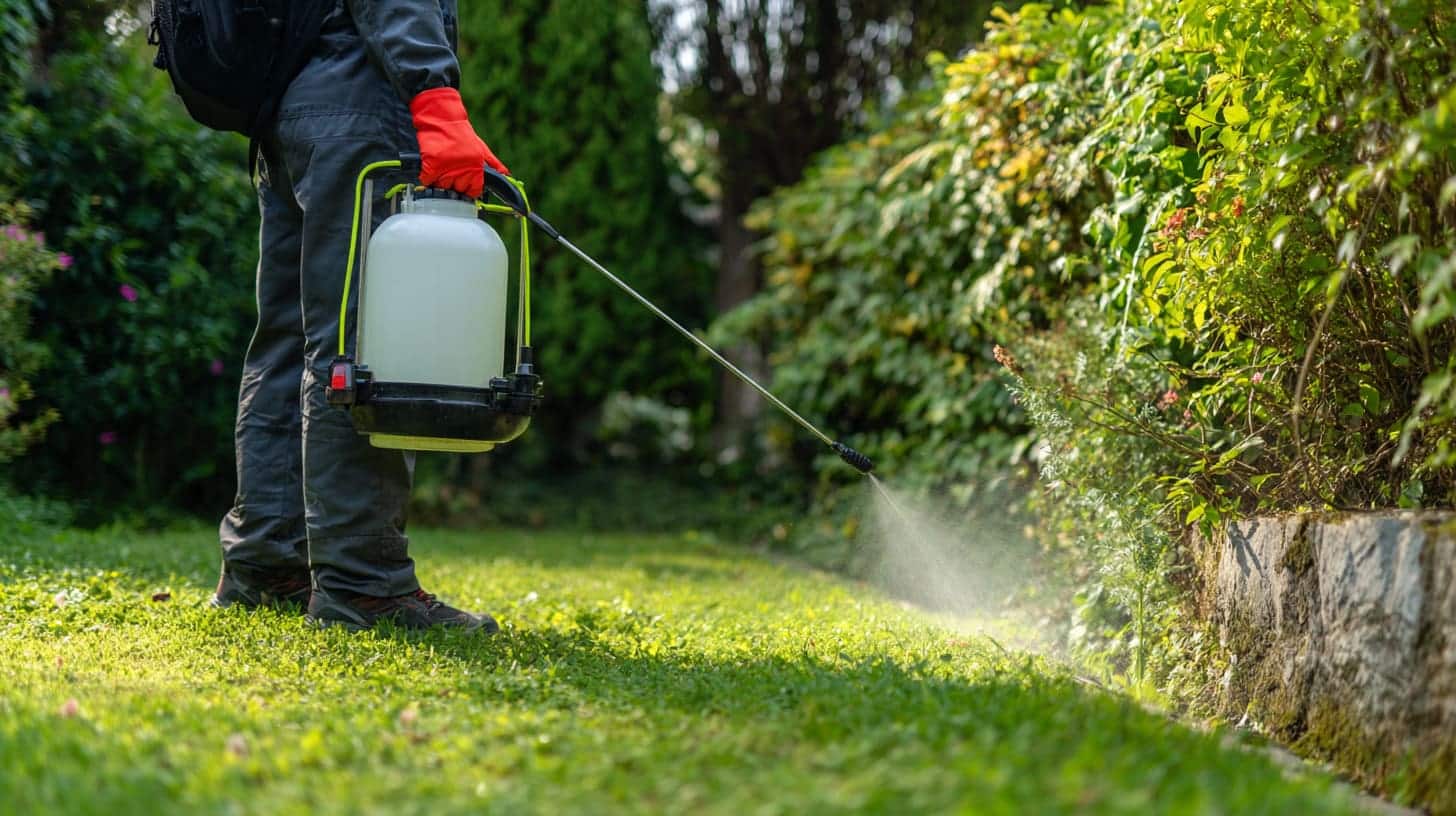
Buying the right product is only half the battle. How well it works also depends on the weed itself, the weather, and how it was applied. Even a good herbicide can underperform if one of these factors is off.
- Weed Type: Young annual weeds like dandelion seedlings have shallow roots and respond quickly. Mature perennials like bindweed have deep, stubborn root systems that take much longer to break down.
- Growth Stage: Actively growing weeds absorb herbicide faster than stressed ones. Treating during the peak growing season gives the product the best chance of working fully.
- Leaf Texture: Some weeds naturally resist liquid absorption, causing the herbicide to sit on the surface. Adding a surfactant helps the product stick and penetrate the leaf properly.
- Weather: Warm days between 65–85°F with low wind and no rain forecast are ideal. Cold below 50°F slows performance, and extreme heat above 90°F can reduce effectiveness.
- Rain Window: Most labels list a rainfast window — the dry time needed before rain won’t wash the product away. Roundup needs 30 minutes to 2 hours; some systemics need up to 6. Always check the label.
- Application: Systemic herbicides need solid leaf contact, while contact herbicides require even, full coverage. Too much product causes runoff, reducing absorption and wasting product.
Some ester-based selective herbicides can volatilize (turn into a gas and drift) at temperatures as low as 80°F, potentially damaging non-target plants.
Types of Weed Killers
Different weed killers work in very different ways. Picking the right one for the specific weed problem at hand is what determines how fast and how well it works.
1. Contact Herbicides
Contact herbicides damage plant tissue the moment they touch it. They don’t move inside the plant or travel to the roots. Think of them as a surface-level burn that takes out whatever they hit directly.
- How they work: Destroy leaf and stem tissue on direct contact
- Best for: Annual weeds, moss, weeds in pavement cracks, and driveways
- Timeline: First signs within hours, full results in 3 to 7 days
- Pro tip: Full leaf coverage is a must. Any missed spots mean surviving tissue that can regrow.
2. Systemic Herbicides
Systemic herbicides like Roundup are absorbed through the leaves and travel through the entire plant, all the way down to the root system. The kill is slow but thorough, which makes them the better option for stubborn or deep-rooted weeds.
- How they work: Move through the plant’s vascular system to kill roots and all
- Best for: Perennial weeds, deep-rooted plants, tough repeat offenders
- Timeline: First signs at 7 to 14 days, full kill at 14 to 30 days
- Pro tip: Apply when weeds are actively growing. Dormant or stressed weeds absorb far less product.
3. Selective Herbicides
Selective herbicides target specific weed types, usually broadleaf weeds, without harming the surrounding grass. They’re the go-to choice for treating a weedy lawn without damaging the turf itself.
- How they work: Trigger uncontrolled growth in broadleaf weeds while leaving grass unaffected
- Best for: Dandelions, clover, and other broadleaf weeds growing in lawns
- Timeline: First signs in 7 to 21 days, full results up to 4 to 6 weeks
- Pro tip: One good application in the right conditions can protect the lawn for an entire season.
4. Non-Selective Herbicides
Non-selective herbicides kill just about any plant they come into contact with, including grass, flowers, and shrubs. These are powerful products that need to be used carefully and only in the right spots.
- How they work: Disrupt key growth enzymes in all plant types without discrimination
- Best for: Driveways, gravel areas, fence lines, and total vegetation clearance
- Timeline: First signs in 7 to 14 days, full results in 14 to 30 days
- Pro tip: Use a directed applicator to avoid accidentally hitting nearby plants you want to keep.
5. Natural Weed Killers
Natural weed killers use everyday ingredients like vinegar, salt, or citric acid to kill weeds without synthetic chemicals. They’re a popular choice for people who want to avoid harsh products around kids, pets, or food gardens. Results vary depending on the weed and the method of application.
- How they work: Burn or dehydrate plant tissue on contact using acidic or desiccant ingredients
- Best for: Small annual weeds, weeds in cracks, and low-risk areas near edible plants
- Timeline: First signs within hours to 1 day, full surface results in 2 to 4 days
- Pro tip: Natural options rarely kill the root, so regrowth is common. Repeat applications are usually needed for stubborn or established weeds.
Different types of weed killers work in different ways, which directly affects how fast you’ll see results. Understanding the type you’re using helps set the right expectations and ensures you choose the most effective solution for your specific weed problem.
Signs that The Weed Killer Is Working
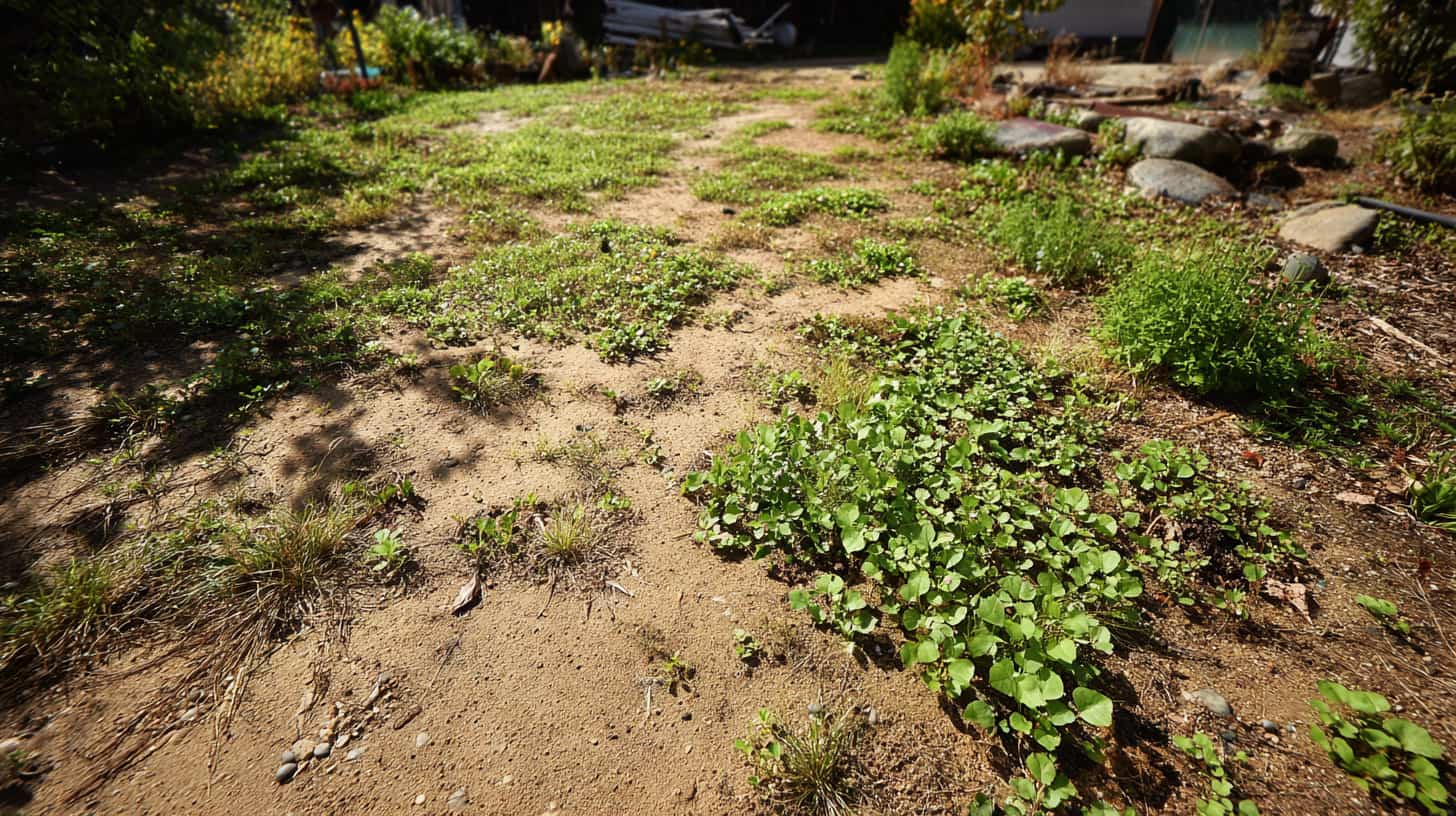
After spraying, it’s easy to second-guess whether anything is actually happening. But there are clear signs to look for at each stage. Knowing what normal progress looks like helps avoid the urge to panic and respray before the product has had a fair chance to do its job.
Early signs (hours to a few days):
- Leaves start to curl or cup slightly
- Light yellow or brown discoloration at leaf edges
- Stems begin to droop or wilt
Later signs (days to weeks):
- Full yellowing and browning across all foliage
- The whole plant collapses and falls flat
- Roots become dry and brittle when pulled
No signs at all after two full weeks following a proper application? That’s the time to reassess, not just grab the spray bottle again.
Signs that The Weed Killer Isn’t Working (And What To Do)
Weed killer can fail for several reasons, and most of them have nothing to do with the product itself. Before reapplying or switching products, it’s worth figuring out what went wrong the first time.
| Reason | What To Do |
|---|---|
| Wrong product for the weed type | Match the herbicide to the weed: selective for broadleaf, systemic for deep-rooted perennials |
| Bad weather conditions | Reapply on a warm, dry day with no rain forecast for at least 24 hours |
| Not enough leaf coverage | Spray evenly across the full leaf surface without letting the product run off |
| Weeds were dormant | Treat when weeds are actively growing; spring and fall are the best windows |
When to reapply: If no visible change appears after the full label window, check the weed type first. Then consider a second application or a different product class altogether.
How Long Does Weed Killer Last?
How long a weed killer stays effective depends mostly on the type of product and the weed being treated. Contact herbicides have no residual effect.
Once the treated plant tissue dies, the product is done. Weeds can sprout again from surviving roots or nearby seeds. Systemic herbicides last longer because they kill the roots, reducing the chance of regrowth from the same plant.
Selective and pre-emergent herbicides offer the longest protection, with some providing season-long coverage from a single application. Weather, soil type, and how heavily an area gets watered can all affect how long residual products stay active.
The bottom line is that weed control is not a one-time fix. Regular treatments throughout the season keep a lawn looking clean and weed-free in the long run.
How Long to Stay Off the Lawn After Weed Killer Application
Most product labels recommend staying off treated areas until the spray has fully dried, which usually takes a few hours depending on temperature and humidity.
For standard contact and systemic herbicides, that drying window is often enough for general foot traffic. The EPA-approved labels for most residential herbicides state the area is safe for re-entry as soon as the spray has dried (usually 2–4 hours).
Some products, particularly those with residual or pre-emergent ingredients, may have longer re-entry intervals listed on the label. These instructions exist for good reason and are worth following.
The safest approach is always to read the specific product label before application, note the recommended wait time, and stick to it. When in doubt, waiting an extra day costs nothing and removes all guesswork.
When to Call a Professional
Most common weed problems can be handled with the right over-the-counter product and a bit of patience. But there are situations where calling in a lawn care professional makes more sense than continuing to spray and wait.
If the same weeds keep coming back season after season despite multiple treatments, it’s a sign that something deeper is at play, whether it’s the wrong product, a resistant weed variety, or an underlying lawn health issue.
Large infestations covering most of the lawn are also harder to treat effectively without professional-grade equipment and commercial herbicides.
Weeds growing near water features, vegetable gardens, or areas with sensitive plants add another layer of risk that professionals are better equipped to handle safely.
A professional can also accurately identify weed types, which makes a big difference in choosing the right treatment plan from the start.
Tips to Make Weed Killer Work Faster and More Effectively
Getting better results from weed killer isn’t just about what product is used. When it’s applied, how it’s applied, and what happens right after all play a role. These tips help get the most out of every application.
- Spray in the Morning on a Warm, Calm Day: Mid-morning on a day between 65 and 85°F with low wind is the best time to spray. Weeds are actively growing, conditions help absorption, and there’s less risk of spray drifting onto nearby plants.
- Check the Forecast Before Spraying: Rain within a few hours of application can wash the product off before it absorbs. Always check that rain isn’t expected for at least 24 hours, and confirm the rainfast window on the specific product label.
- Mow Before Spraying, Not After: Mowing a few days before spraying gives weeds enough leaf surface to absorb the product properly. Mowing after removes treated foliage before the herbicide has had time to move through the plant.
- Use Even, Full Coverage Without Overdoing It: Coat the entire leaf surface of each weed without letting the product drip or run off. Too much causes runoff, which reduces absorption.
- Add a Surfactant for Waxy or Stubborn Weeds: Weeds with thick or waxy leaves resist absorption. A surfactant mixed into the spray helps the product stick to the leaf surface and soak in more effectively, resulting in better overall results.
- Match the Product to the Weed: Using the wrong product is one of the most common reasons weed killers fail. A contact herbicide won’t kill deep-rooted perennials. A selective herbicide won’t touch grass weeds.
Conclusion
Waiting on weed killer can feel frustrating, especially when your yard still looks like a jungle. But now you know what to expect.
So, how long does it take for weed killer to work? It depends on the type you use, the weather, and the weeds you’re dealing with.
Contact killers act fast, sometimes within hours. Systemic ones take longer, but they go deeper. And that’s what makes them worth the wait.
You don’t have to guess anymore. You’ve got the knowledge to pick the right product and use it the right way. Ready to take back your yard? Start today and let the right weed killer do the heavy lifting for you.
FAQs
Is it Better to Spray Weed Killer Wet or Dry?
Spray on dry foliage. Wet leaves dilute the product and reduce absorption. Wait at least 24 hours after rain before applying for the best results.
How Long Before Rain, Watering, Or Irrigation?
If you used a post-emergent herbicide, wait until the label’s rainfast time has passed. If you used a pre-emergent herbicide, you usually should water it in because it needs moisture to move into the soil and start working, often within 24 hours.
When Can I Mow After Spraying?
In most cases, wait 24–48 hours after spraying before mowing, as the herbicide needs time on the leaf surface to absorb and work. If the label gives a different mowing window, follow the label.
When Can I Seed Or Overseed After Herbicide?
You should seed or overseed only after the waiting period on the label because the safe timing depends on the active ingredient.