


Screens are everywhere, on phones, tablets, TVs, and even in schoolwork, and after years of parenting, it’s impossible not to notice how much they shape daily life.
Between sleepless nights, toddler tantrums, and more doubts than anyone admits, creating screen time rules for kids became part of survival, not just parenting.
I never wanted to remove devices; I only wanted to help children use them in healthy, smart ways. Small steps, simple limits, screen-free moments, and better content started to change everything.
Real-life chaos proved one thing: balance matters more than perfection.
With the right habits, screens can fit into family routines without taking over them, and on hard days, it helps to remember you’re doing better than you think.
What Healthy Screen Time Looks Like?
After years of parenting, through sleepless nights, big emotions, and plenty of second-guessing, I’ve learned that healthy screen time starts with understanding balance at each age.
Younger kids truly need very little screen use, while older ones need structure and clear times.
In our home, that meant moving away from doomscrolling and sticking to short, planned screen time. Real life taught me what experts also say: screens should never replace outdoor play, sleep, or family time.
Educational content can help, but it can’t replace real laughter, long talks, and everyday moments together. What works best for us is a simple rhythm: screens as one part of the day, not the whole day.
Practical Screen Time Rules For Kids
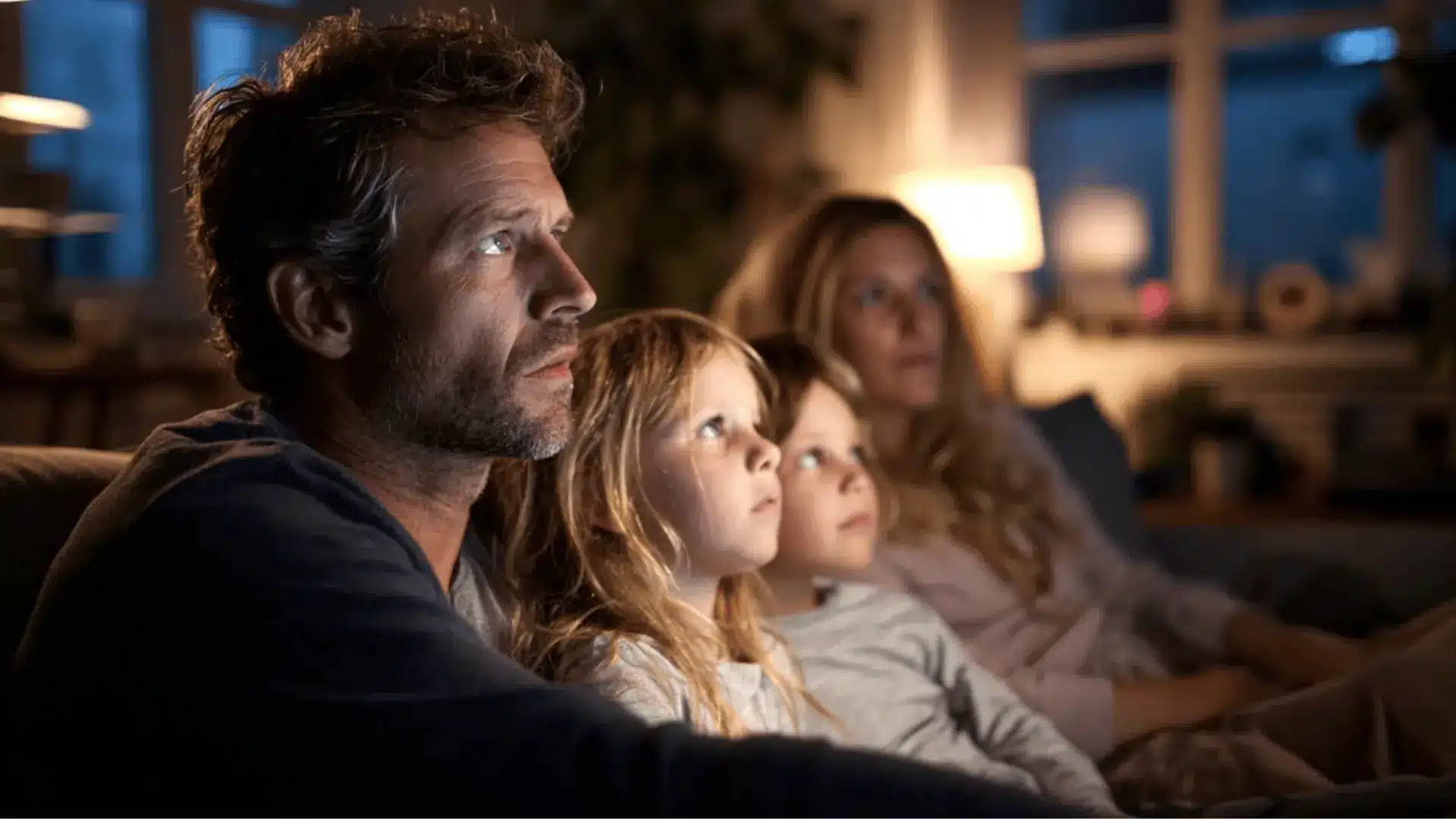
Setting rules never felt natural at first. I learned that the best screen habits don’t come from strict control. They grow from simple routines that real families can actually follow.
No perfect moments, no fake calm, just small systems that make life easier.
1. Set Clear Daily Limits
Having fixed screen hours has made rules easier in our home. Simple routines like “screens after homework” or “no screens after dinner” reduce arguments and confusion.
My kid handles limits better when she knows exactly what to expect. Predictable rules create safety and structure, so screen time feels normal rather than a daily battle.
2. Create Screen-Free Zones & Times
Rules like “no screens at the table” or “no devices in bedrooms” have helped protect sleep and family connection.
These don’t feel strict; they’ve become small family habits, like talking at dinner, reading before bed, and sharing stories at night. These moments bring real connection and give everyone a break from screens.
3. Make A Family Media Plan Together
Creating a simple chart or agreement with kids about when and how they use screens builds trust. When children help set the rules, they respect them more.
This shared planning has taught my kids responsibility and fairness. It feels less like control and more like teamwork, which makes it easier to follow the rules at my home.
4. Prioritise Quality Over Quantity
Not all screen time is the same. Choosing apps, games, and shows that teach skills, spark creativity, or support learning makes screen time more meaningful.
This helps move away from doom scrolling and toward content that adds value to a child’s day. Better content leads to better habits.
5. Use Screens As A Reward, Not A Routine
When screen time is treated as something earned after homework, chores, or play, it feels special rather than automatic.
This builds better habits and teaches kids that screens are part of life, not the center of it. This change has encouraged my kid to take responsibility and put effort into things before entertainment.
Screen Time Guidelines by Age
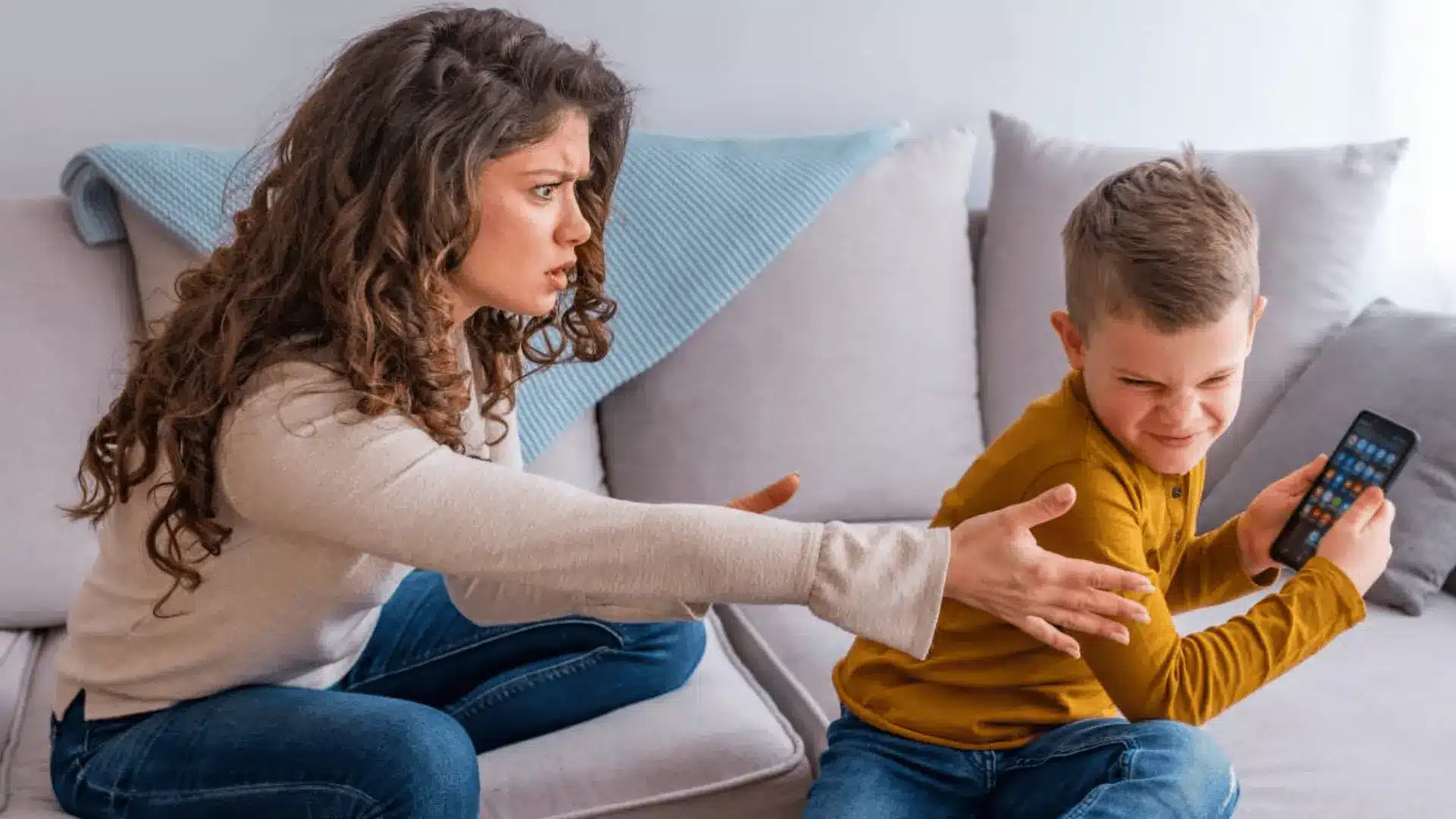
Every age brings different needs and limits when it comes to screens.
Over the years of parenting (and plenty of trial and error), I’ve learned that following expert-backed age ranges helps keep screen habits healthy and balanced for kids of every stage.
1. Infants & Toddlers (0–2 years)
Experts strongly recommend no screen time at all for babies under 18–24 months, except for video chatting with loved ones when a parent is present. Very young brains grow best through real-life interaction, touch, voices, play, and movement.
In my view, babies don’t need screens to stay calm or busy. Simple things like talking, singing, floor play, and eye contact support healthy growth far better than any video ever could.
2. Preschoolers (2–5 years)
For ages 2 to 5, most guidelines suggest no more than about one hour per day of high-quality, educational screen content. This time works best when adults watch with them and talk about what’s on the screen.
I’ve seen how shared screen time becomes a learning moment instead of passive watching. It also helps kids connect what they see on screens to real-life play, stories, and conversations.
3. School-Age Kids (6–12 years)
Once children reach elementary school, the focus shifts from strict time limits to balance. Screens should not replace sleep, outdoor play, family time, or schoolwork.
Many families find that 1 to 2 hours of recreational screen time works well when daily needs are met first. It came to my notice that when routines come first, screens naturally fall into place instead of taking over the day.
4. Teens (13+ years)
Teens don’t need one strict rule for screen time. What matters more is guidance, trust, and open talks about balance. Screens should fit around school, sleep, mental health, and social life, not replace them.
Instead of counting minutes, families often focus on habits, responsibility, and healthy choices. When teens feel trusted and supported, they learn to manage screens in ways that work for real life.
How To Make Rules Stick Without Daily Battles
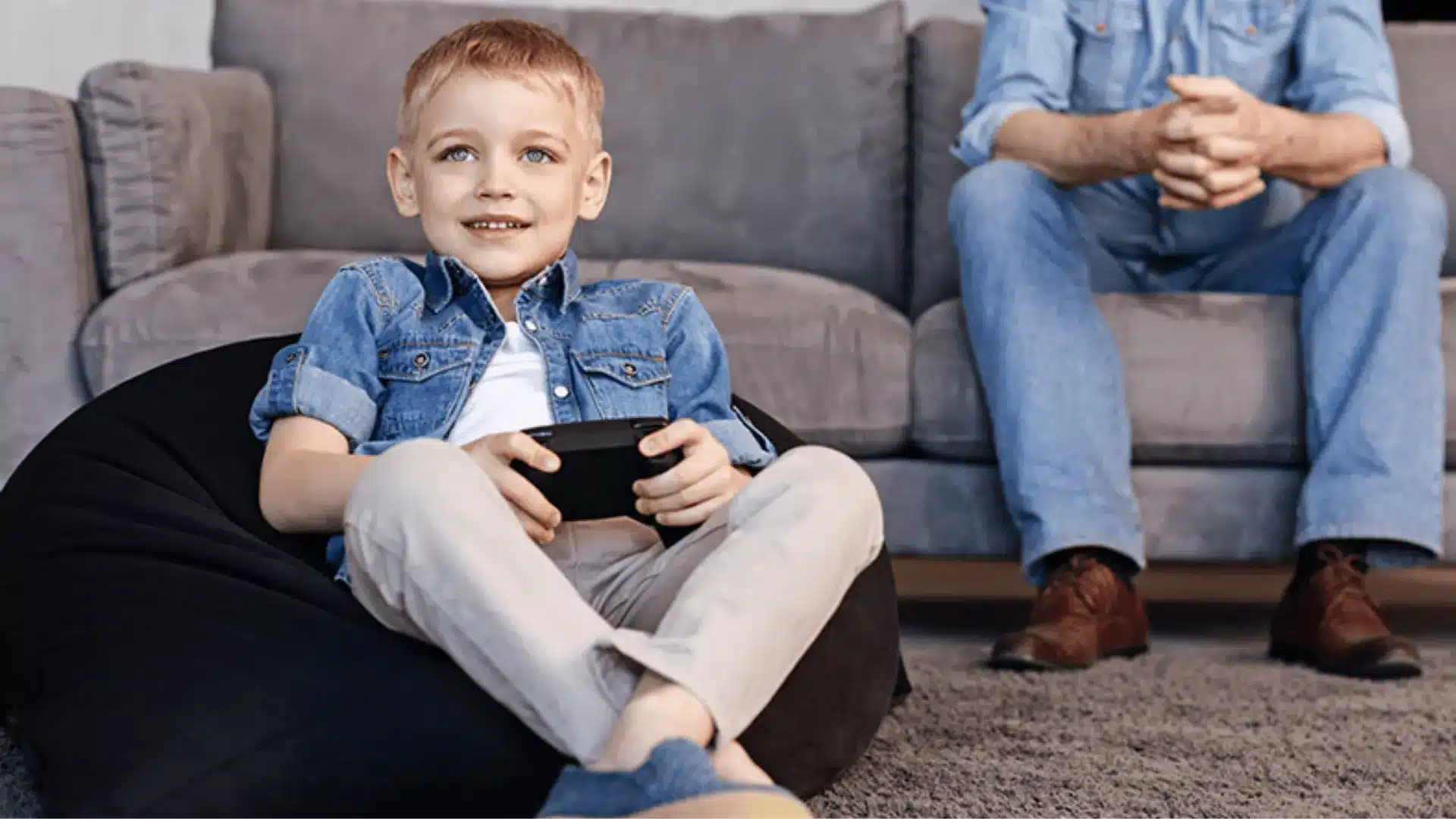
Making screen rules work without daily stress is all about support, not control. I would say that built-in timers and parental controls can act as quiet helpers.
They end screen time without turning parents into the “bad guy,” and that alone changed the mood of our evenings.
Sticking to the plan builds trust and clarifies expectations, but allowing flexibility for special days, holidays, or family movie nights keeps things peaceful and realistic.
Explaining why the rules exist made a bigger difference than the rules themselves.
Kids respond better when they understand that limits protect sleep, support play, and create more family time. And when rules come from care, not control, they become habits rather than daily battles.
How To Tell If Screen Time Is Becoming A Problem
Sometimes the signs show up quietly, and other times they feel loud and overwhelming. Over the years, it has become easier for me to spot when screens stop being helpful and start getting in the way of daily life.
- Big Mood Changes When Screens Turn Off: anger, tears, or strong reactions every time screen time ends
- Sleep Struggles: trouble falling asleep or waking up tired after screen-heavy evenings
- Loss of Interest in Play: choosing screens over toys, friends, or outdoor fun
- Constantly Asking for Screens: screens are becoming the main focus of the day
- Focus Problems: trouble paying attention to schoolwork or simple tasks
Noticing these signs doesn’t mean failure; it means awareness. Small changes, gentle limits, and better routines can shift things back into balance.
Fun Screen-Free Activities To Try Instead

Sometimes, kids just need fun options to forget about screens. Here are some of my most recommended simple activities that can bring joy, laughter, and connection back into everyday routines.
- Outdoor Play: Bike rides, tag, or a simple walk around the block help kids move and relax naturally.
- Board Games & Puzzles: These build focus, patience, and teamwork while keeping everyone engaged.
- Reading Together: Story time creates calm moments and strong bonds at the same time.
- Arts and Crafts: Drawing, painting, or DIY projects spark creativity and confidence.
- Family Dance Breaks: Music and movement turn any room into an energy-boosting fun zone.
- Kitchen Time: Cooking or baking together teaches skills and builds connection.
Small moments like these make screen-free time feel fun, not forced. When kids enjoy activities that replace screen time, it becomes easier for the whole family to balance.
Final Thoughts
Balance didn’t happen overnight in our home; it grew through small, steady choices made on tired days and hopeful ones.
Building screen time rules for kids has never been about creating a perfect system. It’s been a slow, real process of learning, adjusting, and trying again.
After years of parenting through sleepless nights, tantrums, doubts, and moments no one posts online, simple habits and gentle routines slowly changed things.
Clear limits helped create healthier screen time rules that support learning, rest, and real connection.
Some days feel easy, others take more patience, and that’s just real life. What matters most is making space for both digital fun and real-world joy.
Screens and play don’t have to compete; they can grow together. Start small, stay kind to yourself, and keep going.