


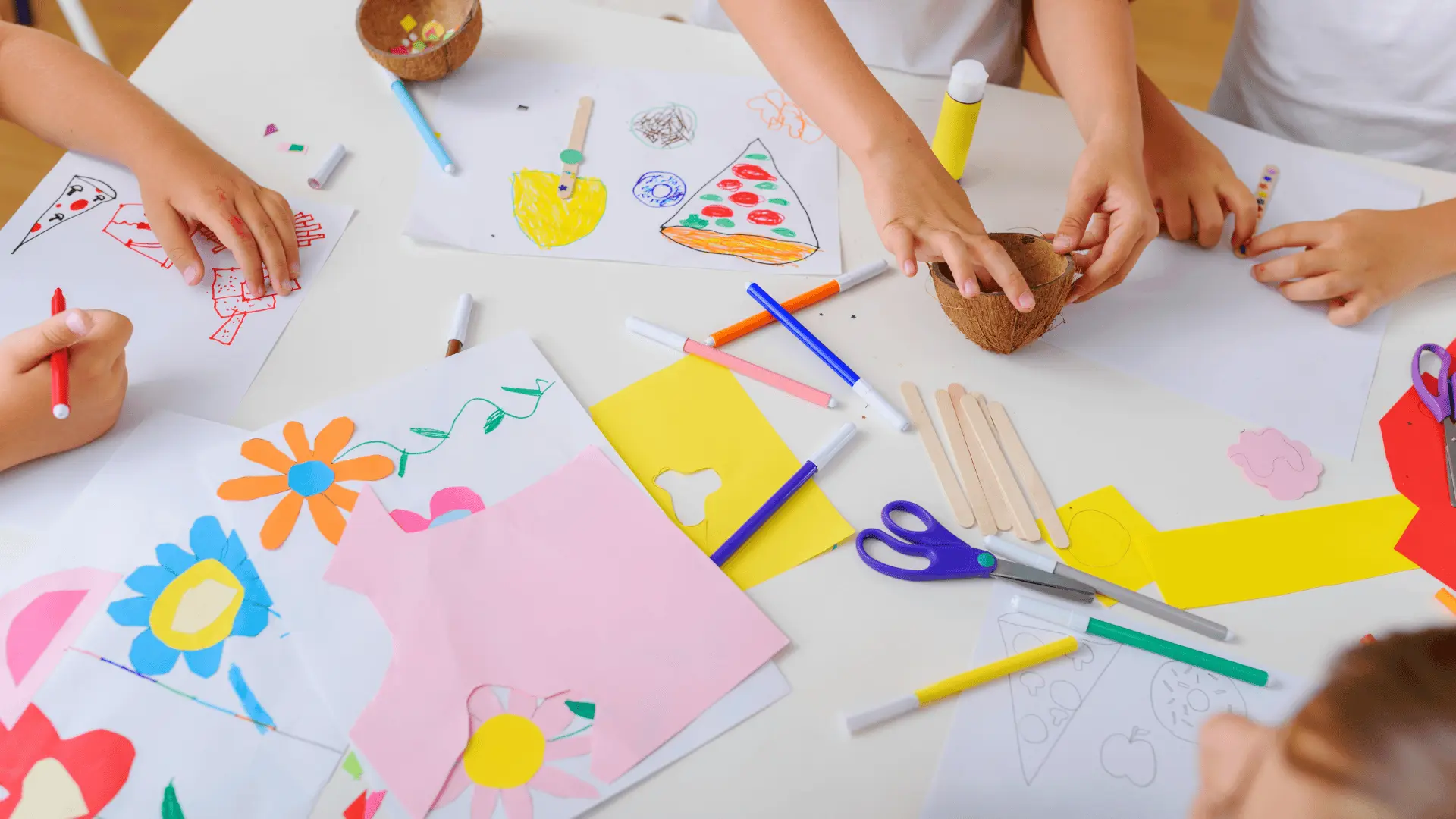
One minute, everything is fine. Next, your child is on the floor crying because their sandwich was cut into triangles instead of squares.
It’s not defiance. It’s not bad parenting. It’s a brain that hasn’t yet learned how to handle big emotions, and that’s actually something you can help with. Emotional regulation is a skill, not a personality trait.
Kids learn it the same way they learn anything else: through repetition, practice, and the right activities for their age.
These emotional regulation activities for kids cover all ages, with hands-on games, worksheets, and exercises that can genuinely make a difference.
What Is Emotional Regulation in Children?
Emotional regulation is the ability to recognize, understand, and manage feelings in healthy ways.
It means a child can feel angry without hitting, or feel nervous without shutting down.
Here’s the thing: it’s not something kids are born knowing how to do. It’s a skill they learn over time, with the right tools and support.
Part of the reason it takes time is biology. The prefrontal cortex, the part of the brain that controls impulse and decision-making, is still developing well into the teenage years.
It’s also worth noting: emotional regulation and self-regulation aren’t the same.
Self-regulation also covers behavior and attention. Emotional regulation focuses specifically on feelings.
Why Emotional Regulation Activities for Kids Even Matter?
The benefits of emotional regulation for children extend well beyond improved behavior. Here’s what the research shows:
- Better Focus in School: Kids who can manage emotions stay on task longer and handle frustration without giving up on challenging work.
- Stronger Friendships: Children with good emotional skills are better at sharing, taking turns, and working through disagreements without losing their temper.
- Improved Mental Health: Learning to process emotions early reduces the risk of anxiety, depression, and stress-related struggles later in life.
- Fewer Behavior Problems: Without these skills, kids are more likely to act out, have frequent meltdowns, or eventually turn to risky behaviors.
According to the Harvard Center on the Developing Child, the early years are a critical window for building these key skills.
The brain is most adaptable when children are young. That’s exactly why emotional regulation activities work so well. Start early, practice often, and the results tend to stick.
Signs Your Child May Struggle With Emotional Regulation
All kids have tough moments. But some signs point to something more than a bad day.
Watch for these patterns:
- Meltdowns that seem too intense or too frequent for their age
- Trouble bouncing back after disappointment or small setbacks
- Aggression, defiance, or completely shutting down when overwhelmed
If these happen regularly, your child may need more support building emotional skills.
What’s Normal vs. What to Watch For
- Ages 2-4: Tantrums are normal. Daily meltdowns that last over 30 minutes are worth noting.
- Ages 5-7: Some outbursts are expected. Aggression toward others or an inability to calm down at school are signs to watch for.
- Ages 8-12: Occasional emotional struggles are normal. Frequent shutdowns, defiance, or withdrawal from friends may signal dysregulation.
Emotional Regulation Activities for Toddlers and Preschoolers (Ages 2-5)
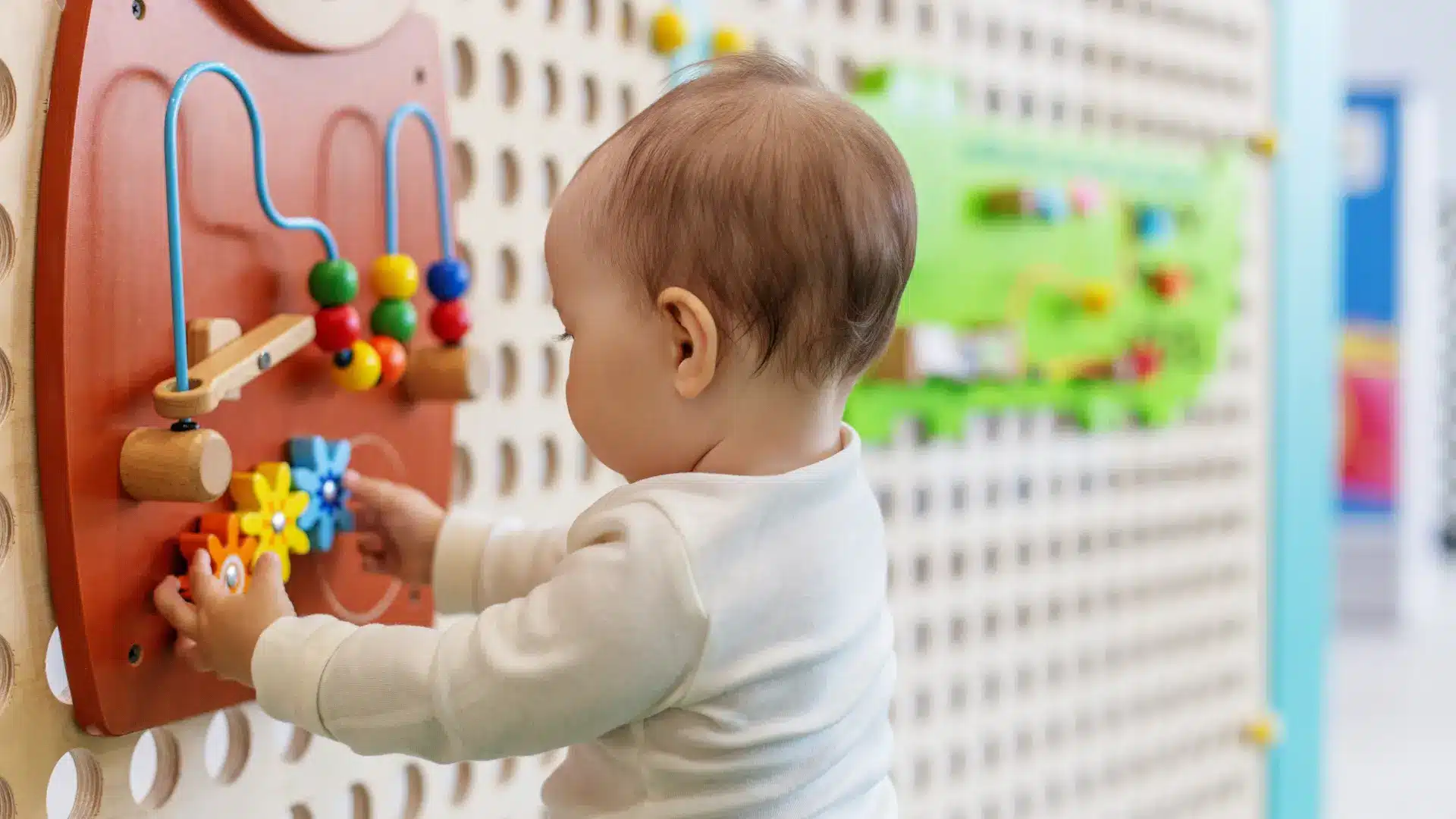
Toddlers and preschoolers are just beginning to understand emotions. These activities keep things simple, playful, and age-appropriate, so learning feels natural rather than forced.
1. Emotion Sorting Cards
Print or draw simple faces showing happy, sad, angry, and scared. Have your child sort them into groups.
This builds emotional vocabulary in a low-pressure, playful way. When kids can name a feeling, they’re better equipped to handle it. Try adding new emotions as their vocabulary grows.
2. Feelings Faces Mirror Game
Sit together in front of a mirror and take turns making emotional faces. Name each one out loud.
This helps toddlers connect what they feel inside with what they see on the outside. It also makes emotions feel safe to explore and express together.
3. Belly Breathing (Balloon Breath)
Ask your child to breathe in slowly while raising their arms out like a balloon inflating. Then exhale as the arms come back down.
It’s visual, simple, and easy for young kids to follow. Even toddlers can learn this as a reliable calming tool over time.
4. Animal Movement Breaks
When emotions run high, try stomping like elephants, hopping like bunnies, or slithering like snakes across the floor.
Physical movement helps release built-up tension in the body. It also gives kids a healthy outlet before emotions tip into a full meltdown. Keep it lighthearted.
5. Emotions Color Wheel
Create a simple wheel where each color represents a feeling. Red for angry, blue for sad, yellow for happy, green for calm.
For kids who can’t yet find the words, pointing to a color is a powerful first step toward communicating how they feel inside.
Emotional Regulation Activities for Elementary Kids (Ages 6-10)
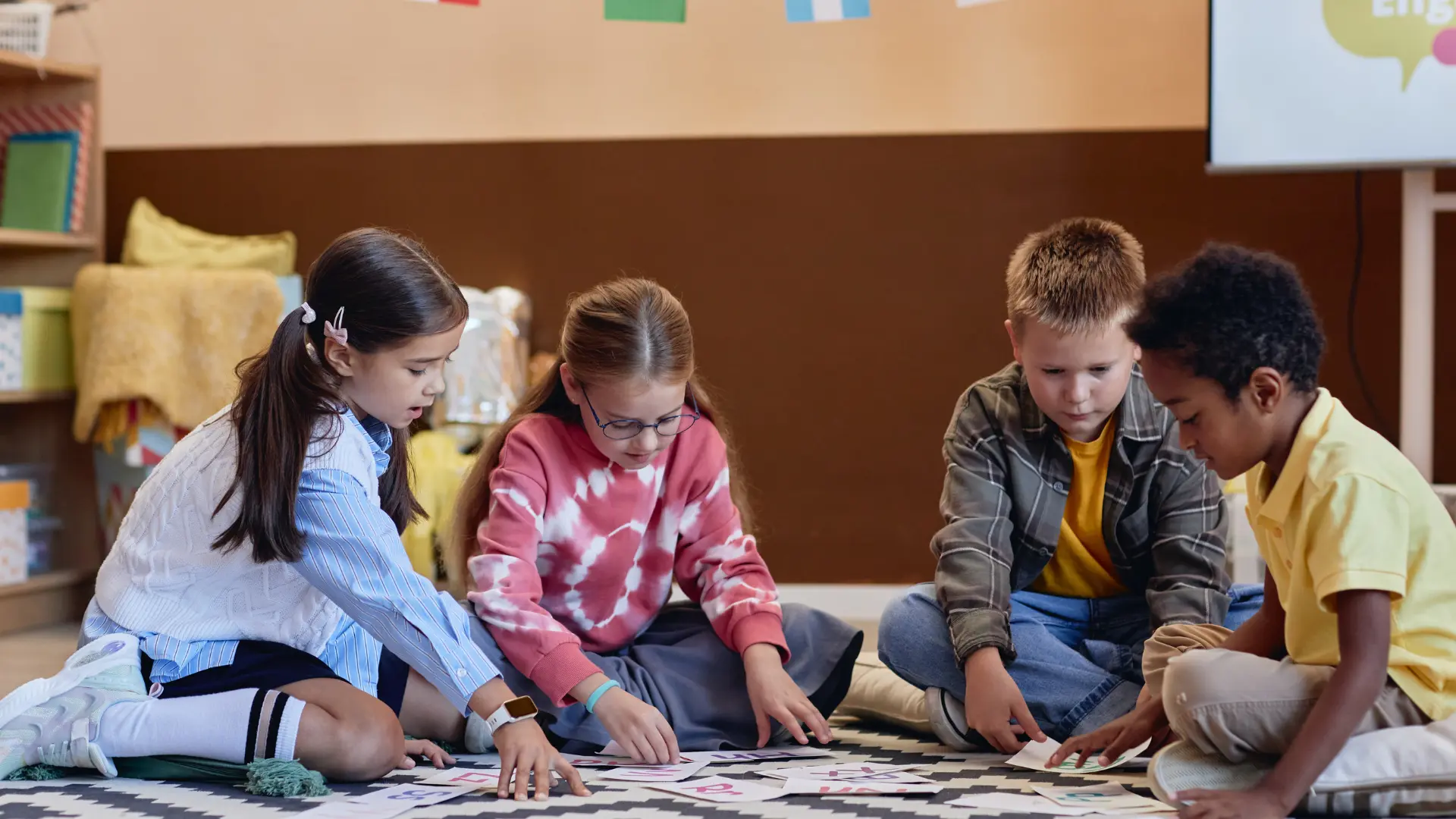
Elementary kids can handle more reflection than toddlers. These activities build self-awareness, empathy, and calming skills in ways that still feel engaging and age-appropriate.
6. Daily Emotion Check-In Journal
Each morning, have your child write or draw their current emotion and what might have caused it.
This simple habit builds self-awareness over time. When kids regularly check in with how they feel, they get better at catching big emotions before they take over. A few minutes is enough.
7. The 5-4-3-2-1 Grounding Exercise
When a child feels overwhelmed, guide them through naming 5 things they see, 4 they hear, 3 they can touch, 2 they smell, and 1 they taste.
This pulls their attention back to the present moment. It’s one of the most effective mindfulness resets for kids who spiral into anxiety or anger quickly.
8. Feelings Storytelling Prompts
Give your child a prompt like: “Draw a character who feels angry. What happened? What did they do next?”
Storytelling creates distance from personal emotions, making them easier to explore. It also builds empathy by helping kids think through how feelings lead to actions and consequences.
9. Progressive Muscle Relaxation
Have your child squeeze their fists or shoulders as tight as they can, hold for a few seconds, then slowly release.
This teaches them to notice the difference between tension and calm in their own body. Once they can feel that difference, they have a real tool to use when stress builds.
10. Emotion Collage
Gather old magazines, stickers, and drawing supplies. Ask your child to create a collage that shows different feelings using images, colors, and textures.
This works especially well for visual learners who struggle to put emotions into words. It also opens up natural conversations about what they chose and why.
11. Red Light, Green Light (Emotional Edition)
Play the classic game with a twist. Add a yellow light that means pause and take a breath before moving or stopping.
This sneaks impulse control practice into something fun. Kids learn to notice the moment between feeling an urge and acting on it, a key skill in emotional regulation.
12. Bug and a Wish Communication Tool
Teach your child to say: “It bugs me when ___. I wish you would ___.”
This simple script turns frustration into words instead of actions. It gives kids a structured way to express what bothers them while practicing calm, direct communication. Works well at home and at school.
Emotional Regulation Activities for Teens and Older Kids (Ages 11-13)

Tweens need strategies that feel mature, not childish. These activities build real self-awareness and coping skills that carry into high school and beyond.
13. Emotion Journaling with Prompts
Use structured prompts: “What triggered this feeling? What did my body feel? What did I do? What could I do next time?”
This kind of reflection gradually builds emotional intelligence. It also helps tweens recognize patterns in their reactions, making it easier to respond differently the next time a trigger arises.
14. Cognitive Reframing Exercise
Help your child identify a negative thought, challenge whether it’s actually true, then rewrite it in a more balanced way.
For example: “I always mess up” becomes “I made a mistake this time,” but I can try again. This builds resilience thinking without dismissing how they feel.
15. Mindful Walking or Body Scan
After a stressful day, invite your child to take a slow walk while paying attention to their breath and what they notice around them.
A body scan works similarly: lie down and mentally check in with each body part from head to toe. Both activities help tweens reset after overstimulation.
16. Positive Affirmation Cards
Have your child write personal affirmations tied to their specific triggers, such as “It’s okay to make mistakes” or “I can handle hard things.”
Keeping these cards nearby gives them something concrete to reach for in tough moments. This approach is especially helpful for kids with ADHD who need quick, visual reminders.
17. Mood Tracking Chart
Ask your child to log their mood each day of the week using a simple chart, then review it together at the end of the week.
Over time, patterns become visible. They might notice they feel low on Sundays or anxious before certain classes. That awareness is often the first step toward real change.
Emotional Regulation Worksheets for Kids
A good emotional regulation worksheet uses simple language, visual prompts, and open-ended questions. It should feel like a tool, not a test, for kids to use independently.
1. My Feelings Thermometer Worksheet
This worksheet asks kids to rate the intensity of their emotion on a scale from 1 to 10, then match it to a coping strategy.
It helps children understand that not every feeling requires the same response. A level 3 frustration needs something different than a level 9 meltdown. That awareness is a big step forward.
2. Calm-Down Plan Worksheet
Kids choose three go-to strategies they can use when they feel overwhelmed, and write or draw them on the worksheet.
Having a plan ready before emotions peak makes it much easier to use coping skills in the moment. It also gives kids a sense of ownership over how they handle big feelings.
3. Emotions Check-In Worksheet
This worksheet asks kids to circle or draw the emotion they feel right now, identify where they feel it in their body, and note what they need.
It combines emotional awareness with body awareness, which is a powerful pairing. It works well as a daily routine or as a reset tool after a difficult moment.
4. Trigger Tracker Worksheet
Over several days or weeks, kids record which situations caused big feelings and look for patterns.
Once a child sees that certain places, people, or events consistently trigger them, they can start preparing in advance. This worksheet works best when paired with a short check-in conversation with a parent or counselor.
Click here to download all the worksheets for free.
Emotional Regulation Games for Kids That Make Learning Fun
Games are one of the most effective ways to teach emotional skills because kids don’t realize they’re learning. These picks work at home, in classrooms, and in therapy settings.
1. Simon Says (Impulse Control Edition)
The classic game already builds impulse control without kids knowing it. They have to pause, listen, and decide before acting.
You can make it more intentional by adding emotion prompts, like “Simon says take a deep breath” or “Simon says shake out your worries.” It’s low-prep and works for a wide age range.
2. Feelings Charades
Write different emotions on slips of paper. One player acts out the feeling without words, while others guess.
This builds both emotional literacy and empathy. Kids have to think about what an emotion looks like from the outside, which naturally increases their ability to read others’ feelings in real life.
3. Zones of Regulation Board Game
This game asks kids to sort emotions and scenarios into four zones: Green (calm), Yellow (heightened), Red (out of control), and Blue (low energy).
It’s widely used by school counselors for good reason. It gives kids a shared language for talking about emotions and helps them figure out which strategies work best in each zone.
4. Yoga Poses for Kids
Simple poses like child’s pose, tree pose, and cat-cow stretch connect movement to breath and body awareness.
Yoga teaches kids to slow down and notice how their body feels in the present moment. Even five minutes of guided poses can noticeably shift a child’s mood and energy.
How to Choose the Right Emotional Regulation Activity for Your Child
Not every activity works for every child, so choose based on age, temperament, energy level, and what they need right now.
Younger kids usually do best with movement and visual activities, while older kids can handle reflection, journaling, and more structured tools.
High-energy kids often respond well to body-based options, while quieter kids may prefer drawing, writing, or working independently on a worksheet.
Breathing and yoga are helpful when a child feels anxious or overstimulated and needs to slow down. Journaling and collage can support emotional processing and help them make sense of feelings.
Introduce new tools when your child is calm, and practice during low-stress moments. Start with one or two that fit naturally, then expand over time.
Common Mistakes Parents Make When Teaching Emotional Regulation
Teaching emotional regulation takes time. Even well-meaning parents can accidentally slow the process down. Here are the most common pitfalls to avoid.
- Expecting Instant Results: Emotional regulation is a long-term skill. Progress is slow and uneven, and that’s completely normal.
- Ignoring Early Warning Signs: By the time a meltdown hits, it’s too late. Catching the early signs gives you room to help.
- Over-Talking During Meltdowns: When a child is dysregulated, too many words make it worse. Stay calm, stay quiet, stay present.
- Using Punishment Instead of Coaching: Punishment doesn’t teach new skills. Kids need guidance on what to do differently, not just consequences.
The goal isn’t a perfect child. It’s a child who slowly learns to understand and handle their feelings a little better each time.
Conclusion
Emotional skills don’t develop overnight. But every small moment of practice adds up, and more than you might realize.
The child who learns to pause before reacting, name what they feel, or ask for help instead of shutting down carries those skills into adulthood.
You don’t need a perfect system. You don’t need to get it right every time. What matters is that you keep showing up, keep trying, and keep building on what works.
Start with one of these emotional regulation activities for kids that feels doable this week, just one.
Growth is quiet. It’s gradual. And one day, you’ll look back and realize your child handles things now that used to overwhelm them completely. That’s worth every bit of effort.
Frequently Asked Questions
At What Age Should I Start Teaching My Child Emotional Regulation?
You can start as early as age 2. Simple activities like breathing exercises and emotion-naming build a strong foundation from toddlerhood onward.
What Is the Fastest Way to Calm a Dysregulated Child?
Stay calm yourself first. Then try a simple breathing exercise or movement break. Your regulated nervous system helps co-regulate theirs.
How Long Does It Take for Emotional Regulation Activities to Show Results?
There’s no set timeline. With consistent practice, most parents notice gradual improvement over several weeks, not days.