

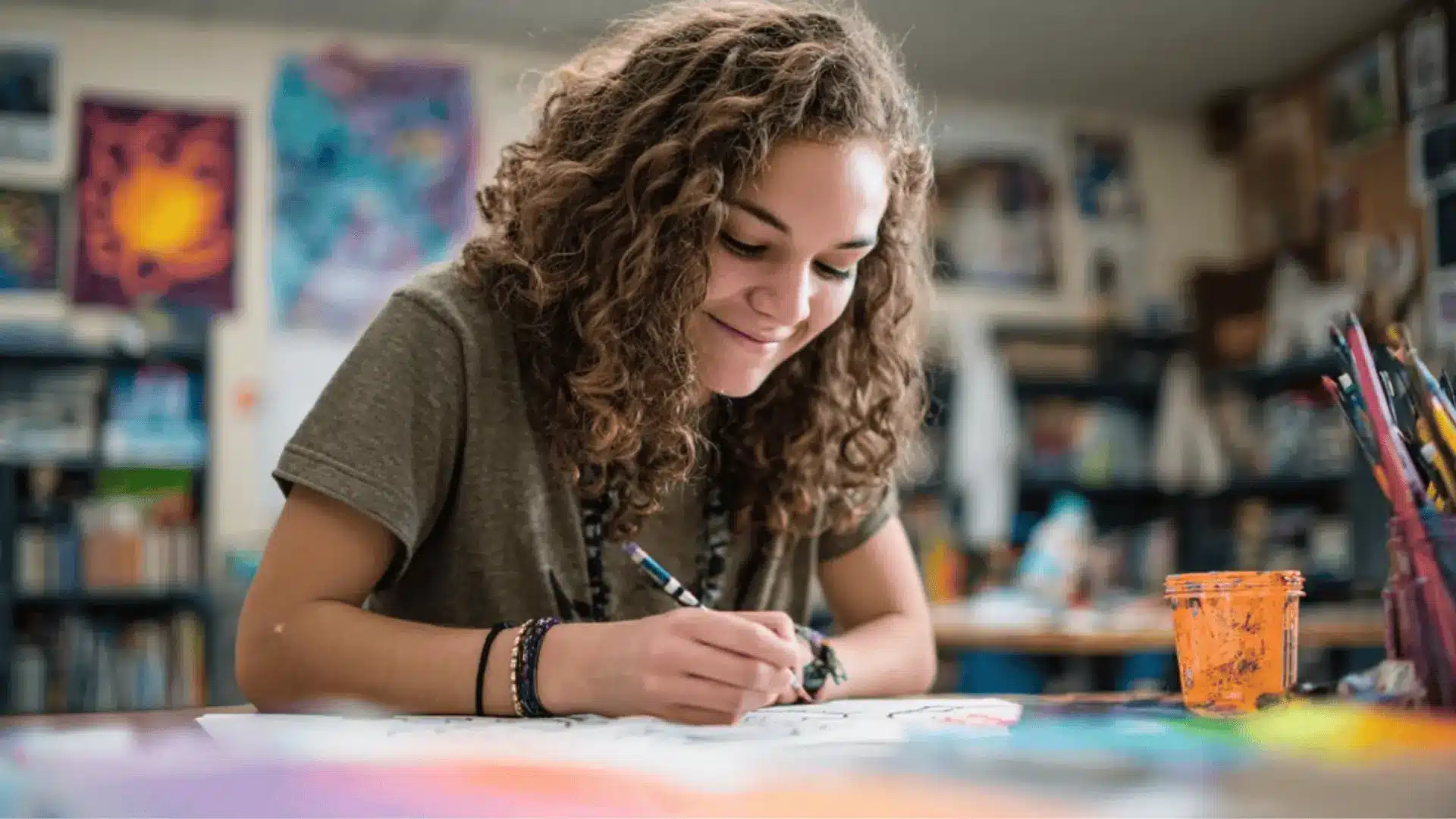
Teen years come with big feelings, quiet worries, and thoughts that don’t always have words.
Sometimes, talking feels hard, but creating feels safe. That’s where art therapy activities for teens bring comfort, calm, and space to breathe.
I’ve seen how simple art moments can open doors to emotions that stay hidden inside, without pressure or rules. Colors, shapes, and movement become a gentle way to release stress and share what the heart is holding.
Creativity becomes a soft place to land, not about being “good” at art, but about being real.
These spontaneous, free-flowing art moments help teens feel seen, safe, and understood in their own quiet way.
What Is Art Therapy?
Art therapy is a simple way for teens to share their feelings through creativity rather than words. It’s not about making perfect art or following rules. It’s about letting emotions come out in colors, shapes, and movement.
What matters most is the act of creating, not how the final piece looks. I see art as a safe space where teens can explore their thoughts, stress, and feelings without fear of judgment.
There’s no right or wrong way to do it. Every line, splash of color, and messy moment has meaning because it comes from inside. It’s calm, free, and focused on expression, not results.
Benefits Of Art Therapy For Teens
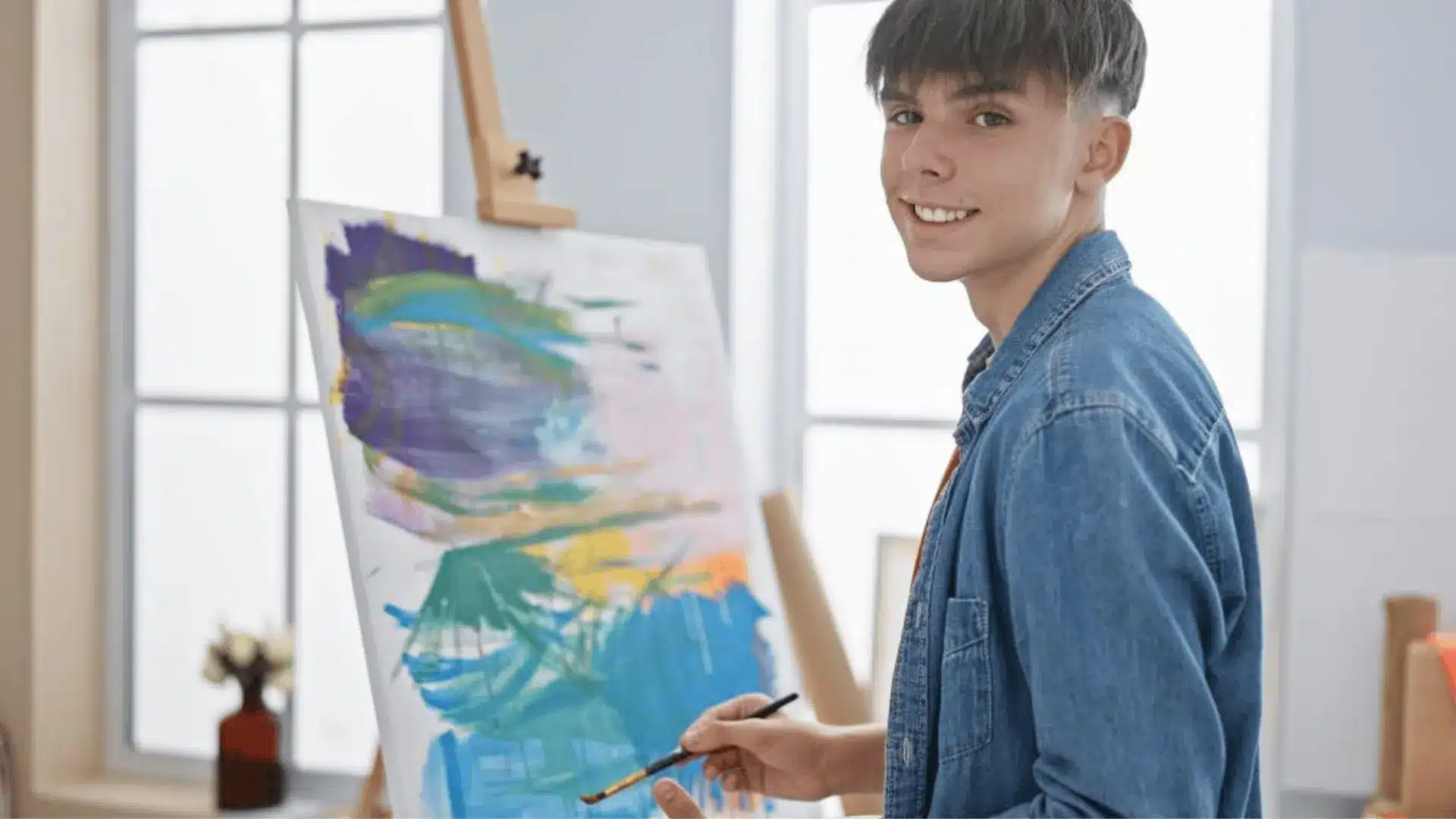
Creative moments can change how teens feel inside. Gentle art time provides a safe place for them to slow down, breathe, and release emotions without pressure.
- Builds Emotional Awareness: Helps teens understand and recognize their feelings through calm, creative expression.
- Reduces Stress and Anxiety: Provides a safe and healthy outlet for releasing emotions without pressure.
- Improves Confidence: Allows teens to create freely without fear of mistakes or judgment.
- Encourages Self-Expression: Supports honest expression through colors, shapes, and personal creativity.
- Supports Focus and Calm: Promotes relaxation and mindfulness through peaceful creative moments.
Creative expression gives teens a gentle emotional outlet, helping them feel safe, supported, and free to be themselves.
Art Therapy Activities For Teens
Creative freedom helps teens feel safe, calm, and understood. Here are some spontaneous activities that focus on expression rather than rules.
1. Card Creation
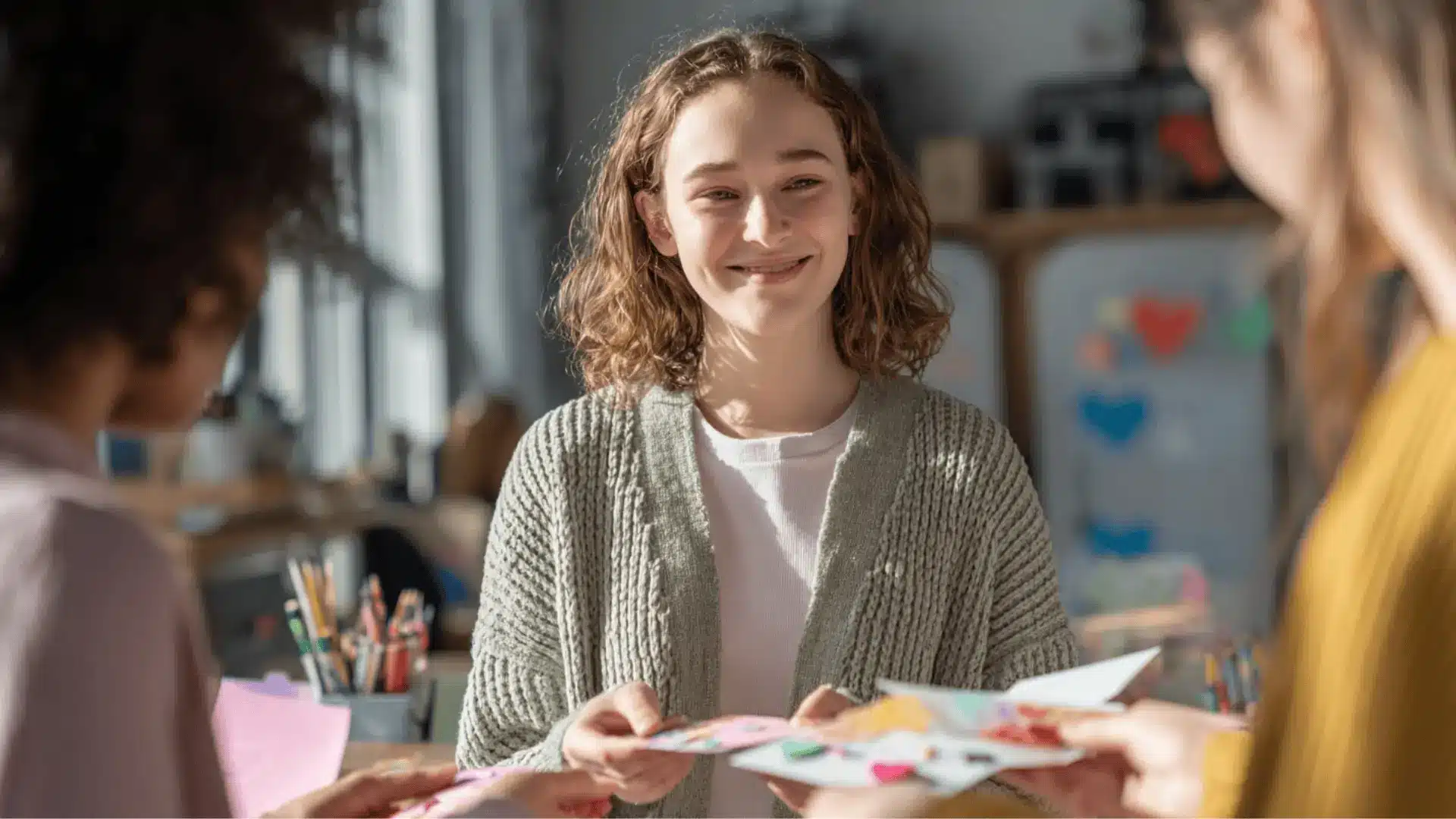
This activity invites teens to slow down and create something meaningful for others through simple, thoughtful art. Designing personal cards helps shift focus away from worries and inward stress, bringing attention to care, connection, and kindness.
The act of giving becomes part of the healing, helping teens feel lighter, more grounded, and emotionally connected through small, positive actions that carry real meaning.
How To Do It: Set out blank cardstock and let teens create three personal cards using simple words and colors. Use Cardstock, markers, colored pencils, stickers, glue, and decorative paper work well.
2. Scribble Art Emotions
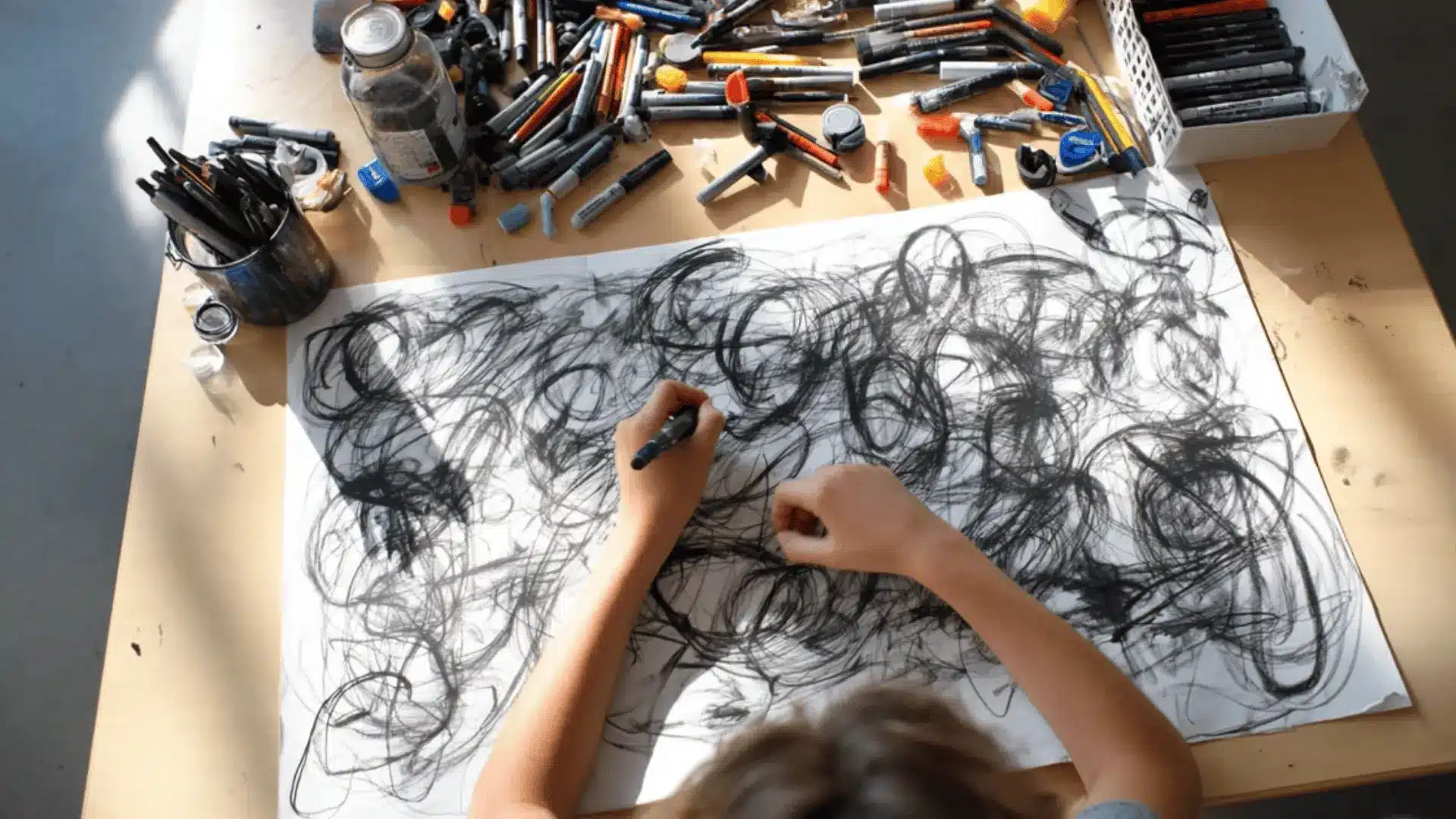
This activity allows teens to create without planning or control, letting movement guide the page. Lines, curves, and shapes appear naturally, without structure or direction.
There is no need to fix or define anything. The messy flow becomes part of the expression, creating space for emotional release. It helps ease mental pressure and gives feelings a safe, healthy outlet where they can exist freely without judgment.
How To Do It: Offer them a blank piece of paper and allow their hands to move freely without stopping or thinking. You’ll need to use pens, markers, crayons, or pencils.
3. Music + Paint Sessions
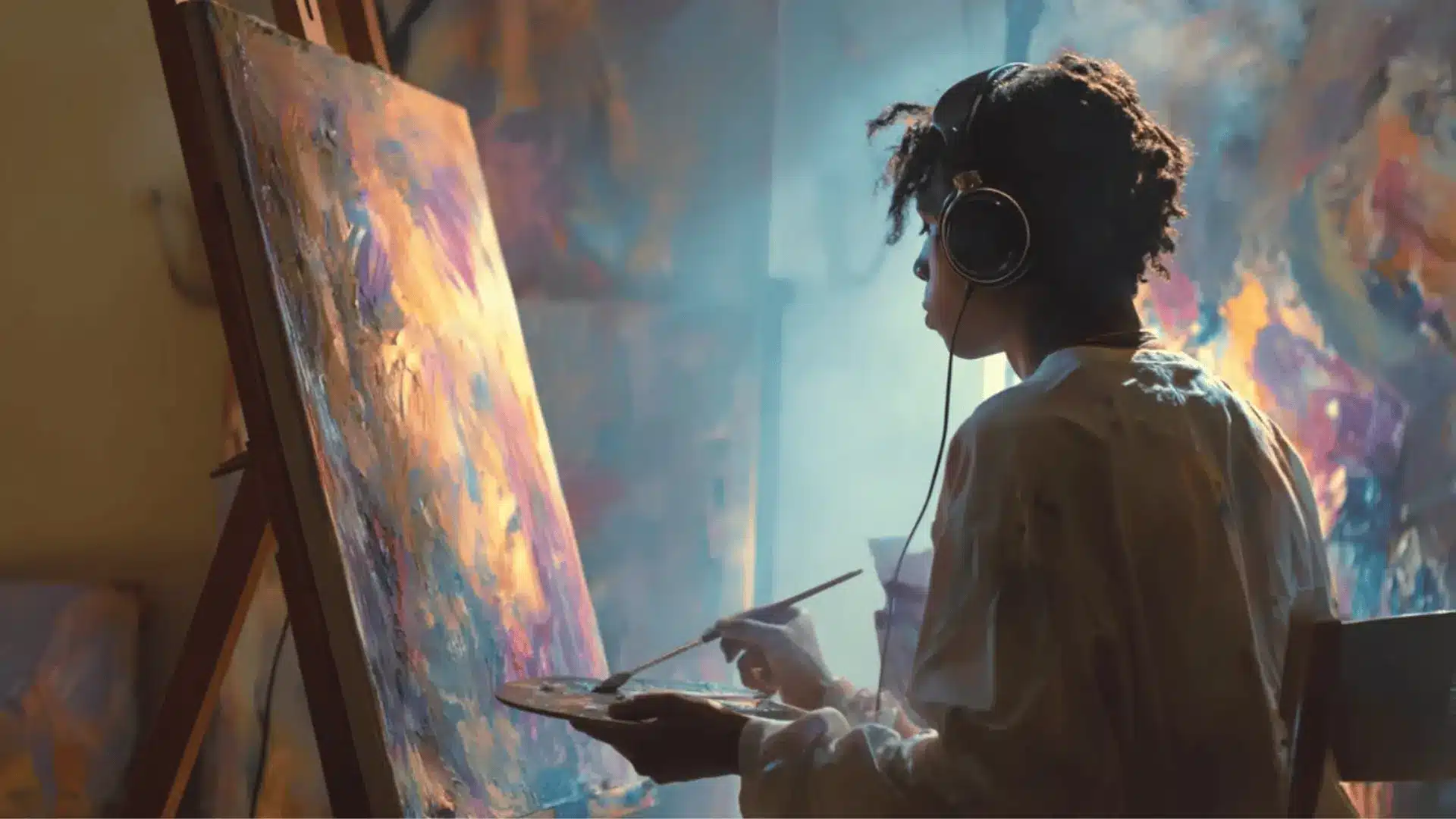
Music fills the space as teens paint freely, guided by sound rather than structure. Rhythm influences movement, color choices, and creative flow without any need for planning or direction.
There is no final image to achieve or design to follow. The experience becomes about feeling, not results, creating a calm environment where emotions and creativity connect naturally through sound, motion, and color.
How To Do It: Play music and let teens paint whatever they feel. You will need paints, brushes, paper or canvas, and a music speaker.
4. Abstract Feeling Art
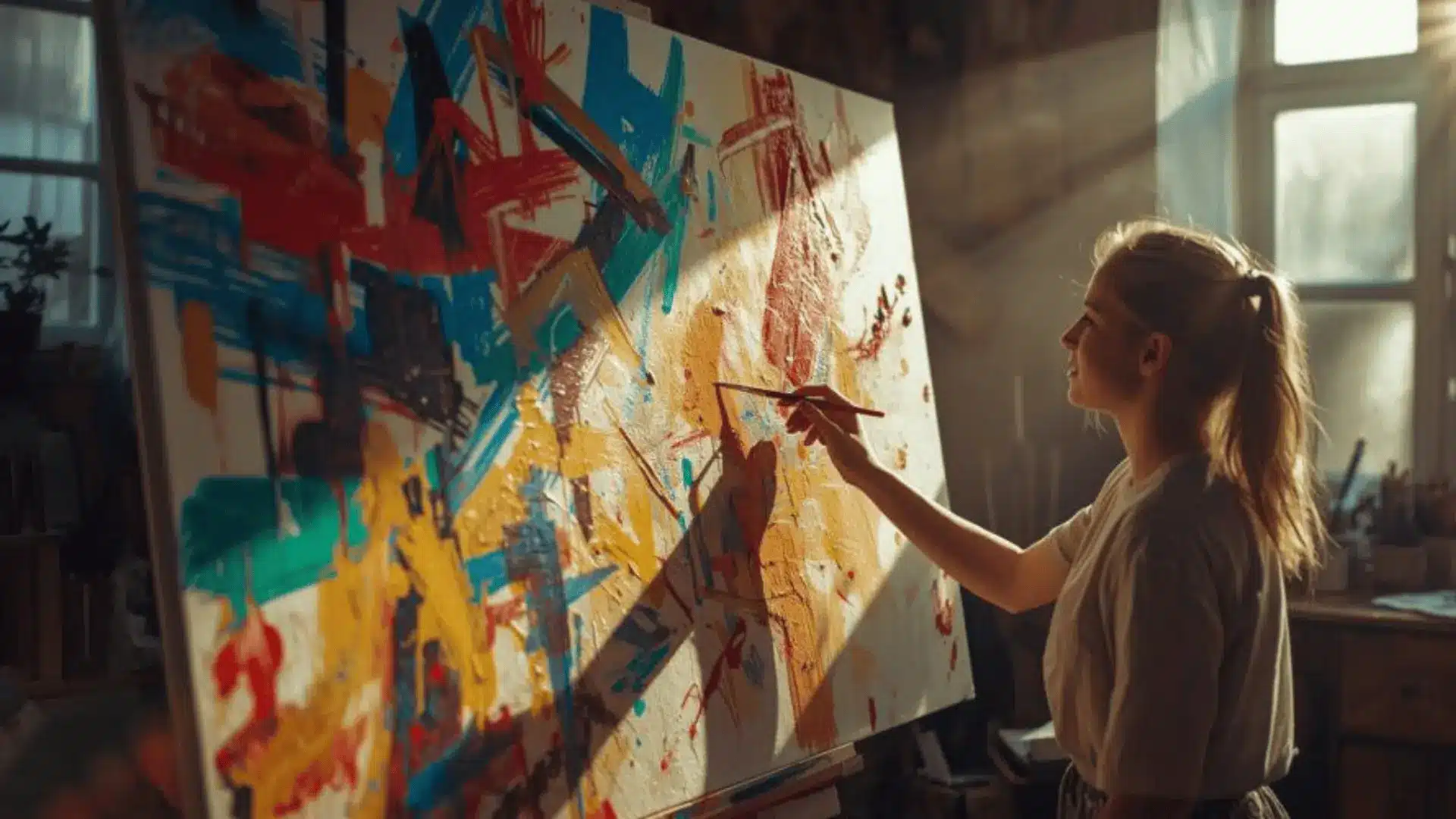
Teens express emotions through lines, colors, and patterns instead of drawing real objects or scenes. There is no need for meaning, structure, or clear images.
The focus stays on feeling rather than form. This creates a safe space for honest expression, allowing emotions to move freely without pressure, judgment, or fear of doing something wrong.
How To Do It: Invite teens to use colors and lines to express emotions rather than objects, and use markers, paints, crayons, and paper.
5. Collaborative Junk Sculpture
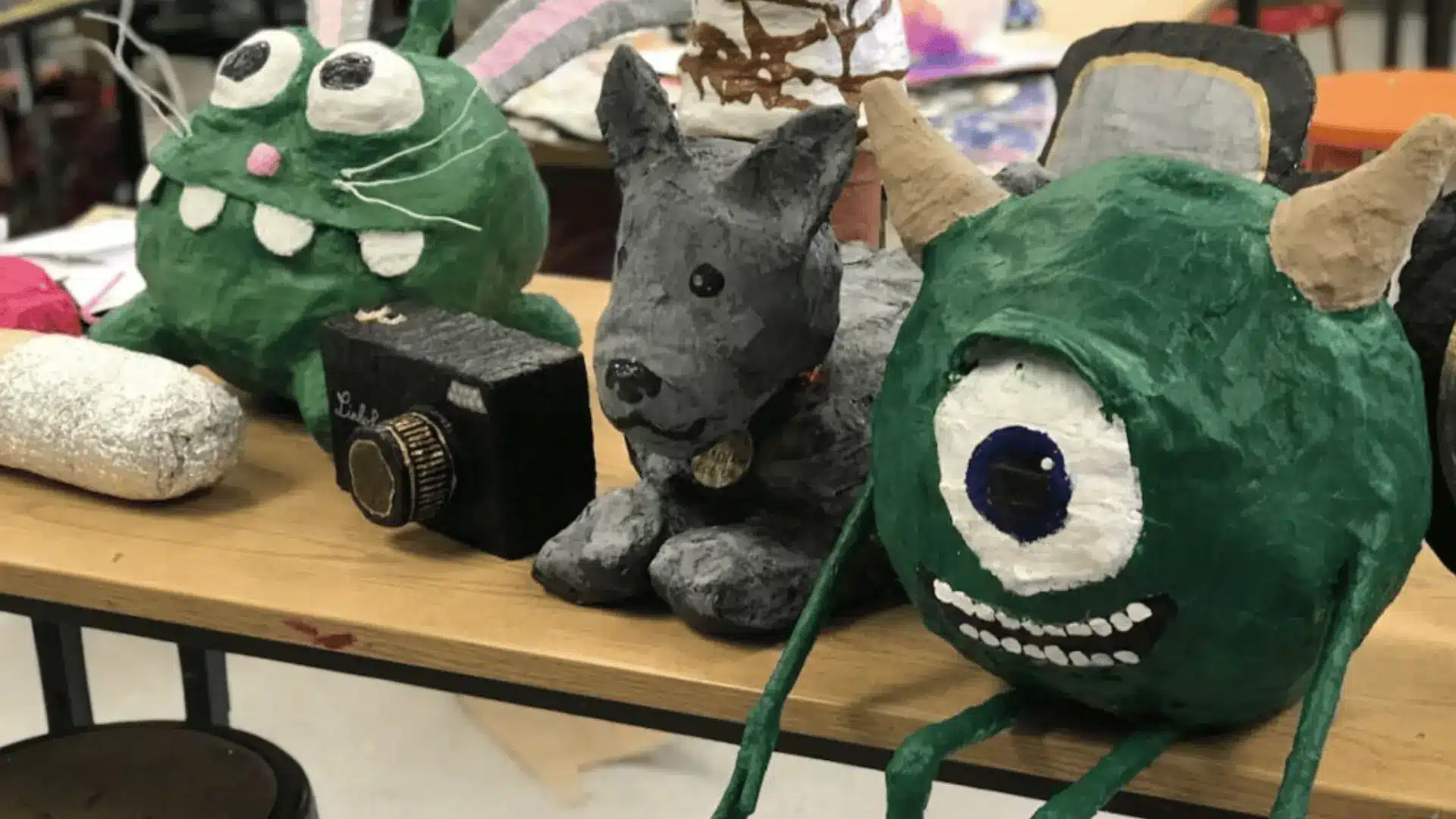
This activity feels like building a small world together from forgotten objects. Teens connect through teamwork, imagination, and hands-on creativity as they turn everyday junk into something meaningful and expressive.
I enjoy how it brings cooperation, laughter, and connection into the room while helping teens feel proud of something they created together.
How To Do It: Set out assorted junk items and invite teens to build one large group sculpture or landscape together. You will need old toys, wires, straws, cardboard, chicken wire, glue, tape, boards, and safe building tools.
6. Memory Drawing
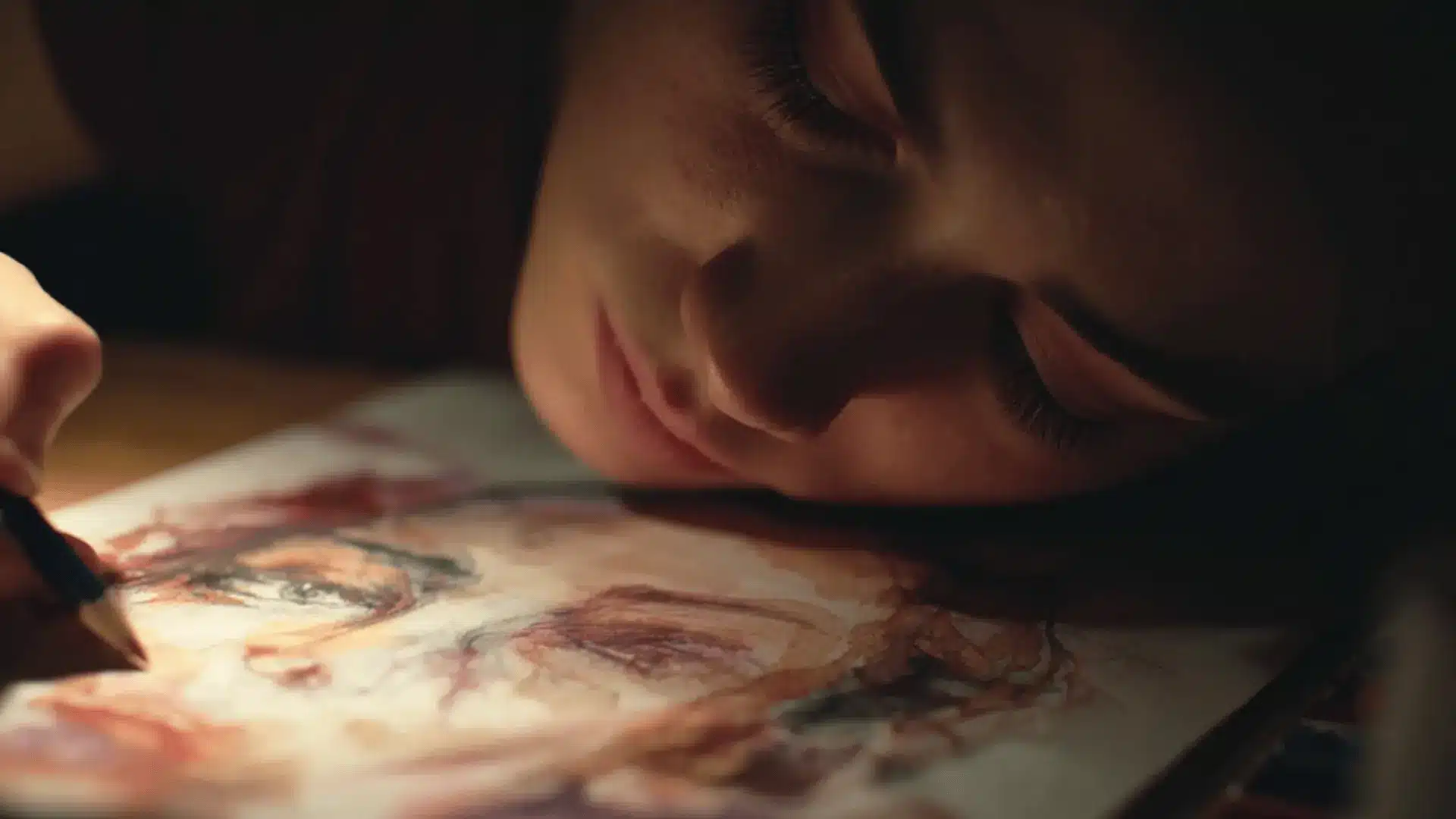
This activity invites teens to draw memories through emotion rather than detail or realism. The focus stays on how a moment feels, not how it looks.
Lines and shapes convey emotional meaning rather than exact scenes. It creates a calm, creative space that supports emotional release, reflection, and gentle processing without pressure or expectations.
How To Do It: Ask teens to draw how a memory feels, not how it looked. They can use watercolor, pencils, crayons, and paper.
7. Intuitive Doodling
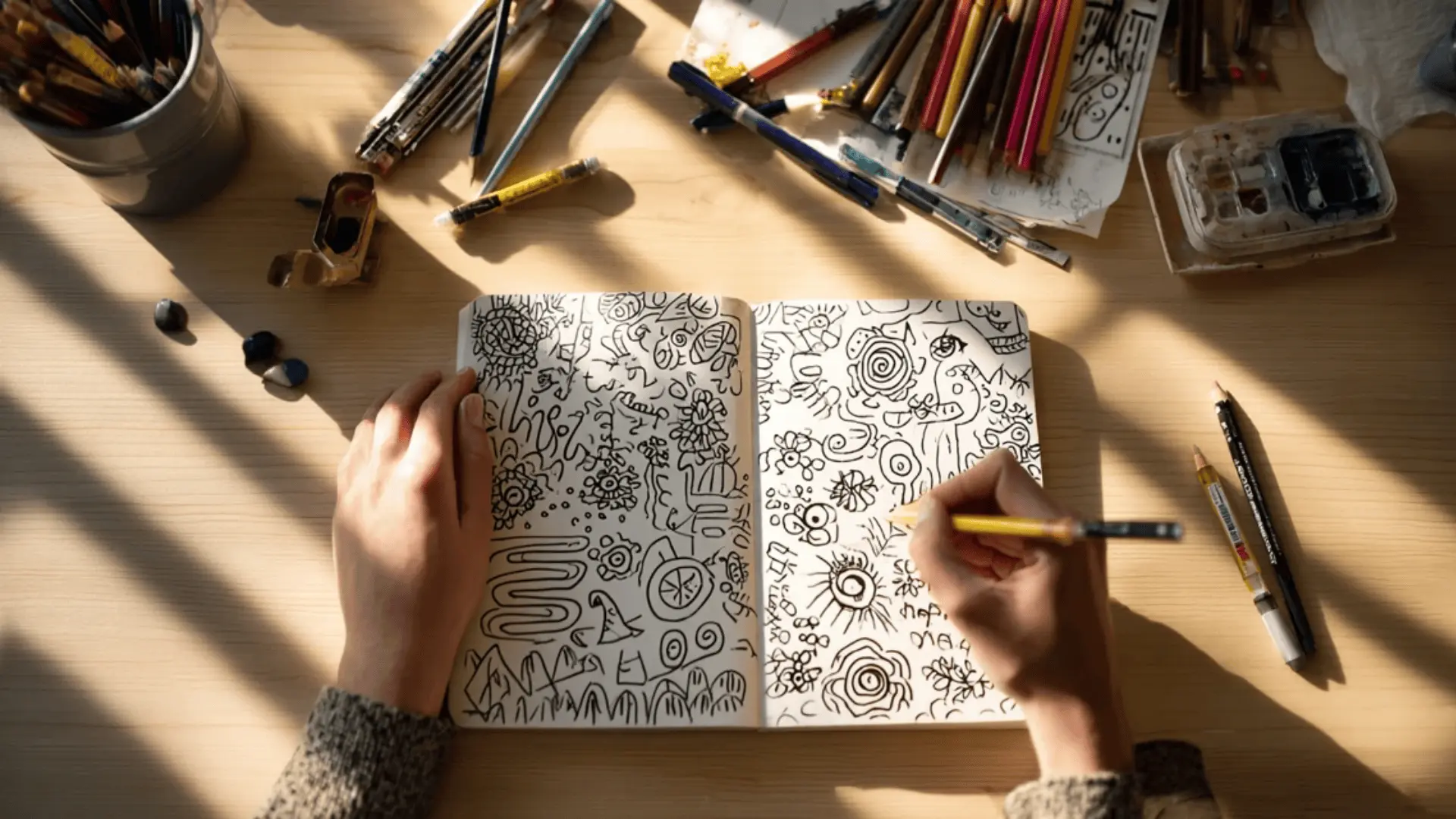
Teens create freely in the moment, allowing their hands to move without direction or planning. There is no theme to follow, no rules to obey, and no need to correct anything that appears on the page.
Every line and shape is welcome. This open flow of creativity supports emotional release, builds calm focus, and helps restore inner balance through gentle, natural expression.
How To Do It: Give them a blank page and let the hand move naturally. You’ll need notebooks, pens, markers, or pencils.
8. Paint with Fingers
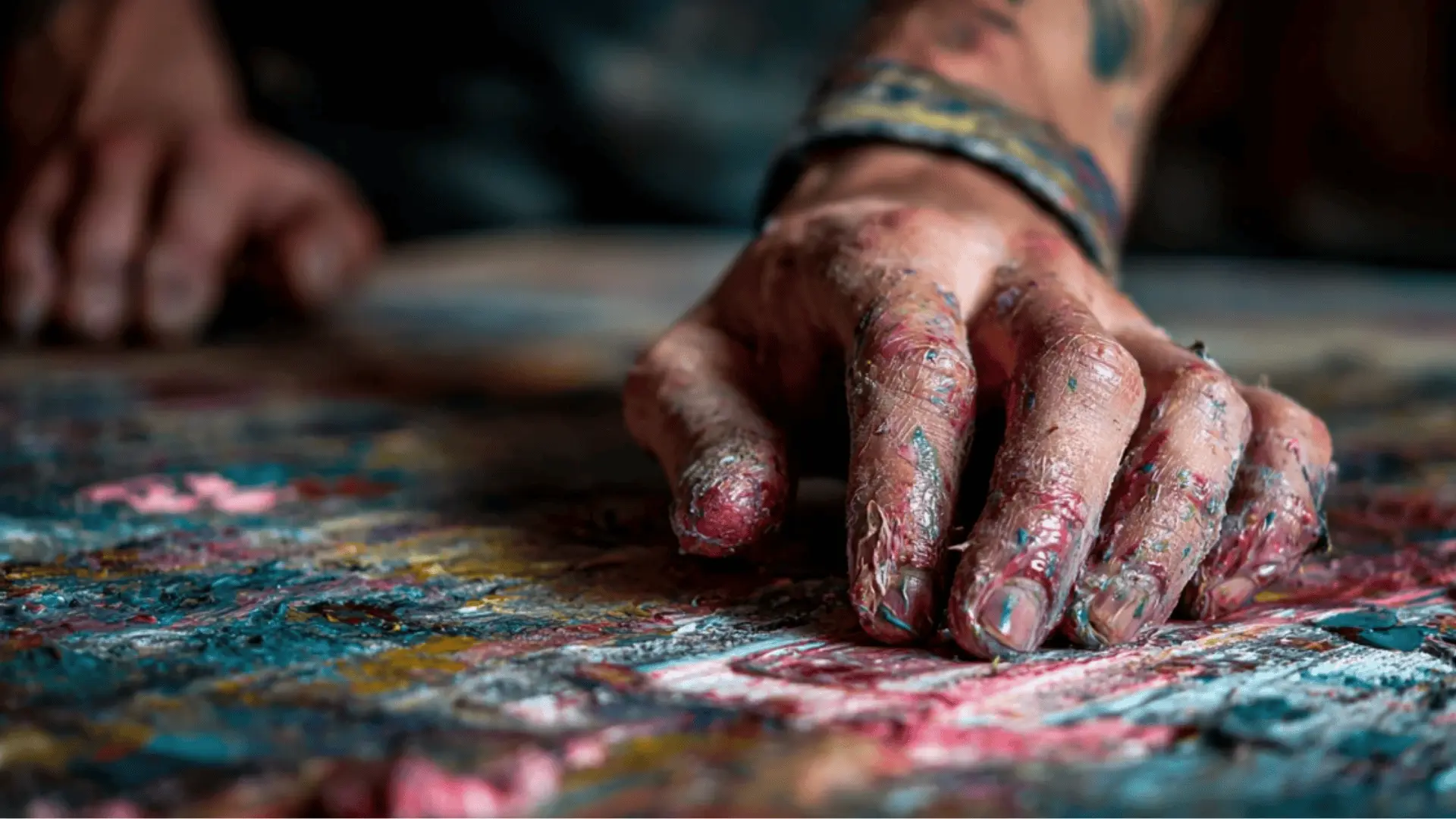
Teens paint with their hands, allowing direct contact with color and texture rather than using tools. The physical connection with paint creates a grounding effect, helping calm the body and mind.
Movement becomes part of the creative process. This sensory experience supports emotional release, relaxation, and expression through touch, motion, and free-form creativity.
How To Do It: Spread washable paint on paper and invite teens to use their hands to create. Use thick paper, washable paints, wipes, and water bowls.
9. Shadow Drawing
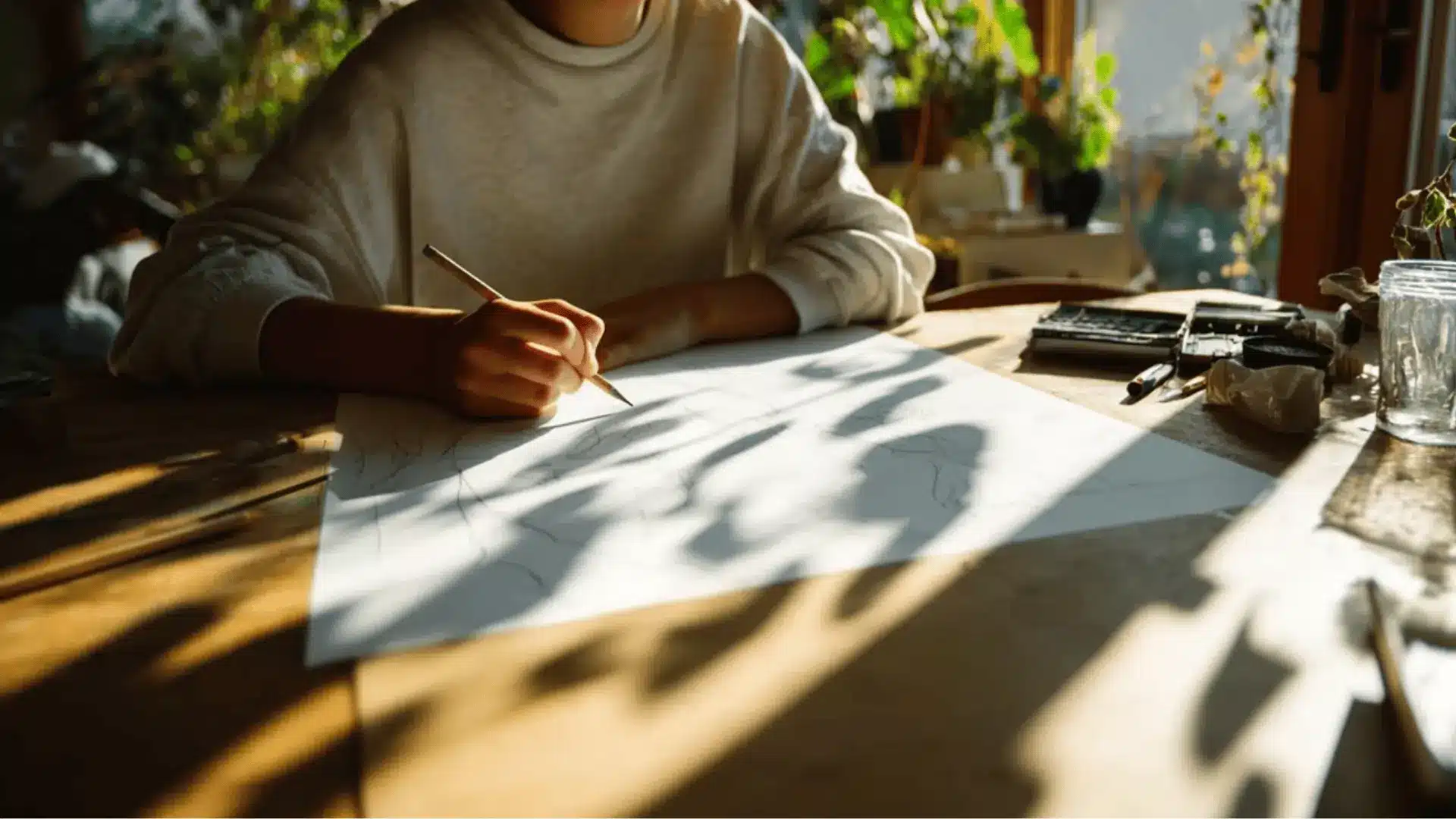
Light and shadows create soft shapes that teens trace freely across the page. There’s no meaning to find or design to follow, only movement and flow.
The process feels playful and calm. It supports focus, relaxation, and creativity while keeping the experience easy, gentle, and stress-free.
How To Do It: For this, place objects near sunlight or a lamp and ask them to trace the shadows. For this, use paper, pencils, plants, and simple objects.
10. Storyboard Emotions
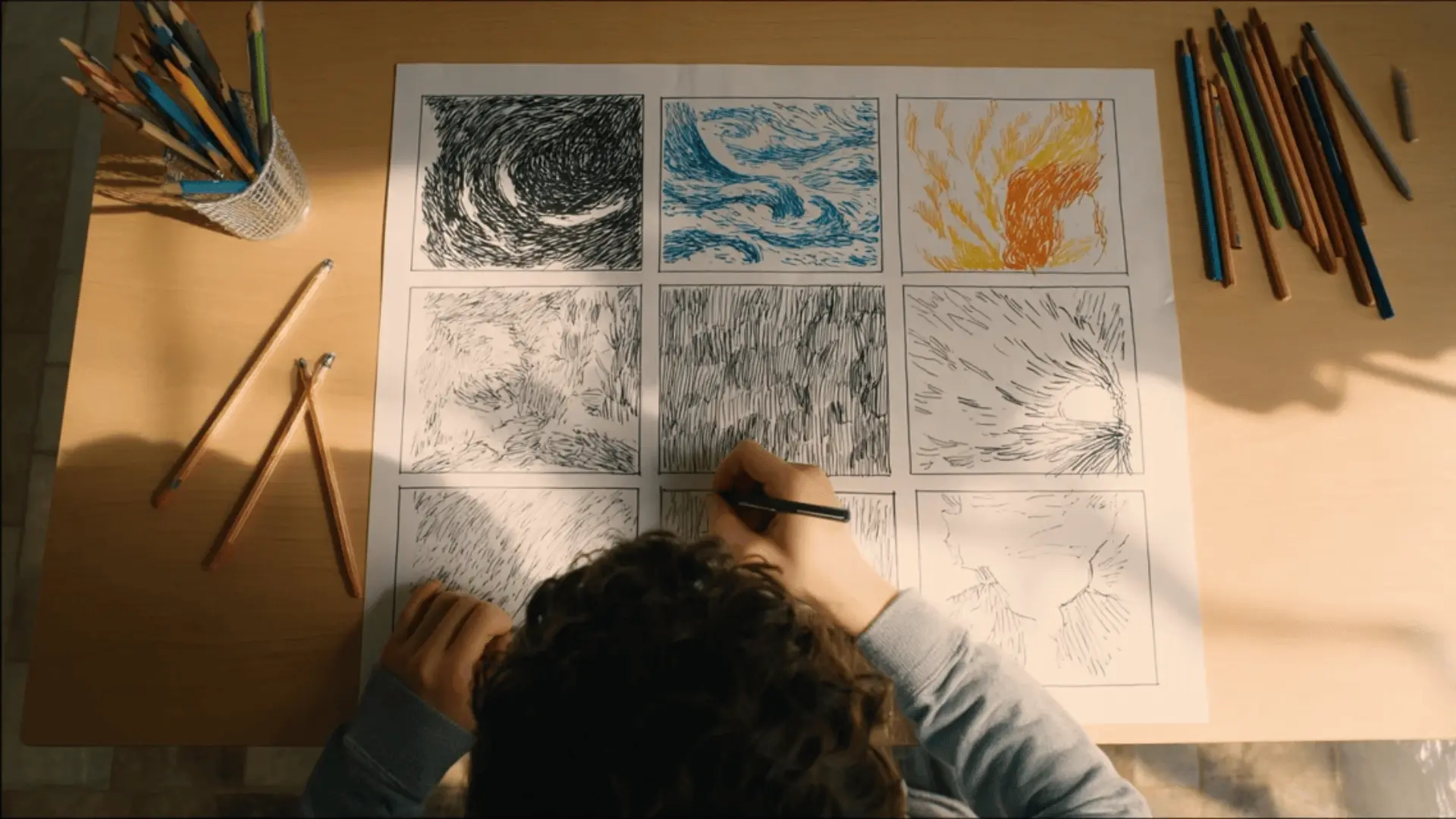
Teens create simple framed drawings that represent emotional moments rather than full stories or detailed scenes. Each box focuses on a feeling rather than on perfect images or structure.
This visual format helps organize inner thoughts, supports safe emotional expression, and builds awareness of feelings in a gentle, pressure-free way that feels calm and supportive.
How To Do It: Let them draw simple boxes and fill each with a feeling. You can use paper, a ruler, markers, and pens.
11. Blindfold Drawing
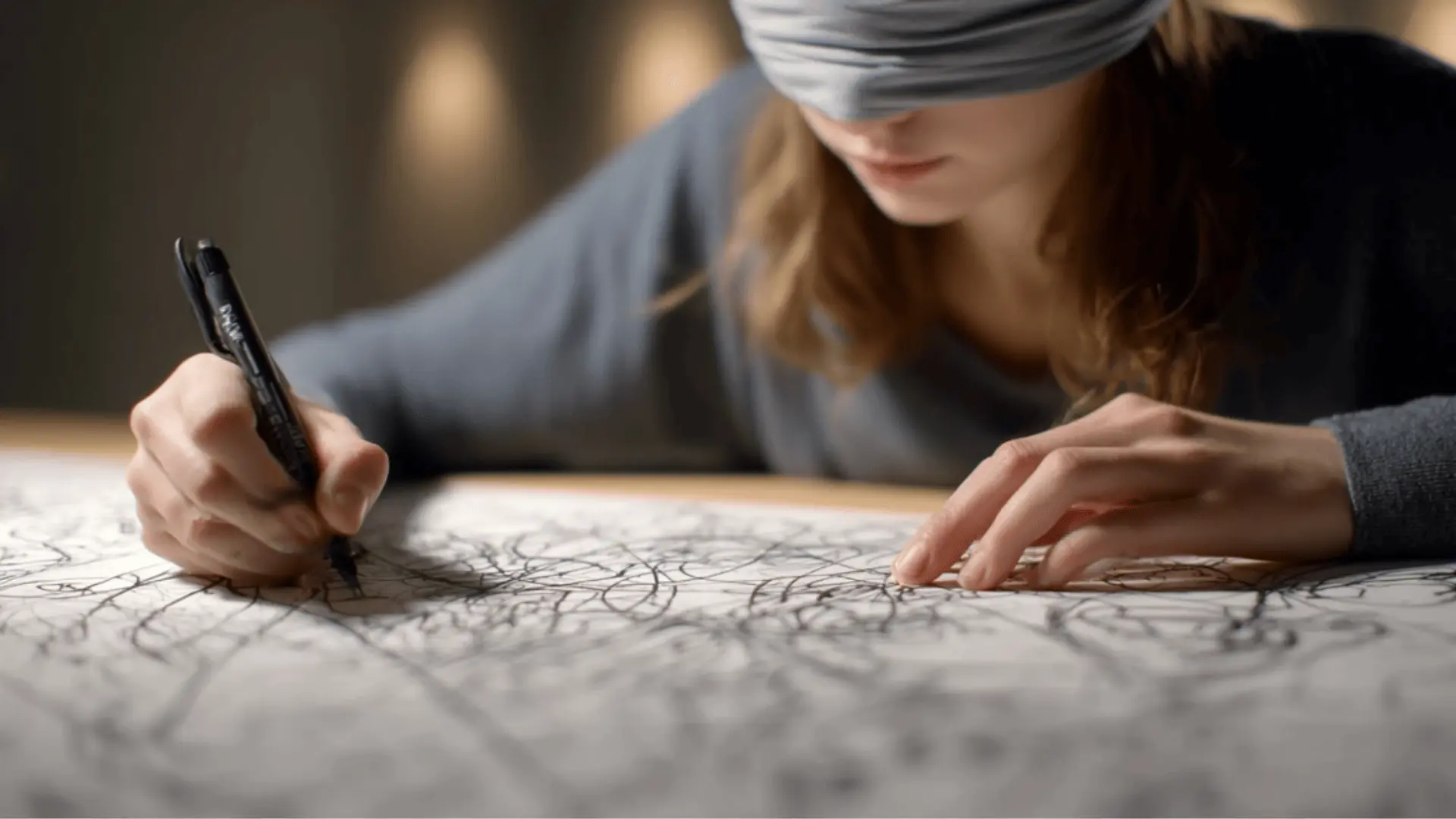
Teens create with their eyes closed, allowing emotion to guide their movement rather than their thoughts. There is no planning, no control, and no need to correct what appears on the page.
Lines and shapes form naturally through feeling and motion. This removes pressure and fear, creating a playful, calm space where emotions can surface freely and safely without judgment.
How To Do It: Make sure to use a soft scarf for the eyes and draw freely, and use paper and markers or pencils.
12. Personal Paint-Wear Art
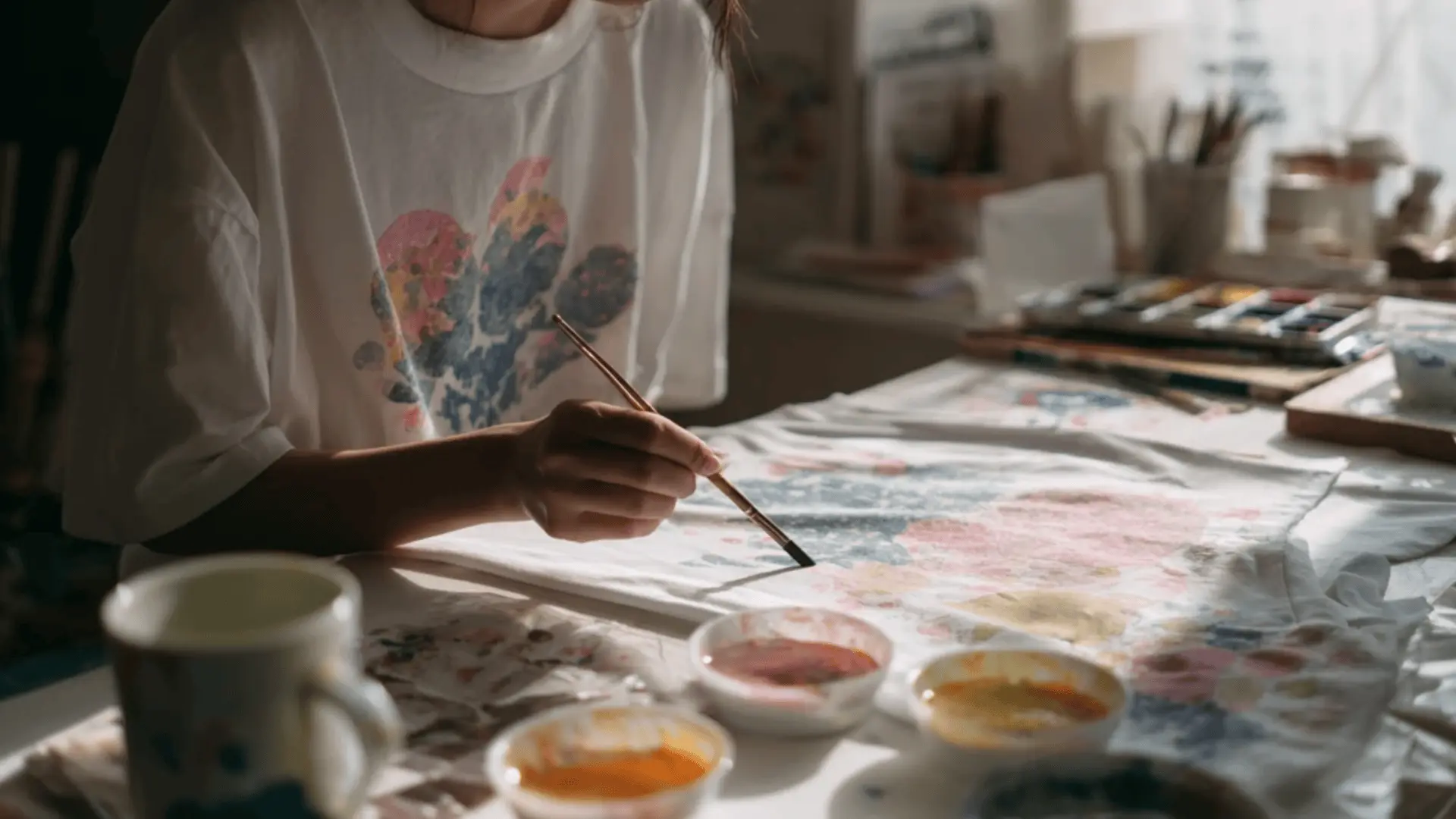
This turns a simple t-shirt into a moving canvas of self-expression. Teens get to wear their creativity, which builds confidence and pride in their work. The process feels relaxed and fun, with no pressure to be perfect or follow strict designs.
I love how it blends art and identity in a simple way, allowing each teen to create something personal, expressive, and meaningful that feels truly their own.
How To Do It: Provide plain t-shirts and let teens paint freely, using simple patterns or their own ideas. They can use diluted or thick latex paint, brushes, sponges, water cups, and sample design sheets.
13. Feelings Mask Making
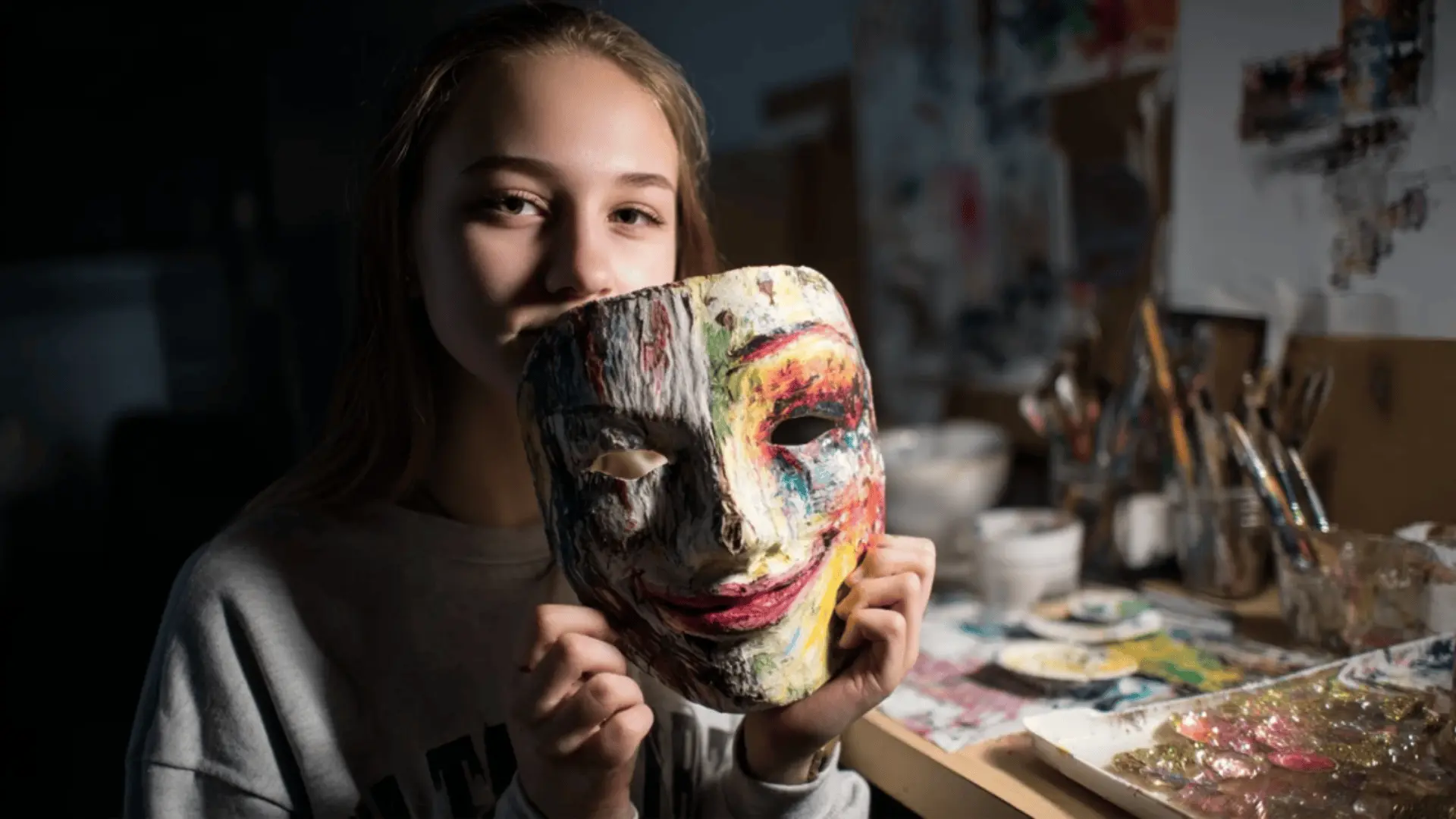
Teens design masks that show both outer emotions and inner feelings. One side represents what they share with the world, while the other reflects what they keep inside.
This creative process allows hidden emotions to surface safely and supports emotional understanding through visual expression and personal storytelling.
How To Do It: Create masks and hand them over to the teens to decorate both sides freely. You will need cardboard, plates, paints, markers, glue, and scissors.
14. Tear-and-Create Collage
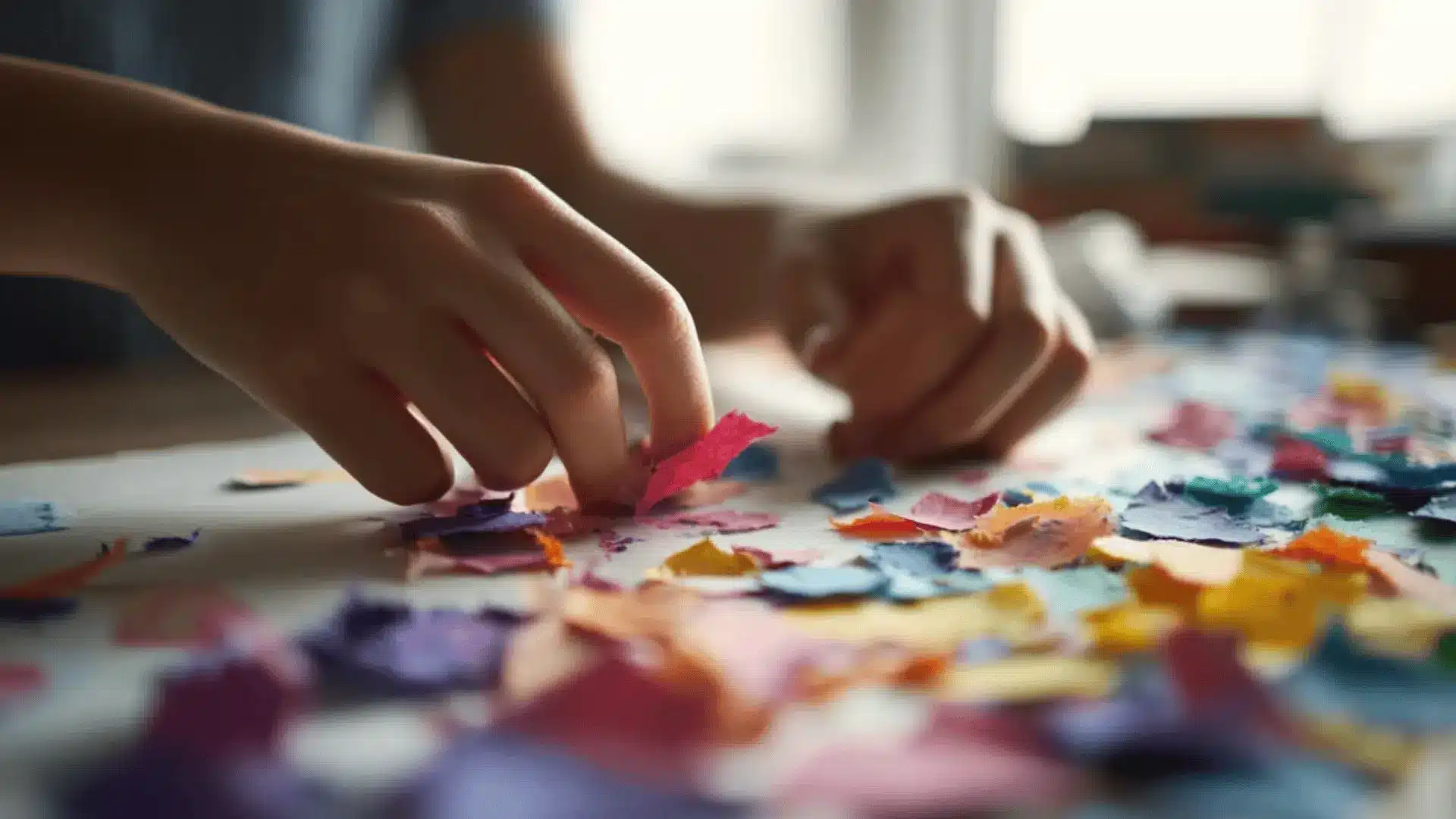
Paper is torn by hand and shaped freely into new forms, without scissors, structure, or planning. The physical act of tearing helps release built-up tension and emotional pressure.
Pieces are arranged naturally, guided by feeling instead of design. This process creates a calming, creative space that supports emotional release, inner balance, and free expression without expectations or control.
How To Do It: Hand over colored paper to them and let them tear and arrange it as they please. Use glue and base paper.
15. Freeform Clay Shaping
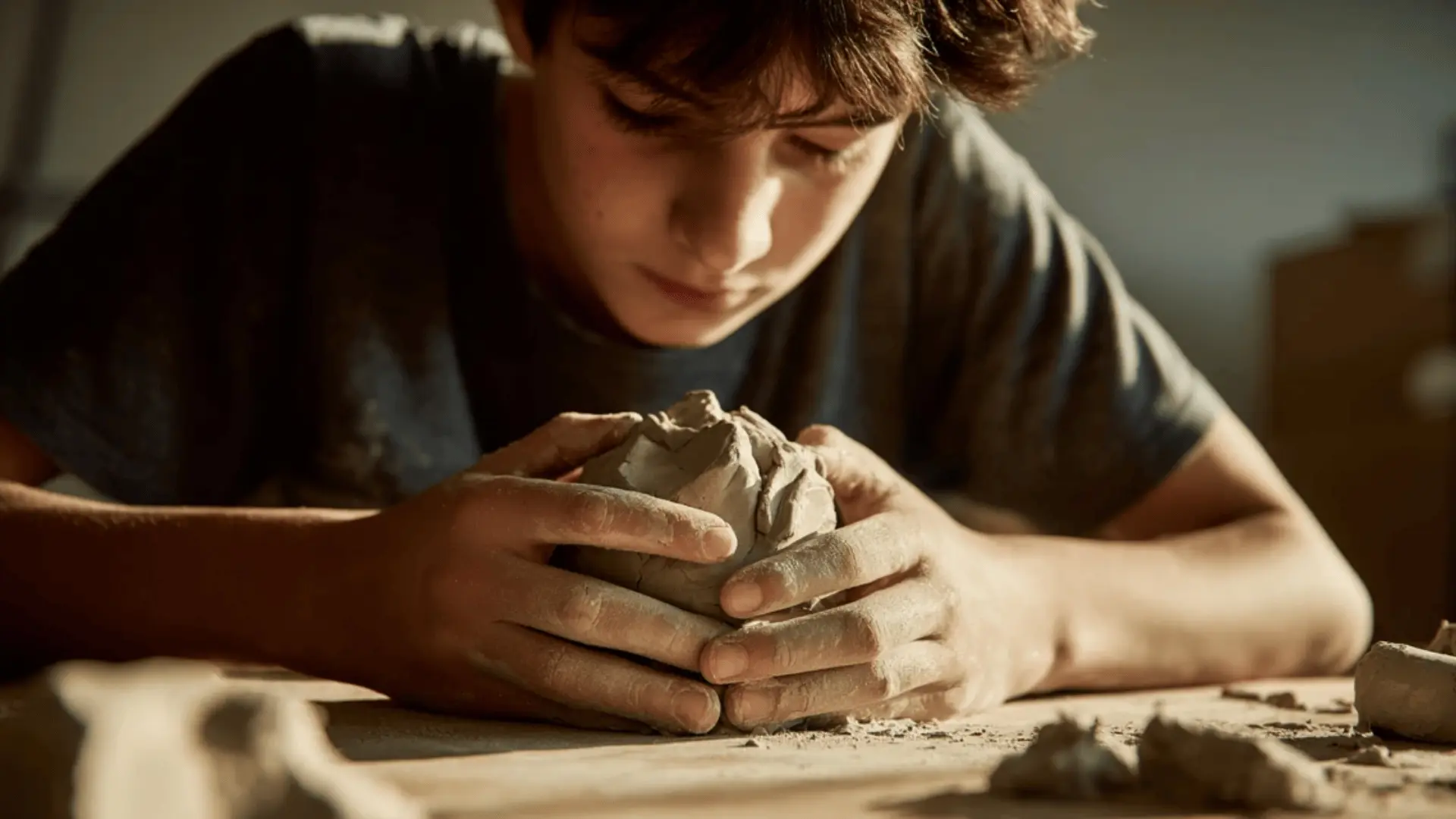
Teens work with clay without goals, plans, or instructions, allowing their hands to move naturally through feeling instead of thought. The soft texture creates a calming, grounding experience that helps the body relax.
Touch and movement become part of the expression, not the result. This sensory process supports emotional release, steady focus, and inner calm through simple, natural interaction with the material.
How To Do It: Provide soft clay and allow free shaping. You can use air-dry clay and will need mats and wipes.
16. Dream Sketching
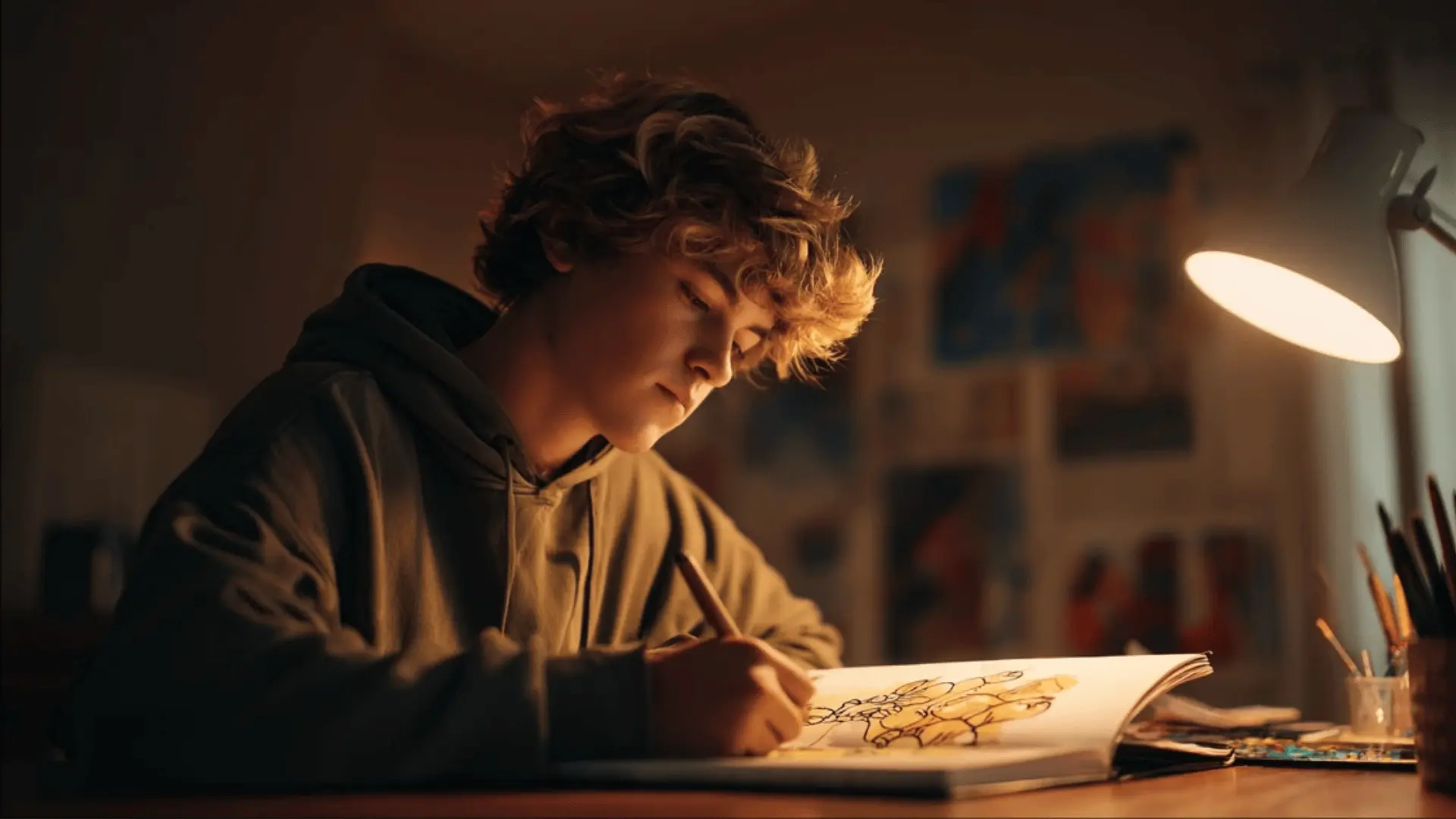
Teens draw dreams, thoughts, and inner images as they naturally appear, without trying to explain or shape them. There is no need for meaning, structure, or clear interpretation. The focus stays on expression rather than logic or order.
This activity creates a gentle space where imagination and emotions can move freely, supporting inner exploration and creative freedom in a calm, safe way.
How To Do It: Invite teens to sketch whatever comes the mind. You will need to use sketchbooks, pencils, and markers.
17. Sound-to-Art Drawing
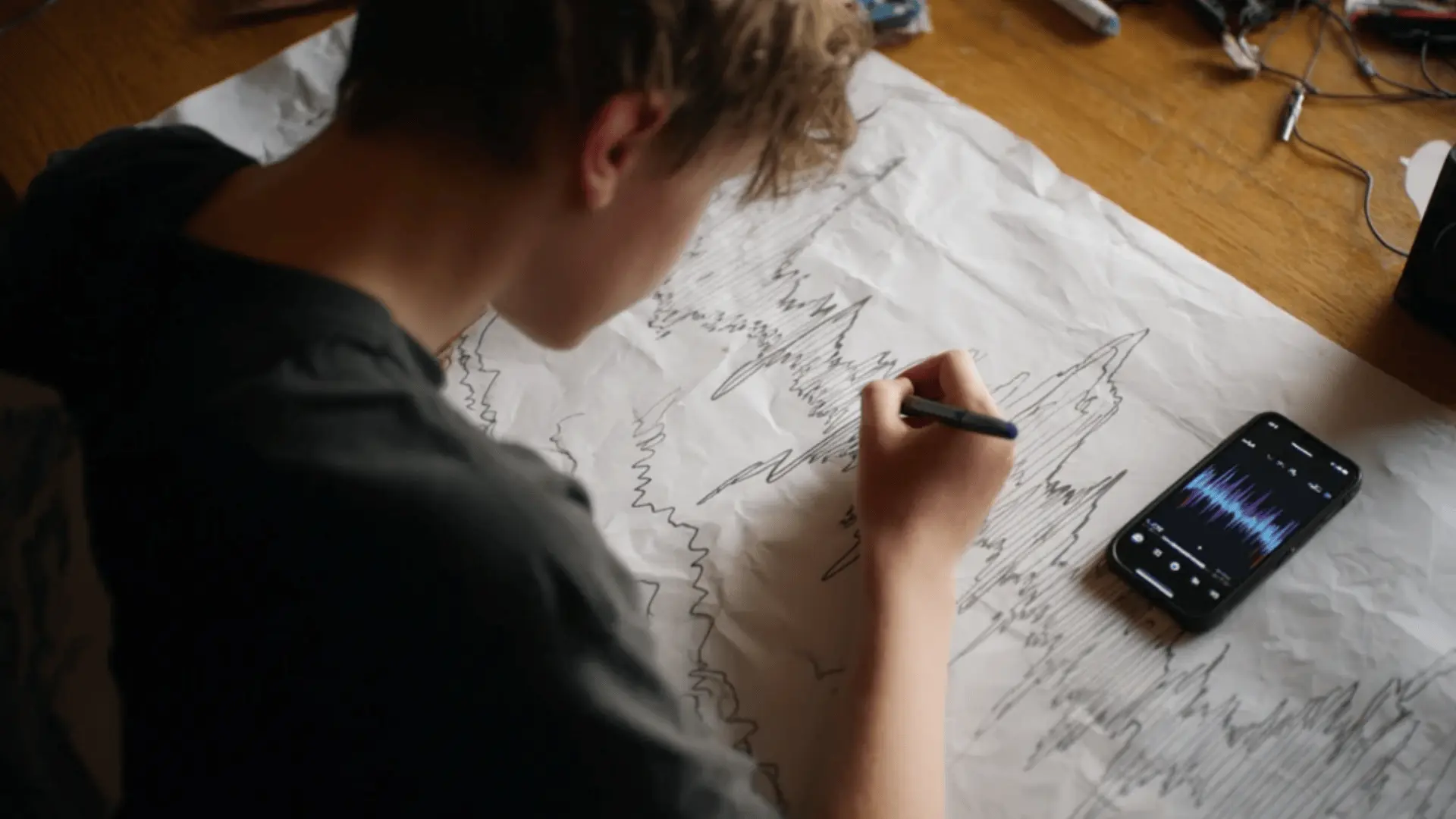
Different sounds guide how the drawing unfolds. Music, quiet, or natural sounds influence movement, line direction, and color choice.
Teens respond to what they hear through motion and creative expression rather than thought. This experience creates a natural connection between emotion, listening, and art, allowing creativity to flow freely in a calm, balanced, and pressure-free way.
How To Do It: Play sounds and let teens draw what they feel. For this, use speakers, paper, markers, and paints.
18. Emotion Journaling With Art
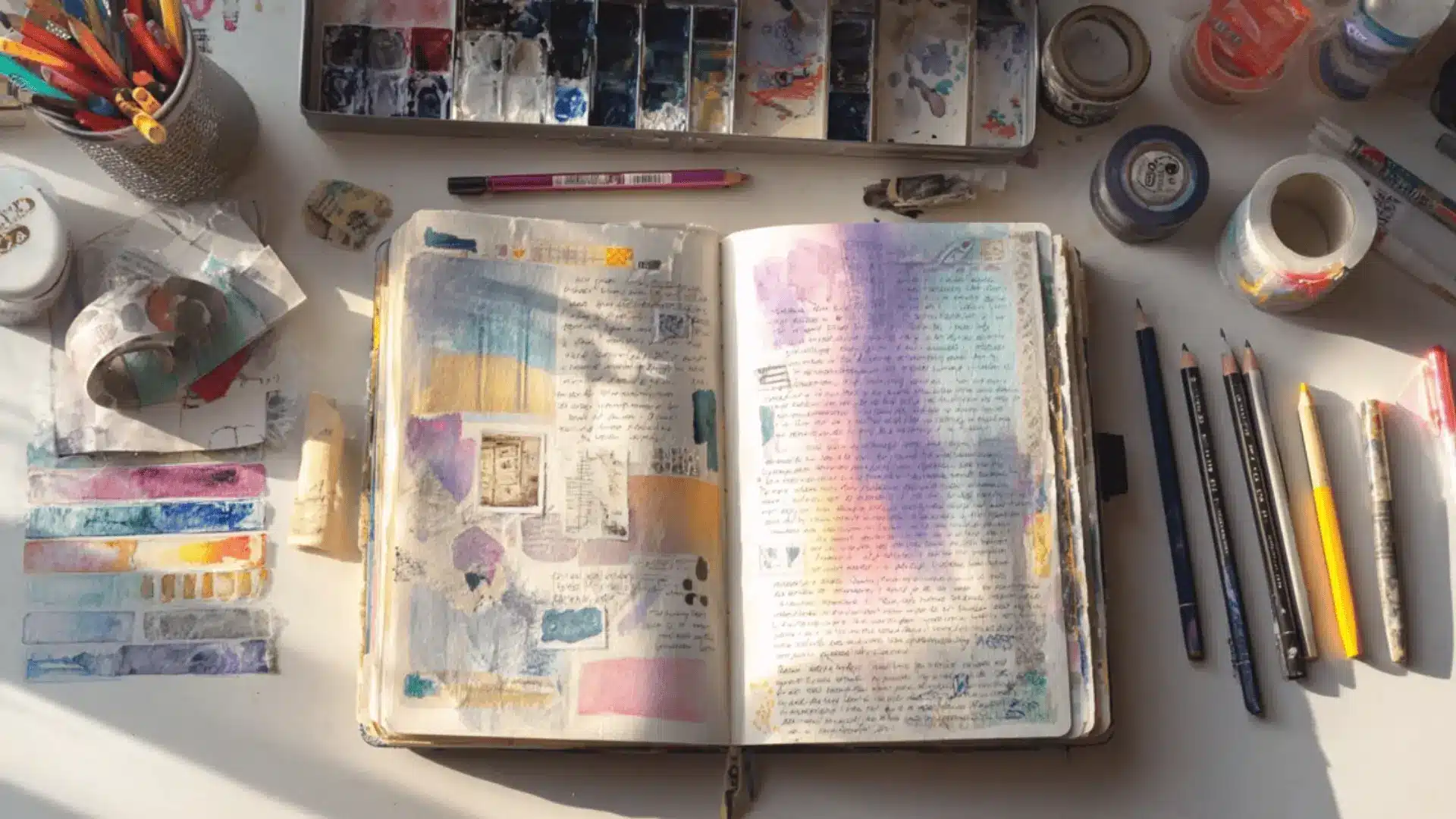
Teens blend short words, colors, and drawings to express emotions without needing full sentences or explanations. Images carry meaning where language feels heavy or hard.
This creative mix offers a gentle way to release feelings, organize thoughts, and build emotional awareness. It creates a calm, safe outlet that supports clarity and self-understanding without pressure or expectations.
How To Do It: Let them use journals to combine words and art freely.
19. Identity Symbol Drawing
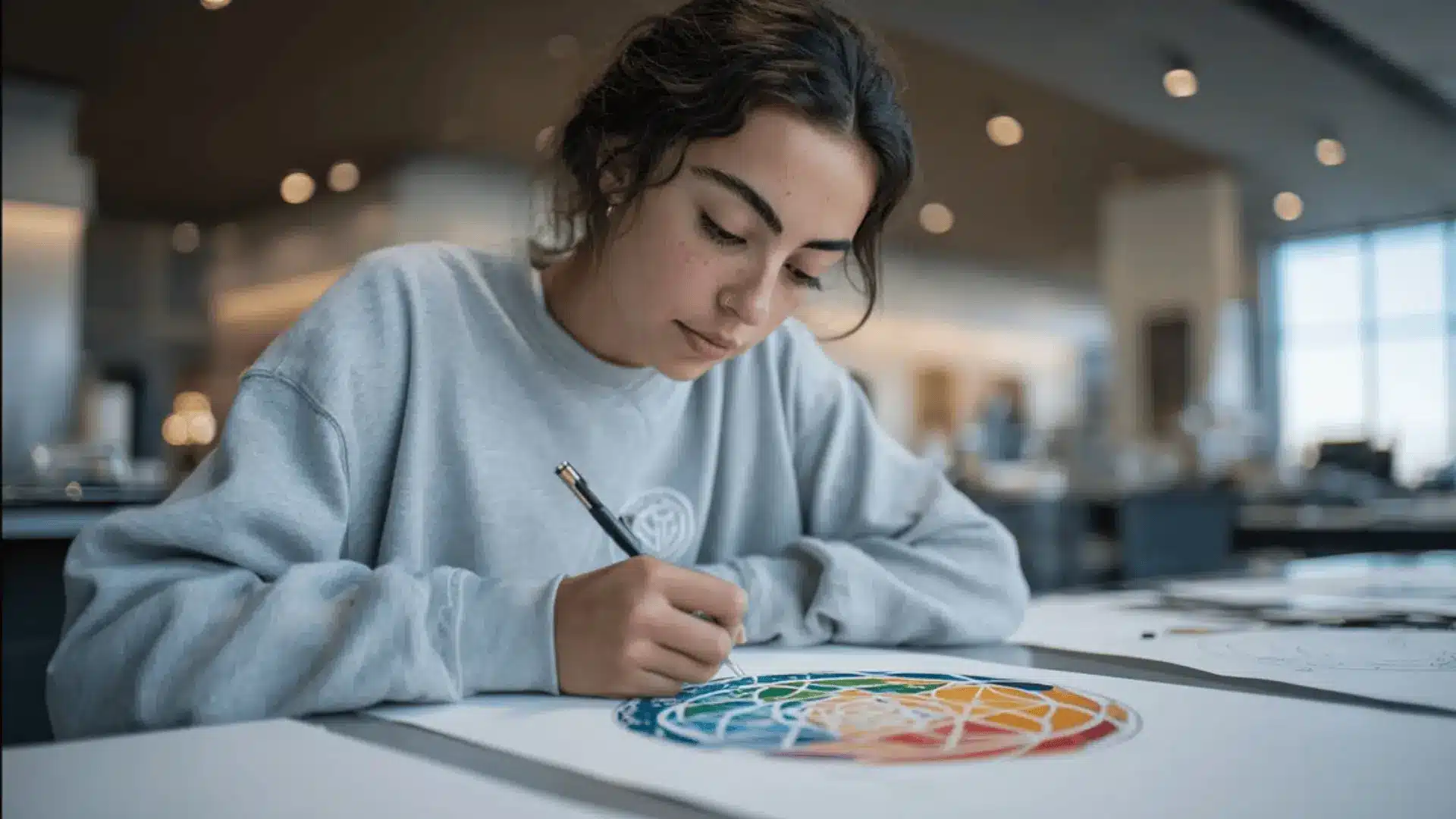
Teens design personal symbols using shapes, colors, and signs that reflect who they are inside. Each symbol represents feelings, values, and personality in a unique way. There is no correct meaning or fixed interpretation.
This creative process supports self-discovery, builds confidence, and helps teens understand their identity through gentle, meaningful expression.
How To Do It: Invite teens to design a symbol that reflects who they are. You will need to use paper, paints, and markers.
20. Gratitude Art Pages
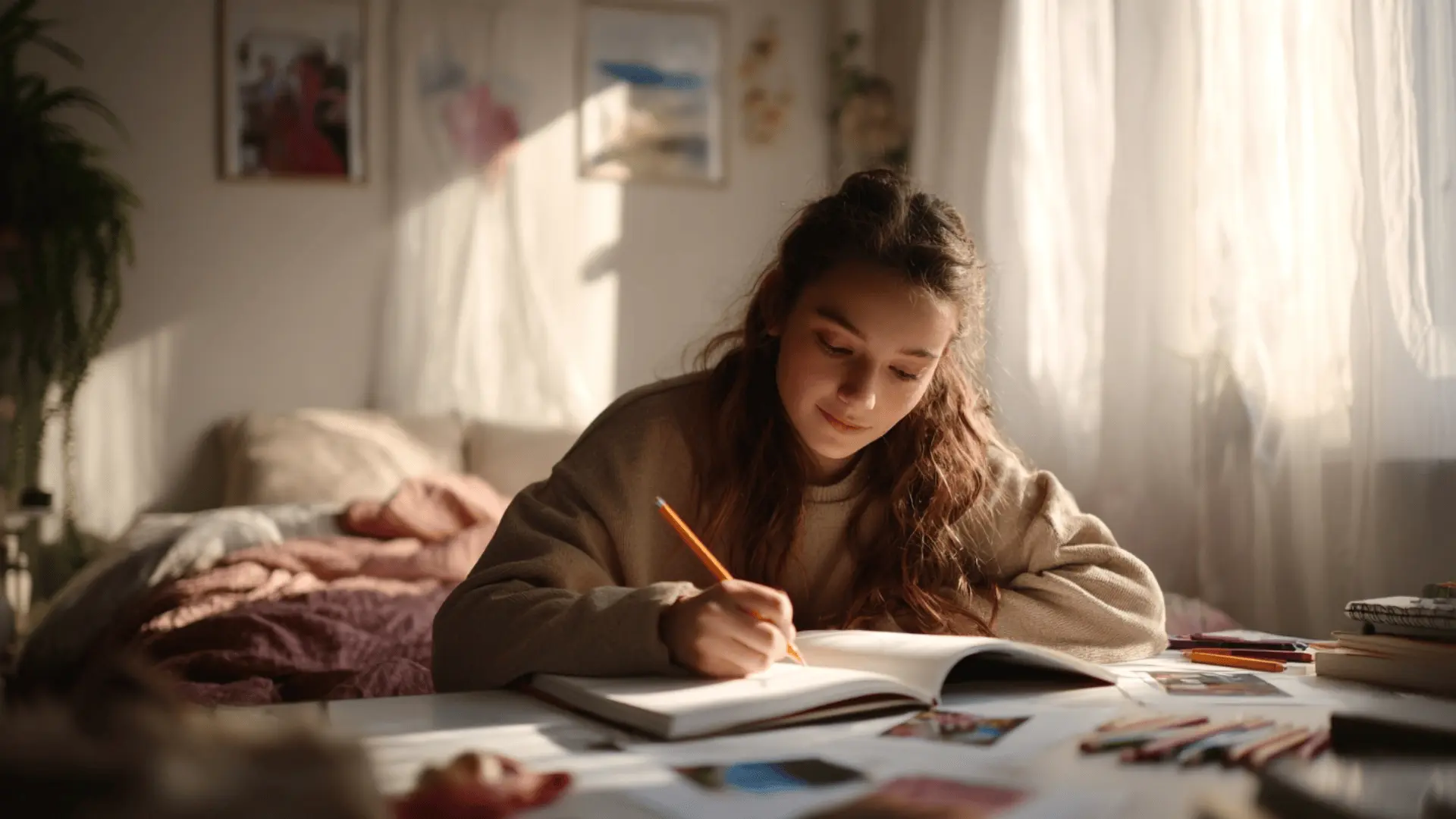
Teens draw or create collages reflecting what they are thankful for, using images, colors, and simple shapes. Attention stays on positive moments and peaceful thoughts.
This gentle creative process supports emotional balance, inner calm, and a feeling of safety. It helps shift focus toward gratitude while creating a soothing space for reflection and emotional comfort.
How To Do It: Invite them to create gratitude pages using art and collage. They can use magazines, glue, paper, and colors.
21. Toilet Paper Sculpture
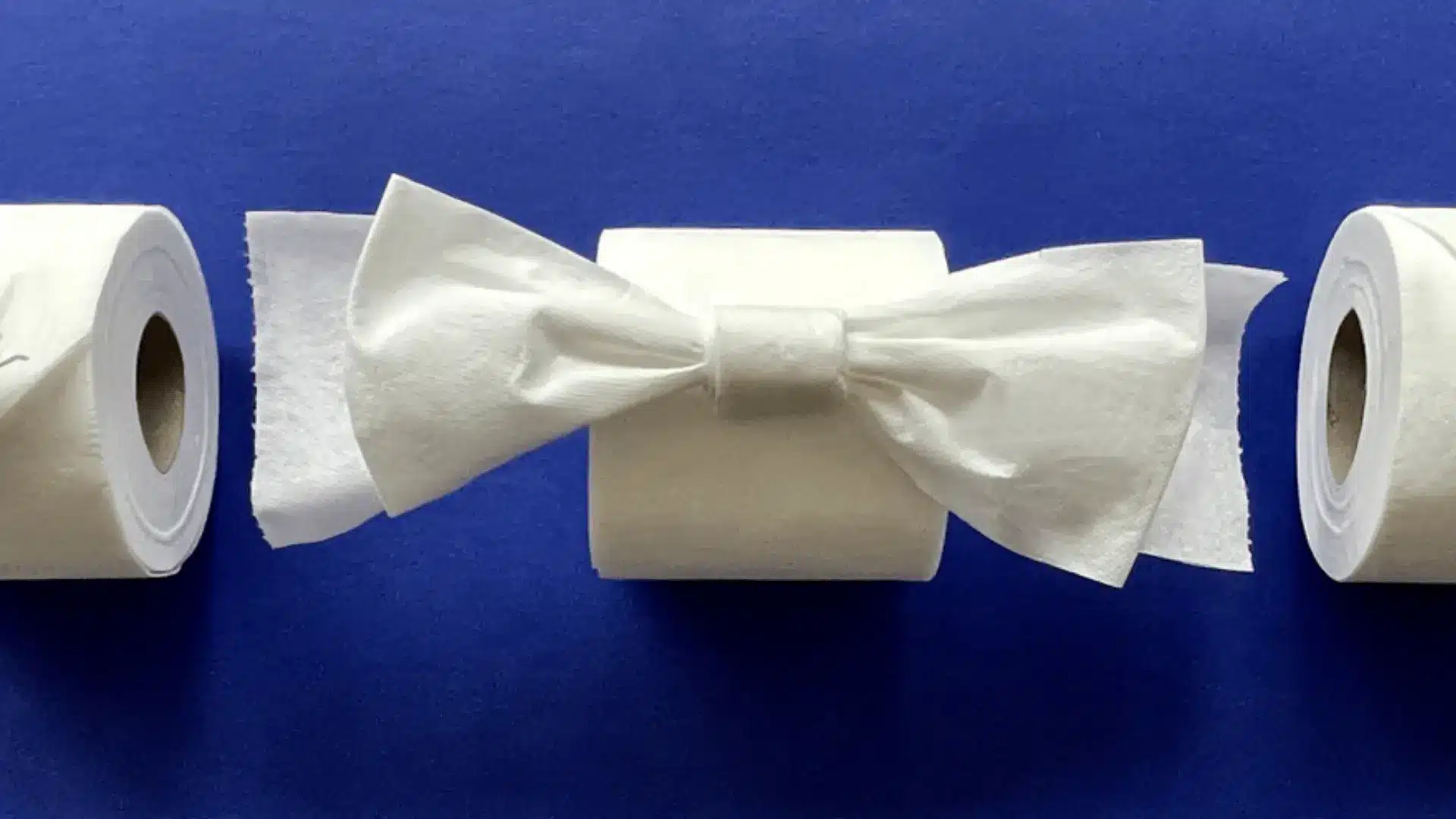
This activity converts simple materials into powerful creative tools. Teens shape, mold, and build freely, turning everyday supplies into expressive sculptures.
This activity, in my view, is meaningful because something so simple can serve as a safe outlet for imagination, emotion, and quiet expression without pressure, rules, or expectations.
How To Do It: Give each teen toilet paper and a soft paste mixture to shape and build sculptures.
22. Safe Anger Painting
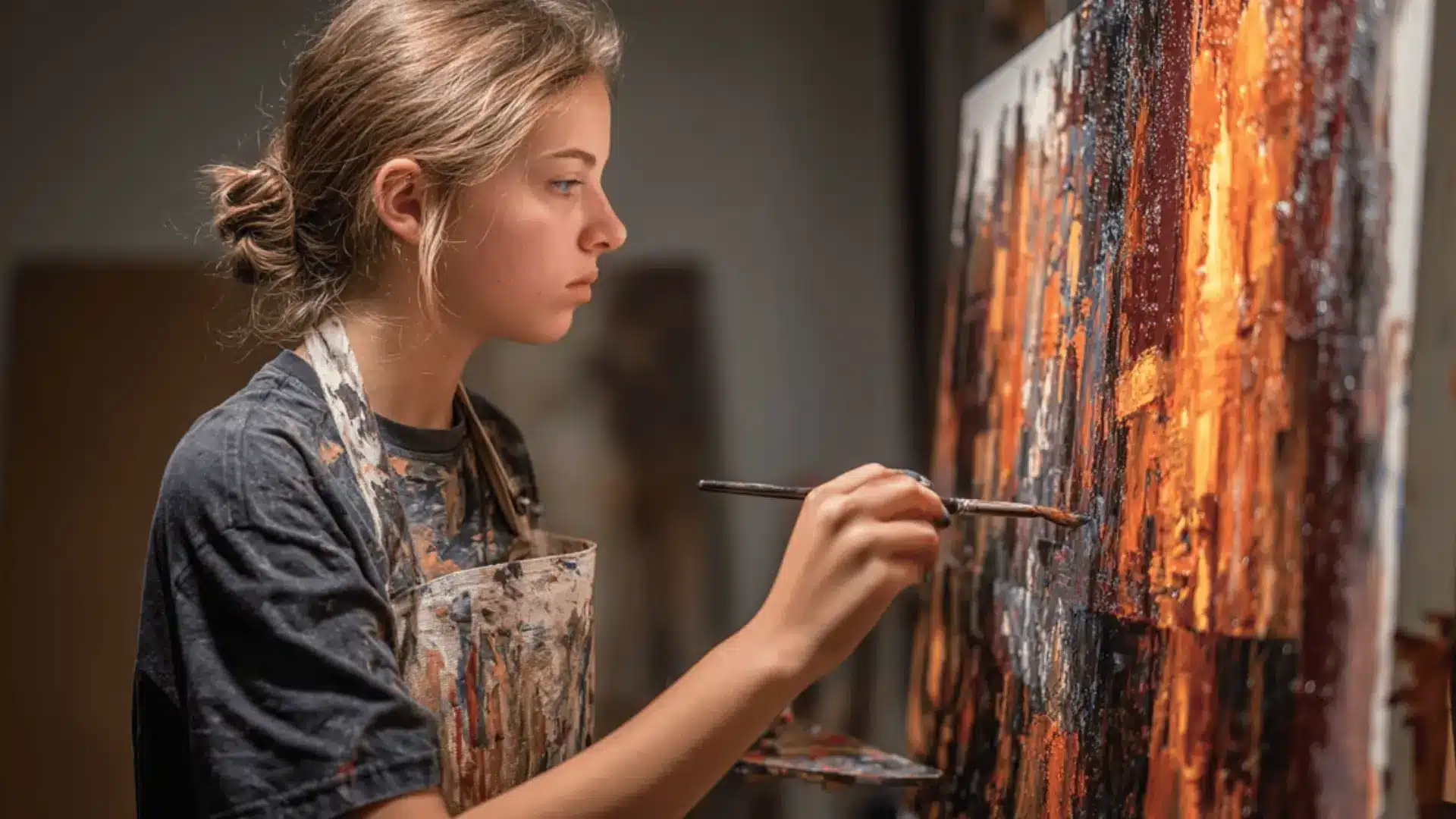
Teens use strong colors, fast movements, and wide strokes to express anger in a safe and healthy way. The page becomes a place where heavy emotions can exist without causing harm.
There are no limits on expression, only care and safety. This process helps release built-up tension, ease emotional pressure, and create relief through powerful, controlled creative movement.
How To Do It: Offer bold colors and thick brushes for strong strokes. Use canvas, thick paper, and paints.
23. Flow Drip Expression
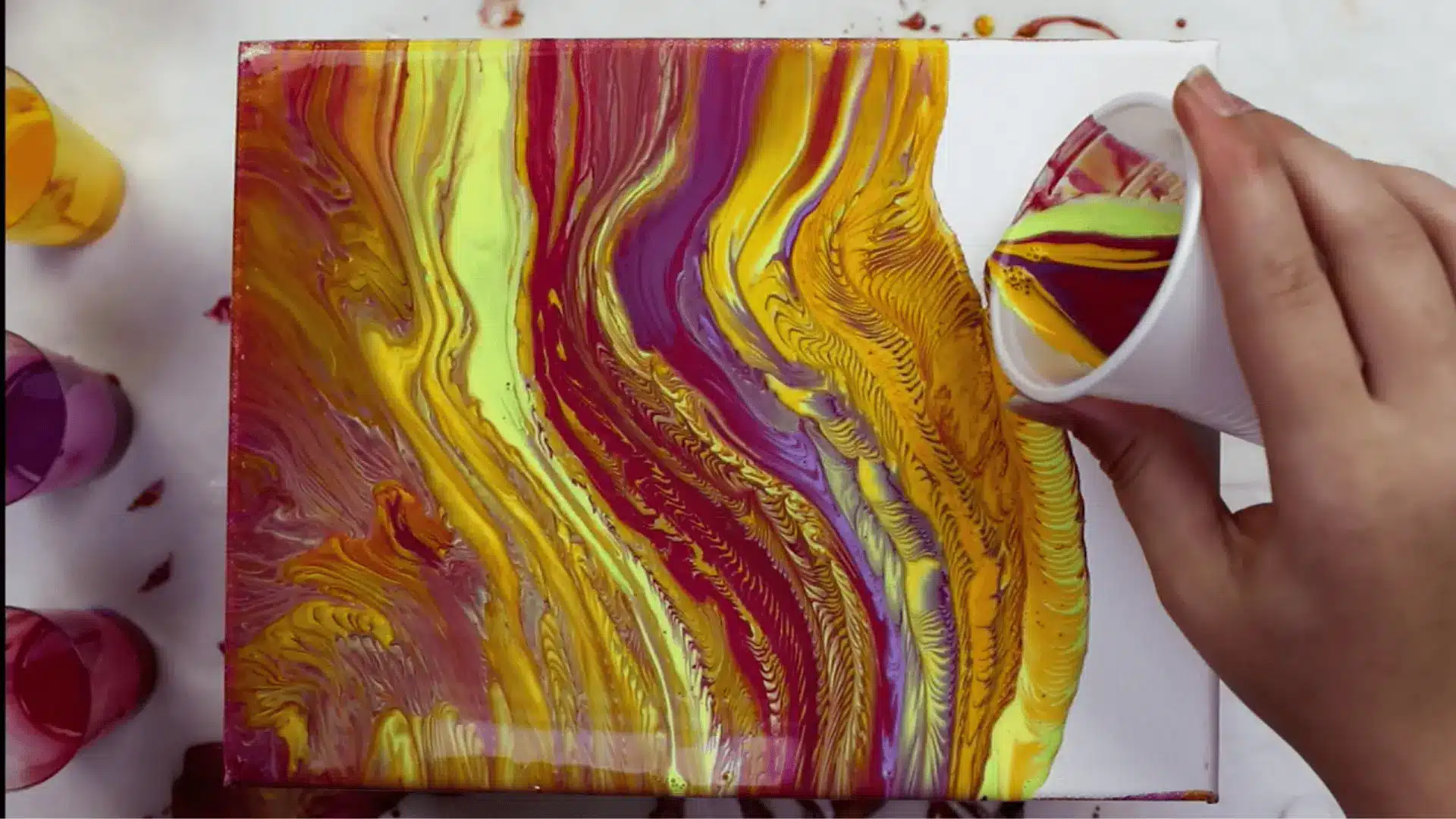
This activity feels like watching emotions come to life. Paint moves freely across the surface, creating natural paths, layers, and patterns without control or pressure.
Teens stay present in the moment, guided by movement rather than planning. It creates space for release and focus at the same time, letting creativity unfold naturally without rules, stress, or expectations.
How To Do It: Set out large sheets of paper or canvases and let teens drip and tilt paint freely with liquid acrylics, squeeze bottles, droppers, and thick paper or canvas.
How To Create A Safe Space For Teen Art Therapy?
A safe space for teen art therapy begins with calm, comfort, and trust. A quiet environment helps teens relax and feel at ease while creating.
There should be no judgment, no correction, and no pressure to explain their art or emotions.
Comfort always comes first, both in the space and in the experience. Soft lighting, relaxed seating, and simple materials help create a peaceful setting.
I believe teens should always lead the process, choosing how they create, what they use, and what they share.
Emotional safety matters more than perfect artwork. When teens feel respected and supported, creativity flows naturally. They feel free to explore feelings, express emotions, and release stress without fear.
A safe space allows art to become a gentle form of care.
Tips For Supporting Teens During Art Activities
Supporting teens during art time means offering calm, trust, and emotional safety. Gentle support helps creativity feel safe, not stressful.
- Respect Their Process: Avoid correcting their art, judging meaning, or pushing for explanations or conversation.
- Allow Quiet Moments: Let silence exist naturally without pressure or discomfort.
- Encourage Gently: Support creativity without forcing results or expectations.
- Respect Privacy: Give space when emotions feel personal or sensitive.
- Celebrate Effort, Not Perfection: Focus on courage and expression rather than beauty or outcomes
When teens feel supported rather than judged, art becomes a safe space for expression, growth, and emotional release.
Wrap-Up
Creative expression doesn’t need rules, plans, or perfection to matter. It only needs space, safety, and freedom.
Art therapy activities for teens offer a gentle way to release emotions and feel understood without pressure.
I believe creativity should feel safe, not stressful, and open, not controlled. When teens, parents, and educators create together, art becomes a shared space of trust, connection, and healing.
Every color, line, and shape becomes a voice when words feel hard.
Try these activities gently, let the process lead, and allow emotions to flow naturally. Start small, create together, and make creativity part of everyday life.
Explore these activities with your teens and share your experiences to inspire others.