

Everyone assumes breaking into healthcare demands years of sacrifice; that’s the problem. But the moment you ask how long it takes to be a phlebotomist, everything shifts.
Why does it matter? Because the answer has been sitting right in front of you the whole time. Most phlebotomy programs take only four to eight months to complete.
You’ll cover anatomy, blood draw techniques, and lab safety. After that, a certification exam stands between you and your new career. Some accelerated programs wrap up in as little as a few weeks.
The needle, the vein, the moment of truth, your future in healthcare is hiding in plain sight
What is a Phlebotomist?
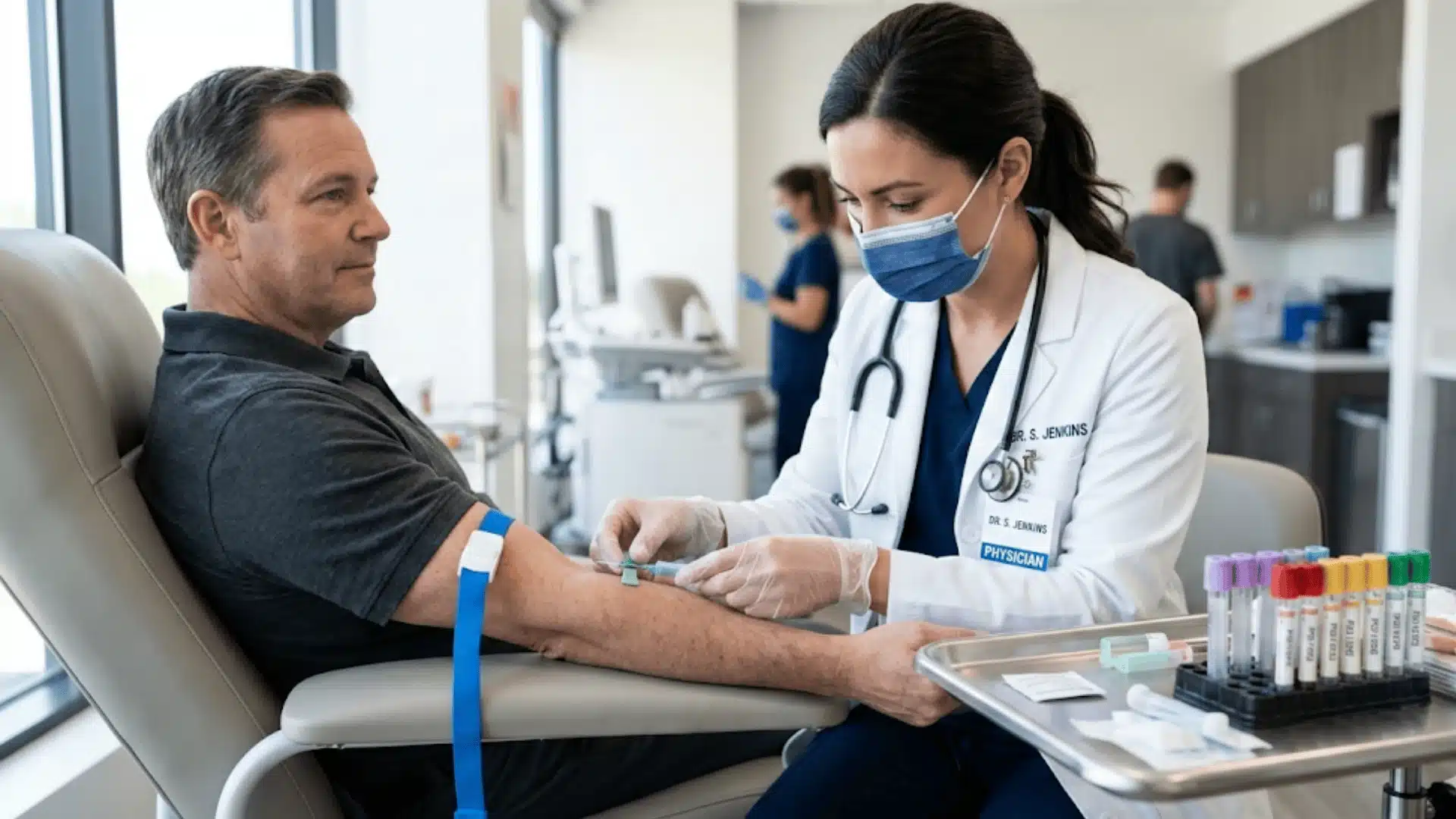
A phlebotomist is a healthcare worker trained to draw blood from patients. Those blood samples go straight to a lab for testing, helping doctors detect conditions such as infections, diabetes, high cholesterol, and many others.
Without accurate blood draws, many diagnoses simply wouldn’t happen. Phlebotomists work in hospitals, clinics, private labs, blood donation centers, and doctors’ offices.
The setting may change, but the main job stays the same: collect blood safely, label it correctly, and ensure it gets to where it needs to go.
What many people don’t realize is that the people side of the job matters just as much as the technical side. A lot of patients are nervous about needles.
A phlebotomist who is calm, patient, and easy to talk to can turn a stressful moment into a much more comfortable one. For anyone who enjoys working with people and wants a hands-on medical role, phlebotomy is worth a serious look.
Who Should Get Phelbotomy Training?
Phlebotomy training is a practical choice for people who want to enter healthcare without spending years in school. It opens the door to hands-on patient care and steady job opportunities in a relatively short time.
- Aspiring healthcare professionals: Ideal for those who want direct patient interaction in hospitals, labs, or clinics without committing to a long degree program first.
- Career changers seeking stability: A strong option for adults looking to transition into a dependable, in-demand healthcare role with manageable training time.
- Future nursing or medical students: Phlebotomy provides valuable clinical experience and patient contact that strengthen applications to healthcare schools.
- Recent high school graduates or GED holders: A fast-track pathway into the workforce for those ready to start earning and gaining experience quickly.
- Current healthcare support workers: Medical assistants, CNAs, or other entry-level professionals can expand their skills and increase job opportunities with phlebotomy training.
How Long Does It Take to Become a Phlebotomist?
There is no single answer here. Most people choose a certificate program because it is faster, more affordable, and widely accepted for entry-level roles. It really depends on the program you pick, how much time you can commit, and the rules in your state.
| Program Type | Typical Duration | Estimated Cost |
|---|---|---|
| Accelerated Certificate | 4–8 weeks | $500–$1,500 |
| Standard Certificate | 8–12 weeks | $700–$2,000 |
| Community College Certificate | 12–16 weeks (1 semester) | $1,000–$3,000 |
| Associate Degree (Related Field) | 2 years | $10,000–$40,000 |
| On-The-Job Training | 3+ months | Varies |
Note: Costs vary a lot by state, school, and whether supplies, uniforms, background checks, or externship fees are included.
Factors That Affect Your Training Timeline
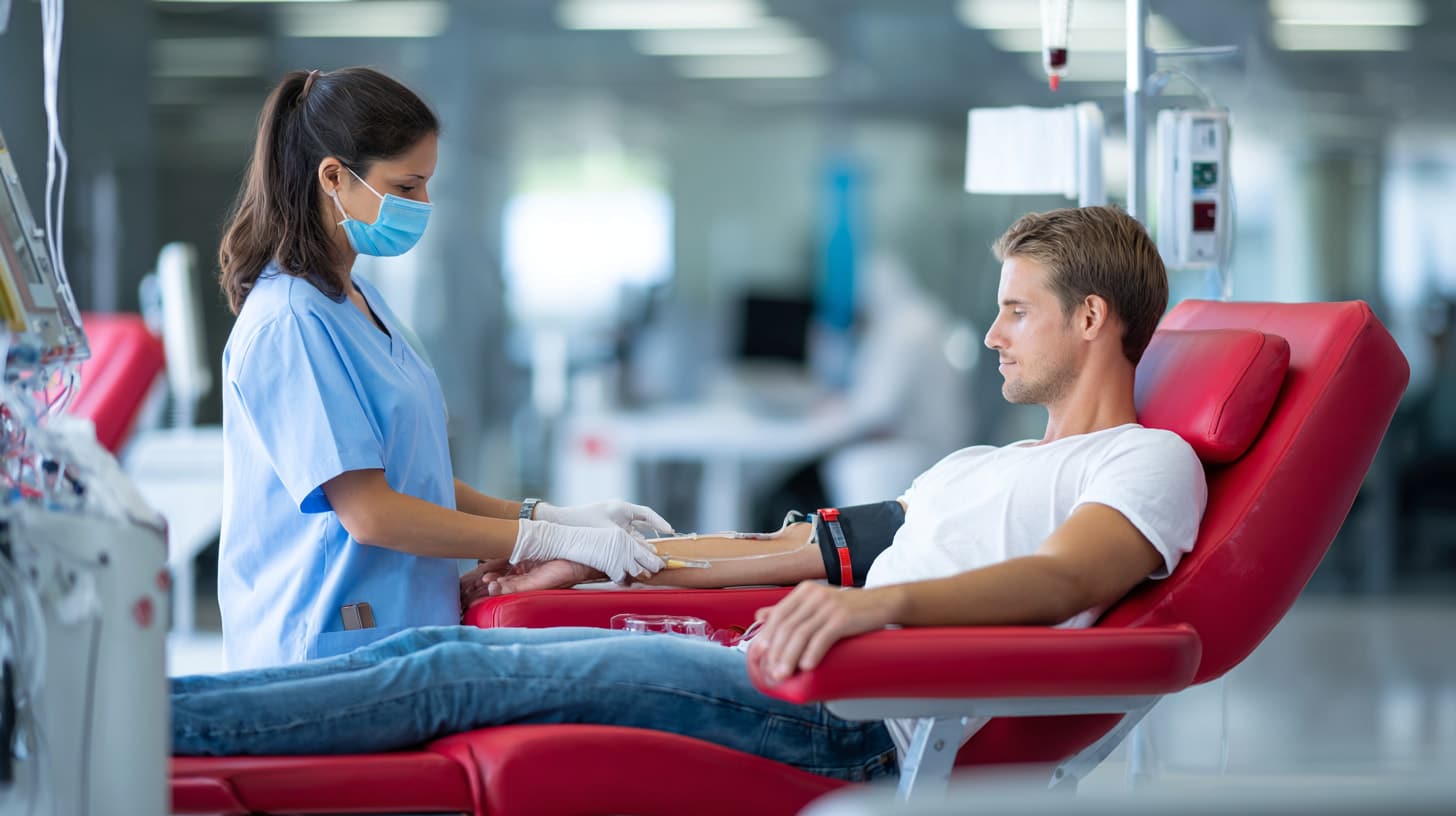
Training length is not set in stone. Several things can push the timeline forward or stretch it out. Understanding what affects the schedule ahead of time helps with planning and avoids any unexpected delays along the way.
- Full-time vs. part-time enrollment: Attending class five days a week cuts training time in half compared to evening or weekend schedules. The curriculum is the same, but the pace is very different.
- State licensing requirements: California, Nevada, Louisiana, and Washington require state licensing on top of national certification. This adds extra steps and can extend the overall timeline depending on where you live.
- Externship availability: Programs without built-in clinical placements may require students to arrange their own. Waiting for an open spot at a facility can add unexpected weeks to the process.
- Exam preparation time: Some students pass on the first try after two weeks of studying. Others need more time or a retake, which adds a few extra weeks to the completion of full certification.
- Program accreditation and format: Accredited programs with structured schedules tend to move more efficiently. Shorter, non-accredited programs may look faster, but can create issues when applying for certification or jobs.
How Long Is Phlebotomy Training by Program Type?
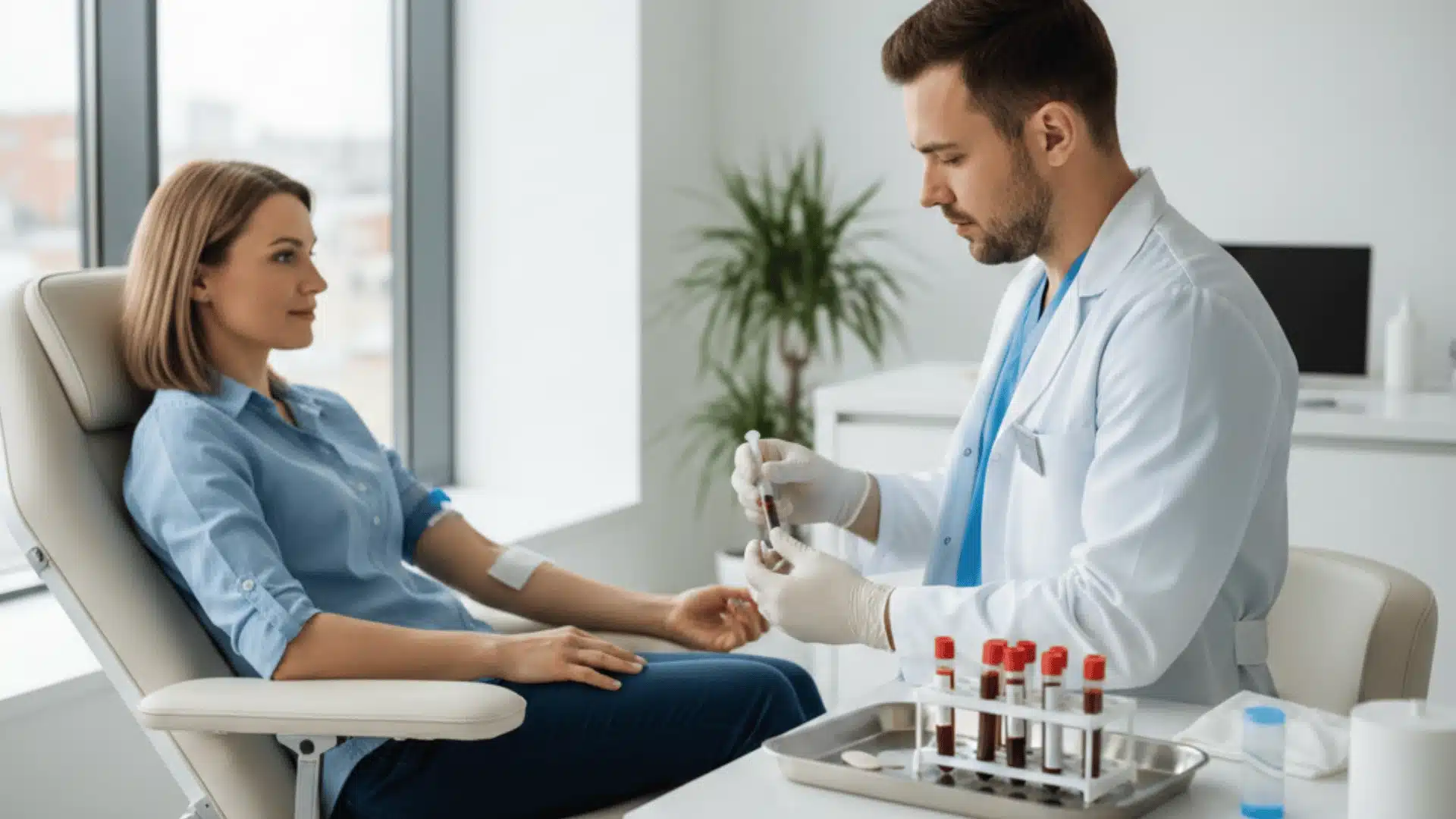
Not all phlebotomy programs are built the same. Some get you job-ready in a matter of weeks, while others take a full semester or more. The right choice comes down to your schedule, budget, and how quickly you want to start working.
1. Certificate Programs
The most popular route for a reason. These programs cover everything needed to become a certified phlebotomist, including anatomy basics, venipuncture, specimen handling, infection control, and patient communication. The pace is manageable, and the finish line comes fast.
- Best for: Anyone who wants to get working quickly without a big financial commitment
- Duration: 4–12 weeks
- Cost: $500–$2,000
2. Online Phlebotomy Programs
Online programs handle the classroom portion from home, which works well for people with busy schedules. Keep in mind that the hands-on clinical hours still have to be completed in person at an approved facility, so it is not fully remote.
- Best for: People who need scheduling flexibility
- Duration: 4–8 weeks (classroom); additional time for in-person clinical hours
- Cost: $500–$1,500
3. Community College Programs
These run for a full semester and often offer evening, weekend, or hybrid schedules. A solid option for anyone who wants a more structured classroom setting, more time with instructors, and a lower tuition bill.
- Best for: Students who want flexibility and an affordable, instructor-led experience
- Duration: 1 semester
- Cost: $1,200–$3,500
4. Associate Degree
A two-year degree is not required to work as a phlebotomist. It only makes sense if phlebotomy is a stepping stone toward a broader healthcare role, such as medical assisting or lab technology.
- Best for: Those planning to advance into other healthcare roles later
- Duration: 2 years
- Cost: $12,000–$45,000
5. On-the-Job Training
Some smaller clinics and labs hire candidates with just a high school diploma and train them directly. These spots are harder to find, and many larger employers still prefer candidates who already hold a formal certification.
- Best for: Career starters who land a role with a training employer
- Duration: 3+ months
- Cost: Usually free (employer-funded)
The length of phlebotomy training depends on the type of program you choose, but most paths are designed to get you job-ready quickly. Choose the format that fits your schedule, career goals, and state requirements so you can move forward without delay.
Certification Exams and Typical Fees
Not every state requires national certification, but most employers prefer candidates who have it. Getting certified shows you have met a recognized standard and can genuinely boost your job applications. Here is a look at the most common certifying organizations and what they typically charge:
| Certifying Organization | Credential | Exam/Application Fee (Typical) |
|---|---|---|
| NHA | CPT | $129 |
| ASCP (BOC) | PBT | $155 |
| AMT | RPT | $125 |
| NCCT | NCPT | $119 |
Fees and policies can change, so always check directly with the certifying organization for the most current information before applying.
Step-by-Step Timeline From Enrollment to Working
The path from signing up to landing your first phlebotomy job is more straightforward than most people expect. Here is a general idea of how the process unfolds, from your first day of enrollment all the way to your first paycheck.
- Get your High School Diploma or GED: This is the starting point before anything else. Most programs will not accept applicants without one. If a GED is still needed, that step comes first.
- Choose a program and enroll: If seats are open, this step can happen fast. Do your research, compare costs, check schedules, and sign up for the option that best fits your situation.
- Finish class and lab practice: This is where you learn the actual skills, from anatomy basics to blood draw techniques. Timeline ranges from a few weeks to a full semester.
- Complete clinical hours or externship: You practice on real patients under supervision. Scheduling depends on your school and the clinical site, so plan for some flexibility here.
- Meet skill requirements: Many programs require a set number of successful blood draws before you can graduate. It is a practical checkpoint to make sure you are truly ready.
- Apply for a certification exam: Not every state requires this, but most employers prefer it. Check what your state and target employers expect before skipping this step.
- Study and take the exam: Most students spend one to four weeks preparing. The exam tests both your knowledge and technique, so give yourself enough time to feel confident.
- Start applying for jobs: Many students get hired at the same site where they completed their externship. It pays to make a good impression while you are still in training.
What You Need Before Starting
Good news, the bar to get started is pretty low. Most phlebotomy programs do not require a college degree or any prior healthcare experience. If starting from scratch, that’s completely fine.
The basic requirements are straightforward. A high school diploma or GED is required, and most programs require students to be at least 18 years old. Some schools also require a basic health screening before the first day of class.
This usually includes proof of certain vaccines, a TB test, and a background check. These requirements vary from school to school, so it’s worth confirming the specifics with the program directly.
That’s really all it takes to get in the door. No medical background, no special prerequisites, just the basics covered and a willingness to learn something new.
State-by-State Considerations
Phlebotomy rules vary from place the place. Most states require only a national certification, but a few have additional licensing requirements. Before picking a program, it’s smart to check what your state actually requires so there are no surprises later.
| State | License Required | Extra Requirements |
|---|---|---|
| California | Yes | CDPH-approved program; min. 40 classroom hrs + 40 clinical hrs |
| Nevada | Yes | State license + national certification |
| Louisiana | Yes | A state license is required to practice |
| Washington | Yes | State certification required |
| New York | No | National certification recommended; employers may set their own requirements |
| All Other States | No | National certification is recommended but not mandatory |
Quick note: Even in states where licensing isn’t required, most employers still prefer or expect candidates to hold a national certification from ASCP, NHA, AMT, or NCCT. It improves hiring chances significantly.
How Long Before Getting a Job After Training?
Hiring speed depends a lot on where you live and the connections you build during your externship. Many graduates find work pretty quickly, especially if they made a good impression at their clinical site.
Some even get hired directly through the facility where they were trained. In terms of the bigger picture, the Bureau of Labor Statistics reported a median pay of $45,820 as of May 2025, with a projected 7% job growth from 2025 to 2035, which remains faster than the average for all occupations.
That is a steady, reliable outlook for an entry-level healthcare role. If you are in an area with hospitals, clinics, or labs nearby, your chances of landing something soon after finishing your program are generally pretty good.
Final Thoughts
If getting into healthcare fast is the goal, phlebotomy is hard to beat, and if you’re wondering how long it takes to be a phlebotomist, the timeline is often shorter than most people expect.
Many people finish training in a matter of weeks and move into entry-level roles shortly after, especially when the program includes hands-on clinical hours.
The path is clear, the cost is manageable, and the demand for trained phlebotomists is steady across the country. Start by checking your state’s specific requirements to know exactly what is expected.
You don’t need a four-year degree or years of experience to get started. You just need the right program and a clear plan.
Ready to take the first step? Start comparing accredited phlebotomy programs in your area today and get one step closer to your first healthcare role.
Frequently Asked Questions
What Is the Shortest Time to Become a Phlebotomist?
The fastest phlebotomy programs wrap up in as little as 4 weeks. They run full-time and cover everything from classroom basics to hands-on practice with blood draws before the certification exam.
Is Phlebotomy Hard to Pass?
Most students find the certification exam manageable with the right prep. It covers anatomy, blood draw techniques, and safety procedures. Studying consistently for 2 to 4 weeks is usually enough.
Is Phlebotomy Harder Than CNA?
CNA training is generally more demanding. It covers a wider range of patient care skills and takes longer to complete. Phlebotomy is more focused, shorter, and easier to finish overall.
How Long Does Phlebotomy Certification Last?
Most phlebotomy certifications are valid for 2 to 3 years. After that, continuing education units are required to renew. Requirements vary slightly depending on the certifying organization you went through.