


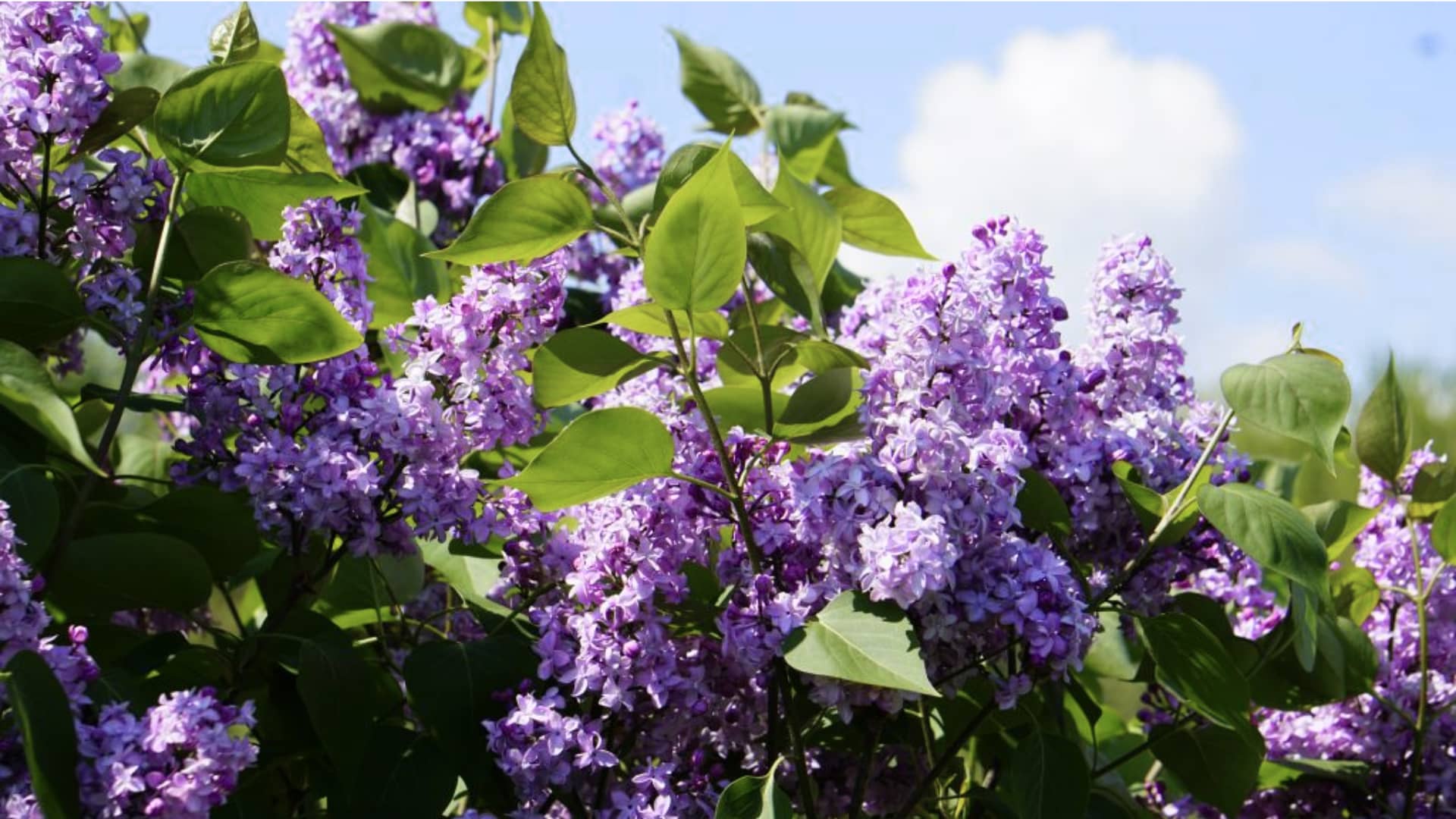
You step outside one spring morning, and the air smells like something out of a dream. That sweet, heavy scent is coming from a lilac bush loaded with purple clusters.
A few days later, the blooms are at their peak, and you swear you will remember the moment forever. Then the next year, you wait and wait, and the show is smaller, late, or missing.
That is when the big question hits: when do lilacs bloom, and why does it feel different every spring?
Lilacs follow a simple rhythm, but it depends on a few details that are easy to miss. Winter cold helps set flower buds. Spring warmth decides how fast those buds open.
Sunlight fuels the whole process. And pruning at the wrong time can snip off next year’s flowers before you even see them. Once you know what to watch for and what to do right after blooming, lilacs become one of the most dependable spring shrubs you can grow.
Understanding the Lilac Bloom Cycle
Lilacs originally come from southeastern Europe and parts of Asia. They were brought to Western Europe in the 1500s and eventually made their way to North America, where they quickly became a favorite in home gardens and farmyards.
Today, they are one of the most recognized flowering shrubs in the country. From a plant science standpoint, lilacs are woody shrubs that grow their flower buds on stems that developed the previous year.
This is what gardeners mean when they say lilacs bloom on “old wood.” The buds form during summer, rest through fall and winter, and then open the following spring.
This is exactly why pruning at the wrong time of year can wipe out an entire season of flowers without you ever realizing what happened.
When Lilacs Bloom by Region and Climate
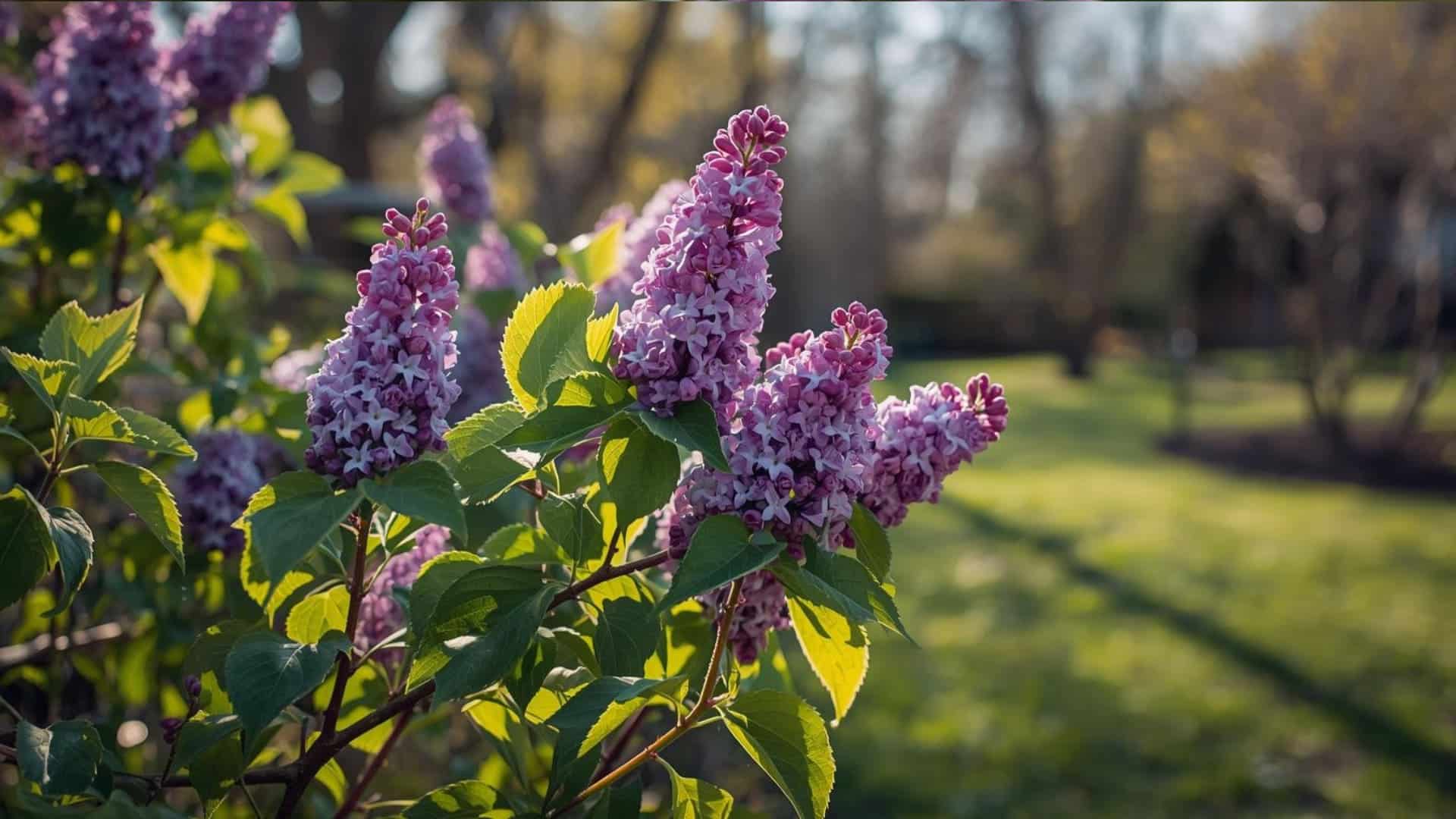
Lilac bloom times vary by region and follow the pace of spring warmth. In the warmest areas, early lilac varieties may open in late February or early March.
In moderate climates, common lilacs often peak from late April through May. In colder regions, bloom may not arrive until late May or early June. Several factors can delay or shorten the show.
A late cold snap after buds begin to swell is one of the biggest risks, since tender buds can be damaged as they start to open.
A drought the previous summer can reduce bud formation, leading to fewer flowers. Heavy shade also limits bloom by lowering energy for bud growth.
How long lilacs bloom depends mostly on temperature. Cool weather can extend bloom for three weeks, while rapid heat may end it in ten days.
Types of Lilacs and How They Affect Bloom Timing
This quick table spots the main lilac types, so you can match bloom timing and size to your yard.
| Type | Description |
|---|---|
| Common Lilacs | Classic, strongly scented shrubs with big flower clusters. They bloom in mid-spring and usually need cold winters to flower well. |
| Early-Blooming Lilacs | Flowers earlier than most, often giving color one to two weeks sooner. Early buds can be more vulnerable to late frosts. |
| Midseason Lilacs | A wide group that blooms during the main lilac window. Many are bred for fuller clusters, neater growth, or healthier leaves. |
| Late-Blooming Lilacs | Bloom after the common lilacs finish, helping extend the season. Some types handle warmer conditions better than classic lilacs. |
| Reblooming Lilacs | Bloom in spring, then produce a smaller second flush later in the year. They need strong sun and correct pruning timing to repeat well. |
| Tree Lilacs | Grow as small trees with creamy white blooms that appear later than most shrubs. Often more tolerant of heat and urban conditions. |
| Dwarf And Compact Lilacs | Smaller shrubs that fit tight spaces and containers. Many remain reliable in milder winters than common lilacs. |
Pick one early, one midseason, and one late type to stretch bloom season. Add a rebloomer only if desired.
The Ideal Growing Conditions for Reliable Lilac Blooms
Growing Conditions for Lilacs explains the key basics that control bloom quality: climate, sunlight, soil drainage, feeding, and spacing. When these are right, lilacs set buds well, flower longer, and stay healthier year after year.
Winter Chill and Climate Needs
Lilacs flower most reliably in zones 3 to 7, where winters stay cold and spring warms up slowly. Winter chill helps the plant set flower buds, so warm winters can cause weak blooming.
Spring heat can shift bloom earlier or shorten it. Avoid reflected heat from walls or pavement, and choose a spot with gentle airflow.
How Much Sun Lilacs Really Need
Lilacs need full sun to bloom well. Aim for at least six hours of direct light each day; closer to eight hours often yields fuller flowering.
In partial shade, plants may look healthy but set fewer buds. In heavy shade, flowering can almost stop. Trim nearby branches or move young shrubs to brighter light.
Soil Conditions That Support Healthy Roots
Lilacs prefer well-draining soil so roots can breathe between waterings. If roots sit in wet soil, the plant weakens and flowering drops.
They also do best in slightly alkaline to neutral soil, around pH 6.5 to 7.0. Mulch helps steady moisture, but keep it pulled back from stems to prevent rot.
Feeding Lilacs Without Sacrificing Flowers
Most established lilacs do not need much fertilizer. A yearly spring layer of compost is often enough for steady growth and good bloom.
Too much nitrogen is a common mistake because it pushes leafy growth and reduces flowers, especially if lawn fertilizer reaches the roots. If feeding is needed, use a balanced product only in early spring.
Planting Lilacs
Plant lilacs in early spring or in fall while temperatures are mild. Set the root flare at soil level and avoid planting too deep.
Give shrubs enough space for airflow, since crowding can increase mildew and reduce blooms over time. Water deeply during the first growing season when rain is low, especially in summer.
Three Seasons of Blooming With the Right Lilacs
With smart variety choices, lilacs can flower in waves instead of all at once, giving you a longer season of color.
- Spring Peak: Common lilacs and midseason hybrids create the biggest spring show, with the strongest scent and fullest clusters. Planting two or three varieties that bloom at slightly different times can stretch spring flowers to about three or four weeks.
- Early Summer Extension: Late-blooming lilacs step in after the spring flush. Types like Syringa villosa and Preston hybrids often bloom later, and Japanese tree lilac can follow with creamy clusters, keeping lilac flowers going into early summer.
- Late-Season Rebloom: Reblooming lilacs like Bloomerang can flower again after spring. The second flush is smaller and lighter, but it adds fresh color in late summer or fall when most shrubs are finished.
These three bloom waves help you enjoy lilacs longer, especially when you mix early, mid, late, and reblooming varieties.
When and How to Prune Lilacs
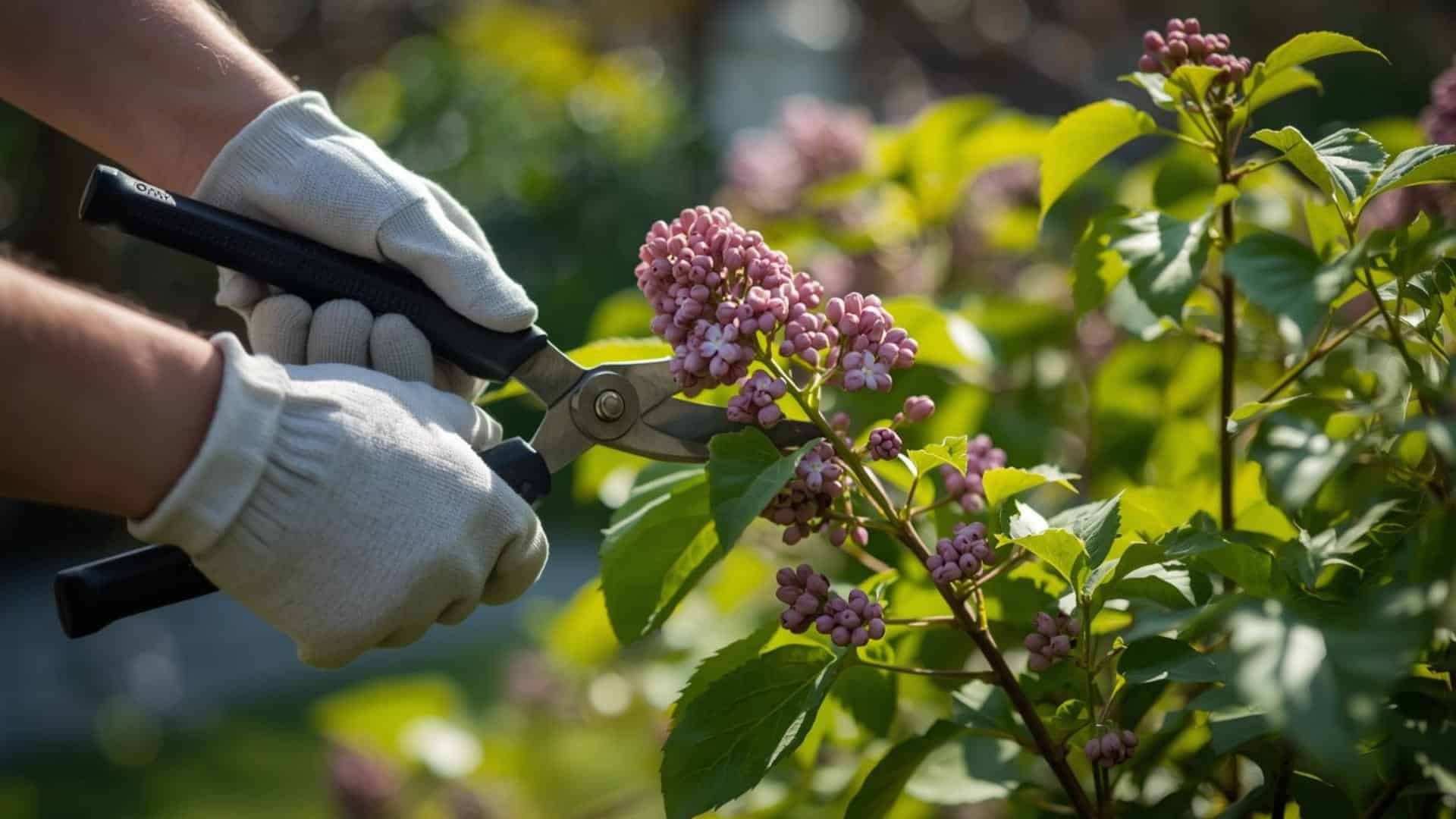
As soon as your lilac finishes blooming, that is your window to act. Within the next two to three weeks, clip off the faded flower clusters, cutting just above the first strong set of leaves beneath them, so you clean up the shrub without removing the growth that will carry next year’s buds.
While you are there, step back and look at the shape. If the center feels crowded or the stems are packed tightly, remove a few of the oldest, thickest canes at or near ground level to let light in and improve airflow.
Then stop. Avoid pruning later in the season, because lilacs start setting next year’s flower buds soon after blooming, and late cuts can quietly erase next spring’s flowers.
If the plant is very old and flowering has dropped, refresh it slowly by taking out about one-third of the oldest stems each year for three years.
Why Mackinac Island Has Such Spectacular Lilac BloomsMackinac Island in Michigan is famous for its strong lilac displays and hosts a Lilac Festival each spring that draws visitors for the scent and color. Its Great Lakes setting helps explain the long bloom. The water around the island softens temperature swings, so spring warms slowly instead of rushing from cold to hot. That gradual warming lets buds open at a steadier pace, and flowers often last longer than they do in places where temperatures jump quickly. You can borrow a few ideas at home. Keep roots cooler with mulch, plant where air can move through the shrub, and choose midseason bloomers rather than very early types to reduce frost risk. |
Lilac Propagation Tips and Methods
Try these simple propagation tips to create new lilac plants at home, using methods that match your time, tools, and patience.
- Suckers: Look for new shoots at the base. If one has roots, dig it carefully, replant it, and water consistently for the first season.
- Softwood Cuttings: In late spring or early summer, cut 4- to 6-inch flexible stems, remove the lower leaves, apply rooting hormone, and plant in perlite and peat. Keep humid until roots form.
- Layering: Bend a low stem to the ground, lightly wrap it, bury part of it, and pin it down. Keep moist. After roots form, cut it free and replant.
- Growing From Seed: Seeds can work, but plants may differ from the parent and take years to bloom. Use this only if you enjoy surprises and waiting.
Pick the method that fits your setup. Suckers are fastest, cuttings are reliable, layering is low effort, and seed is slow.
Lilac Care Basics That Keep Blooms Coming
Use this table as a quick care checklist to keep lilacs healthy, reduce stress, and support strong flowering each spring.
| Care Need | What To Do |
|---|---|
| Sun | Plant in full sun, aiming for 6 to 8 hours of direct light for stronger bud set and fuller bloom. |
| Soil Drainage | Use well-draining soil and avoid low spots where water sits, since wet roots reduce vigor and flowering. |
| Spacing | Give enough room for airflow, so foliage dries faster, and the shrub stays healthier as it fills out. |
| Water | Water deeply during long dry spells, especially in midsummer when next spring’s buds are forming. |
| Feeding | Add compost in spring if needed. Avoid high-nitrogen fertilizers that promote leaf growth over flowers. |
| Pruning | Prune right after flowering, then stop, since later pruning often removes next year’s buds. |
Stick to these basics, and lilacs become much easier to manage, with steadier blooms, healthier leaves, and fewer common issues.
Common Lilac Mistakes To Avoid
These common lilac mistakes often lead to weak blooms, short flowering, or shrubs that look healthy but disappoint year after year.
- Planting in shade, which limits bud formation and cuts flowering.
- Growing in wet, poorly draining soil, which stresses roots and reduces vigor.
- Overfeeding with high-nitrogen fertilizer or lawn fertilizer, which boosts leaves instead of flowers.
- Letting the shrub dry out in midsummer, when next spring’s buds are forming.
- Pruning at the wrong time, especially late-season cuts that remove next year’s buds.
- Crowding plants without airflow, which increases mildew and slowly reduces bloom quality.
Fixing these basics often brings back fuller blooms and keeps lilacs strong, tidy, and easier to manage each season.
Conclusion
Lilacs are one of those plants that teach patience in a good way. You cannot rush the buds, but you can set the shrub up so it does its job every year.
Give it sun, keep the roots out of soggy soil, and water during dry spells when the plant is quietly building next spring’s flowers.
Treat fertilizer like a light snack, not a full meal, and keep nitrogen low so blooms stay the priority. Most of all, respect the calendar.
Prune right after flowering, then leave it alone so next year’s buds can form and rest. When those choices become routine, the question of when lilacs bloom stops feeling stressful and starts feeling exciting, because you know the flowers are coming.
And when they do, that scent in the air feels like a reward you earned.
Frequently Asked Questions
Can I Grow Lilacs Indoors In A Pot?
Lilacs are outdoor shrubs and rarely thrive indoors long-term. They need winter cold, strong sun, and space. A patio pot outdoors works better.
Are Lilacs Safe For Pets?
Lilacs are generally considered low-toxic, but pets can still experience stomach upset if they chew the leaves or flowers. Keep heavy chewers away.
Why Do My Lilac Flowers Turn Brown In The Vase?
Lilacs wilt fast indoors if stems are not conditioned. Cut early, recut stems, remove leaves below the water, and use clean, cool water.
Do Lilacs Attract Bees Or Other Pollinators?
Yes, lilac flowers often attract bees and other pollinators during bloom, especially on calm, sunny days when the scent is strongest.