



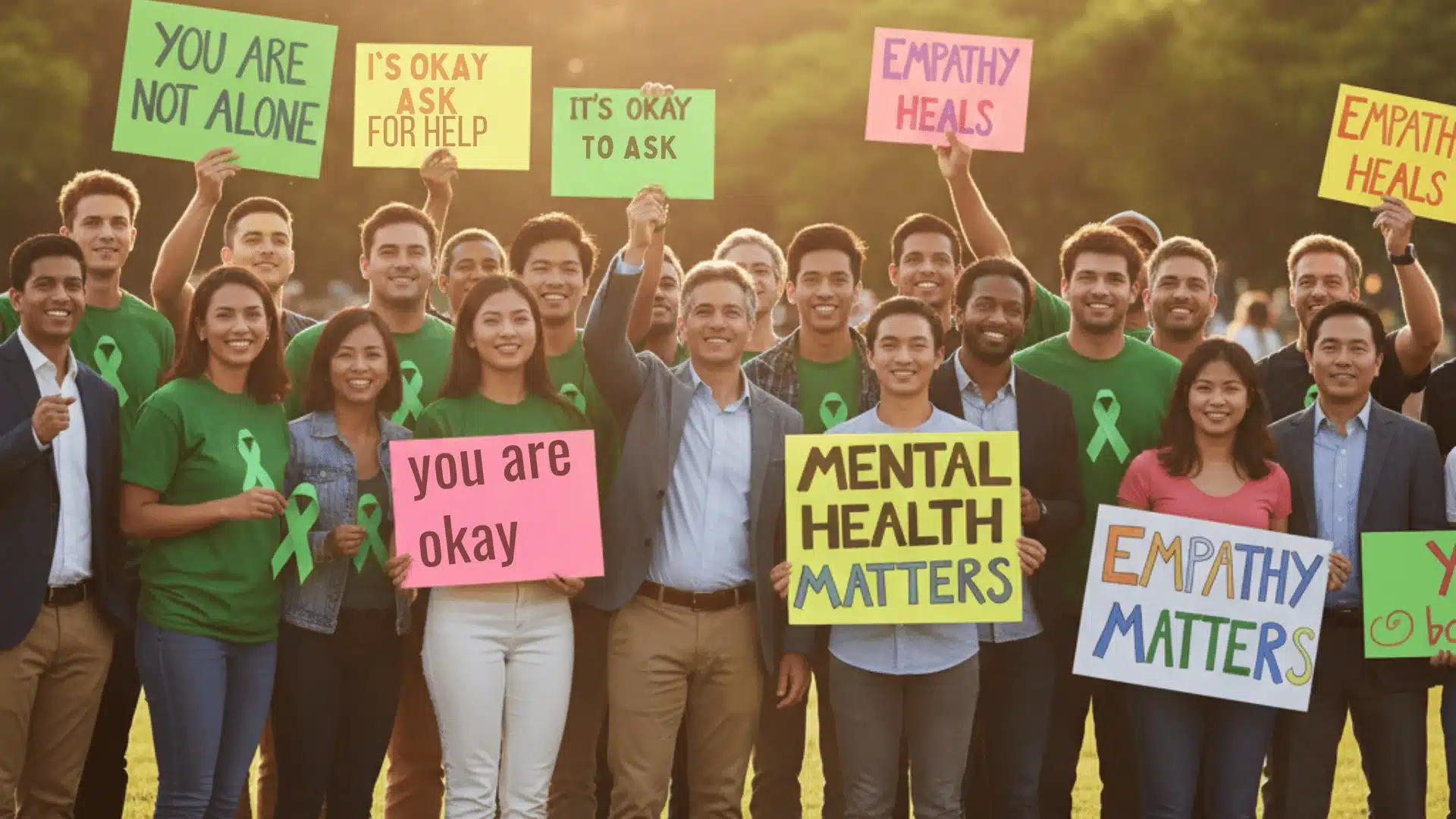
Mental Health Awareness Month activities are more than just events on a calendar; they’re doorways to something you didn’t know you needed.
Every May, you get the chance to pause, reflect, and reconnect with the part of you that often gets ignored.
You can join a mindfulness walk, take part in journaling challenges, attend open conversations about anxiety and stress, or simply wear green to show your support.
You might volunteer, listen to someone who needs to be heard, or finally start that therapy session you’ve been putting off. The question isn’t whether these activities can change you.
Why We Celebrate Mental Health Awareness Month
Mental Health Awareness Month exists because silence around mental health has cost too many people too much for too long. Where this month comes from gives the celebration real weight and lasting purpose.
The Origins: How It All Started
Mental Health Awareness Month began in the United States in 1949, launched by Mental Health America (then known as the National Association for Mental Health).
The goal was straightforward shift public perception, reduce fear, and encourage people to seek care without shame.
Over seven decades later, that founding intention still drives every walk, workshop, and conversation held each May.
Why May Was Chosen
May was selected deliberately. Spring is associated with renewal and openness, making it an ideal time to encourage people to reflect on their mental well-being.
Longer days and warmer weather also make community events more accessible. The timing has proven effective. May is now the most active month globally for mental health campaigns, policy conversations, and public awareness efforts.
From Awareness To Action: How The Month Has Evolved
Early observances focused almost entirely on reducing stigma through education.
Today, the month drives policy reform, workplace mental health standards, school counseling advocacy, and increased funding for public mental health services.
The shift from awareness alone to measurable change marks a significant turning point. Communities now use May not just to talk about mental health but to build systems that support it year-round.
Why Mental Health Awareness Month Activities Matter
Mental Health Awareness Month activities help people understand mental health and reduce stigma. Many individuals experience anxiety, depression, or stress each year.
National data shows that nearly 60 million adults in the United States live with a mental health condition. Awareness efforts provide clear information and encourage early support.
These activities increase knowledge about common conditions, promote open conversations, and guide people to trusted resources such as school counselors, employee assistance programs, and crisis lines.
For example, a workplace workshop can teach staff how to recognize warning signs, while a school event can share local counseling options.
Workplace Mental Health Awareness Activities
Workplaces shape how people feel every single day. The right mental health awareness activities at work can build a healthier culture, reduce burnout, and show employees that their well-being truly matters.
1. Mental Health Lunch And Learn

A lunch-and-learn brings employees together during a regular break to hear from a mental health professional or trained speaker. Keep sessions to 30-45 minutes.
Cover practical topics like managing stress or recognizing burnout. Provide food to encourage attendance. Follow up with a resource sheet so employees can revisit key takeaways after the session ends.
2. No-Meeting Mental Wellness Day

Block one full day each month where no internal meetings are scheduled. It gives employees uninterrupted time to focus, rest, or recharge.
Communicate the purpose clearly so staff actually use the time intentionally. Pair it with optional wellness activities, such as a guided meditation link or a short outdoor walk during the lunch hour.
3. Gratitude Wall Initiative

Set up a physical or digital board where employees post notes about things they appreciate at work or in life. Update it weekly to maintain momentum.
Gratitude practices have been linked to lower stress and improved mood. A visible wall also sparks organic conversations and reminds the entire team of shared positive experiences throughout the month.
4. 30-Day Self-Care Challenge

Create a simple calendar with one small self-care task for each day in May. Tasks can include drinking more water, taking a short walk, or calling a friend. Share it company-wide through email or a team app.
Encourage employees to check off completed tasks. Light accountability, like a group chat, keeps participation high without adding pressure.
5. Free Or Subsidized TherapySessions

Partner with a local therapy practice or an employee assistance program to offer free or reduced-cost sessions during May. Promote the benefit clearly and repeatedly so employees know it exists.
Remove barriers by offering both in-person and virtual appointment options. Even a small number of covered sessions can encourage someone to seek help for the first time.
6. Leadership Vulnerability Storytelling Session

Invite managers and senior leaders to share brief, personal stories about their own mental health experiences. Hearing from leadership normalizes struggle and reduces stigma across the organization.
Keep sessions voluntary for both speakers and attendees. A short 20-minute format works well. When leaders speak openly, it signals that mental health conversations are safe and welcome at every level.
7. Anonymous Mental Health Check-In Survey

Send a short, anonymous survey to gauge employees’ feelings about stress, workload, and overall well-being. Keep it under ten questions. Use the results to identify gaps and improve support programs.
Share a summary of findings with the team to show that feedback leads to real action. Transparency builds trust and encourages future participation.
8. Wellness Resource Toolkit Distribution

Compile a digital or printed toolkit that includes mental health apps, local crisis lines, self-help tips, and information about available employee benefits.
Distribute it at the start of May, so employees have resources on hand throughout the month. A well-organized toolkit removes the guesswork from finding help and gives every employee a practical starting point for supporting their own mental health.
9. Mental Health Policy Review Week

Set aside one week to review company policies around workload, leave, and workplace flexibility. Share a short anonymous survey asking employees what changes would improve their well-being.
Collect responses and present a clear summary of planned improvements to the full team. Transparent follow-through builds trust. When employees see feedback lead to real change, engagement and morale improve noticeably.
10. Quiet Room Or Reset Space

Designate a small, dedicated room where employees can step away from their desks for short breaks, quiet reflection, or mental decompression during the workday.
Stock it with comfortable seating, soft lighting, and calming resources such as journals or guided-breathing cards. A reset space signals that rest is valued. Even ten minutes of quiet can meaningfully reduce stress and improve afternoon focus.
By prioritizing open conversations and wellness initiatives, organizations can strengthen team morale, reduce burnout, and build a healthier, more productive culture.
School And University Activities
Addressing mental health early makes a lasting difference. Schools and universities that prioritize student wellbeing create safer spaces, improve academic performance, and help young people build emotional resilience before challenges become crises.
11. Mental Health Art Or Poster Contest

Invite students to express their feelings about mental health through original artwork or poster designs. Open the contest to all grade levels or departments. Display entries in hallways, libraries, or on school social media pages.
Creative expression gives students a low-pressure outlet to process emotions. Winning entries can become part of ongoing awareness campaigns throughout the school year.
12. Kindness Week Campaign

Dedicate one week to intentional acts of kindness across the entire school community. Give students daily kindness prompts, such as writing an encouraging note or complimenting a classmate.
Track and celebrate participation through a shared display or announcement board. Kindness campaigns improve social connection and reduce feelings of isolation. They also shift school culture in small but meaningful ways over time.
13. Peer Support Circles

Train a group of student volunteers to facilitate small, structured peer support conversations. Meet weekly in a safe, confidential setting. Focus discussions on common challenges like stress, friendships, and academic pressure.
Peer support works because students often open up more easily to each other than to adults. A faculty advisor should oversee the program to ensure sessions stay safe and supportive.
14. Mindfulness Or Yoga Sessions

Offer short mindfulness or beginner yoga sessions before school, during lunch, or after classes. Keep sessions between 15 and 30 minutes. No prior experience should be required for participation.
Regular mindfulness practice helps students manage anxiety and improve focus. Partner with a local instructor or use a free app to keep costs low. Even two sessions per week can produce noticeable results.
15. “You Matter” Affirmation Board
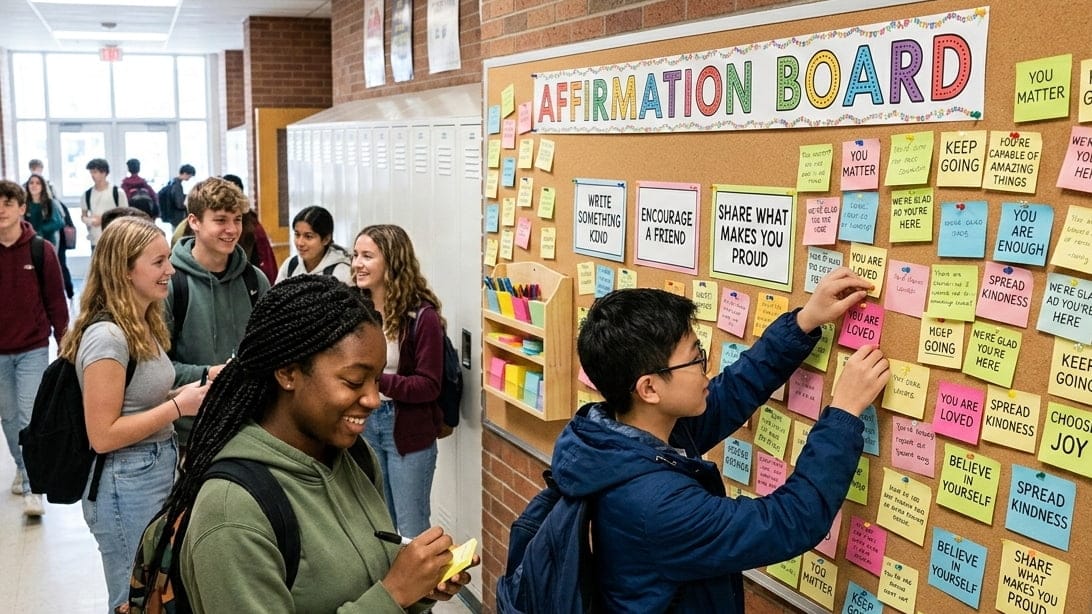
Place a large board in a central location in the school where students and staff can post encouraging messages for the wider community. Provide sticky notes, markers, and simple prompts to get participation started.
Rotate the prompts weekly to keep the board fresh. Seeing positive affirmations throughout the day reinforces a sense of belonging. This simple activity costs very little but creates a visible culture of care.
16. Student-Led Mental Health Awareness Assembly

Allow students to plan and present a school-wide assembly focused on mental health awareness. Students can share personal stories, perform spoken word pieces, or present research on mental health topics.
Student-led events carry more influence with peers than adult-driven programs. Work with a faculty advisor to review content beforehand. A well-organized assembly can spark conversations that continue long after the event ends.
17. Stress Management Workshop For Exams

Schedule a practical workshop in the weeks leading up to exam season. Teach students simple breathing techniques, realistic time-management methods, and healthy coping strategies for managing stress.
Keep sessions interactive and small-group based for better engagement. Partner with a school counselor or licensed therapist to lead the content. Students who attend leave with concrete tools they can use immediately.
18. Parent Education Night On Student Mental Health

Host an evening session designed specifically for parents and guardians. Bring in a school counselor or mental health professional to walk through common warning signs, age-appropriate communication tips, and available local support resources.
Keep the format conversational and leave time for questions. Parents who understand mental health signals early can intervene sooner and support their children more effectively at home.
By creating safe spaces, encouraging open dialogue, and offering supportive programs, educational institutions can foster resilience and emotional well-being across campus communities.
Community-Based Mental Health Awareness Activities
Mental health awareness extends beyond walls. Community-based activities reach people who may never set foot in a school or workplace program, creating broader conversations that reduce stigma across entire neighborhoods and towns.
19. Community Walk For Mental Wellness

Organize a group walk through a local park or neighborhood to raise awareness and encourage physical activity. Walks are free, inclusive, and easy to plan. Add simple signage with mental health facts along the route.
Partner with a local organization to boost turnout. Physical movement supports emotional well-being, and a shared walk builds community in a relaxed, approachable setting.
20. Outdoor Group Meditation Event

Host a free guided meditation session in a public park or open community space. Invite a local instructor or use a free audio resource to lead the session. Keep it beginner-friendly and open to all ages.
Outdoor settings naturally reduce stress and encourage attendance. Promote the event on community boards, social media, and at local libraries at least 2 weeks in advance.
21. Mental Health Awareness Fair
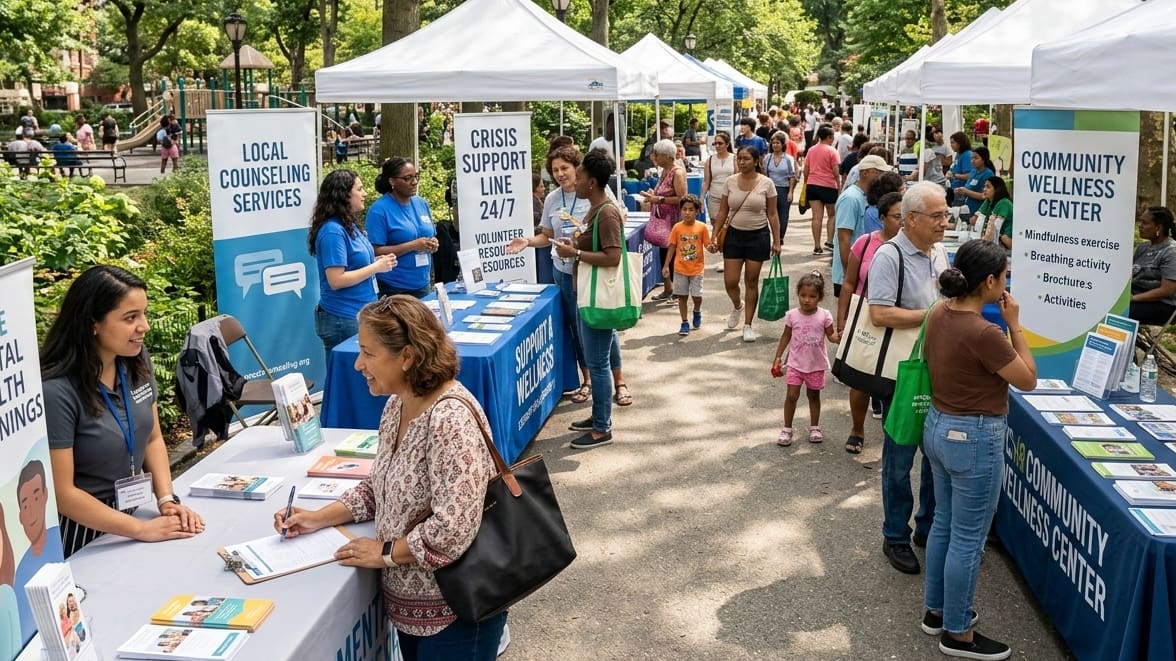
Set up a community fair with booths from local mental health organizations, therapists, crisis lines, and wellness providers. Offer free screenings, resource packets, and interactive activities for visitors of all ages.
Fairs provide a welcoming entry point for people who are hesitant to seek help. Choose a high-traffic location, such as a community center or park, to maximize reach and attendance.
22. Local Panel Discussion WithExperts

Bring together mental health professionals, community leaders, and people with lived experience for an open panel discussion. Host the event at a library, community hall, or place of worship.
Keep the format conversational and leave time for audience questions. Panel discussions give community members direct access to credible information. They also humanize mental health topics in a way that printed resources cannot.
23. Story-Sharing Campaign

Invite community members to share short personal stories about mental health through a social media page or a printed display. Keep submissions anonymous if contributors prefer.
Stories build empathy and remind others that they are not alone in their struggles. Partner with a local nonprofit or media outlet to extend the campaign’s reach.
Even a small collection of stories can shift how a community talks about mental health.
24. Mental Health Book Club

Host meetings at a library, coffee shop, or online. Choose books that are accessible and relevant to a general adult audience.
Reading and discussing shared experiences creates meaningful dialogue. Provide a list of discussion questions to keep conversations focused and inclusive for members joining for the first time.
25. Mental Health Resource Map Campaign

Create a simple, well-organized local guide listing nearby counseling centers, crisis lines, peer support groups, and low-cost or free mental health services.
Distribute it as a printed flyer and a shareable digital document through community centers, libraries, and social media pages.
An easy-to-read resource map removes the frustration of finding help and connects people to support exactly when they need it most.
26. Community Gratitude Tree Installation
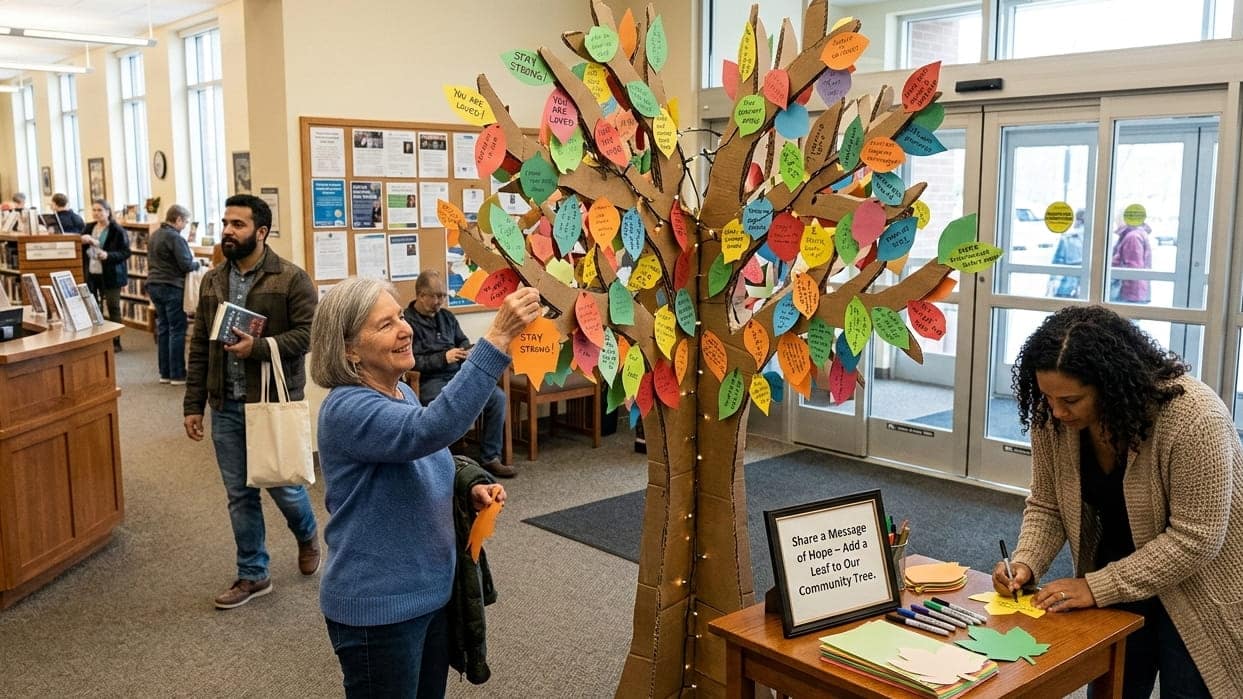
Set up a large, tree-shaped display in a public space, such as a library, community center, or park entrance.
Provide paper leaves and pens so residents can write notes of appreciation, hope, or encouragement and hang them on the branches.
Refresh the display weekly throughout May. A visible, growing collection of positive messages reminds the entire community that connection and kindness exist all around them.
Virtual And Social MediaActivities
Digital platforms remove location barriers entirely. Virtual and social media activities extend mental health awareness to wider audiences, reaching people who prefer online spaces or cannot attend in-person events.
27. Instagram Or Facebook Live Q&A
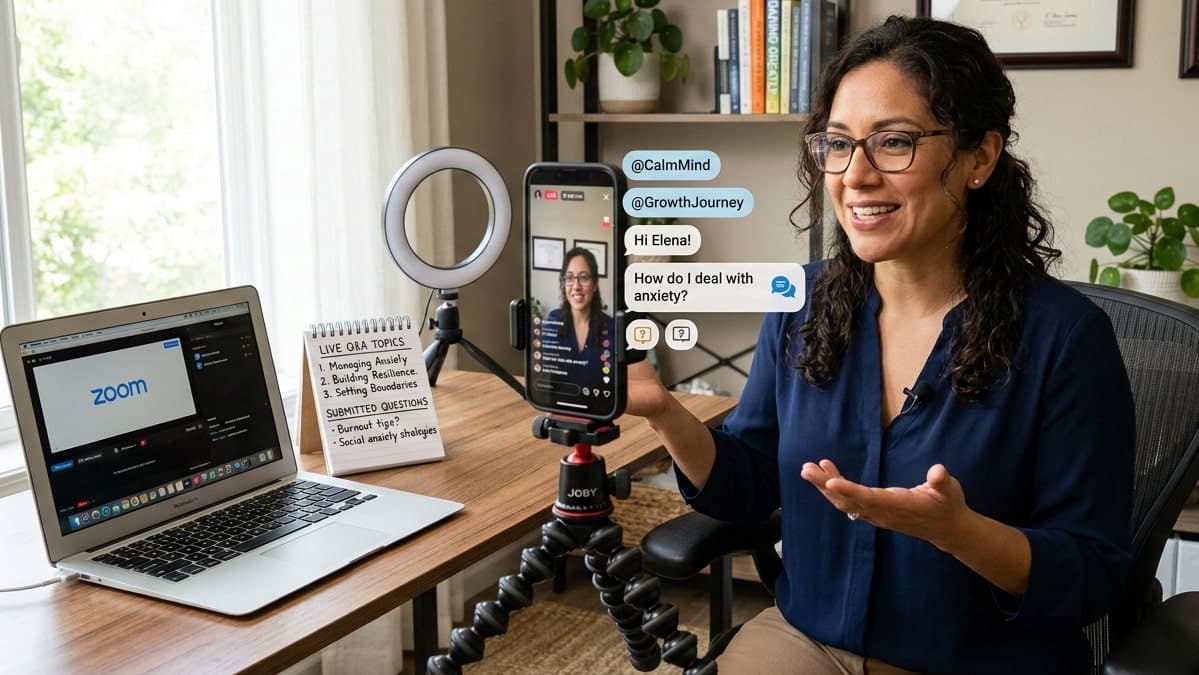
Schedule a live session on Instagram or Facebook with a licensed mental health professional or trained advocate. Promote it at least one week in advance across all available channels.
Encourage followers to submit questions beforehand so the session stays focused. Live Q&As create a real-time connection and make expert knowledge accessible to anyone with a phone.
28. #CheckInChallenge Campaign

Launch a social media challenge that encourages people to publicly check in on their mental health and tag others to do the same. Create a simple, memorable hashtags
Challenges spread organically when the barrier to participation is low. Partner with local organizations or community figures to give the campaign an early boost.
Track engagement to measure reach throughout the month.
29. Virtual Self-Care Bingo

Design a free downloadable bingo card filled with simple self-care tasks like taking a walk, drinking enough water, or calling a friend. Share it across email lists and social media platforms.
Encourage participants to post completed cards online using a campaign hashtag. Bingo adds a lighthearted, low-pressure element to mental health awareness.
It works well for workplaces, schools, and community groups running virtual programs simultaneously.
30. Daily Mental Health Tips Email Series

Send one short, practical mental health tip to subscribers every day throughout May. Keep each email under 150 words and focus on one clear idea per message.
Topics can include sleep habits, breathing techniques, setting boundaries, and recognizing stress signals.
Consistency builds trust and keeps mental health top of mind throughout the month. Include a resource link or local support contact at the bottom of every email.
31. Online Support Group Or Webinar Series

Host a series of virtual sessions throughout May covering different mental health topics each week. Bring in a licensed professional or trained facilitator to lead each session.
Use platforms like Zoom or Google Meet to keep access simple. Offer both live attendance and recorded replays to accommodate different schedules.
A structured series builds momentum over the course of the month and gives participants something to return to each week.
32. Guided Digital Detox Challenge

Invite participants to reduce daily screen time for a set period, starting with one to two hours per day.
Provide a simple reflection sheet to track changes in mood, focus, and sleep throughout the challenge.
Share daily prompts via email or a printed card to keep motivation steady. Many participants notice measurable improvements in anxiety levels and mental clarity within the first week.
33. Mental Health Myth-Busting Series

Post one short myth-busting piece each week throughout May across social media, email newsletters, or community boards.
Focus each post on a single common misconception, such as “mental illness is a sign of weakness” or “therapy is only for serious conditions.”
Virtual and social media activities make it easy to spread awareness beyond physical spaces and reach a wider audience instantly.
How To Plan Mental Health Awareness Month Activities
A simple framework helps ensure your efforts have a real impact rather than becoming one-time events.
- Set A Clear Purpose: Decide whether your focus is awareness, engagement, fundraising, or culture improvement. A defined purpose shapes your activity choices and keeps every effort aligned with meaningful outcomes.
- Identify Your Target Group: Consider who you want to reach and adjust tone, format, and timing accordingly. Different groups respond best to activities that align with their environments and daily routines.
- Communicate Early And Consistently: Use email, social media, internal platforms, and posters to spread the message. Begin promotion in advance and follow up with reminders to increase attendance and visibility.
- Evaluate Results Thoughtfully: Track participation numbers, collect feedback, and review engagement data. Use these insights to refine future initiatives and build stronger, more sustainable mental health programs.
Final Thoughts
Mental Health Awareness Month activities help reduce stigma, increase understanding, and connect people to support.
You do not need a large budget or a large audience to make a difference. Small, steady actions often create lasting change. Choose two or three ideas that fit your workplace, school, or community.
Set clear goals, promote them clearly, and follow through. Consistency builds trust and strengthens support systems over time. Pick three ideas from this list and start planning today.
What step will you take first to support mental well-being in your community?
Frequently Asked Questions
What are the best Mental Health Awareness Month activities for small teams or tight budgets?
Simple activities like a gratitude wall, a no-meeting wellness day, or a daily self-care challenge cost little to nothing and work well for small teams.
How can schools get students genuinely involved in Mental Health Awareness Month activities?
Student-led formats like peer support circles, affirmation boards, and awareness assemblies tend to drive stronger participation than adult-organized programs.
Can Mental Health Awareness Month activities make a real difference, or are they just symbolic?
When planned with clear goals and consistent follow-through, these activities lead to earlier help-seeking, reduced stigma, and stronger community support systems. The key is pairing visible events with access to real resources, so awareness translates into action.