



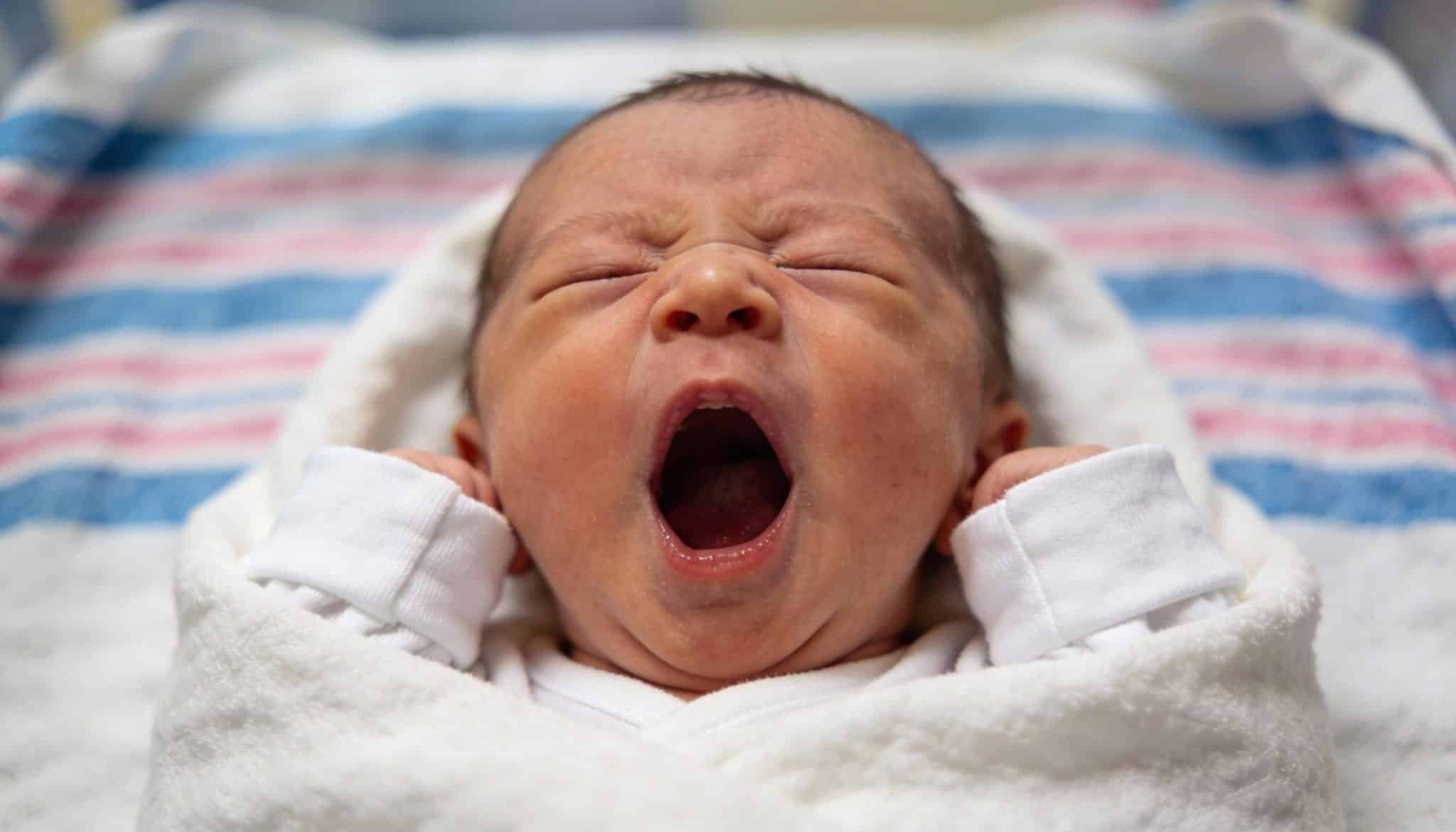
Is your baby screaming when you put them down?
Sleep resistance frustrates every parent. Your baby is clearly tired, but fights sleep no matter what you try; rocking, feeding, walking, nothing works.
This is normal and temporary. Understanding why it happens changes everything.
Reasons shift as babies grow, from immature sleep cycles to separation anxiety to independence testing. Once you know the cause, you can respond effectively.
Let’s break down why do babies fight sleep and what actually helps.
Is It Normal for Babies to Fight Sleep?
Yes, fighting sleep is completely normal, and nearly all babies go through it.
Babies’ nervous systems are immature, making transitions from awake to asleep difficult. Rapid brain development, new skills, and environmental awareness all interfere with settling.
Most phases last 2-4 weeks and resolve as babies adjust to developmental changes.
Constant resistance for months, signs of pain, poor weight gain, or breathing issues need medical evaluation.
Sleep resistance is a normal part of development, not a sign you’re doing something wrong.
Understanding your baby’s age and stage helps you respond effectively.
Why Babies Fight Sleep: The Big Picture

Here are the main reasons why do babies fight sleep:
1. Overtiredness
When babies stay awake too long, their bodies produce cortisol (a stress hormone). This makes them wired and unable to settle, even though they’re exhausted.
2. Developmental Milestones
When babies are learning new skills like rolling, crawling, or walking, their brains are so excited that they want to practice constantly.
This mental stimulation makes it hard to wind down.
3. Overstimulation
Too much activity, noise, light, or screen time overloads a baby’s developing nervous system. Their brains can’t process everything, making it difficult to transition to sleep mode.
4. Separation Anxiety
Around 6-8 months, babies develop object permanence and realize you exist even when you leave.
This makes them resist sleep because they don’t want you to go.
5. Hunger or Discomfort
Basic needs like hunger, wet diapers, gas, teething pain, or being too hot/cold prevent babies from settling.
They can’t communicate these needs clearly, so they fight sleep instead.
6. Immature Circadian Rhythm
Newborns don’t have established day/night cycles yet. Their internal clock takes months to develop, so they don’t naturally feel sleepy at appropriate times.
7. Inconsistent Sleep Routines
Without predictable schedules and bedtime routines, babies don’t receive clear signals that it’s time to wind down.
This confusion leads to resistance.
Why Babies Fight Sleep at Different Ages
Sleep resistance changes as babies grow. Understanding what’s normal for each age helps you respond effectively instead of guessing.
| Age Range | Primary Reasons |
|---|---|
| 0-3 Months | No day/night cycle, hunger every 2-3 hours, gas, and digestive discomfort |
| 4-6 Months | Sleep regression, learning to roll, and increased environmental awareness |
| 6-9 Months | Separation anxiety peaks, sitting, and crawling milestones |
| 9-12 Months | Standing/cruising practice, growing independence conflicts |
| 12-18 Months | Walking excitement, FOMO, boundary testing |
| 18-24 Months | Dropping to one nap, nightmares start, separation anxiety returns |
| 2-3 Years | Potty training, bed transition, fear of the dark, vivid imagination |
Sleep resistance is normal and temporary at every age.
Once you identify the cause, you can adjust routines to match your baby’s needs. Most battles resolve as babies master new skills.
“Is My Baby Overtired or Just Not Ready for Sleep?”
Knowing the difference between overtired and not-ready-yet helps you respond correctly and avoid sleep battles.
Signs Your Baby Is Overtired
- Rubbing eyes, pulling ears, yawning
- Fussy, cranky, or crying excessively
- Hyperactive (second wind kicked in)
- Arching back, stiffening body
- Red or glazed eyes
- Hard to soothe despite tired cues
Signs Your Baby Isn’t Ready for Sleep
- Alert and happy, no tired cues
- Playing contentedly without fussiness
- Engaged with surroundings
- Calm when you try to settle them
- Recently woke up (short wake window)
Overtired babies are miserable and wired; they want sleep but can’t settle. Babies who aren’t ready are content and calm; they simply don’t need sleep yet.
What Other Parents Say: Shared Experiences
Parents often turn to online forums for reassurance regarding why do babies fight sleep.
Here’s what they commonly share:
“My baby is exhausted but fights sleep every time.”
Reddit’s r/sleeptrain is full of parents describing babies who show tired signs but cry when you try to put them down.
“Naps are a battle, but nighttime is fine.”
BabyCenter forums show how common it is for daytime sleep to be harder than bedtime for many families.
“As soon as I put my baby down, they wake and cry.”
What to Expect boards frequently discuss this, especially during sleep regressions and separation anxiety phases.
Across all forums, parents reassure each other that babies fighting sleep is normal, temporary, and nearly universal. You’re not alone, and it does get better.
How Parents Can Help When a Baby Fights Sleep
These strategies help babies settle more easily when they resist sleep.
- Watch Wake Windows: Put baby down based on age-appropriate wake times, not just tired cues. Newborns need sleep after 45-60 minutes; 6-month-olds can handle 2-3 hours.
- Create a Consistent Routine: Do the same 3-5 calming activities nightly: bath, pajamas, feeding, book, and bed. Predictability signals sleep time.
- Optimize the Environment: Dark room (blackout curtains), cool temperature (68-72°F), and white noise. Remove distracting toys.
- Wind Down Before Sleep: Avoid exciting play 30-60 minutes before bedtime. Switch to quiet activities like reading or gentle rocking.
- Put Baby Down Drowsy but Awake: Place the baby in the crib while sleepy but slightly awake to encourage self-soothing.
- Address Physical Needs: Check for hunger, wet diapers, gas, or teething pain before assuming it’s behavioral.
- Stay Calm: Your stress transfers to the baby. Deep breaths and patience help, these phases are temporary.
Small timing and environment adjustments often solve the biggest sleep battles.
Common Myths Parents Hear About Babies Fighting Sleep
1. “Keep baby awake longer for better sleep.”
Reality: Overtired babies produce stress hormones that make falling asleep harder, not easier.
2. “If the baby isn’t crying, they’re not tired.”
Reality: Some babies don’t show obvious cues. Wake windows are more reliable than waiting for signs.
3. “Babies sleep through the night by 3 months.”
Reality: Most babies don’t sleep through consistently until 6-12 months or later. Night waking is normal.
4. “Fighting sleep means baby isn’t tired.”
Reality: Usually means they’re overtired and their nervous system can’t calm down.
5. “Responding to cries spoils your baby.”
Reality: Under 6 months, babies can’t be spoiled. Responsive parenting builds security and improves sleep long-term.
6. “Sleep training solves everything.”
Reality: It helps with self-soothing but doesn’t fix hunger, discomfort, illness, or developmental leaps.
When to Seek Extra Support
If sleep struggles persist, your baby seems uncomfortable, or you’re feeling overwhelmed, consider reaching out to a pediatrician or sleep professional.
Contact Your Pediatrician If
- Takes over an hour to fall asleep consistently
- Sudden unexplained worsening
- Signs of pain (arching, screaming)
- Breathing issues or frequent pauses
- Over 6 months, waking every 1-2 hours
- Poor weight gain
Possible Medical Issues
- Reflux/GERD
- Food allergies
- Sleep apnea
- Ear infections
Sleep Consultants Help With
- Age-appropriate schedules
- Sleep training plans
- Breaking sleep associations
If something feels wrong, get help. Most battles resolve with time, but support exists when needed.
Conclusion
Babies fight sleep for different reasons at different ages: overtiredness, milestones, separation anxiety, or immature systems.
Identify the cause, adjust wake windows and routines, and stay consistent.
Most battles are temporary and resolve within weeks. If resistance lasts months or involves pain/breathing issues, see your pediatrician.
You’re not failing. This is normal, and it gets better.