



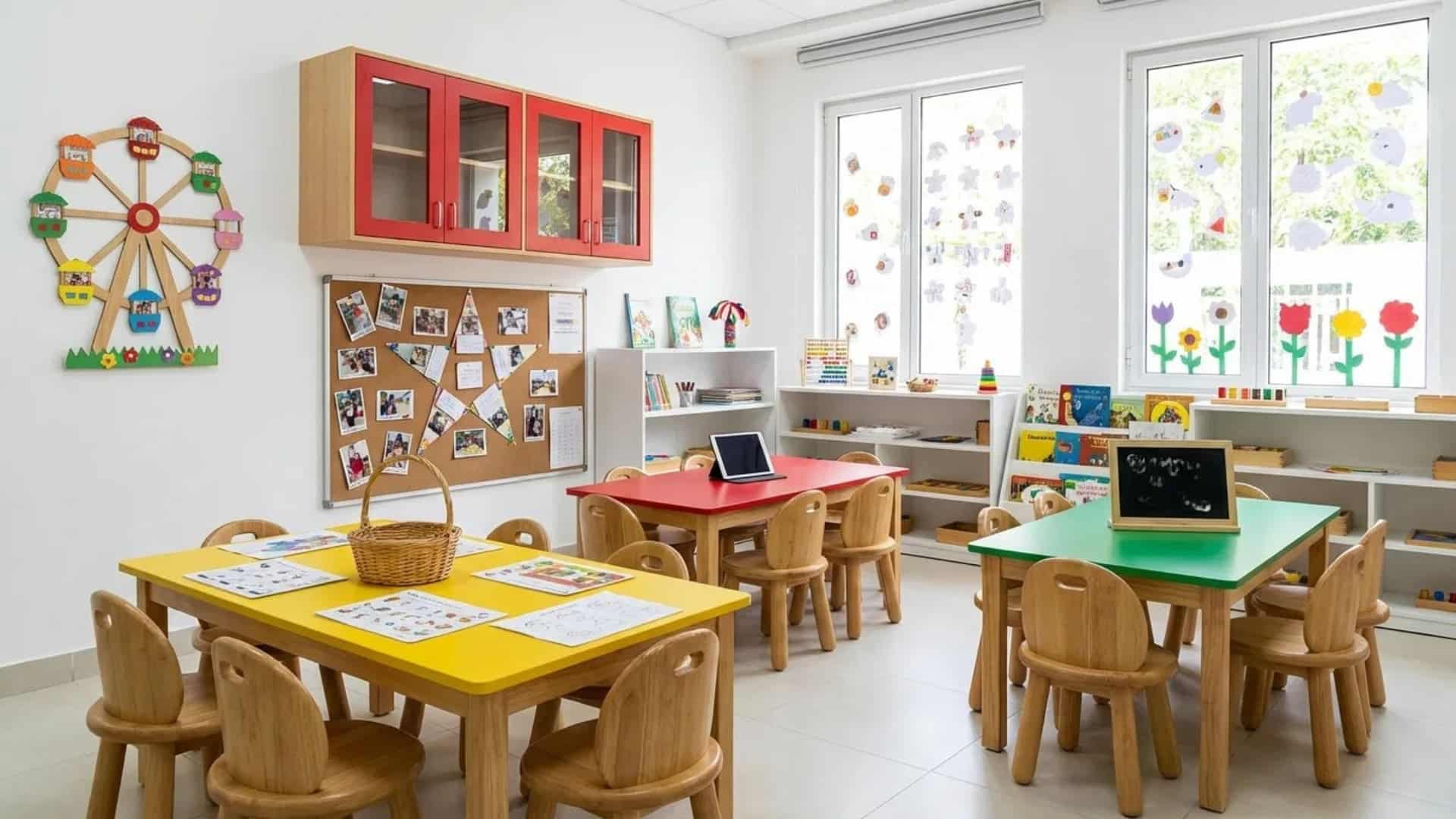
I’ve been there. Standing in a school hallway, totally confused, wondering if I’m making the right call for my child. Sound familiar? The daycare vs preschool question trips up so many of us. And honestly, it’s easy to see why.
Here’s the simple truth. Daycare is built for care and coverage. It keeps your child safe, supported, and looked after, often across a wide age range.
Preschool is built for early learning and school readiness. It focuses on building skills your child will need in kindergarten and beyond.
Both can be a good fit. It really comes down to what your child needs right now. I put together a plain and simple breakdown and a short checklist to help you figure that out, without the stress and second-guessing
Why Is Child Care Important?
The early years shape everything. Good child care helps children build social skills, grow their language, and feel safe through steady routines.
Having a consistent caregiver, someone your child sees and trusts every day, gives them the confidence to learn and connect with others. But not all programs are equal. When looking for the right fit, check the caregiver-to-child ratio.
NAEYC guidelines vary by age and group size, but a common benchmark is 1:3 to 1:4 for infants, about 1:7 to 1:9 for 3-year-olds, and 1:8 to 1:10 for 4- and 5-year-olds.
Smaller group sizes and open communication between staff and parents are also strong signs of a program that truly puts children first.
Daycare Vs Preschool At A Glance
I know how hard it can be to compare options when every program looks different. So I put the key facts together in one place to make it easier for you.
| Factor | Daycare | Preschool |
|---|---|---|
| Typical Age Range | 6 weeks to 5 years | 3 to 5 years |
| Main Goal | Safe care, play, social growth, and daily routines | Early learning, group routines, and kindergarten readiness |
| Staff To Child Ratio | Infants 1:4, toddlers 1:6, preschool-age 1:10 | Preschool-age 1:10 |
| Typical Weekly Time | Usually full-time, built around a full work week | Often half-day or full-day; ranges from 12 to 30 hours per week |
| Potty Training | Supports potty training as part of daily care | Often prefers children to be potty-trained or close to it, but rules vary by program |
| Average Weekly Cost | About $343/week for infants, $315/week for toddlers | Varies by state for full-time, center-based care: Alabama $8,008/year, Florida $9,409/year, New York $17,343/year, DC $20,981/year |
| Calendar | Usually year-round | Varies by program; some run year-round, others follow a school-year calendar |
Every family’s situation is different, and these numbers will vary depending on where you live and the program you choose. Use this as a starting point, not a final answer.
What Is Daycare?
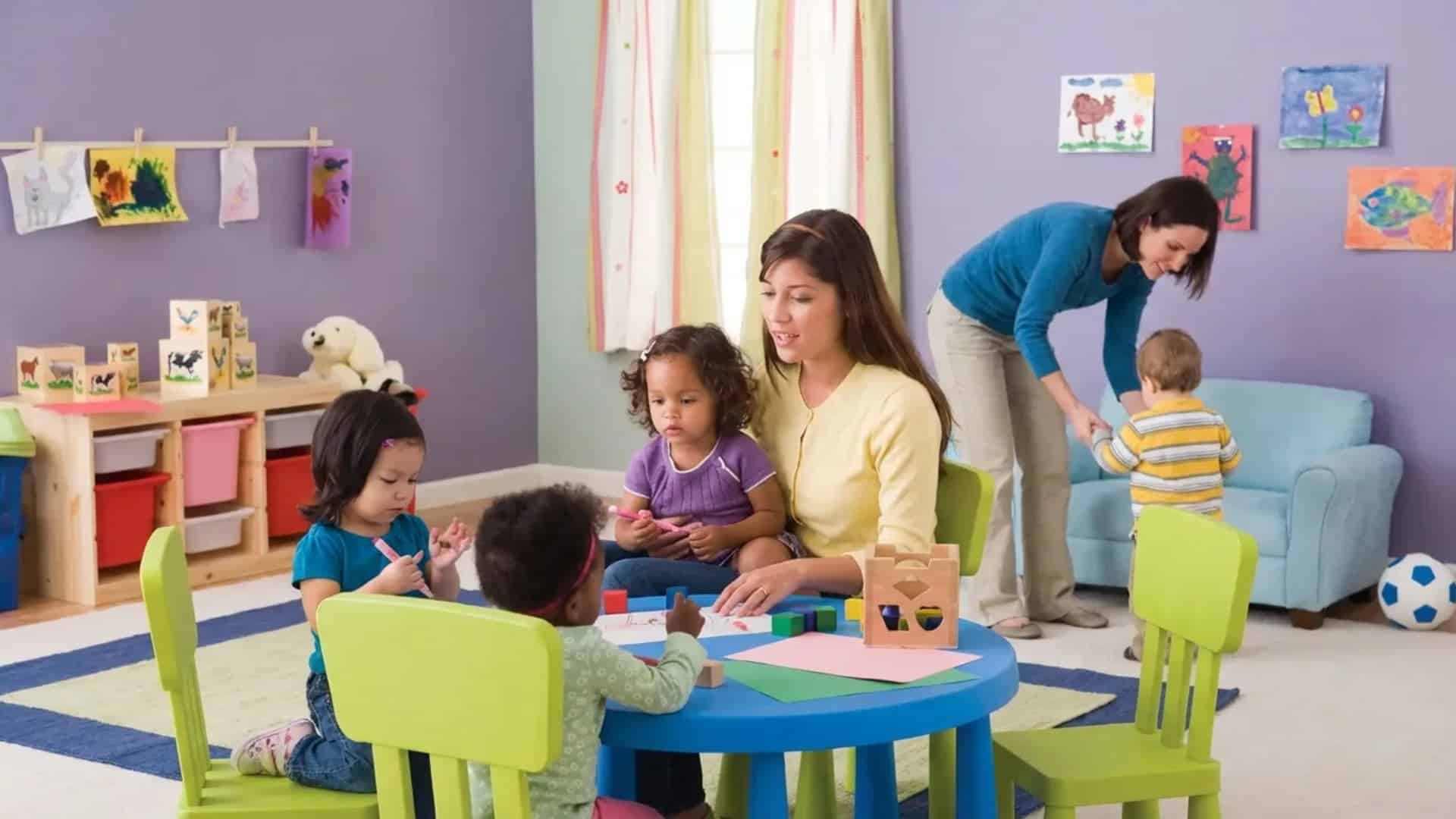
Daycare is a supervised care program for children, typically from 6 weeks old through age 5. As a parent myself, I know how much it helps to have a place you truly trust during the workday.
Most daycare programs are designed for working families and offer full-time hours. The day usually starts with a morning arrival and free play, moves into meals, nap time, and outdoor activity, then winds down with quiet play before pickup.
That steady, predictable rhythm has been seen to make a real difference for younger children, especially infants and toddlers.
Benefits Of Daycare
Daycare offers real, everyday support that many families count on. Here is what makes it work for so many parents:
- Flexible, full-day coverage: Most programs run during full work hours, giving parents dependable care without gaps in the day.
- Consistent daily routine: A set schedule helps younger children feel calm, secure, and ready to learn through play.
- Care for younger ages: Daycare accepts children as young as 6 weeks, making it one of the few options for families with infants.
- Early social exposure: Being around other children every day helps kids learn to share, communicate, and build their first friendships.
If daycare feels like the right fit for your family, trust that instinct. You know your child and your situation better than anyone else.
Just keep in mind that costs can be high, group sizes vary, and illnesses tend to spread more in group care settings.
What Is Preschool?

Preschool is an early learning program designed for children ages 3 to 5, right before they start kindergarten.
From what I have seen both as a parent and in my work, preschool is where kids start building the skills they will actually use in a classroom.
Children learn early reading and math basics, practice fine motor skills, and grow their ability to listen, share, and do things on their own. It is less about care coverage and more about getting your child ready for what comes next.
Benefits Of Preschool
Preschool gives children a real head start before kindergarten. Here is what it brings to the table:
- School readiness: Children get used to following group routines, sitting in a classroom, and listening to a teacher, all skills that matter from day one of kindergarten.
- Early academic skills: Kids are introduced to pre-reading, early math concepts, and fine motor skills like holding a pencil or using scissors.
- Language and communication growth: Daily conversations, storytime, and group activities help children build vocabulary and express themselves with more confidence.
- Independence and confidence: Being in a structured setting without a parent around helps children learn to manage small tasks on their own and feel good about it.
If your child is between the ages of 3 and 5 and you feel they are ready for more structure and learning, preschool might be exactly what they need right now.
Just keep in mind that most programs run on a part-time basis, potty training is often expected, and costs vary widely by state and program type.
Key Differences Between Daycare And Preschool
I get asked this question a lot, and honestly, it is one of the most confusing parts of early childhood care.
Both options support your child, but they do it in very different ways. Once you understand where they differ, the decision gets a whole lot clearer.
Age Range And Readiness Expectations
Many daycares accept children from about 6 weeks through age 5, but age cutoffs and openings vary. Preschool is usually for children ages 3 to 5.
In real life, readiness is less about age and more about whether your child can handle a structured group setting for a few hours at a time.
Services And Daily Care Support
Daycare covers the full picture, including meals, snacks, nap time, and diapering for younger children.
Preschool focuses more on learning and typically includes snack time, but may not offer full meals or nap support. If your child still needs hands-on daily care, daycare is the more complete option.
Program Focus And Learning Style
Daycare puts care first. Learning happens naturally through play and daily routines. Preschool puts learning first, with structured activities built around school readiness.
Both use play-based learning, but in preschool, that play is more intentionally tied to building early academic and social skills your child will need in kindergarten.
Staff Qualifications And Classroom Structure
Staff training requirements vary by state and program. Strong programs invest in early childhood training and ongoing support.
Preschool lead teachers may hold an early childhood credential or degree, depending on local rules. NAEYC recommends a 1:10 ratio for preschool-age children, and smaller group sizes mean more attention for your child.
Schedule And Calendar
Daycare usually runs five full days a week, year-round. Preschool often offers half-day or full-day options.
Research points to a difference between roughly 12 hours per week in a half-day program versus 30 hours per week in a full-day one. Schedules and calendars vary widely by program and location, so always confirm directly with the school.
Potty Training Policies
This one matters more than most parents expect. Daycare programs generally support children through potty training as part of daily care.
Many preschools prefer children to be potty-trained or close to it before starting, though policies vary by program. Always ask directly so there are no surprises on the first day.
Cost And What Is Included
Daycare costs vary widely by location, but the national average is around $321 per week for center-based care, according to the Care.com Cost of Care report.
Preschool pricing varies widely by state and by hours. The average annual cost of full-time, center-based care for a 4-year-old ranges from about $8,008 in Alabama to $16,908 in Washington DC, based on .
Every difference on this list points to the same thing: these two programs serve different needs.
Knowing where they stand apart helps you match the right option to where your child and your family actually are right now.
How To Decide Between Daycare Vs Preschool?
There is no single right answer here, and I mean that. The best choice is the one that fits your child and your family’s real life right now. These five questions can help you figure that out.
- Your child’s daily needs: Does your child still nap, need diapering, or feel anxious about separation? Daycare supports all of that more comfortably.
- Your work schedule: Consider your pickup window, sick day coverage, and whether you have backup support. Full-day daycare often fits tighter schedules better.
- What you need most right now: If learning structure and kindergarten readiness matter most, preschool fits. If reliable coverage is the priority, daycare makes more sense.
- A blended option: Some families use part-time preschool alongside daycare. This gives children early learning time without giving up full-day care coverage.
- A tour checklist: Ask about ratios, daily routines, staff experience, potty training policies, and how they communicate with parents throughout the day.
You do not have to get this perfect on the first try. Many families adjust as their child grows and their needs change, and that is completely okay.
Signs Your Child Is Ready For Preschool
As a parent, I know this question can feel stressful. But readiness is rarely one big moment. It shows up in small, everyday ways.
Look for signs such as your child playing with others, using words to express basic needs, and handling simple tasks like washing hands or putting on shoes.
If they can sit and focus for a few minutes, follow simple directions, and handle short stretches away from you without falling apart, those are all strong signs they are ready for a preschool setting.
If most of these signs sound familiar, your child is likely ready. And if a few are still developing, starting part-time can be a gentle way to ease them in.
What To Look For In A Quality Program?
Not every program that looks good on a website will feel right in person. I always tell parents to trust what they see during a visit. Here is what to check.
- Safety and supervision: Look for clean, secure spaces where children are always visible to a caregiver and emergency plans are clearly posted.
- Ratios and group size: NAEYC recommends a 1:10 ratio for preschool-age children. Smaller groups mean more attention and support for your child.
- Teacher warmth and stability: Watch how staff interact with children. Warm, consistent caregivers make children feel settled, safe, and ready to learn.
- Daily routine and communication: Ask what a typical day looks like and how staff keep parents updated through notes, apps, or regular check-ins.
- Illness policy and flexibility: Know the sick-day rules upfront. If your child is not fully ready, starting part-time is a perfectly reasonable choice.
Touring a program in person is the best way to get a real feel for it. Go with your questions ready, and trust your gut when you walk through the door.
Conclusion
When it comes to daycare vs preschool, I always say there is no universal right answer. Daycare tends to be the better option for families who need full-day coverage and care for younger children.
Preschool tends to win when structured early learning and kindergarten readiness are the priority. But the best choice is simply the one your child can thrive in, and your schedule can support consistently.
I have seen parents overthink this more than almost any other decision. Trust what you know about your child. You have more clarity than you give yourself credit for.
Did this help you feel more confident? Drop a comment below and tell me where you landed. And if you found this useful, share it with a parent who might need it too.