

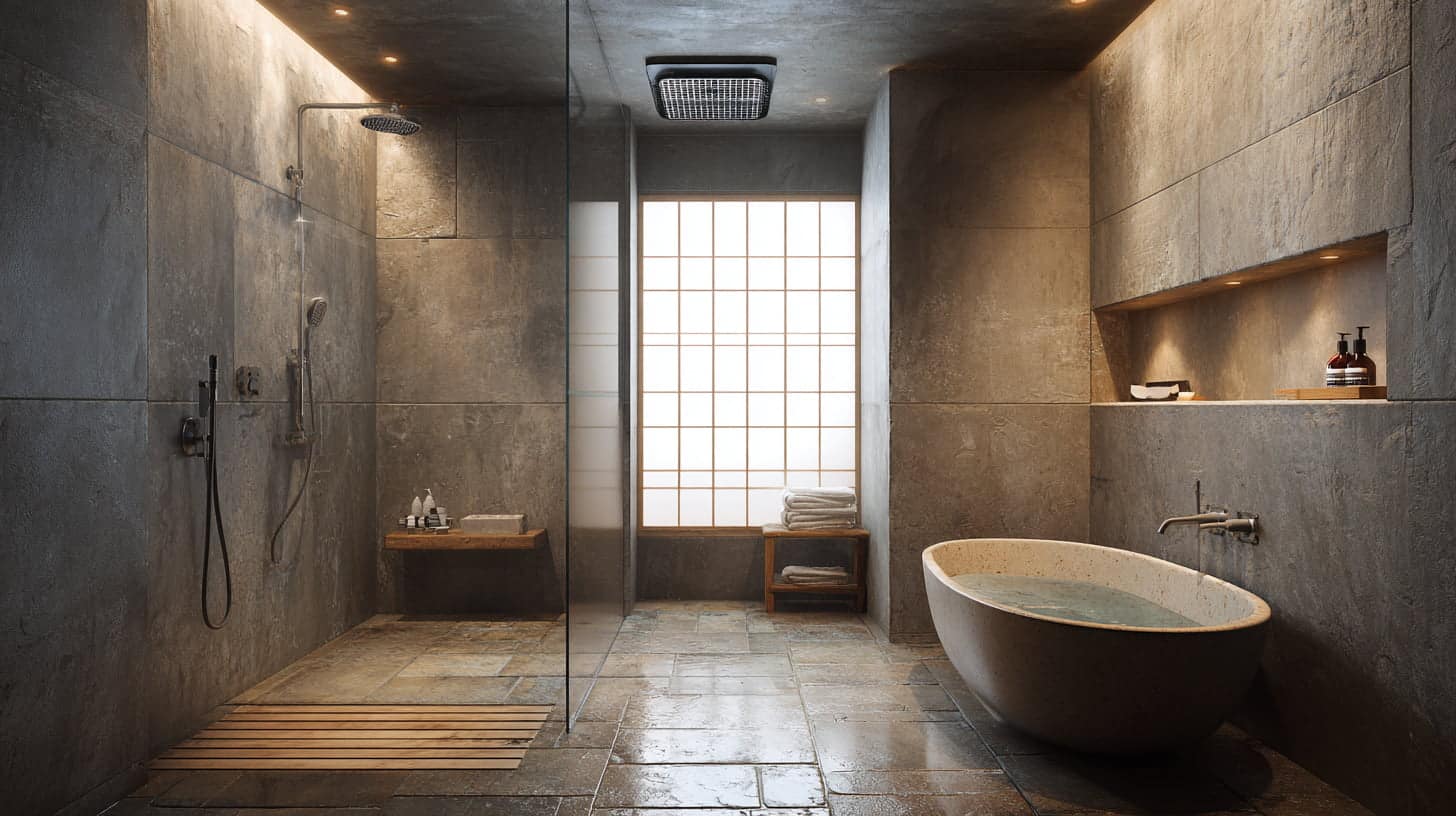
If youknow about Japan’s hot spring culture, it won’t surprise you that Japanese people truly love taking baths. Unlike in some Western cultures, where a quick morning shower is the norm, most Japanese people bathe in the evening to unwind and let go of the day’s stress.
It’s less of a chore and more of a ritual. That same calming energy is exactly what Japanese bathroom design brings into your home.
These spaces are built for soaking, resting, and feeling good, not just getting clean. Natural materials, smart layouts, and soft lighting all work together to make even the smallest bathroom feel like a private retreat.
The best part? This style works in any bathroom size. From choosing the right tub to getting the lighting just right, every detail plays a role in turning an ordinary bathroom into a space worth looking forward to at the end of a long day.
What Makes A Bathroom Feel Japanese?
A Japanese bathroom has a certain quality that’s hard to miss but easy to feel. It starts with clear zones, one area for washing and a separate one for soaking.
The tub is usually deep and upright rather than long and stretched out, because the goal is full-body soaking, not lounging. The floors and walls are built to handle water freely, giving the whole space a wet-room feel that just makes sense.
Counters stay clear, bottles stay hidden, and storage does the heavy lifting behind closed doors. Nothing sits out unless it needs to. Then there’s the color story: warm wood tones, cool stone, soft neutrals that quietly bring the outside in.
Put all of that together, and you get a bathroom that feels less like a utility room and more like somewhere you actually want to be.
Key Elements of Japanese Bathroom Design
Japanese bathrooms are built around one simple idea: bathing should feel good for the mind, not just the body. Every material, every fixture, and every empty corner is there for a reason.
- The Ofuro (Soaking Tub): The ofuro is a deep, compact tub made purely for soaking. You wash off before getting in, then soak to relax.
- Separate Wet and Dry Zones: In Japan, the shower or tub area is kept separate from the sink and vanity. This keeps things clean and organized. It is a practical layout idea that works really well in modern Western bathrooms, too.
- Natural Materials: Hinoki cypress wood, stone, bamboo, and handmade ceramic are used throughout. These materials are chosen because they look and feel like nature.
- Neutral, Earth-Toned Colors: Think soft whites, warm beiges, muted greens, and cool grays. These colors are quiet and easy on the eyes.
- Ma (Negative Space): Ma is the Japanese idea that empty space has value. In a bathroom, this means leaving surfaces clear, walls bare, and floors open.
- Simple, Understated Fixtures: Faucets, towel bars, and handles are kept plain and low-key. Matte black, brushed nickel, or warm brass finishes work best. The goal is for hardware to blend into the space, not draw attention to itself.
- Nature Inside the Room: Plants, pebble floors, stone basins, and windows that look out to greenery bring the outside in. This connection to nature is central to the Japanese bathing tradition.
Japanese Bathroom Design vs. Japandi: What’s the Difference?
Japanese and Japandi bathroom styles look similar at first glance, but they are not the same. Japandi mixes Japanese design with Scandinavian style, making it a little warmer and more relaxed.
| Feature | Japanese Bathroom Design | Japandi Bathroom Design |
|---|---|---|
| Origin | Traditional Japanese design | Japanese + Scandinavian mix |
| Color Palette | Earthy neutrals, stone tones, muted greens | Warm whites, soft grays, creamy beiges |
| Materials | Hinoki wood, natural stone, bamboo, ceramic | Light oak, linen, concrete, pale-toned wood |
| Mood | Meditative, ritual-focused, deeply calm | Cozy, warm, quietly minimal |
| Key Feature | Ofuro soaking tub, separated wet zones | Mixed-material vanity, soft layered textures |
| Décor Style | Near-empty surfaces, nature as the only accent | Curated objects, functional items as décor |
| Best For | Full bathroom renovation, spa-style spaces | Smaller updates, rental-friendly changes |
Japanese Bathroom Design Ideas
Sometimes the best way to figure out what you want is to just see it. Below are Japanese bathroom design ideas covering everything from small tweaks to full layouts. Take what fits your space, your style, and your budget, and make it your own.
1. Wet-Room Floor With A Center Drain
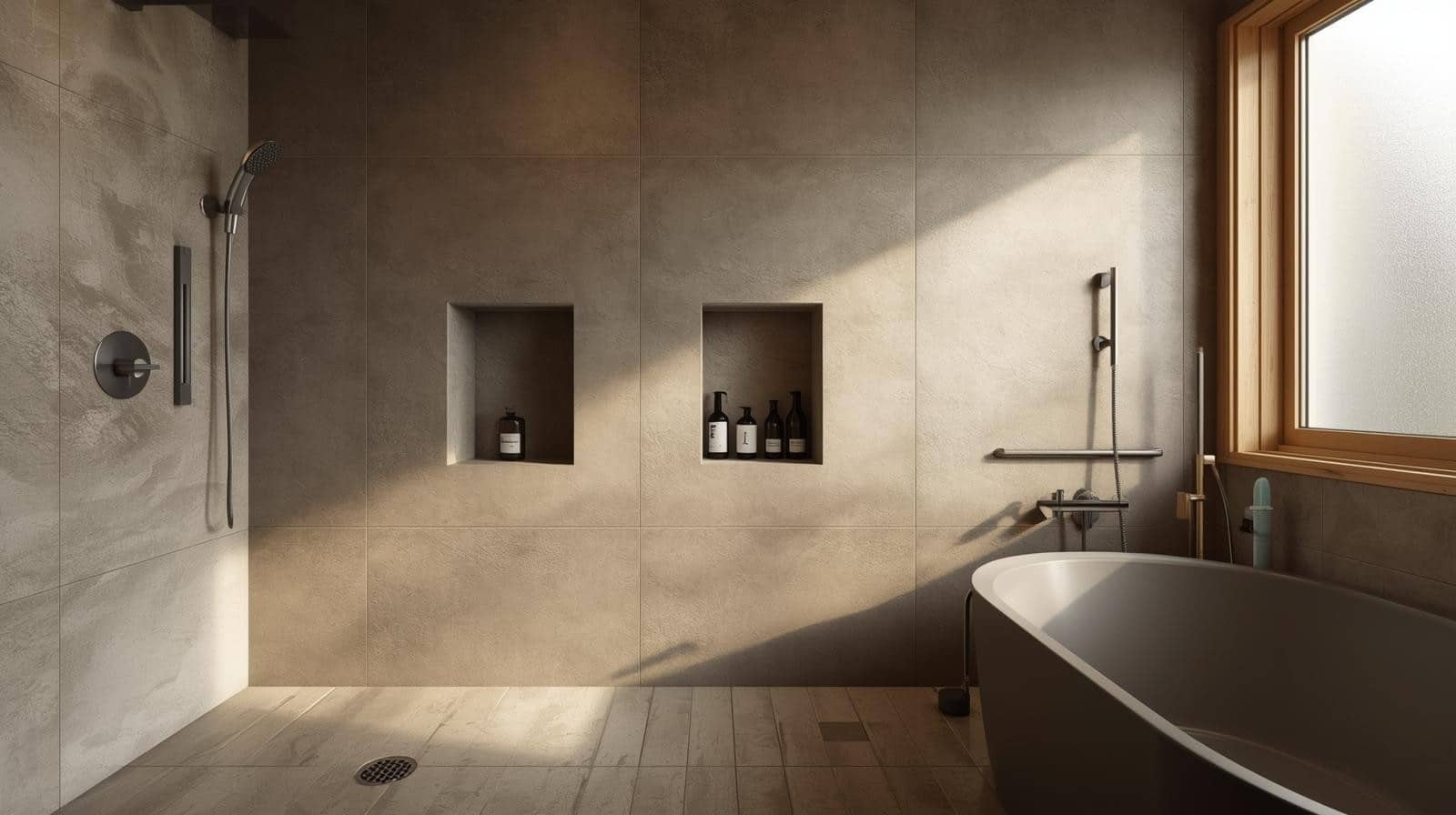
A wet-room floor turns the entire wash area into a splash-friendly space without any awkward steps or barriers. The whole floor is built to handle water, so rinsing down after washing feels natural and quick.
It also supports the Japanese routine of cleaning yourself before soaking in the tub. For best results, use a linear drain or a center drain with a proper slope built into the floor.
2. Split Wet And Dry Zones
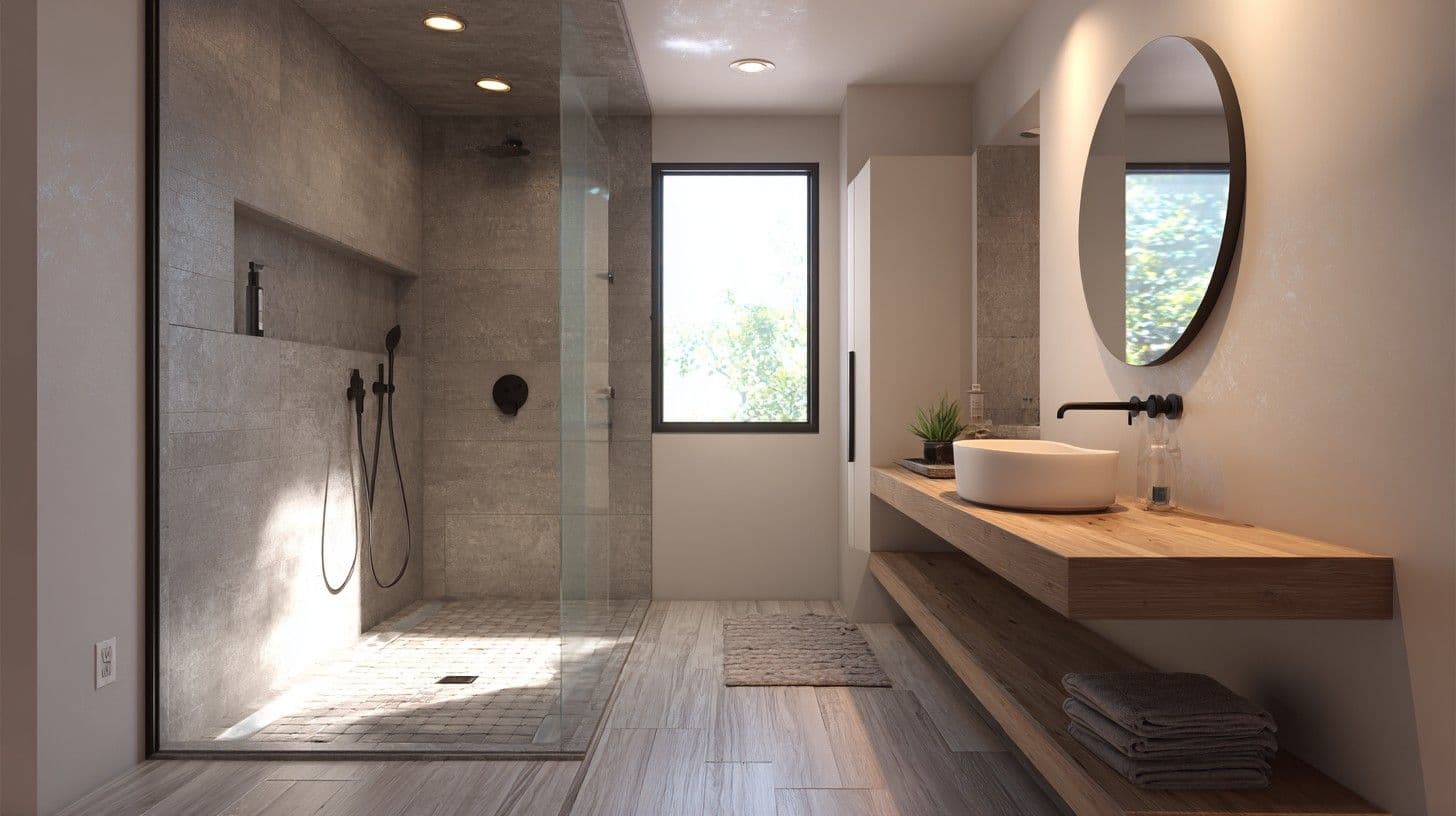
Keeping the vanity and storage away from the main splash area is one of the smartest moves in Japanese bathroom design.
It protects your finishes from constant moisture damage and keeps the whole space looking cleaner over time. A glass panel or a simple half-wall between zones does the job without closing the room off.
3. Shower Right Beside The Tub
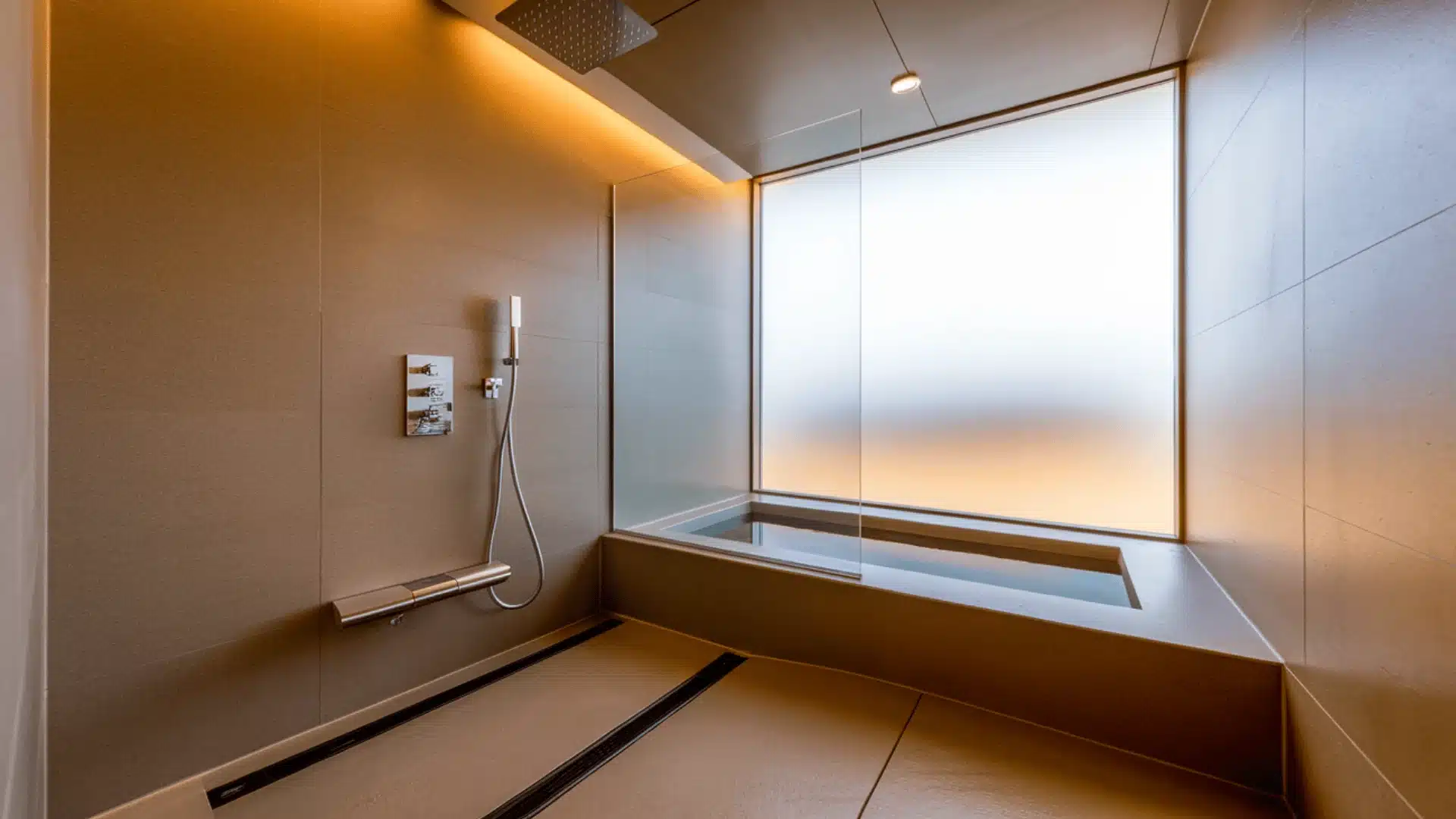
Placing the shower directly next to the tub keeps the wash-first routine easy and natural. You rinse off thoroughly before stepping into the soaking tub, which is the standard Japanese bathing approach.
Having both right next to each other also simplifies plumbing and keeps movement within the bathroom to a minimum. Make sure the shower controls are within easy reach from the tub edge so switching between the two feels effortless.
4. Separate Toilet Room
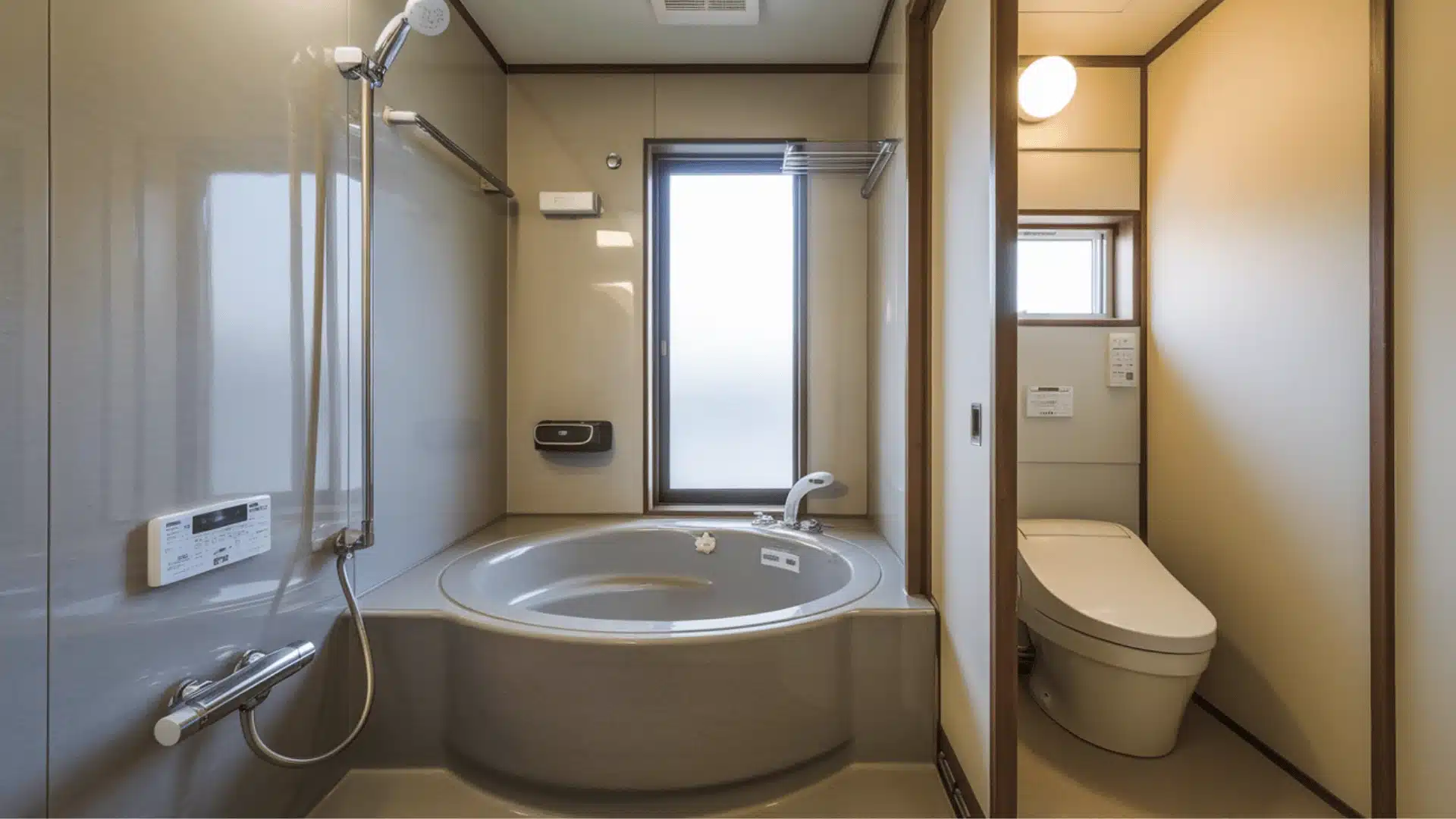
Moving the toilet into its own small room changes how the whole bathroom feels. The main bathing space becomes quieter, cleaner, and more relaxing without the toilet visible from the tub or shower.
It also means two people can use different parts of the bathroom at the same time without getting in each other’s way. Even a compact toilet closet works well here.
5. Sliding Or Pocket Door Entry
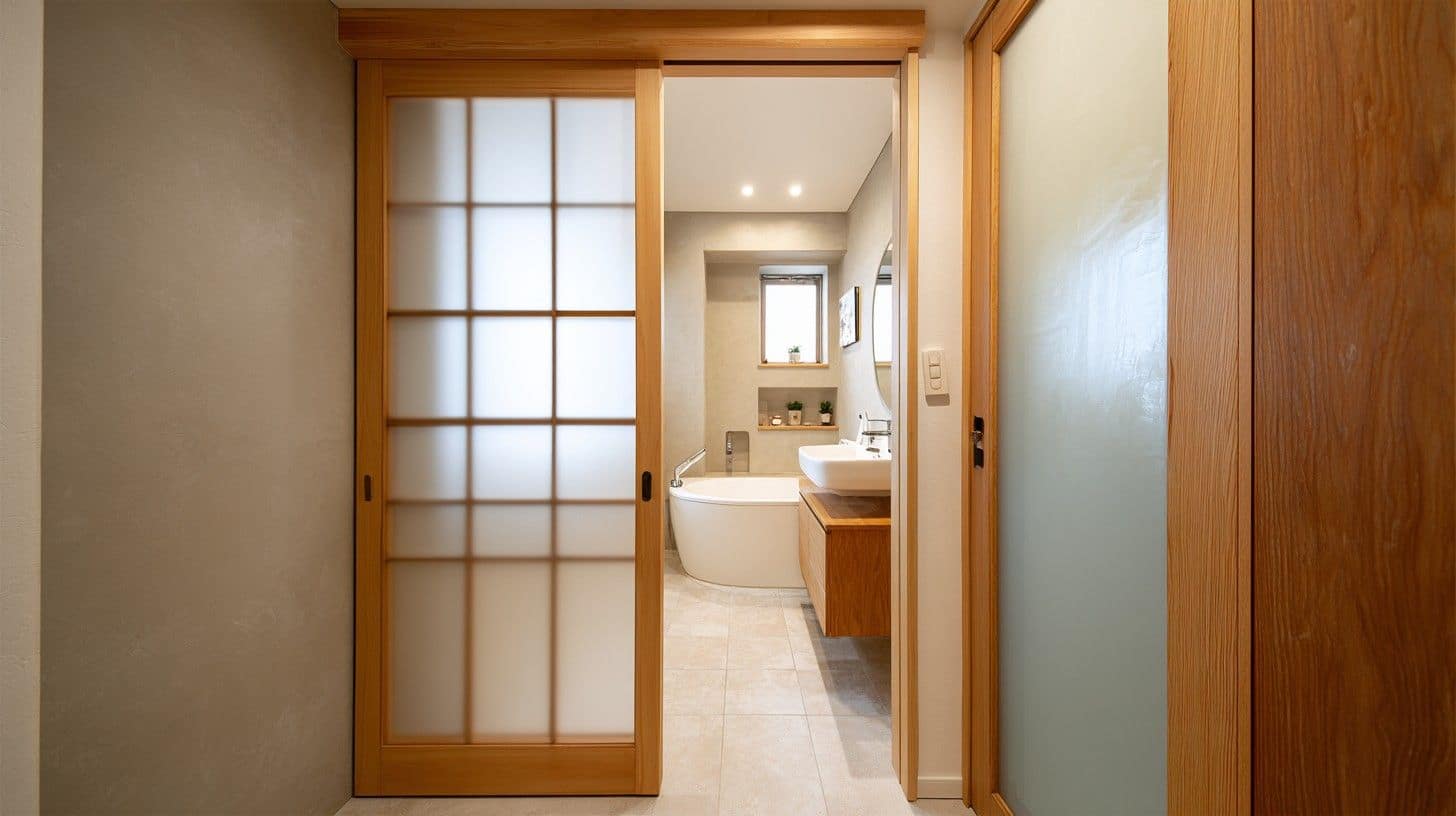
Sliding doors are a practical and clean-looking choice for Japanese-style bathrooms. They do not swing into the space, so there is no awkward door conflict when the bathroom is small or when someone is standing near the entrance.
A pocket door disappears completely into the wall, keeping the look minimal and uncluttered. If possible, go with a soft-close track so the door glides quietly rather than slamming shut.
6. Fixed Glass Splash Guard
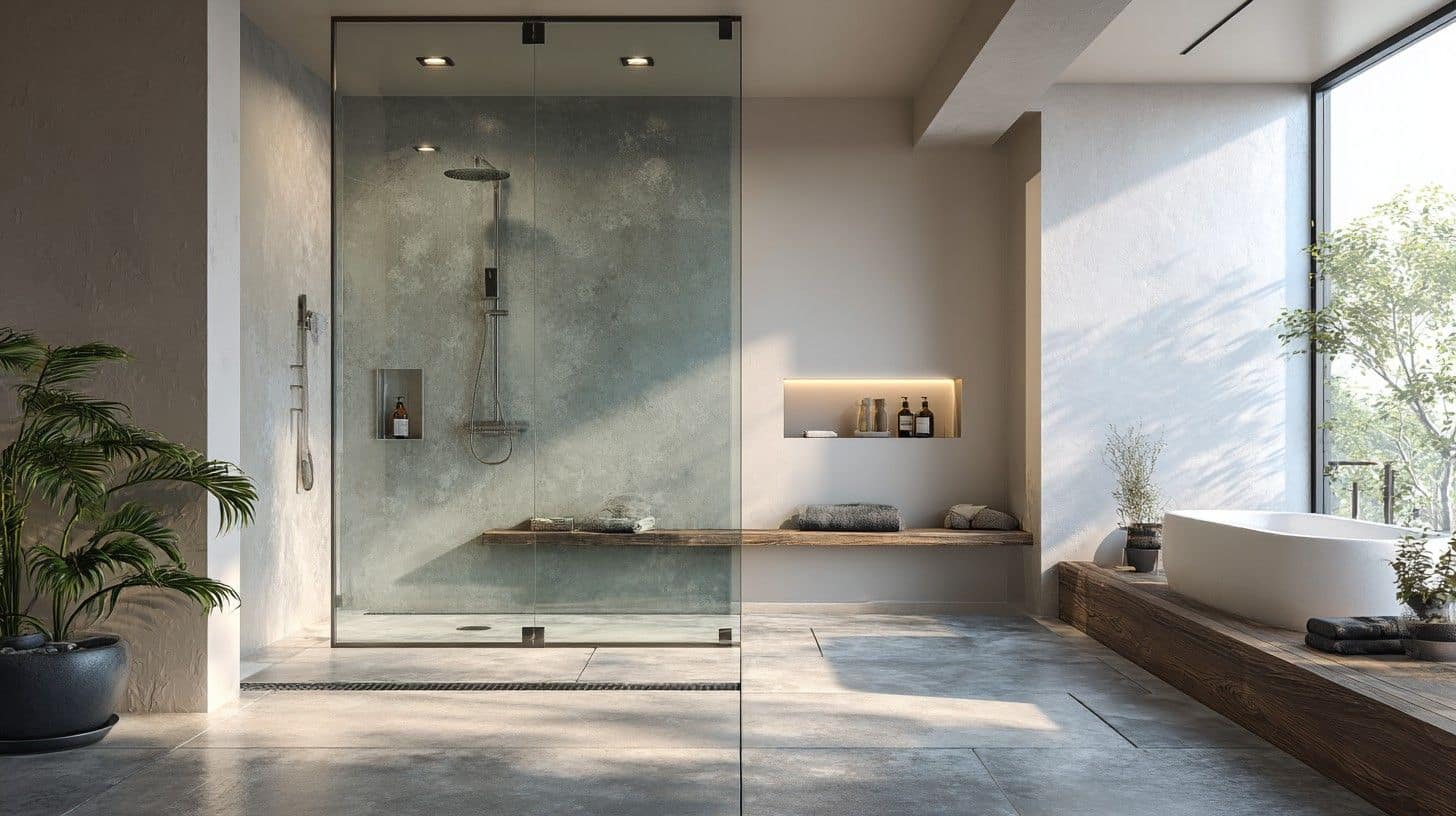
A single fixed glass panel does a lot of work without taking over the room. It blocks most of the water spray during showering while keeping the space feeling open and light.
Unlike a full shower enclosure, there are no extra frames, doors, or hinges to clean around. Keep the hardware simple and easy to wipe down to keep maintenance low.
7. Built-In Wall Niches For Bottles
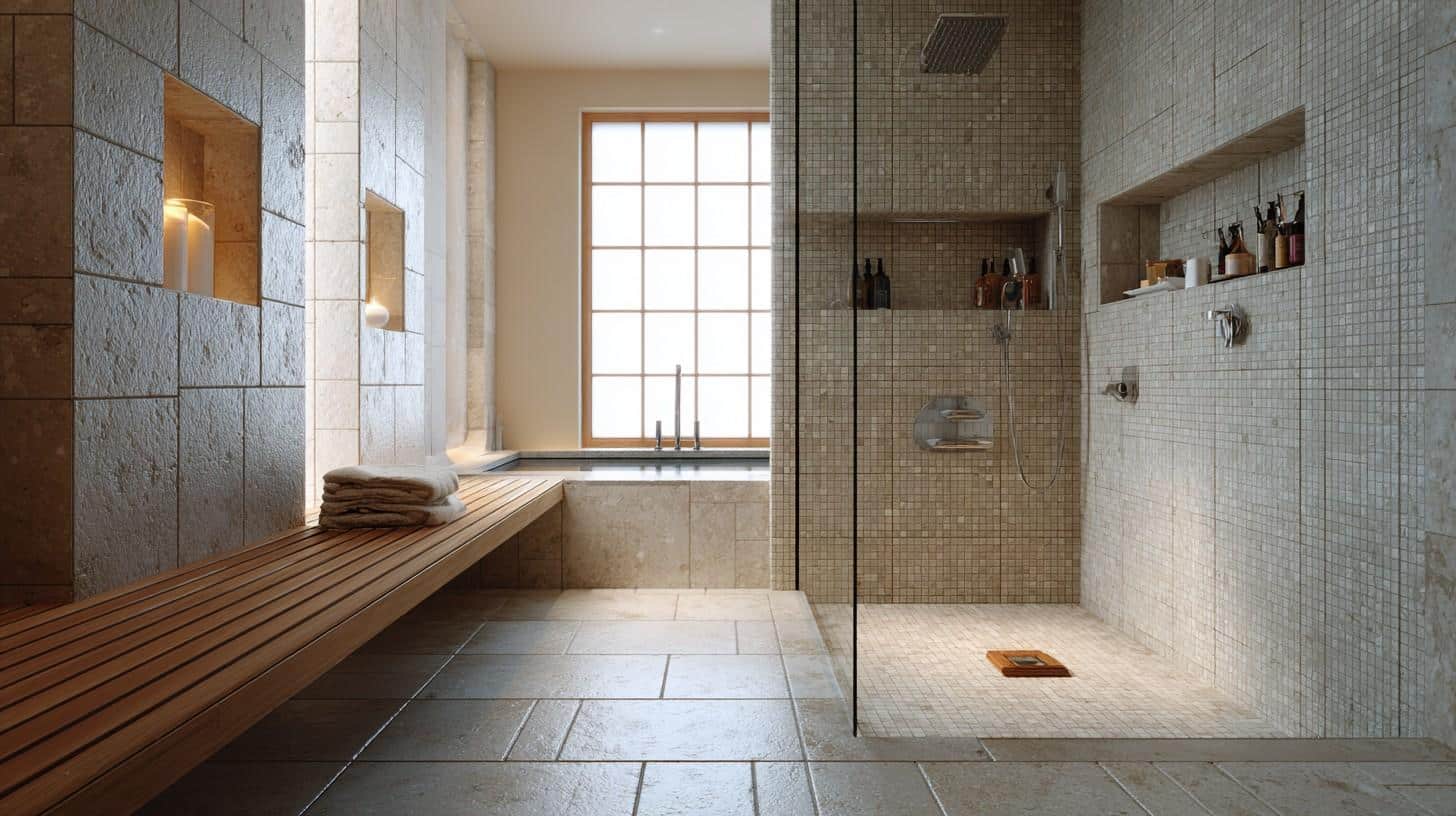
Recessed wall niches are one of the easiest ways to clear clutter off the floor and out of the corners of your shower. When bottles have a proper home built right into the wall, the whole space looks more intentional and put-together.
Place the niches at elbow height so they are easy to reach without bending or stretching. Avoid placing them too close to the floor, as water can pool there.
8. Small Washing Stool Spot
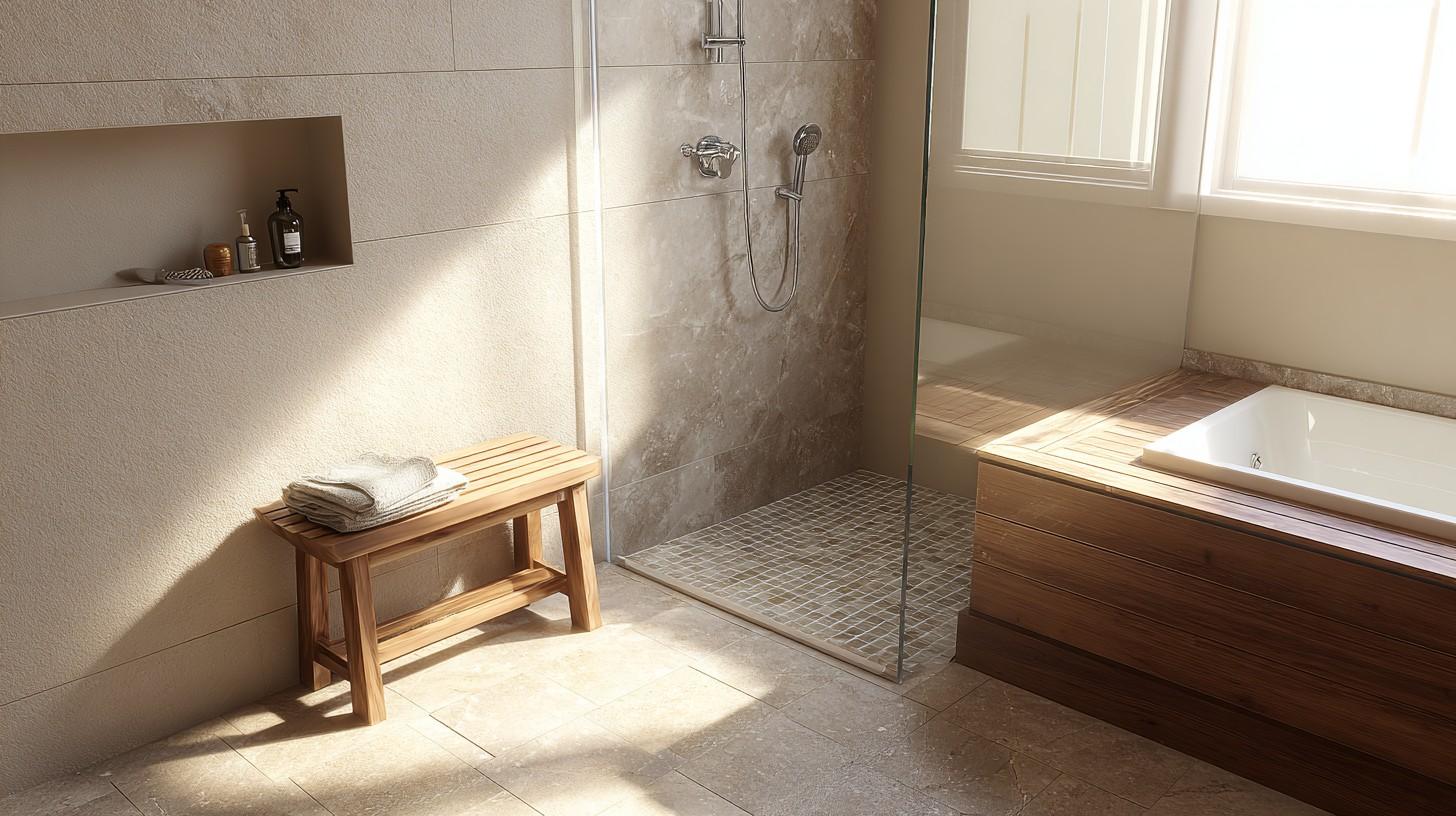
Seated washing is a big part of the traditional Japanese bathing routine, and having a small spot for a stool makes the habit easy to keep.
Even if seated washing is not your thing, a stool area comes in handy for shaving legs, bathing kids, or doing a quick rinse without standing the whole time.
9. Simple Half-Wall To Hide Clutter
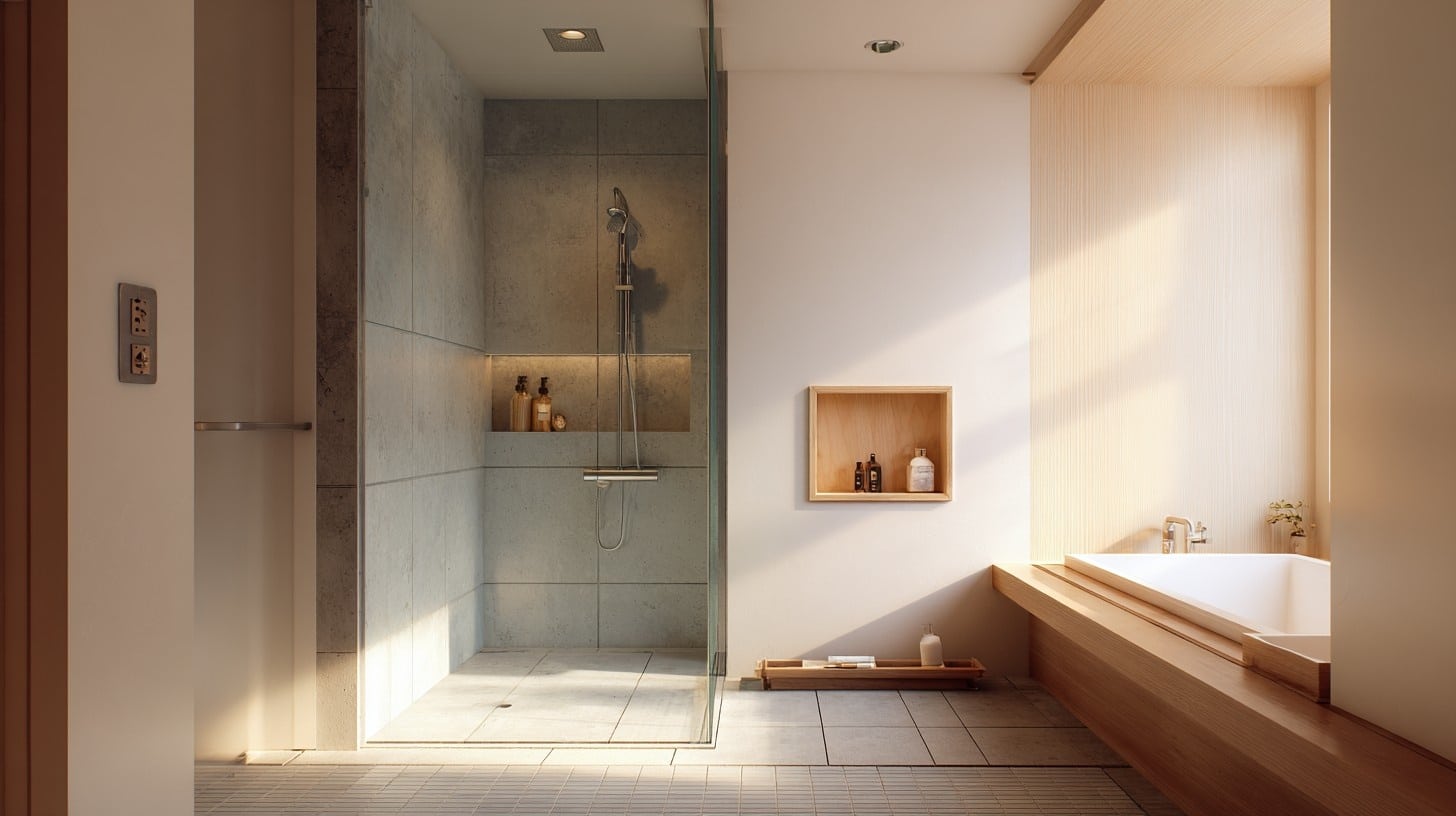
A half-wall near the tub or shower area quietly hides the parts of the bathroom you do not want to see from the doorway.
Controls, tub edges, and daily items stay tucked away, so the first thing you see when you walk in is a calm, clean space rather than a row of bottles and fixtures.
10. Deep Soaking Tub With A Compact Footprint
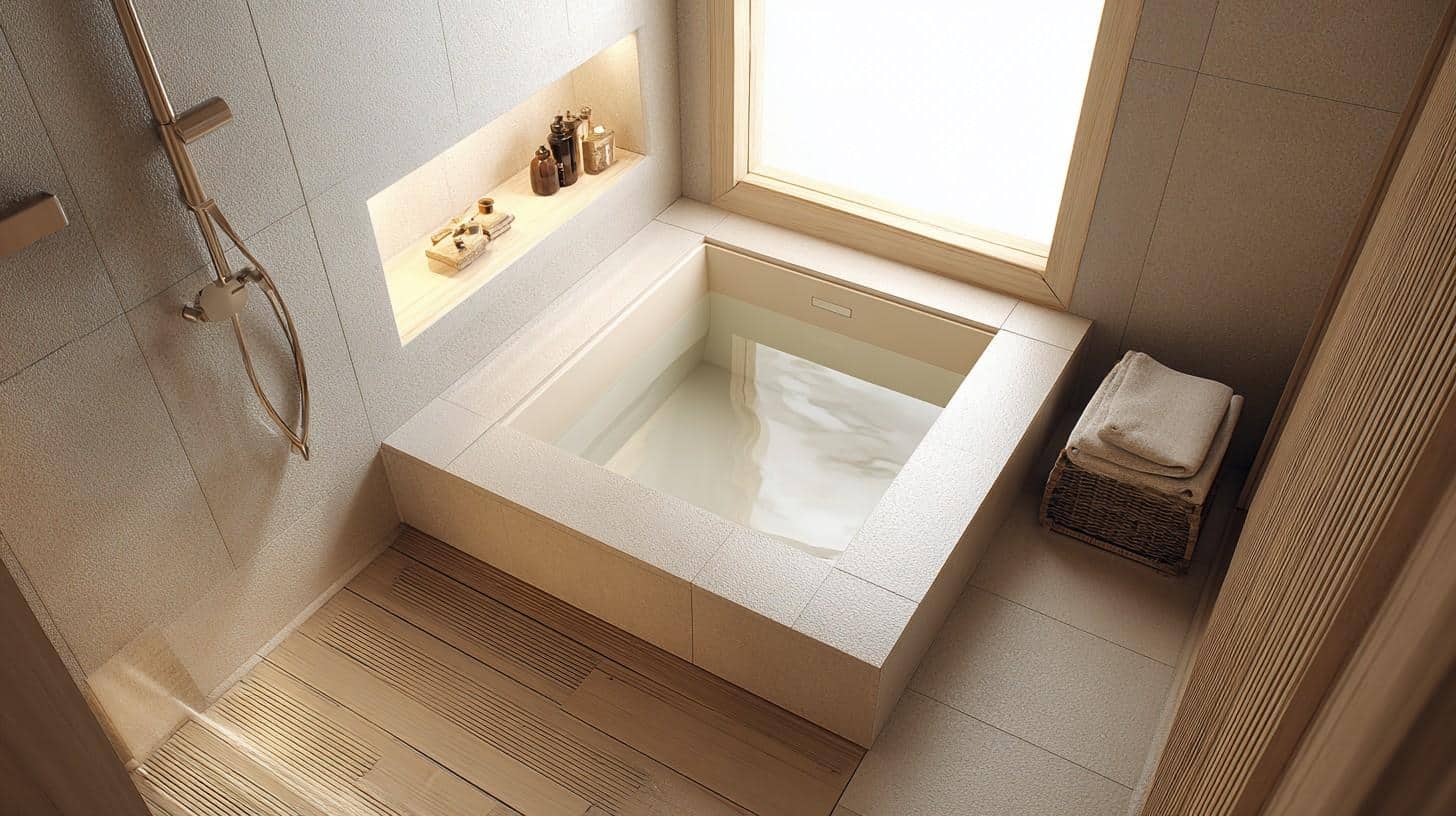
Japanese soaking is done seated, so the tub does not need to be long; it just needs to be deep. That small shift in shape saves a surprising amount of floor space while still giving you a full, satisfying soak.
Look for tubs labeled “deep soak” or “Japanese soaking tub” when shopping, as these are designed for the upright position. This is a practical choice for smaller bathrooms that lack the floor space for a standard Western tub.
11. Wood-Tone Tub Surround Or Tub Platform
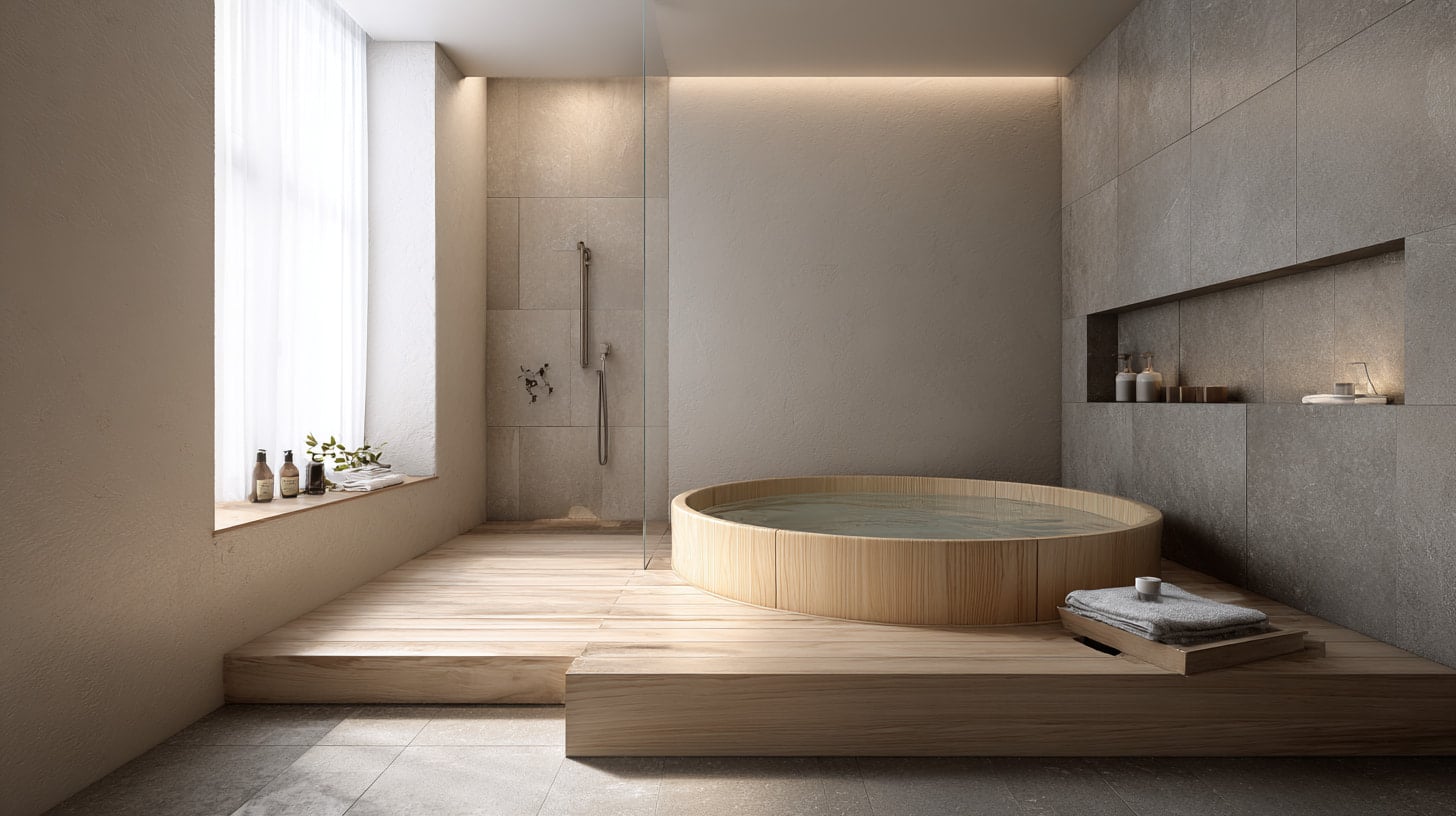
A wood-tone surround around the tub adds warmth to a bathroom without needing any extra decor. It makes the soaking area feel defined and intentional, like it was designed to be the centerpiece of the room.
The platform also gives the tub a slightly elevated, finished look that tile alone cannot always achieve. Use moisture-rated materials and seal all the edges properly so the wood tone holds up over time.
12. Minimal Tub Deck With Easy-Wipe Edges
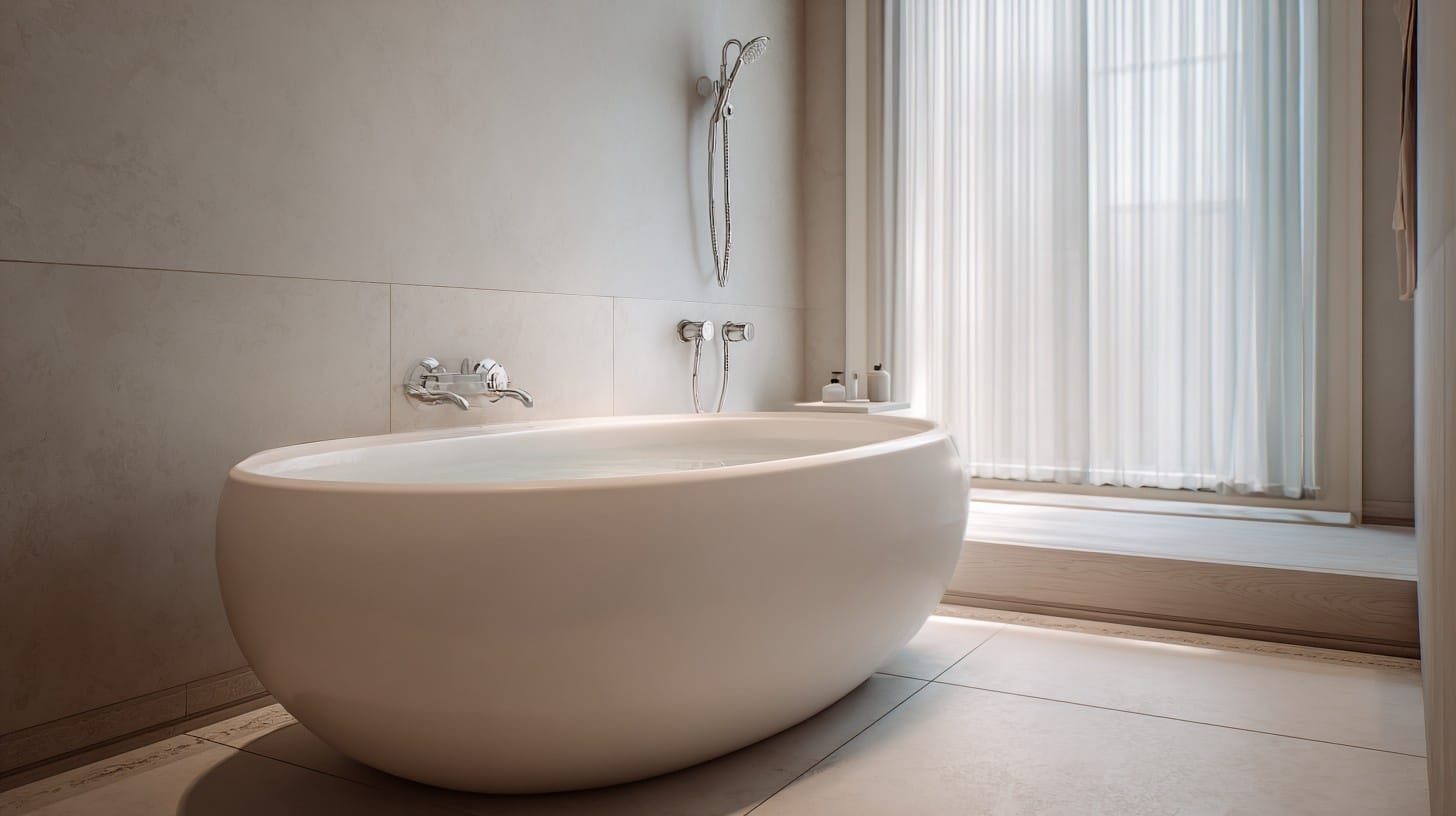
A clean, minimal tub surround is much easier to maintain than one with deep grooves, layered trim, or decorative ledges.
Water, soap, and product residue settle into every corner and groove, so the fewer of those you have, the less scrubbing you do over time. Keep the tub deck simple and flat so wiping it down takes seconds, not minutes.
13. Tub Facing A Frosted Window Or Green View
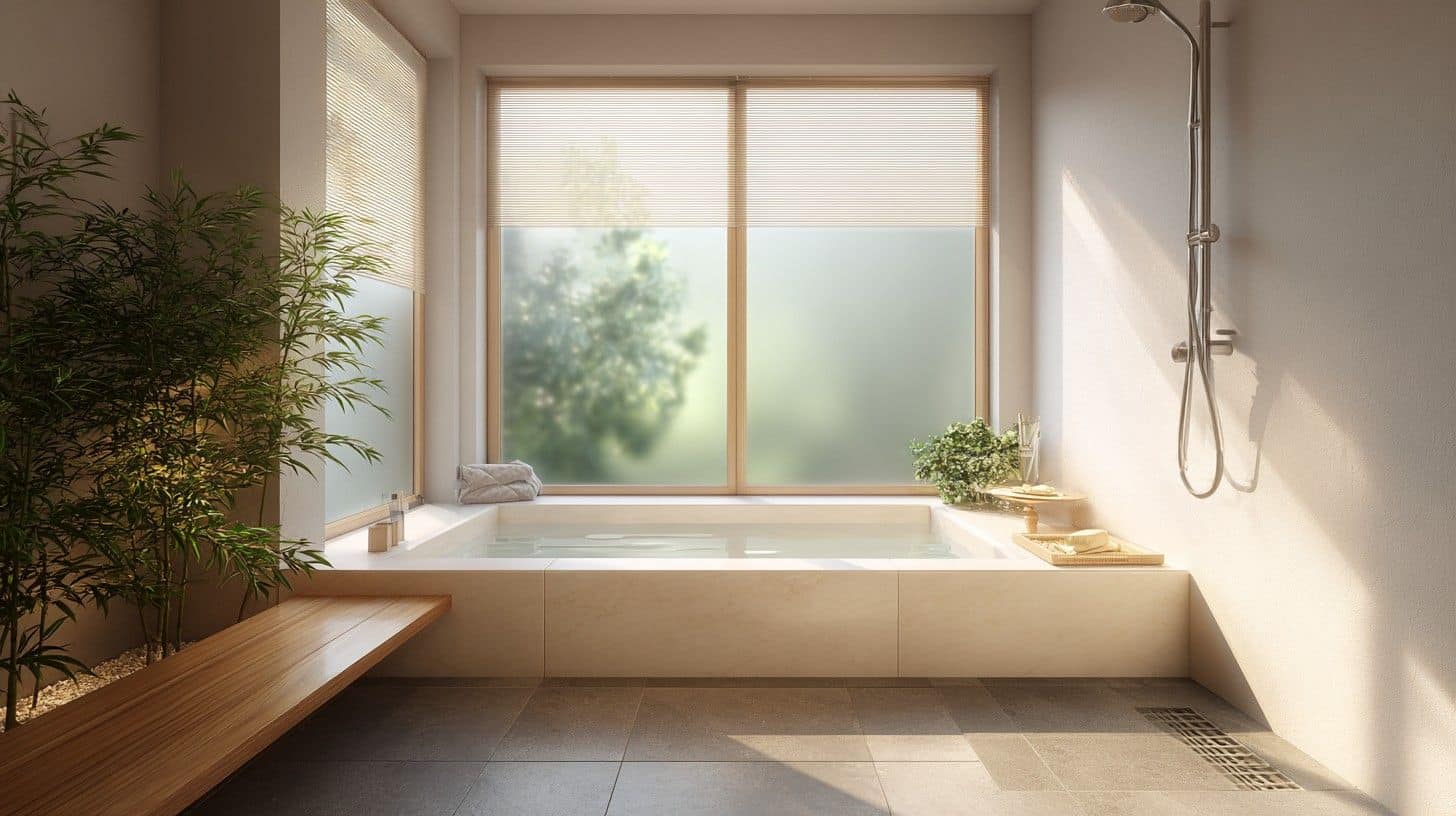
The goal of a Japanese soak is to feel calm, not to have a dramatic view from the tub. A frosted glass window brings in natural light while keeping full privacy, which is often all you need to make the space feel open and peaceful.
If there is greenery visible outside, even better. A simple roller shade lets you control light levels throughout the day. This approach creates a quiet, spa-like mood without any extra styling, plants on the edge, or decor trying to do the heavy lifting.
14. All-Black Japanese Bathroom
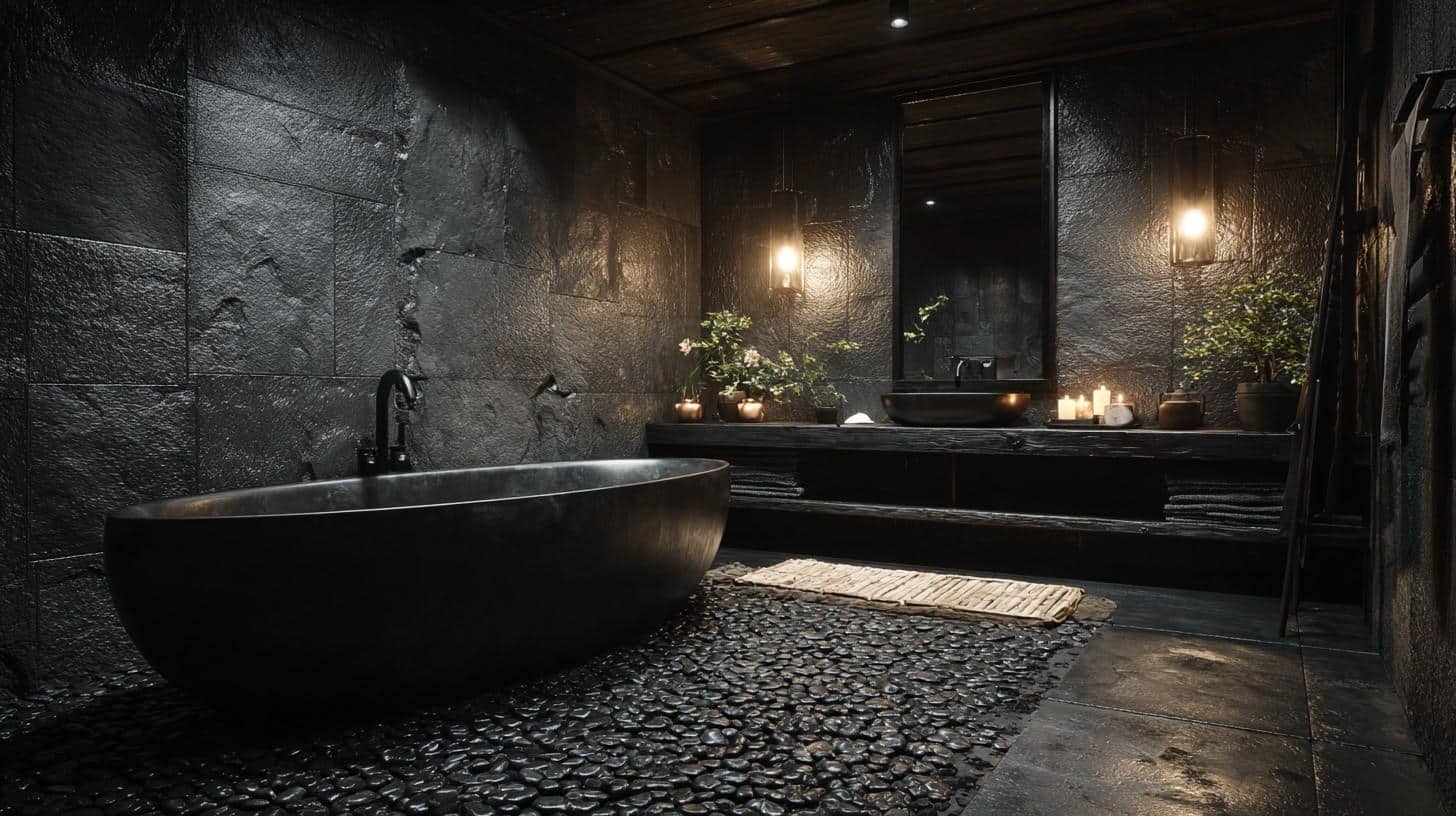
Black has deep roots in Japanese design. Sumi ink, black lacquerware, and charred wood (yakisugi) have been part of Japanese craft for centuries.
An all-black bathroom pulls from that same tradition. Matte black stone walls, a dark ofuro tub, black pebble flooring, and blackened wood accents create a space that feels moody, grounded, and completely intentional.
15. Rain Shower Plus HandheldCombo
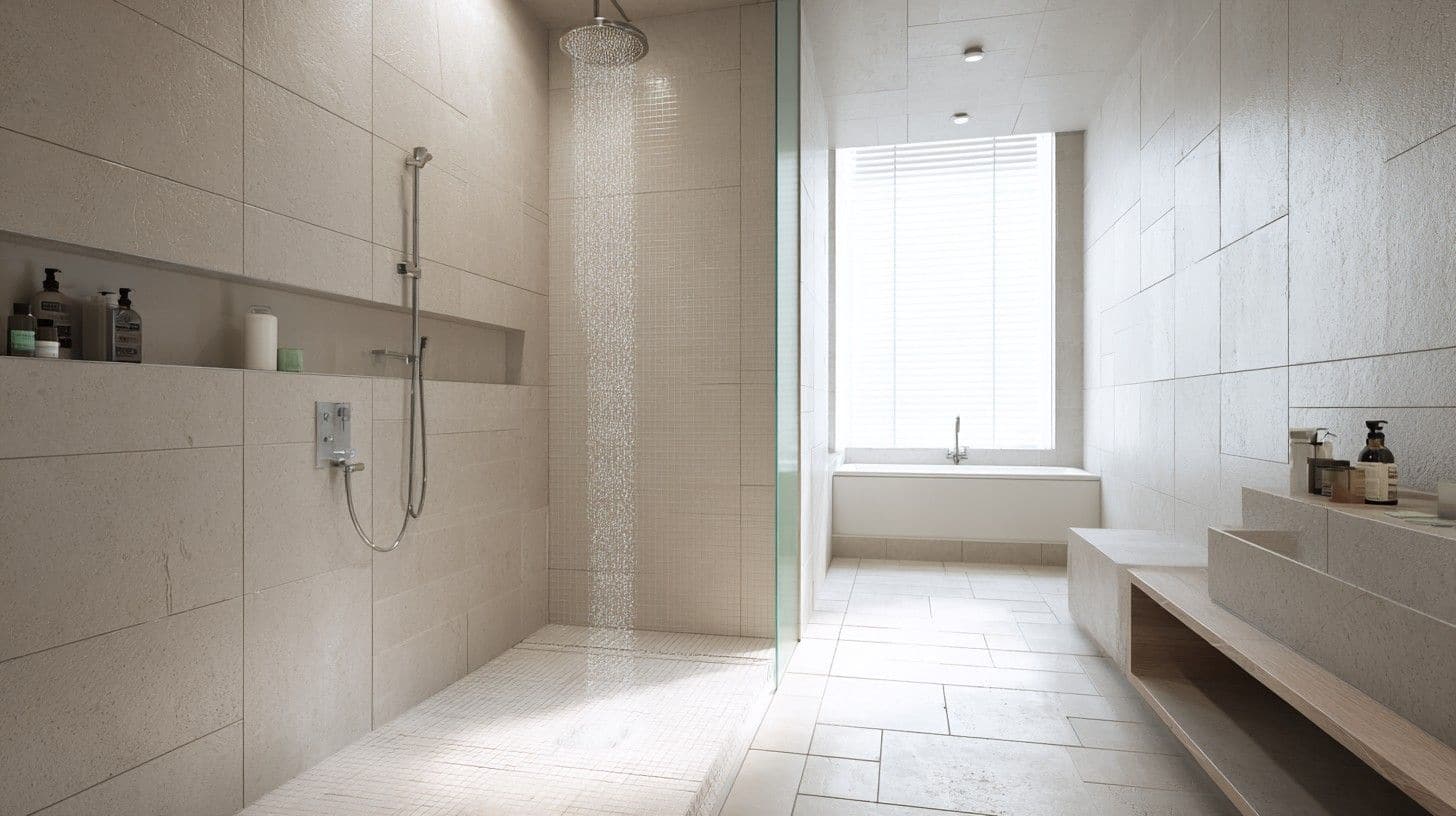
A rain shower head brings that slow, full-coverage water feel that makes a shower genuinely relaxing rather than just functional.
Pair it with a handheld, and you get the best of both: the comfort of rain-style water overhead and the control of a directed spray when you need it. Keep the rain head centered over the wash zone so the coverage feels even and intentional.
16. Easy Step-In Tub Height
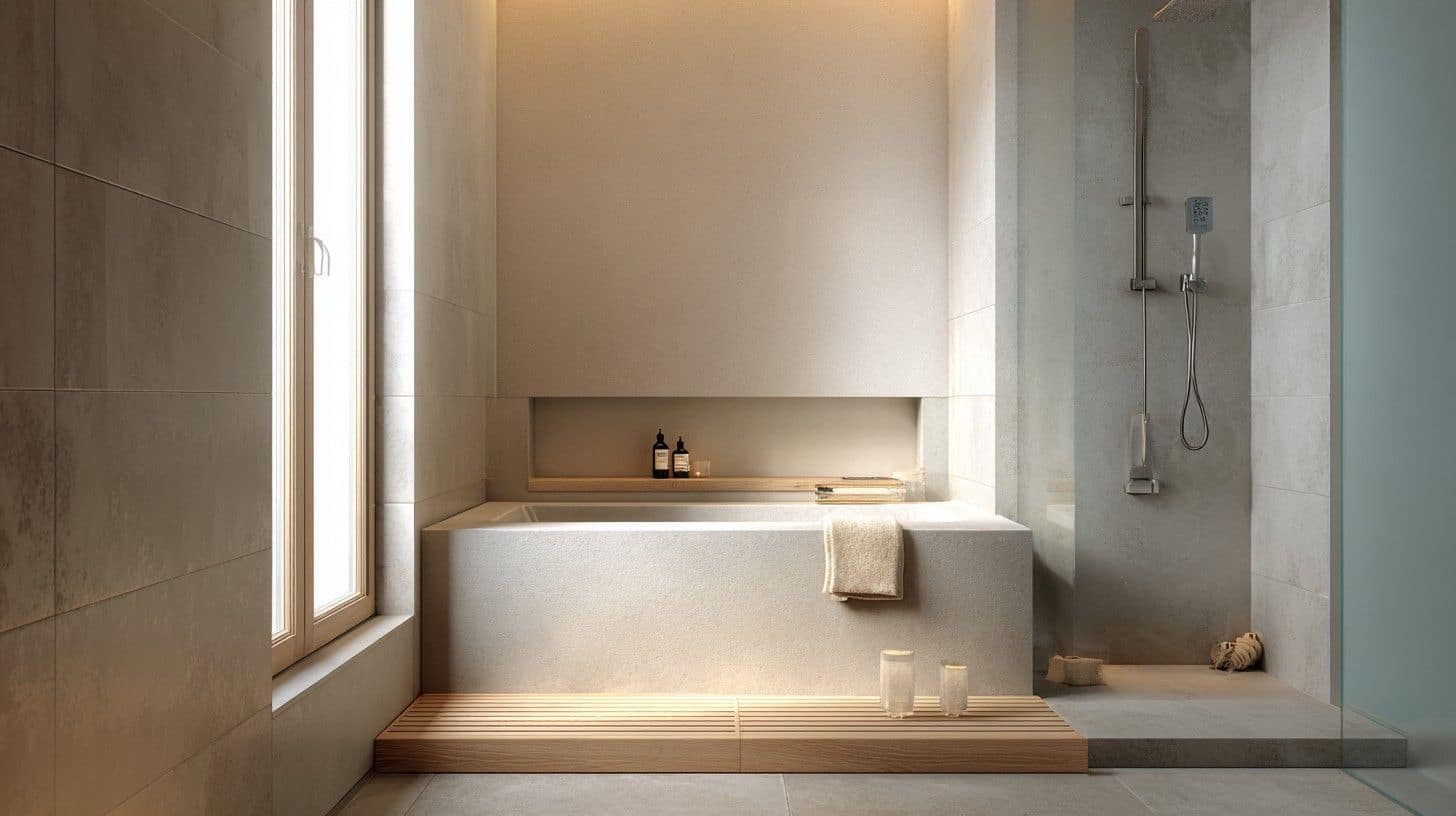
A tub that is too high to step into comfortably quietly kills the relaxation before it even starts. The step-in height matters as much as the depth of the tub, and it is something a lot of people overlook until they are already living with a bad choice.
Aim for a height that feels natural to step over without gripping anything for balance, while still keeping the tub deep enough for a proper soak.
17. Quiet Bath Tray Or Slim Tub Shelf
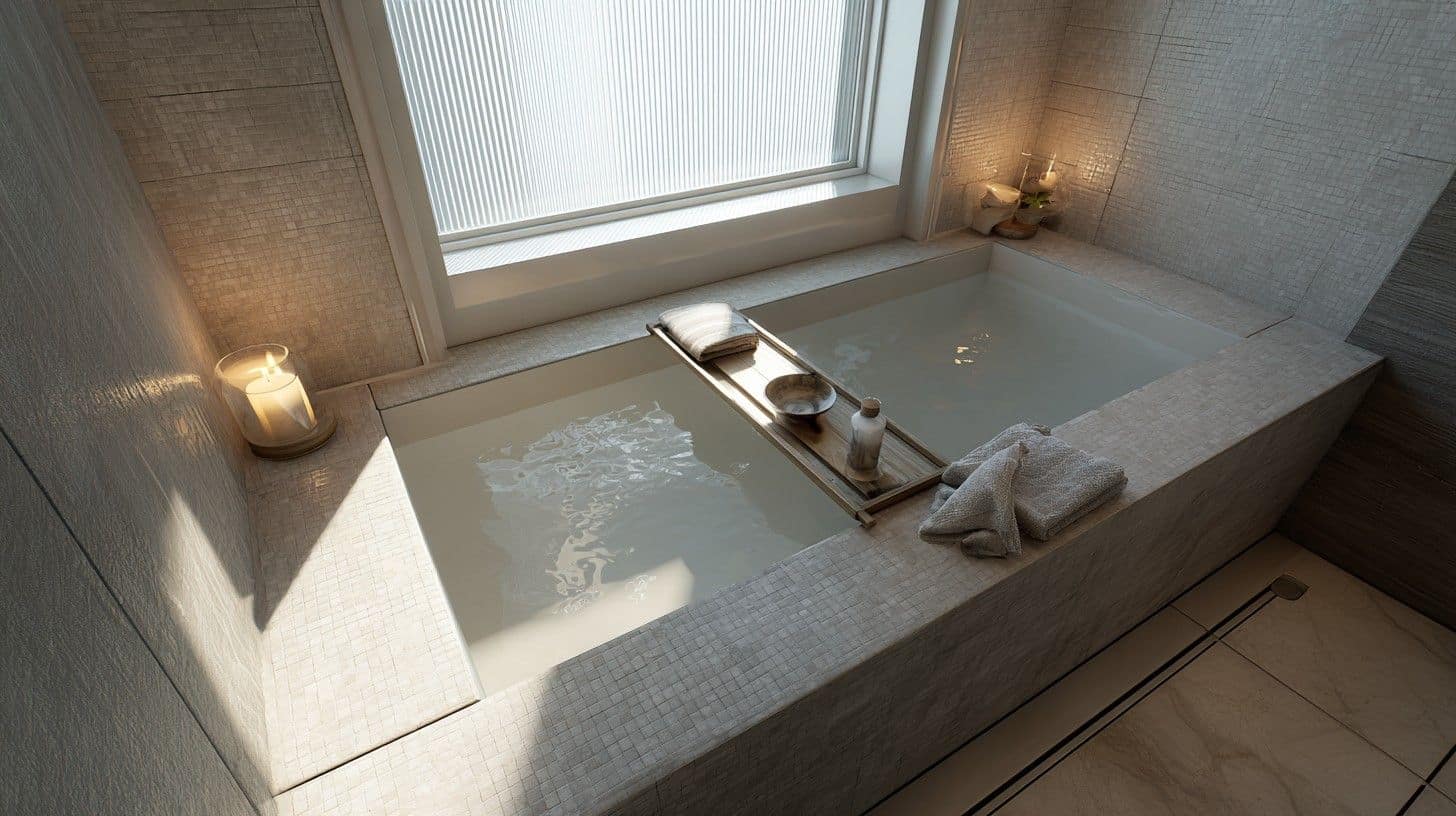
A simple tray resting across the tub can hold a small cloth, a bit of bath salt, or a single candle without making the space feel busy or overdone.
The key is to keep it to one tray with a few select items rather than layering baskets, bottles, and accessories along the tub edge. One well-chosen tray looks intentional.
18. Light Wood Ceiling Or Slat Detail
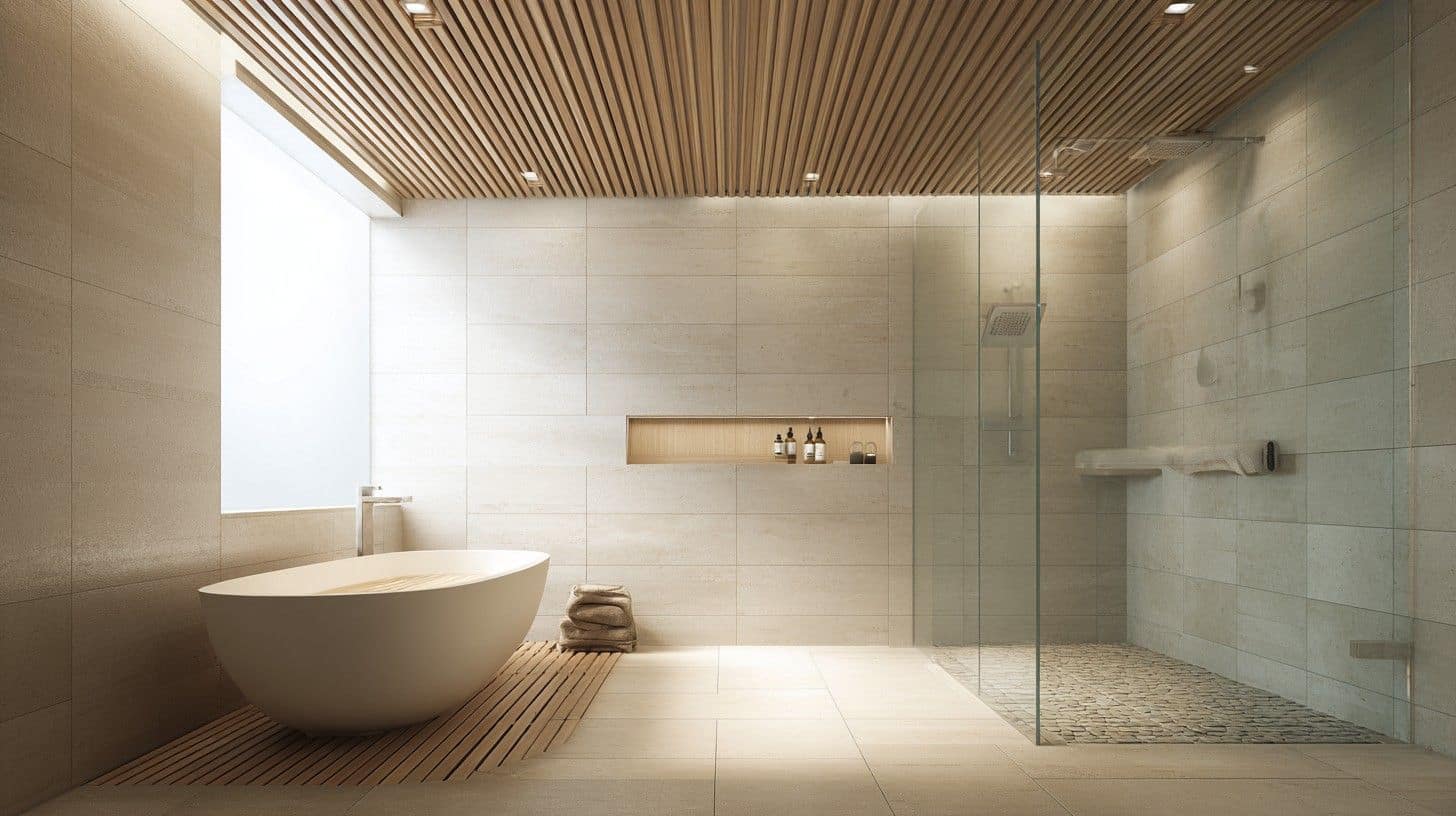
Adding wood to the ceiling is one of those changes that makes a bathroom feel completely different without touching the floor or walls.
It brings warmth into a space that is usually all tile and glass, and it softens the overall feel in a way that paint alone cannot. Use moisture-safe wood or wood-look slats so the material holds up in a humid environment over time.
19. Stone Or Concrete-Look Tile In Matte Finish
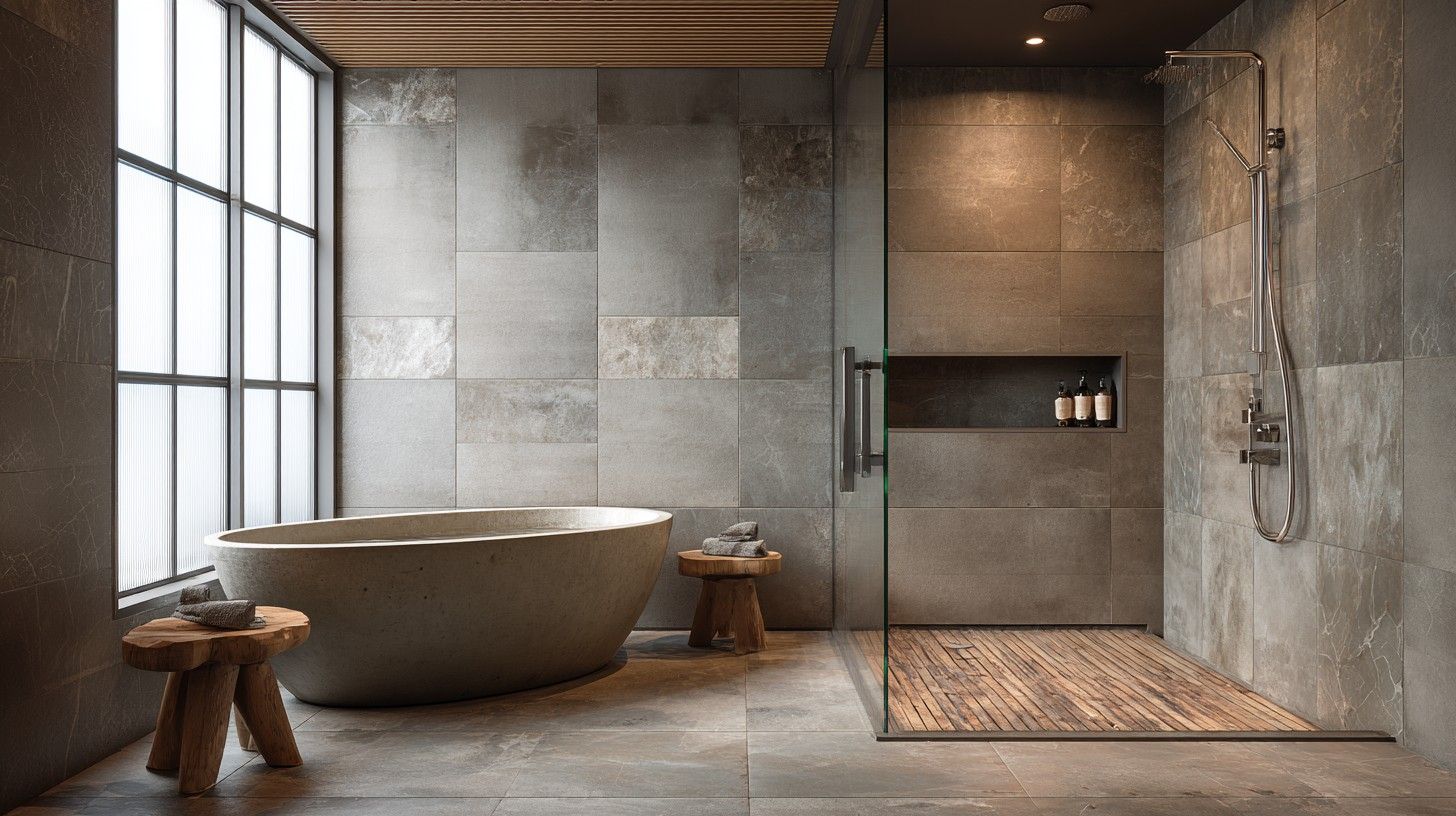
Matte tiles have a quieter presence than glossy ones, and they show far fewer water spots and smudges in daily use.
A stone or concrete look fits naturally into the Japanese bathroom style because it nods to natural materials without requiring the maintenance of real stone. Match the grout color closely to the tile for a smoother, more pulled-together finish.
This combination works well in modern bathrooms where the goal is a clean, understated look that feels natural and easy to live with rather than high-effort and high-shine.
20. Wabi-Sabi Style
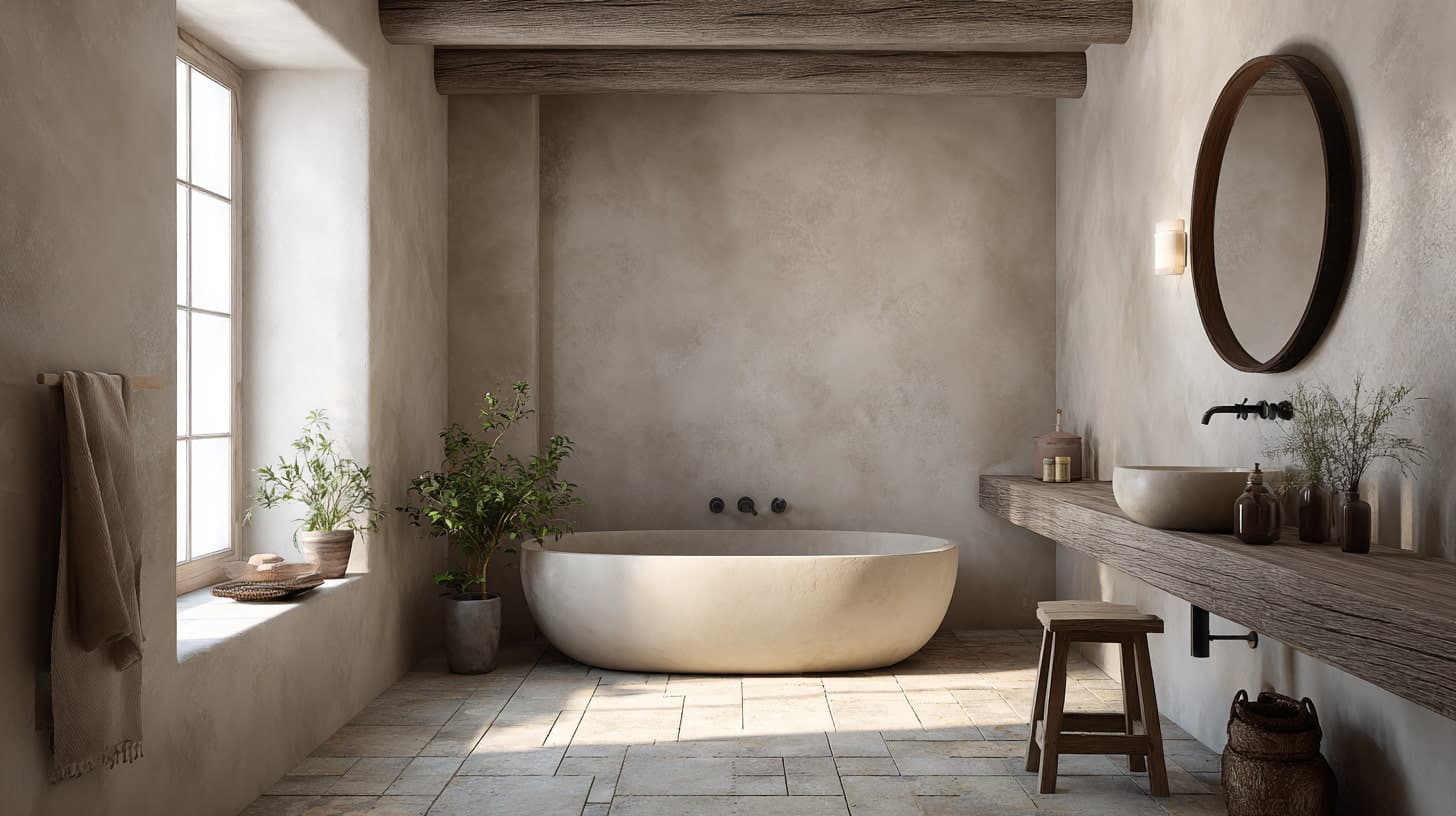
Wabi-sabi is the Japanese idea that imperfection is beautiful. In a bathroom, that means rough-edged stone sinks, handmade tiles with uneven glazing, cracked plaster walls, and wood that shows its grain and age.
Nothing is perfectly polished. Nothing is perfectly matched. And that is exactly the point. This style is one of the easiest to work with on a budget because worn, imperfect, and natural materials cost far less than flawless ones.
21. Textured, Slip-Resistant Shower Floor
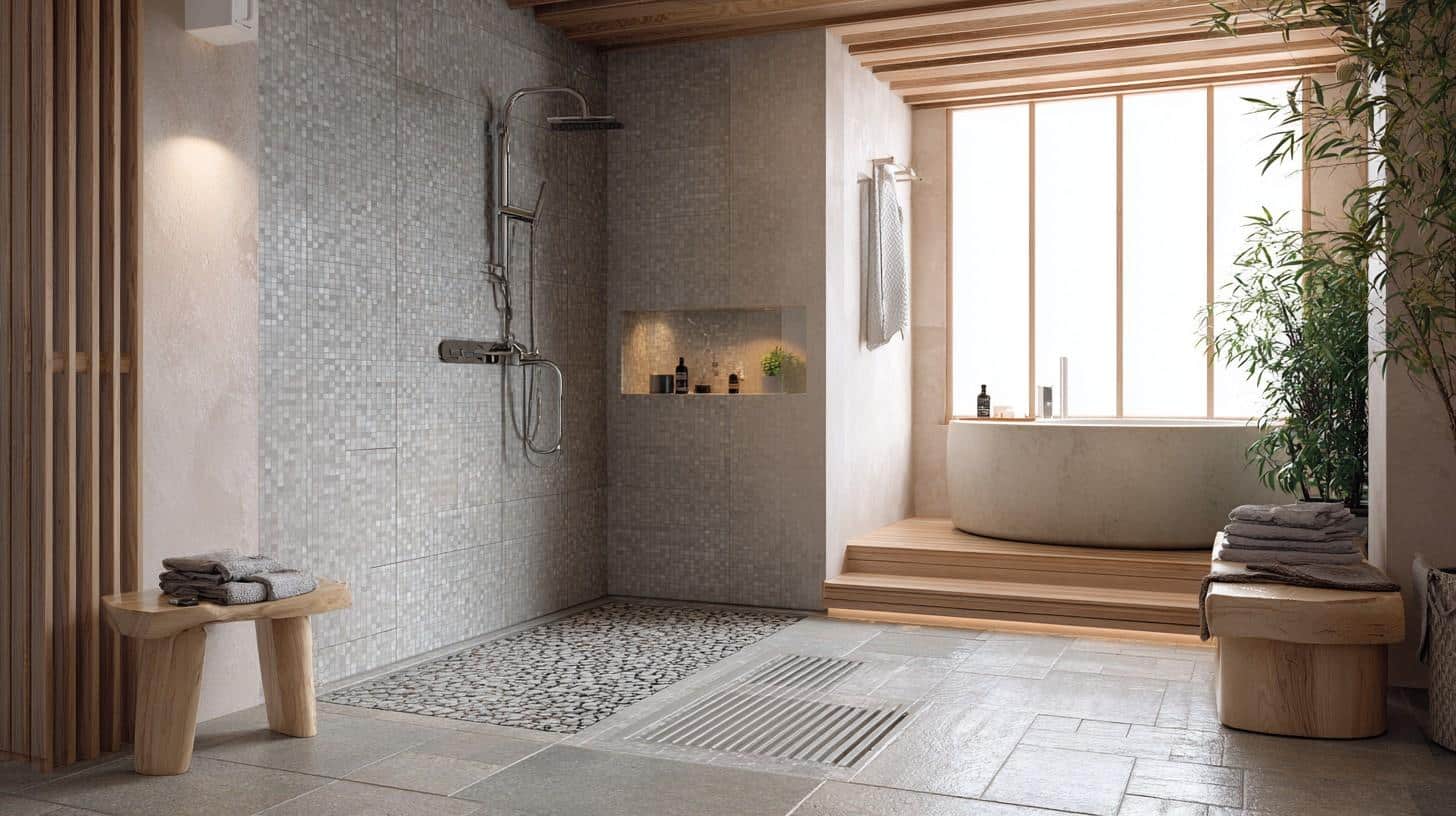
A wet floor needs proper grip, but that does not mean it has to look heavy or industrial. Textured tiles can still look polished and intentional if you keep the color calm and stick to a simple pattern.
The texture does the safety work quietly in the background while the color and tone carry the design. Always check the slip rating before buying, and test how it feels underfoot if possible.
22. Warm Neutral Palette
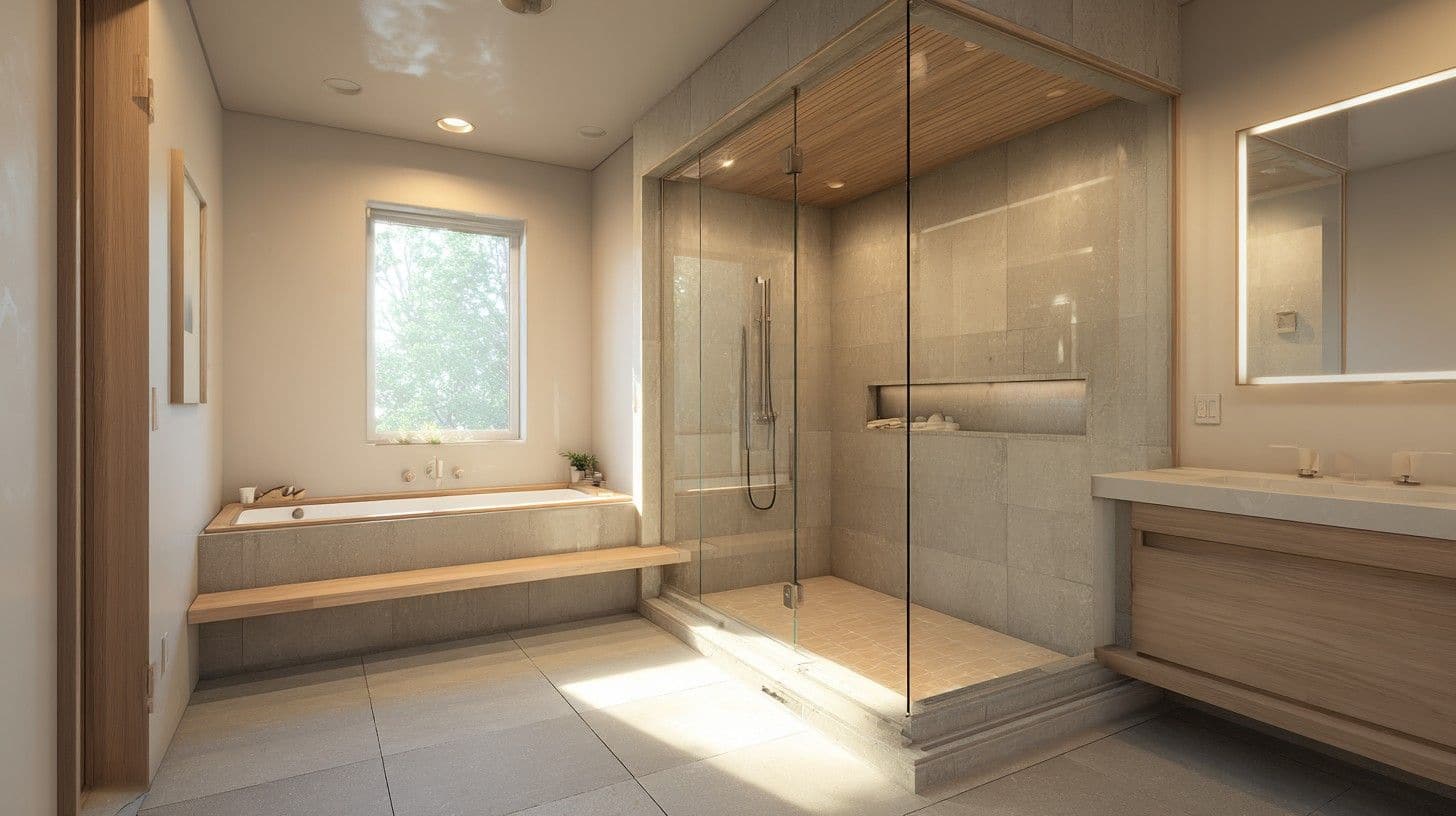
Cool, stark white bathrooms can feel clinical rather than calming. Warm whites, soft beiges, and muted grays bring a gentler quality to the space, making it easier to relax in.
They also pair naturally with wood tones and stone finishes, which are common in Japanese bathroom design. The most important thing is to keep the undertones consistent across your tile, grout, and paint so nothing clashes.
23. One Dark Accent
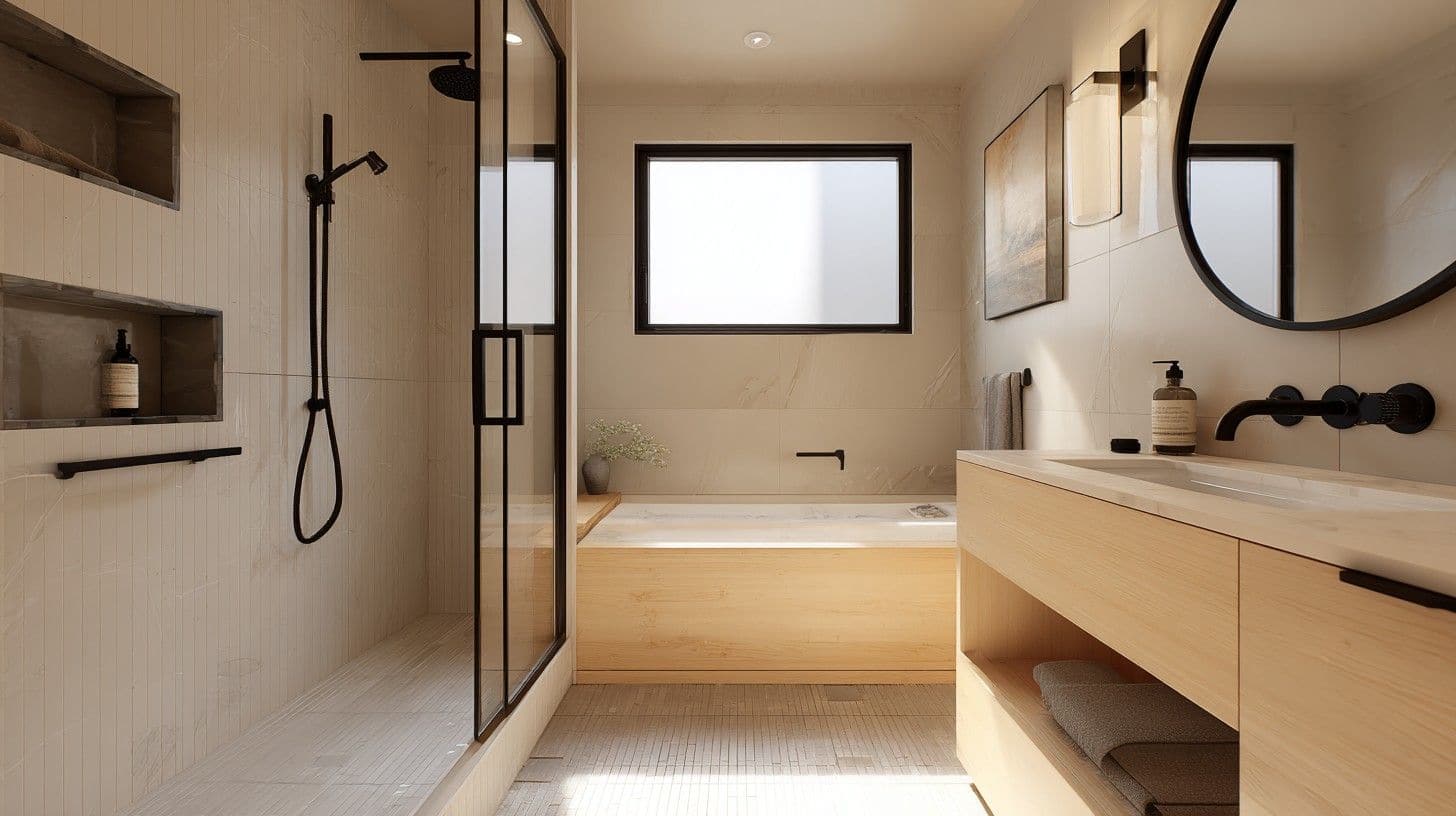
A single dark note goes a long way in a bathroom built around light, neutral tones. Black hardware, a charcoal tile strip, or a dark-framed mirror adds contrast and stops the space from feeling flat or washed out.
The key is restraint. Pick one dark element and repeat it two or three times across the room so it feels intentional rather than random.
24. Simple Basin In Matte Ceramic Or Stone
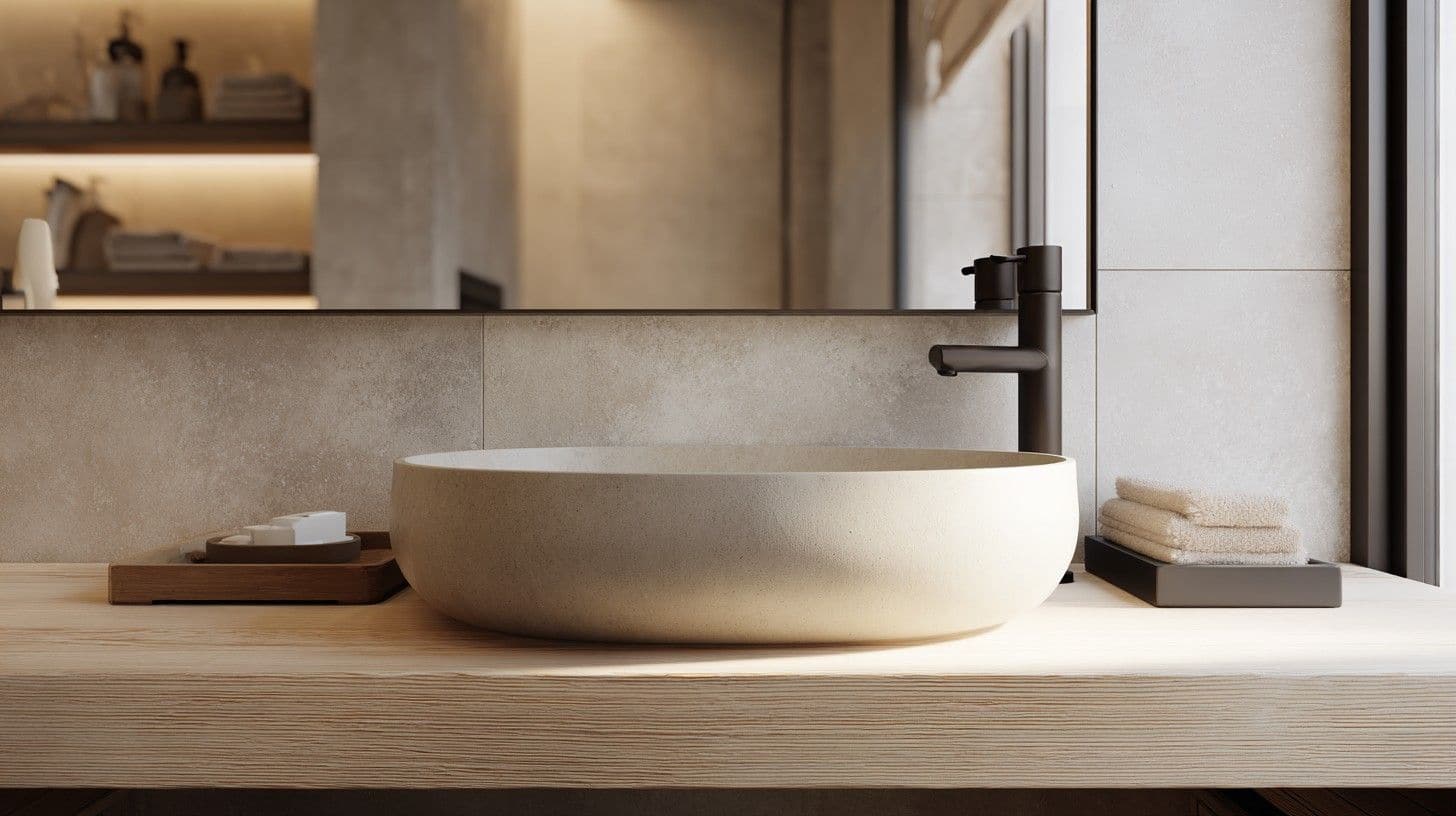
A clean sink shape with no fussy detail keeps the vanity area feeling calm and uncluttered. Matte ceramic and stone finishes are also more forgiving in daily use, as they hide watermarks and minor smudges better than high-gloss alternatives.
Pair the basin with a faucet that has a simple, straight silhouette rather than one with decorative curves or heavy detailing.
25. Floating Vanity For Visual Space And Easy Cleaning
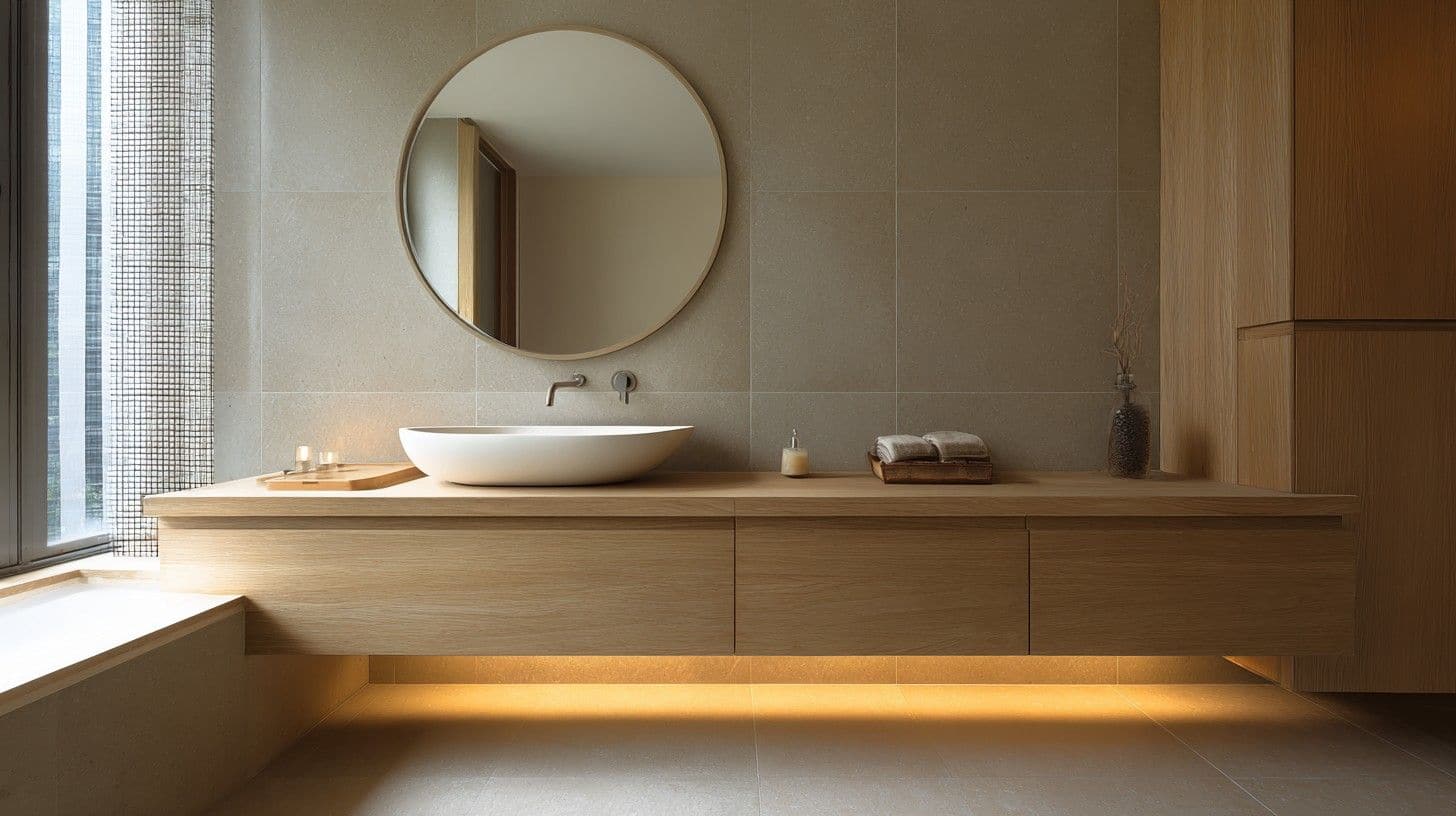
A vanity that sits off the floor makes the whole bathroom feel more open, even if nothing else changes. The visible floor space underneath creates a sense of lightness that a floor-mounted cabinet simply cannot.
It also makes cleaning the floor much easier since there is nothing to work around. Add subtle under-vanity lighting for a soft glow at floor level, making the space feel warmer, especially in the evening.
26. Soft, Layered Lighting
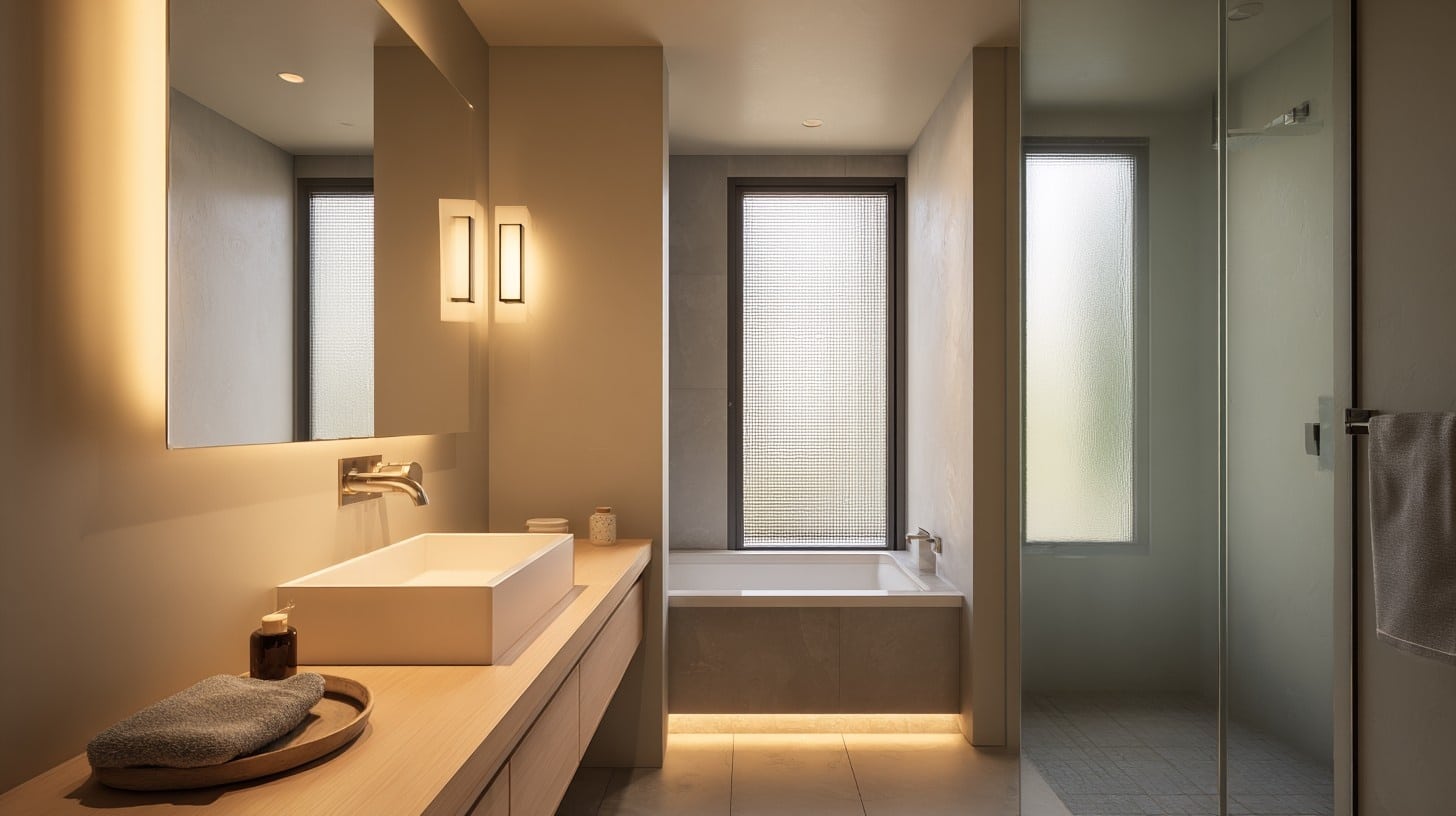
A single bright overhead light does the job, but it rarely feels good, especially at night when you want the bathroom to feel like a place to wind down rather than wake up. Layered lighting gives you options.
A ceiling light handles the practical tasks while a wall light near the mirror adds softer, more flattering light for daily routines.
27. Tsukubai-Inspired Floor-Level Basin
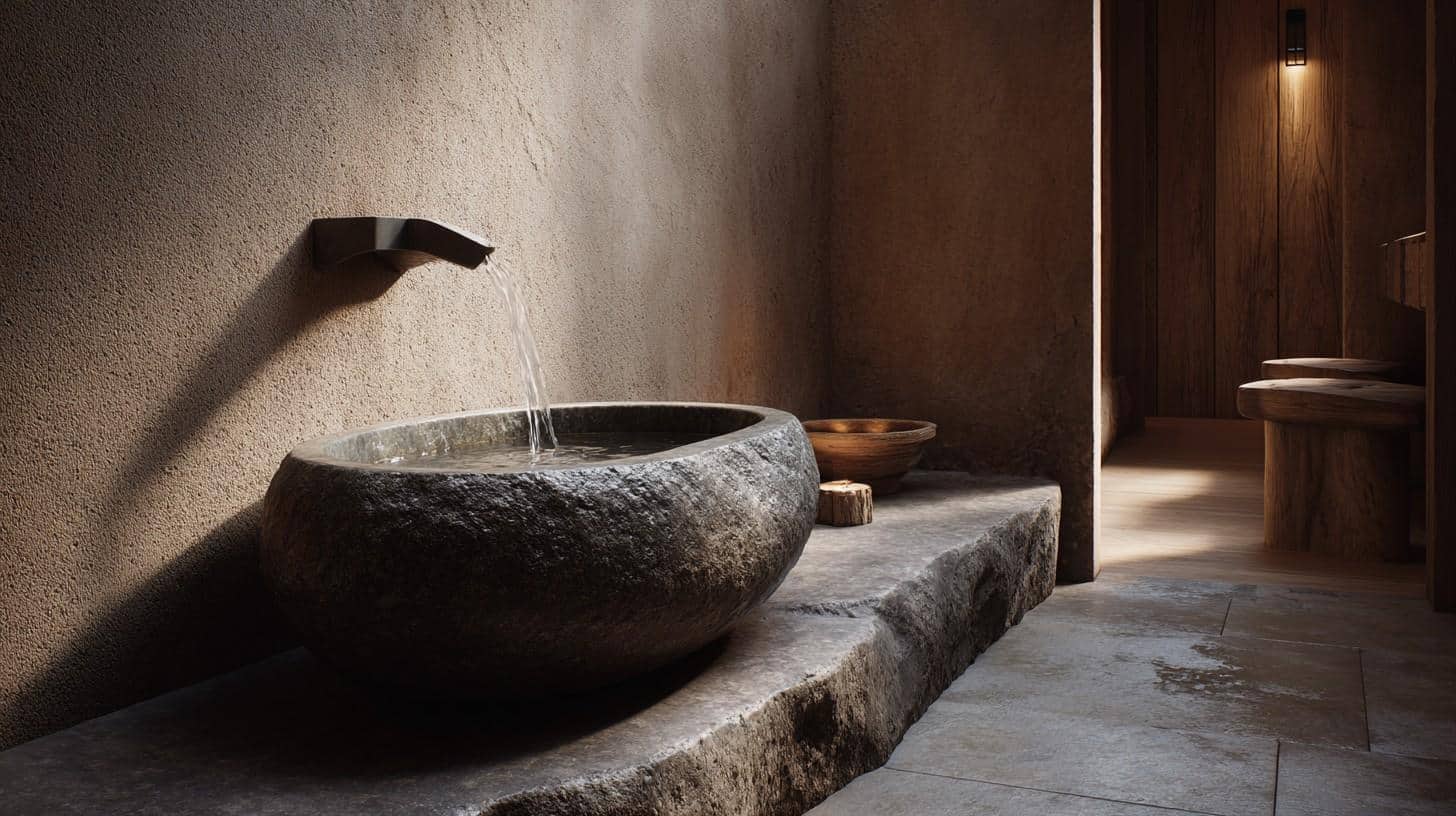
In traditional Japanese gardens, a tsukubai is a low stone basin where visitors crouch down to rinse their hands before entering a sacred space.
That same idea works beautifully inside a bathroom. A floor-level stone basin mounted near the entrance of the wet zone creates a quiet pause point before bathing begins.
28. Closed Storage First
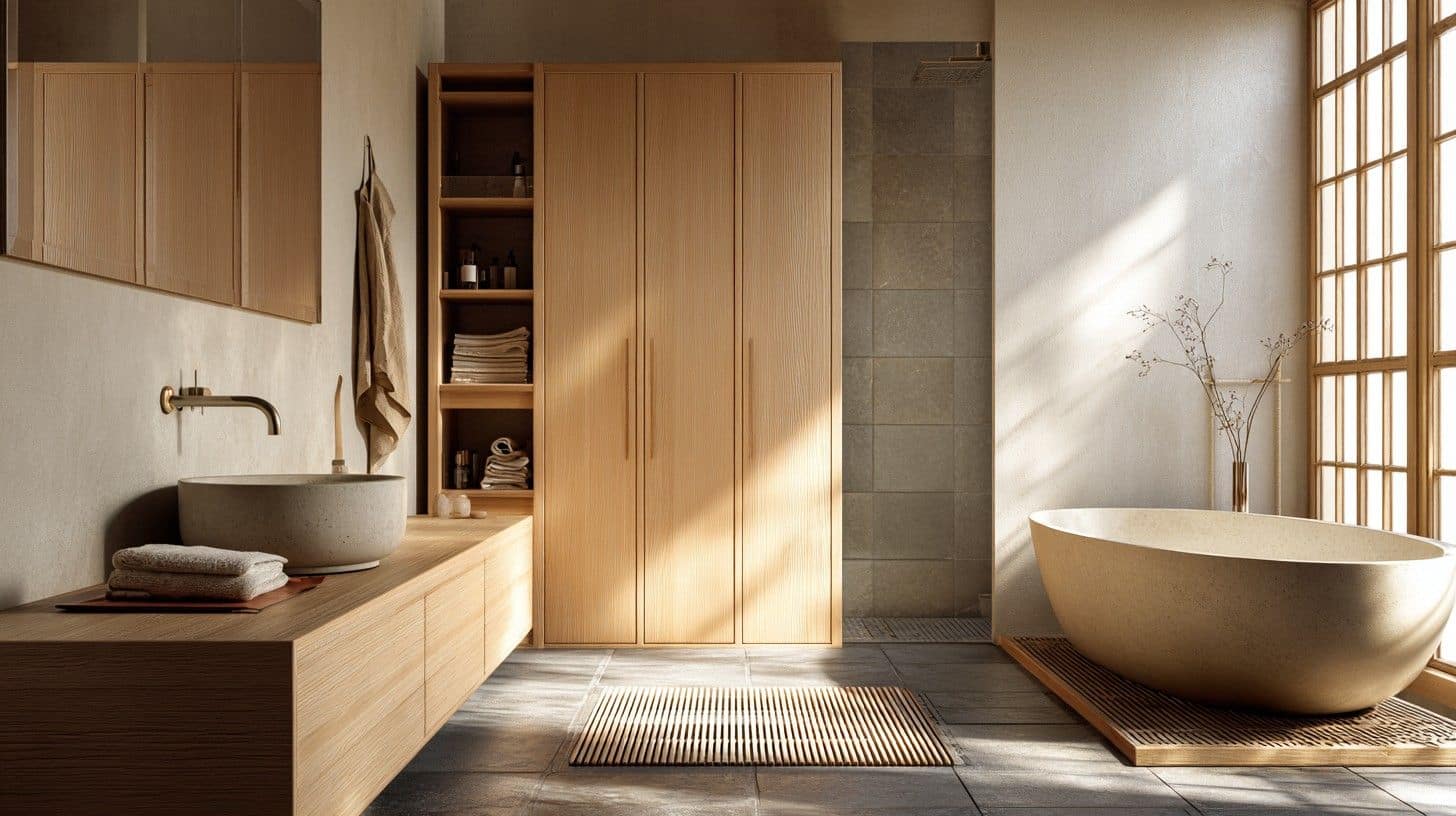
Open shelves and visible bottles can make even a well-designed bathroom look messy within a day or two of regular use. Closed cabinets fix that problem quietly and consistently.
When everything has a door or drawer in front of it, the room stays looking calm regardless of what is happening on the other side. Plan for at least one tall cabinet that can hold spare towels, backup supplies, and the things you do not need out every day.
29. One Daily Tray Only
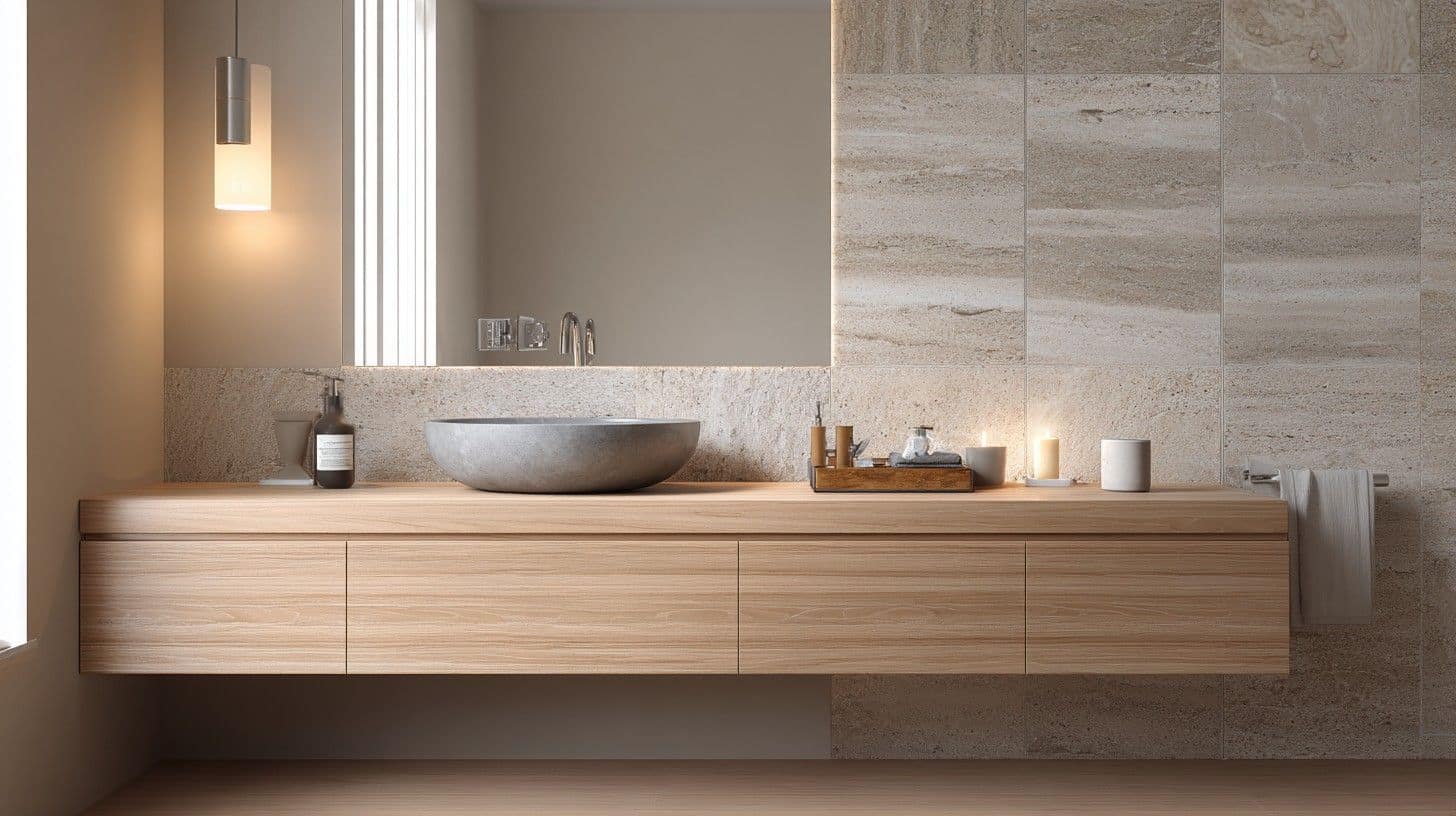
The idea behind this one is simple: pick one tray, put your daily essentials on it, and put everything else away. It sounds obvious, but it is the habit that keeps the clean, minimal look realistic over time rather than just on the day you tidy up.
A small tray with a few items looks intentional. Two trays and a few loose bottles look like a surface that got away from you. Give the tray a quick reset once a week to keep things from creeping back.
30. Wall-Mounted Bath Control Panel
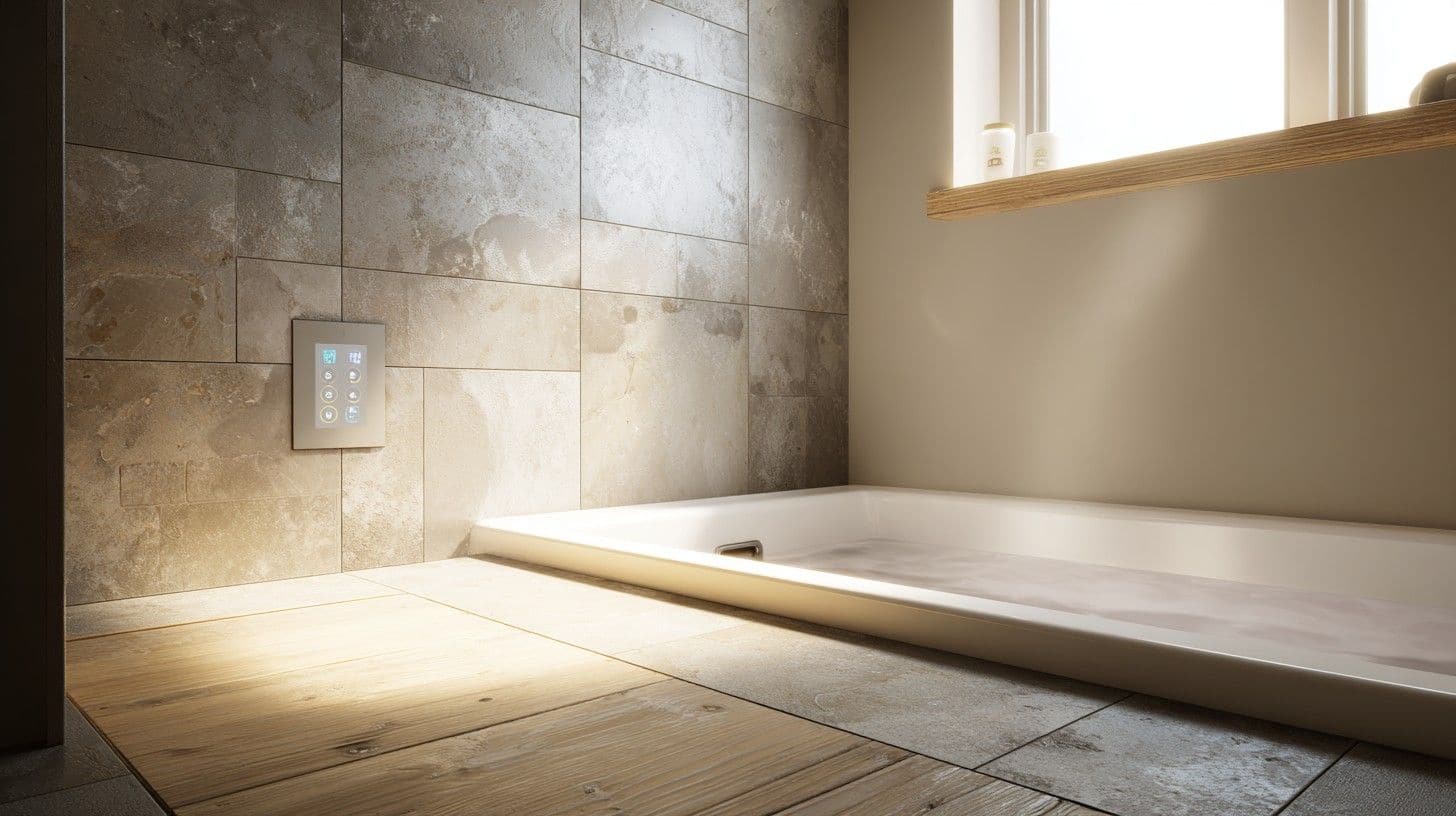
A wall-mounted control panel takes the guesswork out of bath time completely. Set the temperature, schedule the fill, and reheat the water if someone runs late, all from one panel without hovering over the tub.
It makes the bathing routine feel smooth and reliable rather than a series of small adjustments every evening. If a full panel is not in the budget or not possible to install, a thermostatic valve paired with a simple timer gets you a good portion of the same convenience.
31. Indigo and White Japanese Bathroom
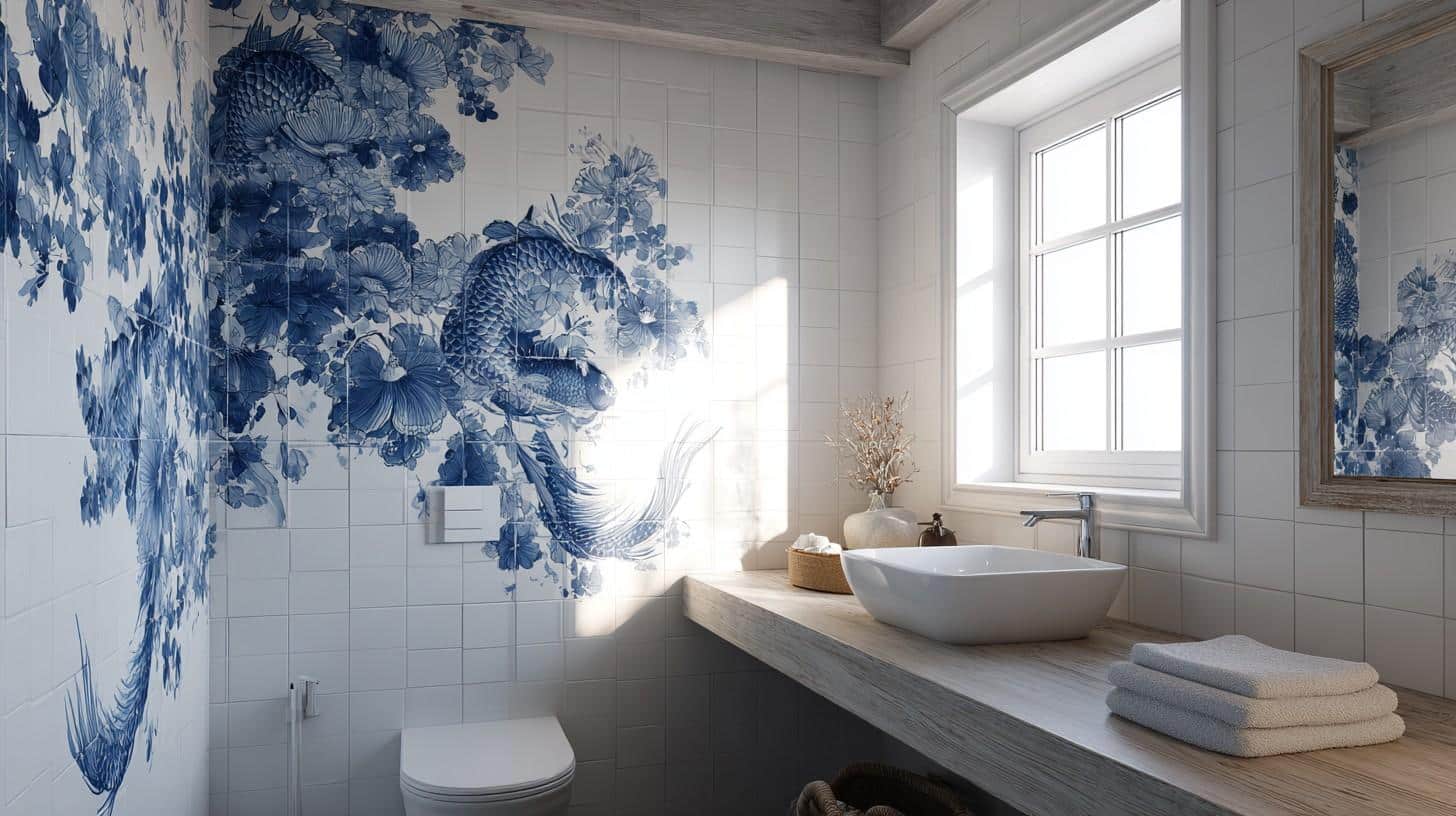
Indigo has been woven into Japanese culture for over a thousand years through the art of aizome, a traditional fabric dyeing technique.
Bringing that same pairing into a bathroom feels completely natural. Deep indigo zellige or handmade tiles against crisp white walls create a bold contrast that is never loud. A white stone basin, white linen towels, and natural wood accents soften the look.
32. Bathroom Heating Mode
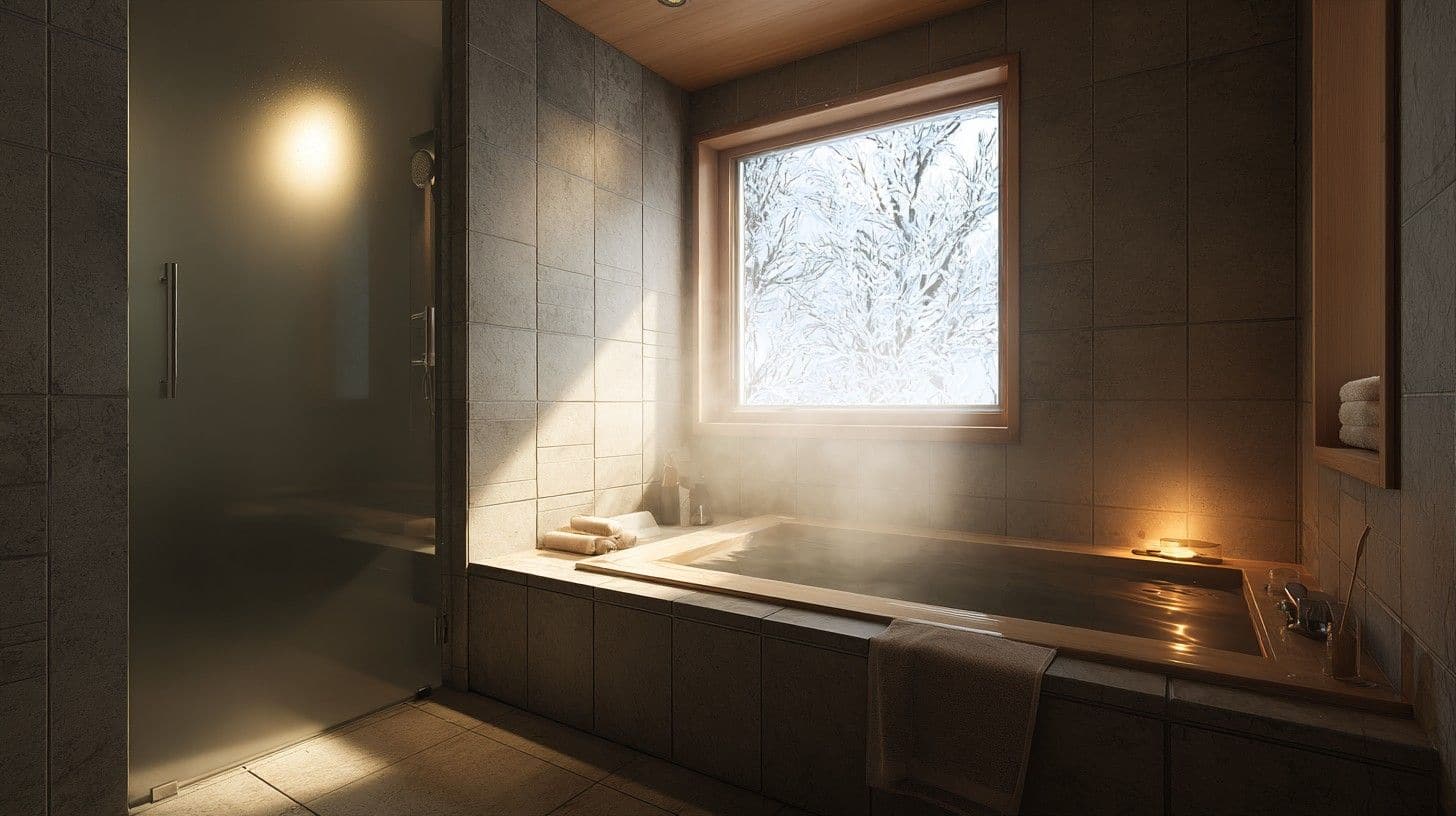
Stepping into a warm bathroom is a completely different experience from stepping into a cold one, especially in the middle of winter. Heating the room before you undress removes that sharp, uncomfortable chill that can make the whole routine feel like a chore.
Options include ceiling heat, underfloor heating, or a heat-vent combination, depending on your setup and budget. Underfloor heating is the most comfortable underfoot, but also the biggest investment.
33. Comfort control
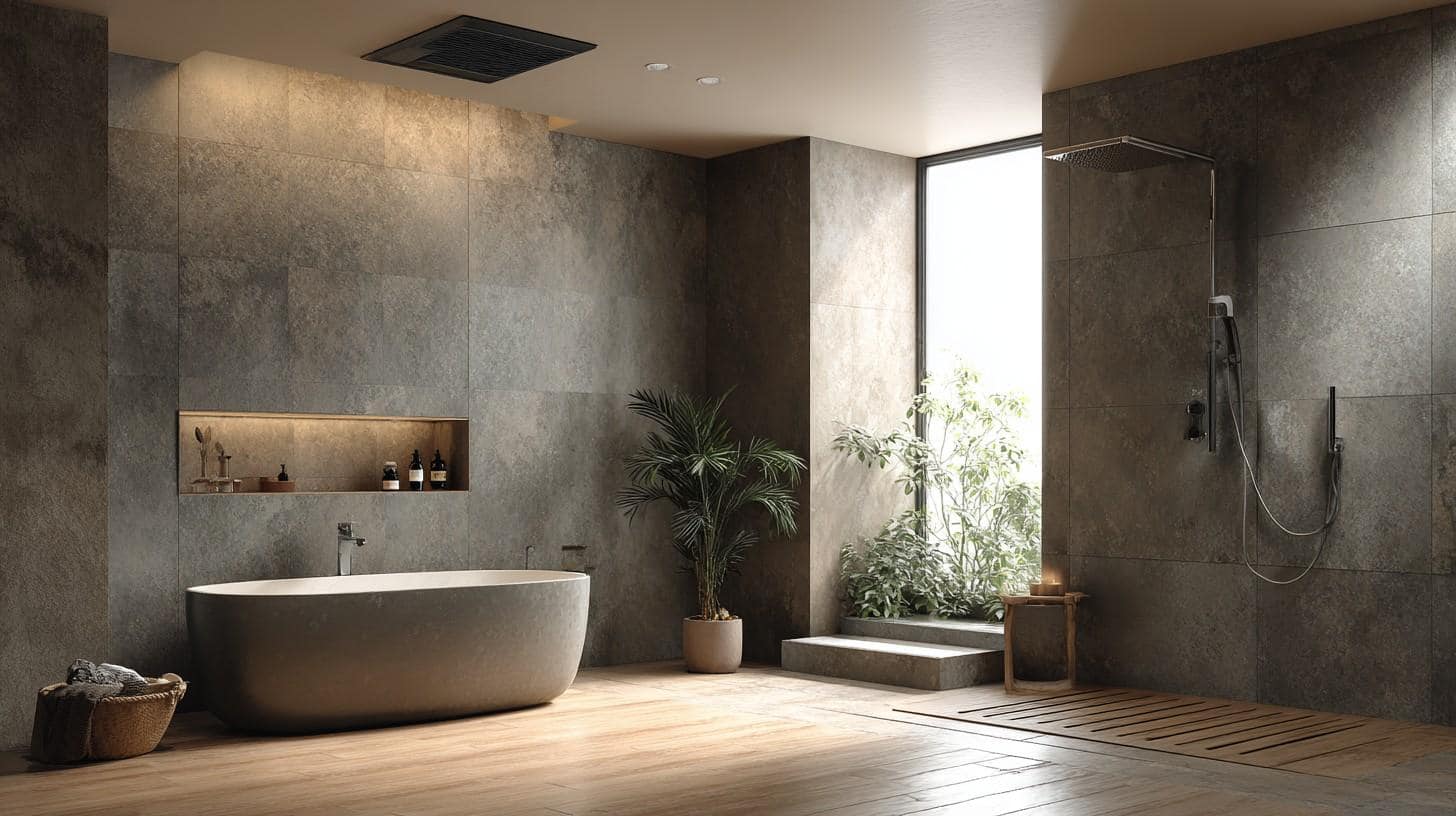
Moisture that lingers in a bathroom after a shower causes damp smells, surface damage, and mold over time. A drying mode pulls that moisture out of the air quickly after bathing, keeping the space fresher and protecting your finishes in the long run.
It is especially useful in wet rooms and smaller bathrooms where ventilation is limited, and moisture builds up fast. If a dedicated drying system is not an option, a strong exhaust fan running for a solid stretch after each shower handles a good portion of the same job and costs far less to install.
34. Clothes-Drying In The Bathroom
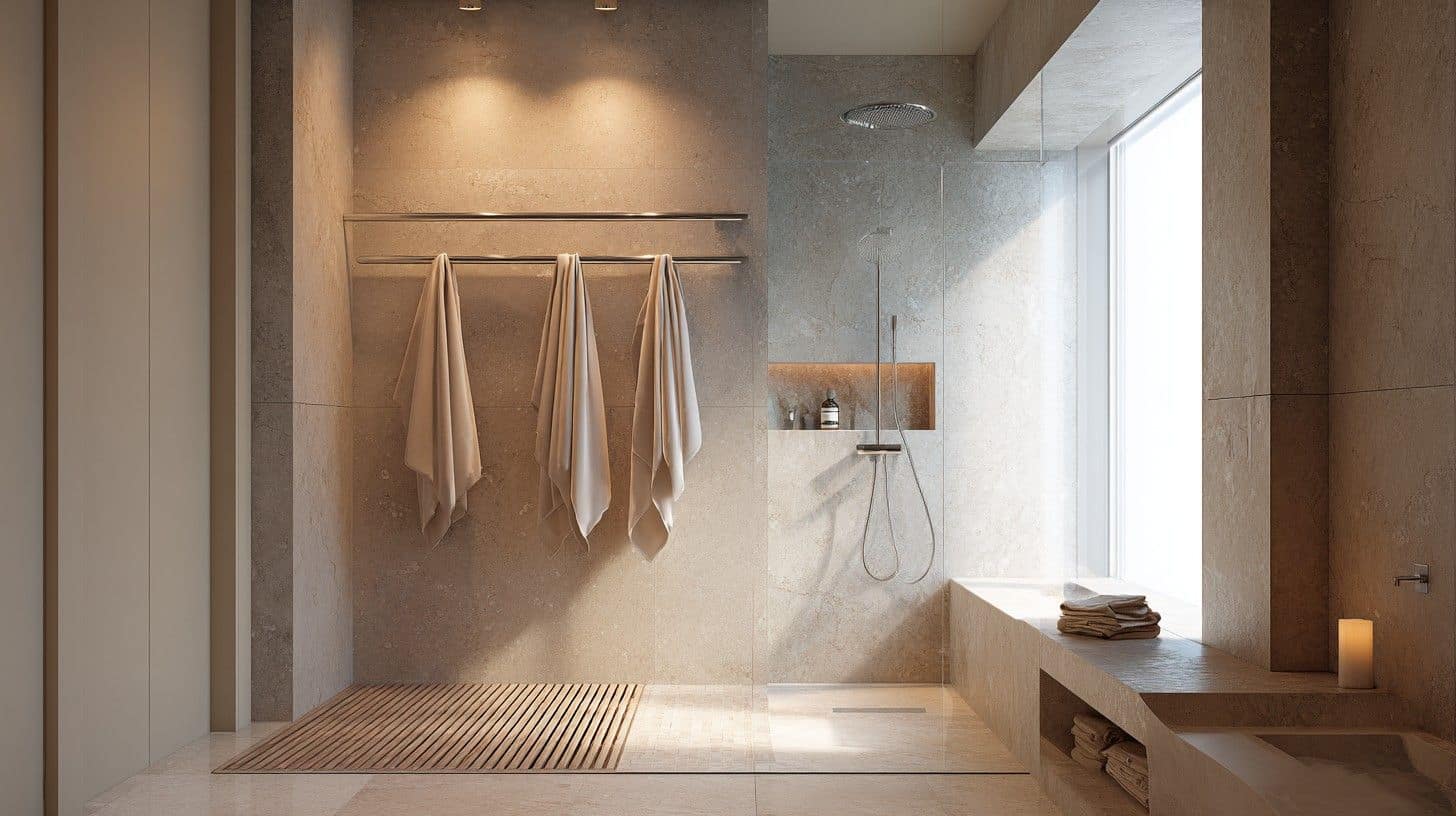
Using the bathroom as a laundry drying space is completely normal in Japan, and for good reason. When the drying mode is running, the room is already handling moisture, so adding a load of laundry to the equation is not a stretch.
It is especially practical in apartments or regions where outdoor drying is not always reliable. A ceiling-mounted drying rod keeps clothes up and out of the way while the exhaust does the work.
35. Bathroom with a Built-In Sauna
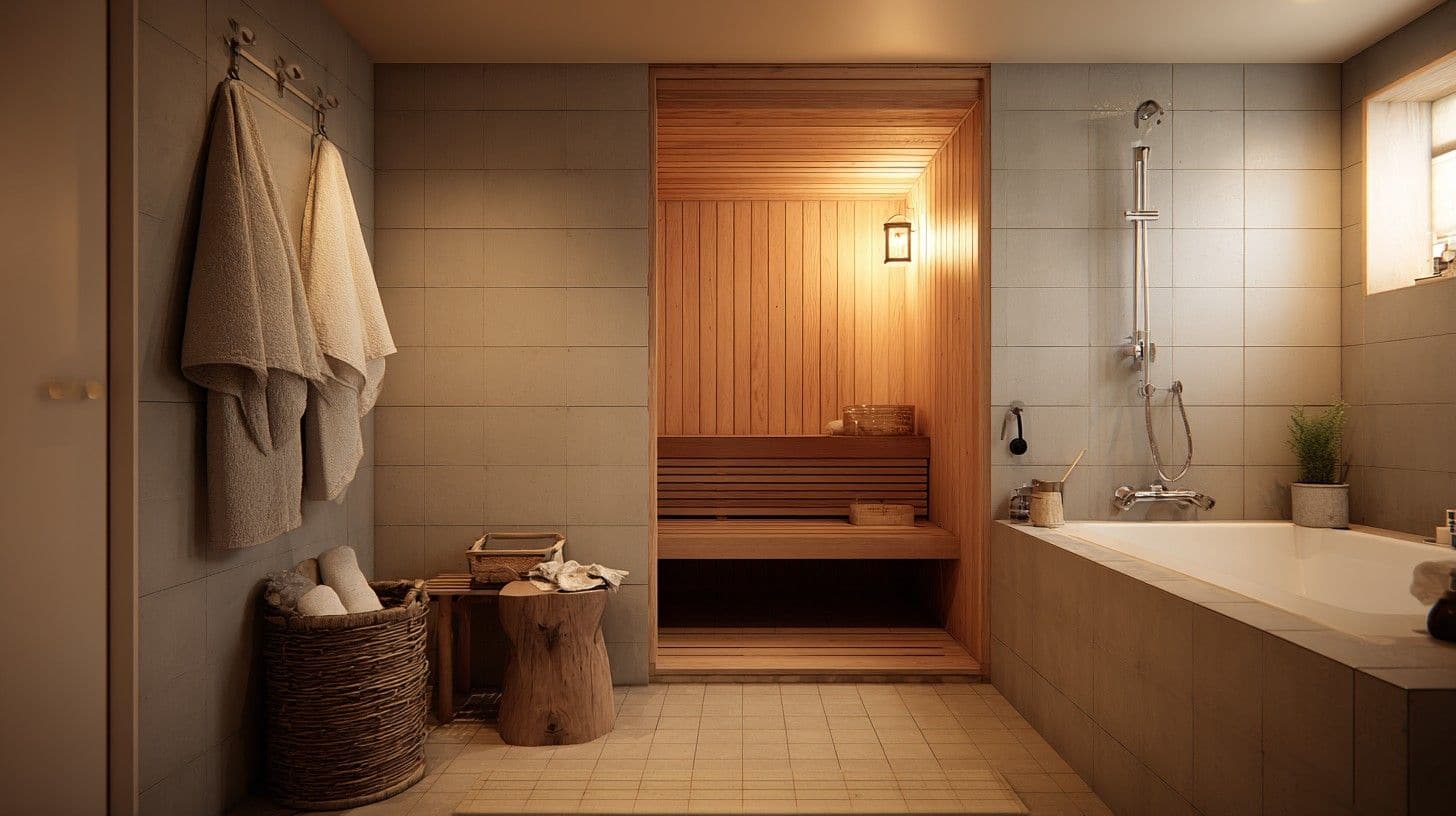
Japan has a long bathing culture, and a dry sauna fits right into that tradition. A compact hinoki or cedar-lined sauna tucked into one corner of the bathroom keeps the same natural material language as the rest of the space.
The wood releases a warm, earthy scent when heated, which makes the experience feel genuinely restorative. Pair it with a nearby cold-rinse shower, and you have the hot-to-cold bathing ritual that Japanese wellness culture has always been built around.
36. Neck And Shoulder Bath Feature
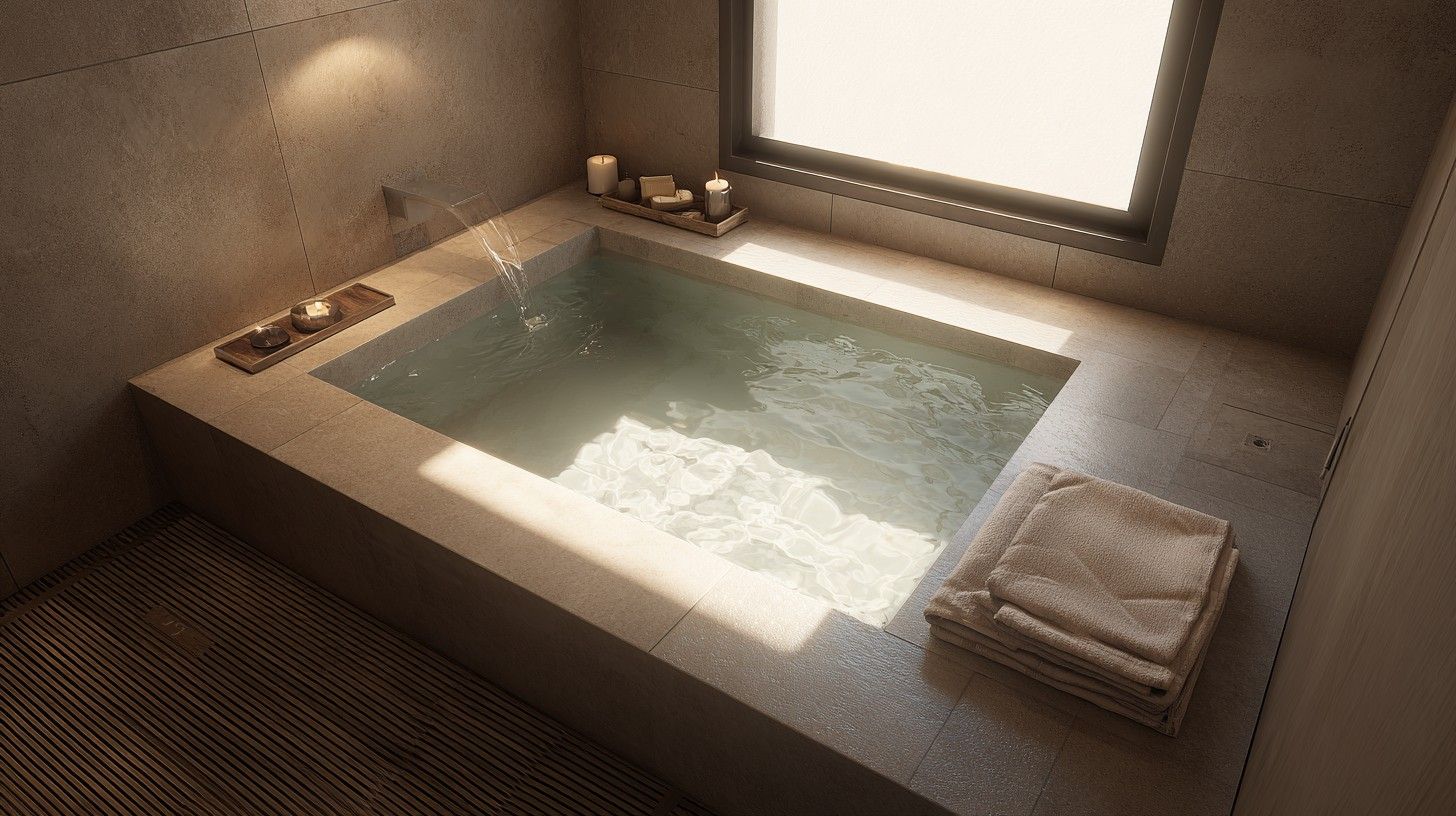
Tight shoulders and a stiff neck are common after a long day, and some tubs are built specifically to address that. A warm water flow directed at the neck and shoulders during a soak adds a layer of relief that regular soaking alone does not always provide.
It turns the bath from a passive rest into something closer to a proper muscle recovery session. If a tub with this feature is not in the budget, a well-positioned tub spout can still create a gentle, targeted flow that mimics the effect without specialized equipment or a major investment.
37. Micro-Bubble Bath Or Air-Mixed Shower
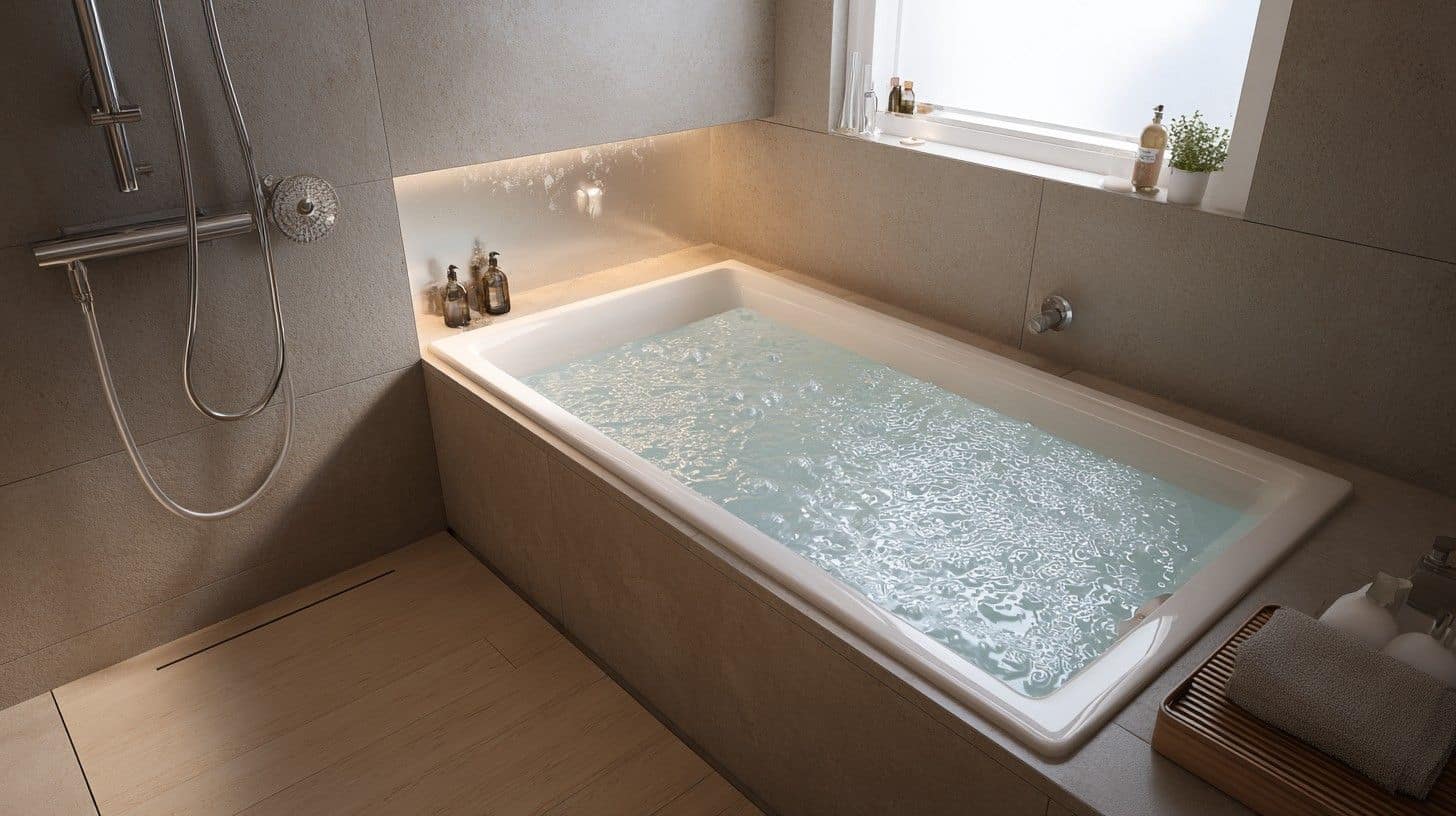
Micro-bubble baths produce a milky, soft water texture that feels noticeably different from a regular soak. The tiny bubbles are said to help with skin feel and general relaxation, making the bath experience feel more indulgent without requiring any products or extras.
Air-mixed showers work on a similar idea, blending air into the water stream so the flow feels full and satisfying while actually using less water overall.
Japanese bathroom design is rooted in thoughtful layouts, calming materials, and a bathing routine that feels intentional rather than rushed. Adopting even a few of these ideas can change the space into one that feels peaceful, practical, and built for everyday comfort.
How to Achieve Japanese Bathroom Design in Your Home
A full bathroom renovation is not required to get this look. With the right materials, a little decluttering, and a few natural touches, any bathroom can feel calmer and more intentional.
- Start with a Neutral Base: Repaint walls in off-white, warm gray, or soft beige. If possible, swap bold tiles for stone-look or matte ones. A quiet, neutral backdrop is the most important first step in pulling this look together.
- Add One Natural Wood Element: A teak bath mat, a hinoki shower stool, or a wood-front vanity goes a long way. Just one wooden piece shifts the whole feel of a bathroom from cold and sterile to warm and natural.
- Clear Off Every Surface: Put away anything that is not used daily. Use recessed wall niches or closed cabinets for storage. Bare countertops are not boring in Japanese design. They are exactly the point.
- Focus on the Bathing Experience: If a full-ofuro tub is not an option, a deep soaking tub or a curbless walk-in shower with a rain shower head works well. The goal is to make bathing feel like a moment to slow down, not rush through.
- Switch to Matte or Brushed Fixtures: Swap out shiny chrome taps and towel bars for matte black or brushed brass versions. It is a small change that makes a big visual difference and ties the whole room together much more cleanly.
- Use Natural Textiles: Replace synthetic bath mats and towels with linen, organic cotton, or waffle-weave options in soft, neutral tones. The texture of what you touch every day is a small detail that genuinely changes how a space feels.
Common MistakesTo Avoid
Even a well-planned bathroom can fall short with a few common missteps. These are the ones that come up most often in Japanese-style bathrooms and are worth knowing before you start making decisions you will have to live with for a long time.
- Over-styling open shelves is the fastest way to make a calm bathroom look cluttered. Bottles, products, and random items pile up quickly, and open shelves display them all without mercy.
- Slippery floors in wet zones are a real safety issue that should always come before looks. Pick a tile with a solid slip rating first, then figure out how to make it look good.
- Too many finishes can pull the eye in too many directions and make the space feel restless. Stick to two or three main materials and let them do the work consistently throughout.
- Weak ventilation lets moisture linger in the air long after a shower ends. That leads to damp smells, surface damage, and a bathroom that never quite feels fresh or clean.
- A big tub barely leaves enough space to move around comfortably. Tight walkways and cramped corners make the whole space feel stressful rather than relaxing.
Final Thoughts
A Japanese bathroom is not about spending more or doing more. It is about doing the right things in the right places.
Clear zones, natural materials, a proper soaking tub, smart storage, and good lighting are the building blocks of a space that genuinely helps you unwind at the end of the day.
You do not need a full renovation to start. Even small changes like a handheld shower, a matte tile swap, or clearing the counters down to a single tray can shift the entire feel of the room.
The goal is a bathroom that works for you, not one that looks good only in photos. Which of these ideas are you planning to try first?
Drop it in the comments below, or bookmark this page to come back to when you are ready to start.
Frequently Asked Questions
Is A Japanese Bathroom Always A Wet Room?
Not always, but many Japanese-style bathrooms treat the wash area as a wet room, making rinsing and daily cleanup much easier.
What Is An Ofuro Tub?
An ofuro is a deep, compact soaking tub. You rinse off first, then soak in clean water. It is about relaxing, not washing.
What Modern Feature Feels Most Japanese?
A bath control panel. It handles water temperature, filling, reheating, and timers so every soak feels consistent without any guesswork.
Can This Style Work In A Small Bathroom?
Yes. A compact deep tub, sliding doors, built-in niches, and closed storage keep things functional and calm without requiring much space.