

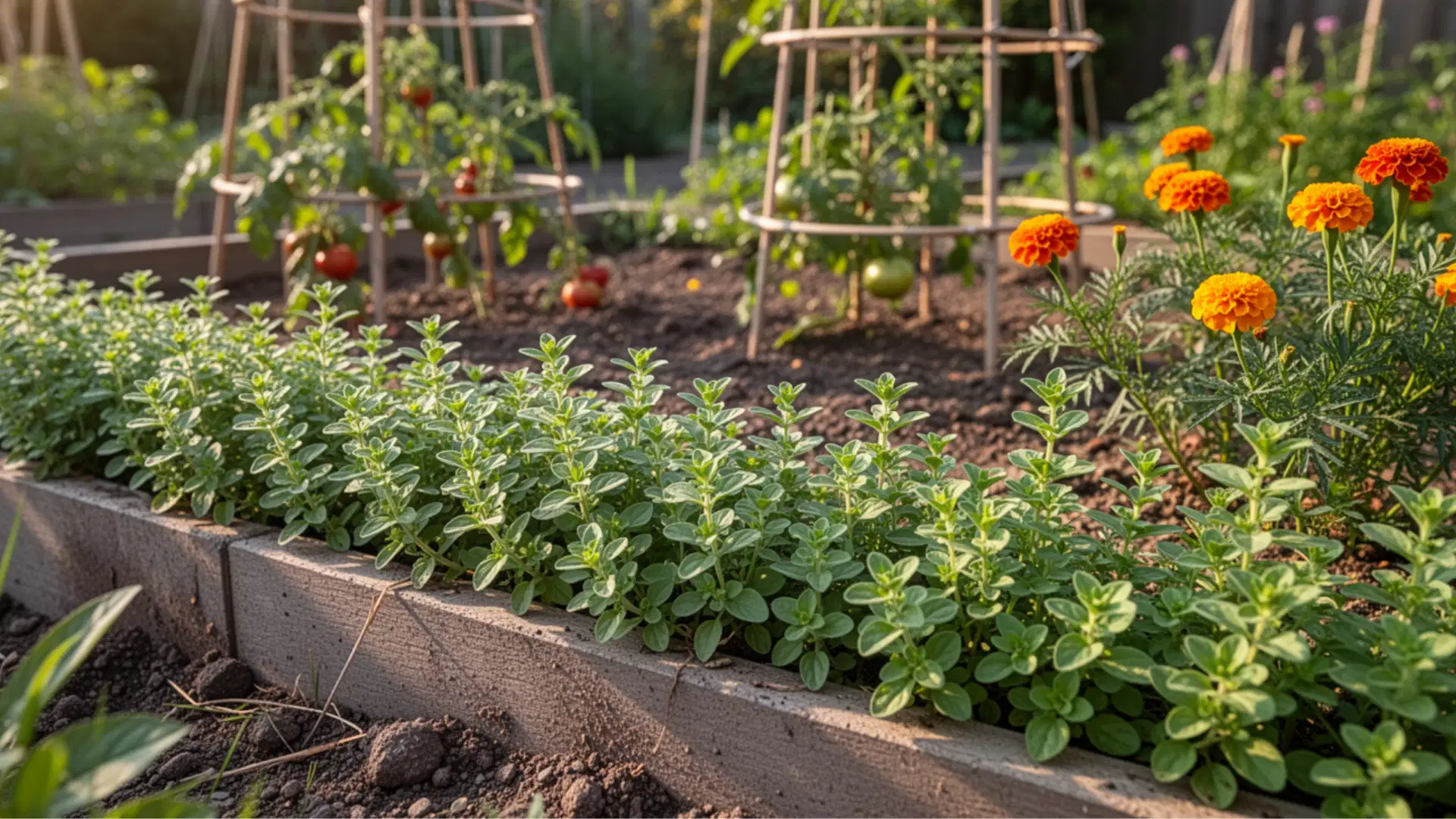
I grow oregano in almost every part of my garden, raised beds, clay pots, and along path edges. It is low-maintenance, aromatic, and slips neatly into small gaps left by other plants.
Still, placement matters. The sun it gets, the soil it sits in, and the neighbors crowding around it can change how well oregano grows and how well the whole bed performs.
When I use oregano companion plants with a bit of intention, I notice fewer pest headaches, tidier use of space, and steadier growth across the garden.
Oregano earns its keep as a helper plant. Its scent can make it harder for pests to zero in on nearby crops, and its flowers, when I let them open, draw bees and beneficial insects that support the garden through the season.
What Is Companion Planting With Oregano?
Companion planting with oregano means growing it near other plants because the pairing can offer small, practical benefits, such as fewer pest issues, shared growing needs, better spacing, or more beneficial insects.
It is not a magic fix, but it can make day-to-day garden care feel simpler. Oregano works well as a helper for a few reasons. Its strong scent may confuse pests hunting for nearby crops.
If you let some stems bloom, its tiny flowers draw pollinators and beneficial insects. Its low, spreading growth also makes a handy border or groundcover.
Benefits Of Oregano Companion Plants
Oregano does more than flavor meals. With the right neighbors, it supports bed health, balance, and easier day-to-day garden care.
- Better pest confusion: Its strong scent can make it harder for pests to find nearby crops.
- More beneficial insects: When it flowers, oregano draws bees and helpful predator insects into the bed.
- Smarter bed edges: It fills gaps as a living border, reducing bare soil and keeping beds looking tidy.
- Easier watering routines: Dry-leaning pairings keep watering simple and lower the risk of soggy roots.
- Cleaner airflow and spacing: Used as edging, oregano keeps borders low and open, which helps airflow around larger plants.
Place oregano well, pair it wisely, and it quietly improves pest control, pollinator health, spacing, and overall bed performance all season.
What Makes A Plant A Good Oregano Companion?
A good oregano companion is any plant that enjoys the same setup: full sun, well-drained soil, and a lighter watering routine. When neighbors need daily moisture, oregano often suffers.
The best pairings also bring something extra, such as attracting pollinators and beneficial insects, helping confuse pests, or filling gaps as a low ground cover.
When sun, drainage, and watering are in sync, oregano stays compact and flavorful, and the whole bed tends to run more smoothly.
Best Herbs To Plant With Oregano
Herbs that thrive with oregano usually like the same sunny, dry-leaning setup. I group these together in my herb zones and borders so watering stays simple and flavors stay strong.
1. Thyme
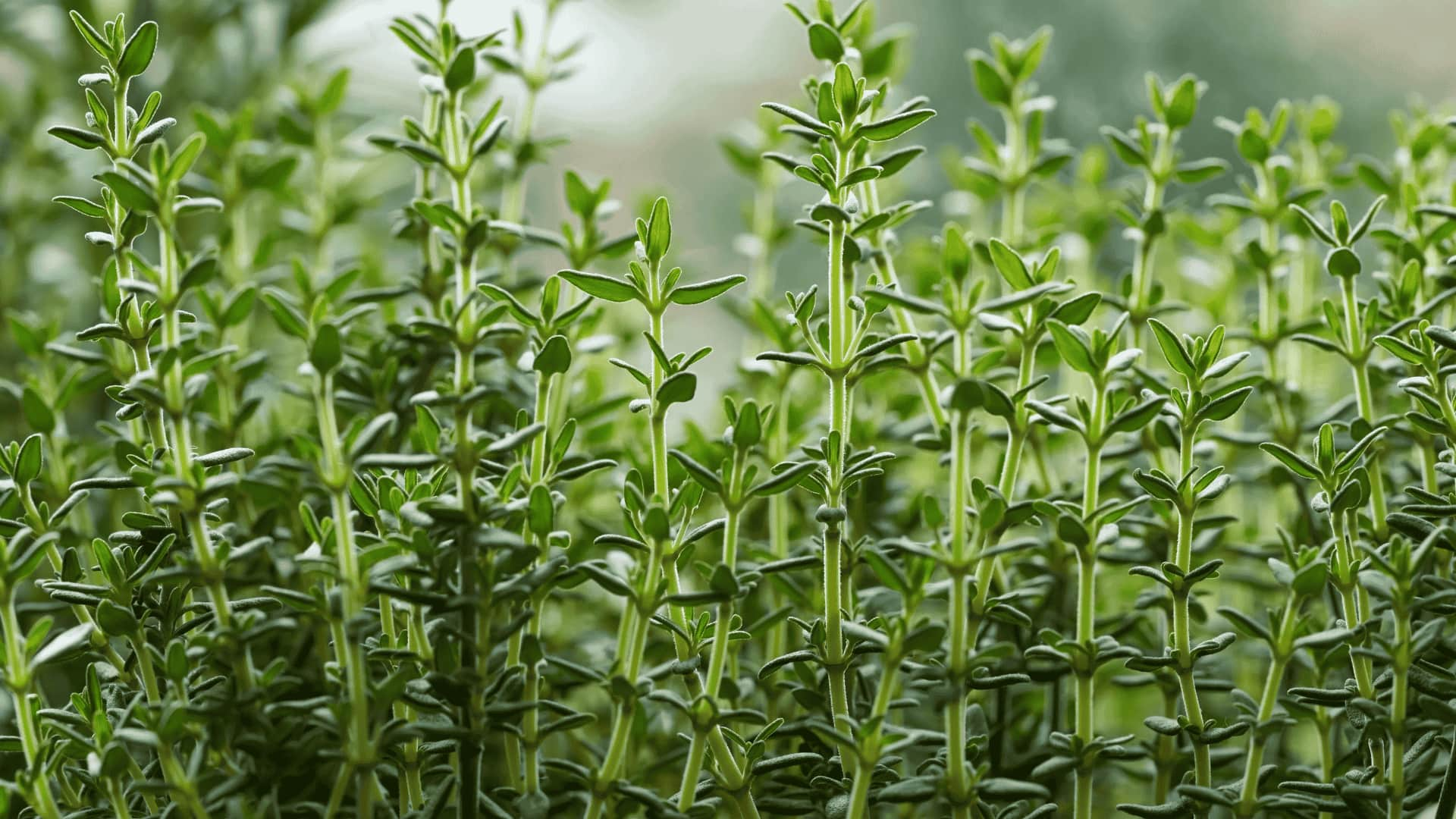
Thyme is probably the closest match to oregano in the garden. Both are Mediterranean, both prefer lean, dry-leaning soil, and both want full sun.
They grow at a similar height and spread in the same way. I use them together along bed edges and rocky borders. Water both infrequently and let the soil dry out fully between sessions.
Tip: Plant thyme slightly in front so oregano does not creep over it as the season goes on.
2. Rosemary
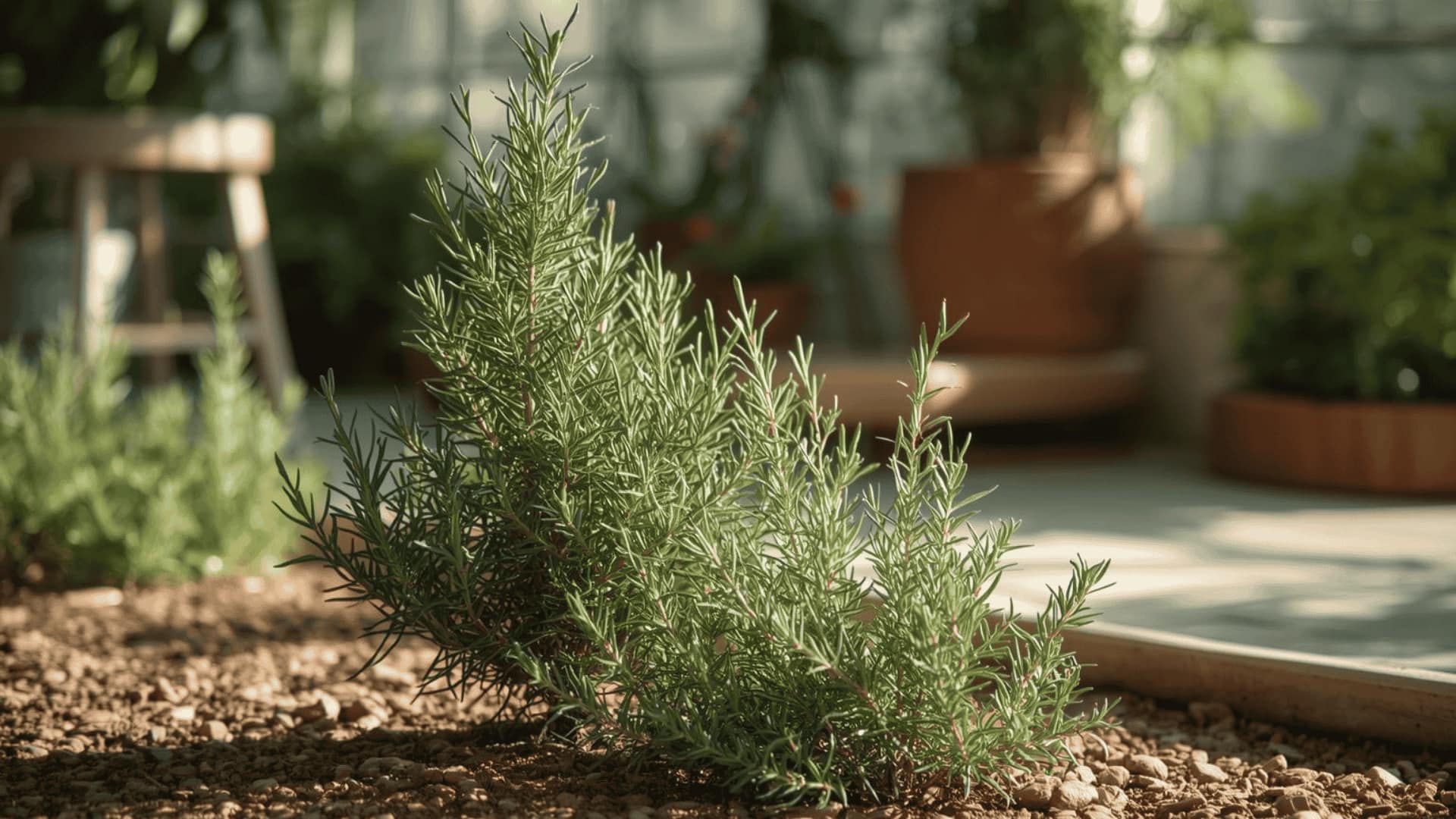
Rosemary pairs well with oregano in drier herb sections. It is larger, so spacing matters. Give rosemary room to grow outward without shading oregano.
A gap of around 45–60 cm between them works well. Keep both in a section of the garden that is not irrigated on the same schedule as vegetables.
Tip: If rosemary starts shading oregano, prune the rosemary side facing the oregano to keep sun and airflow steady.
3. Sage
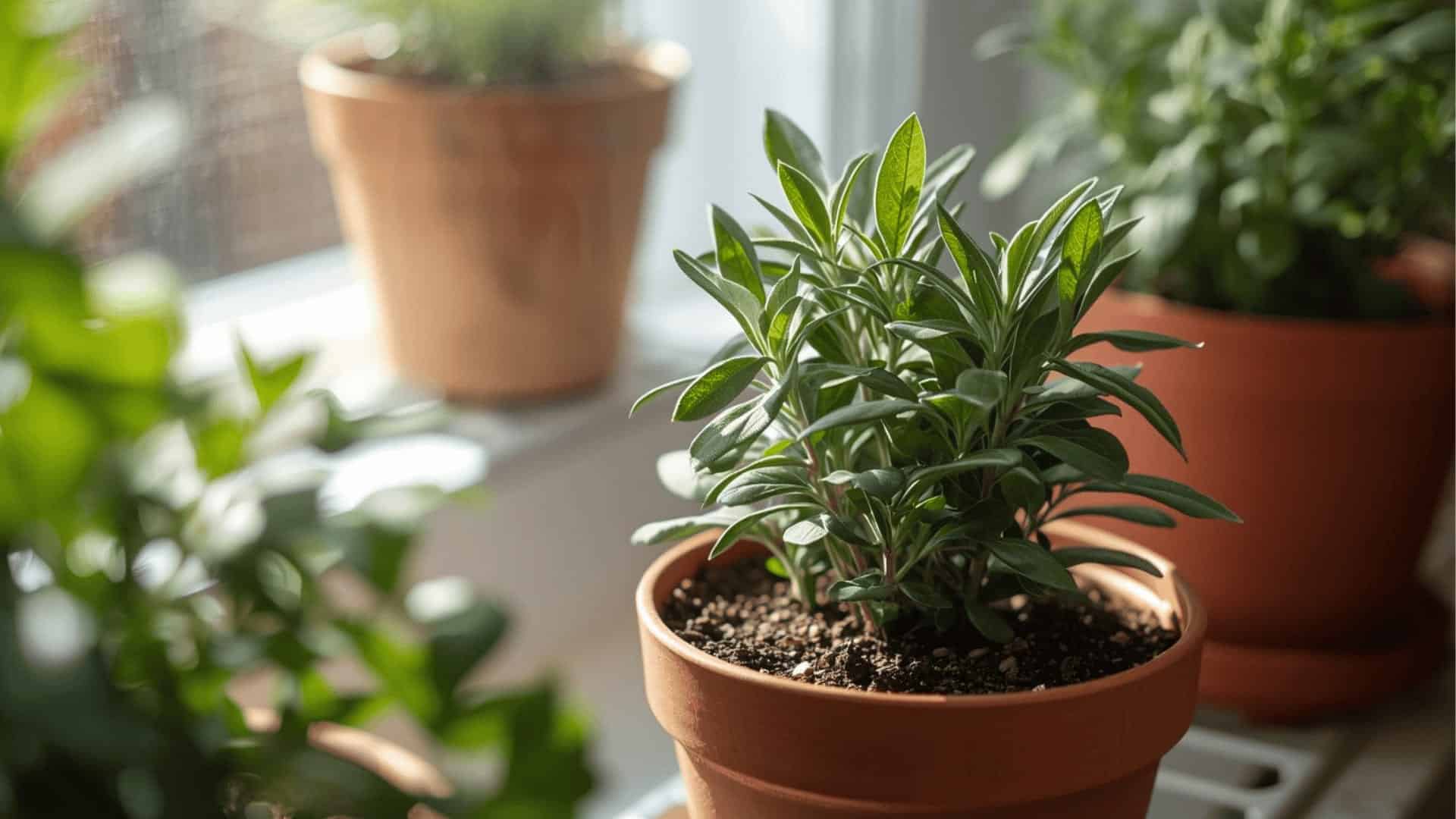
Sage and oregano are a natural pairing for dry soil. Both tolerate heat, both dislike sitting in wet ground, and both do best when grown without heavy feeding.
The one thing to watch is airflow. Sage can grow bushy over a season, so trim it back regularly to keep it from closing in on oregano and reducing the air moving through the bed.
Tip: Leave a clear hand-width gap for airflow, and avoid mulching too thickly right at the base.
4. Marjoram
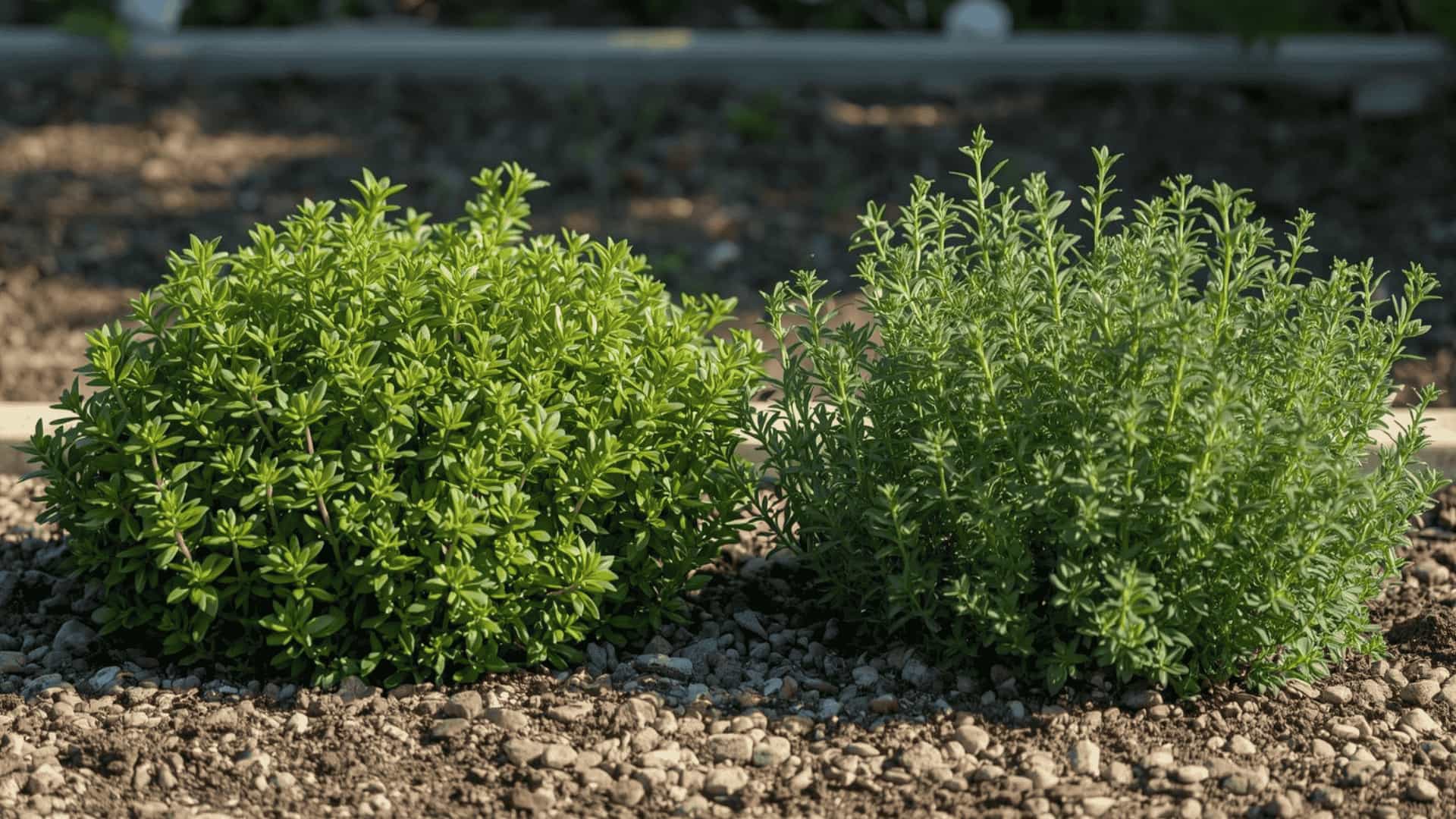
Marjoram is closely related to oregano and grows in almost identical conditions. The main reason to give them a little space, around 30 cm apart, is simply to keep their growth habits distinct.
Left to crowd each other, they can merge into a tangled mat that is harder to harvest and more prone to moisture sitting at the base.
Tip: Harvest both regularly to prevent them from merging into a single dense patch.
5. Basil (With A Placement Note)
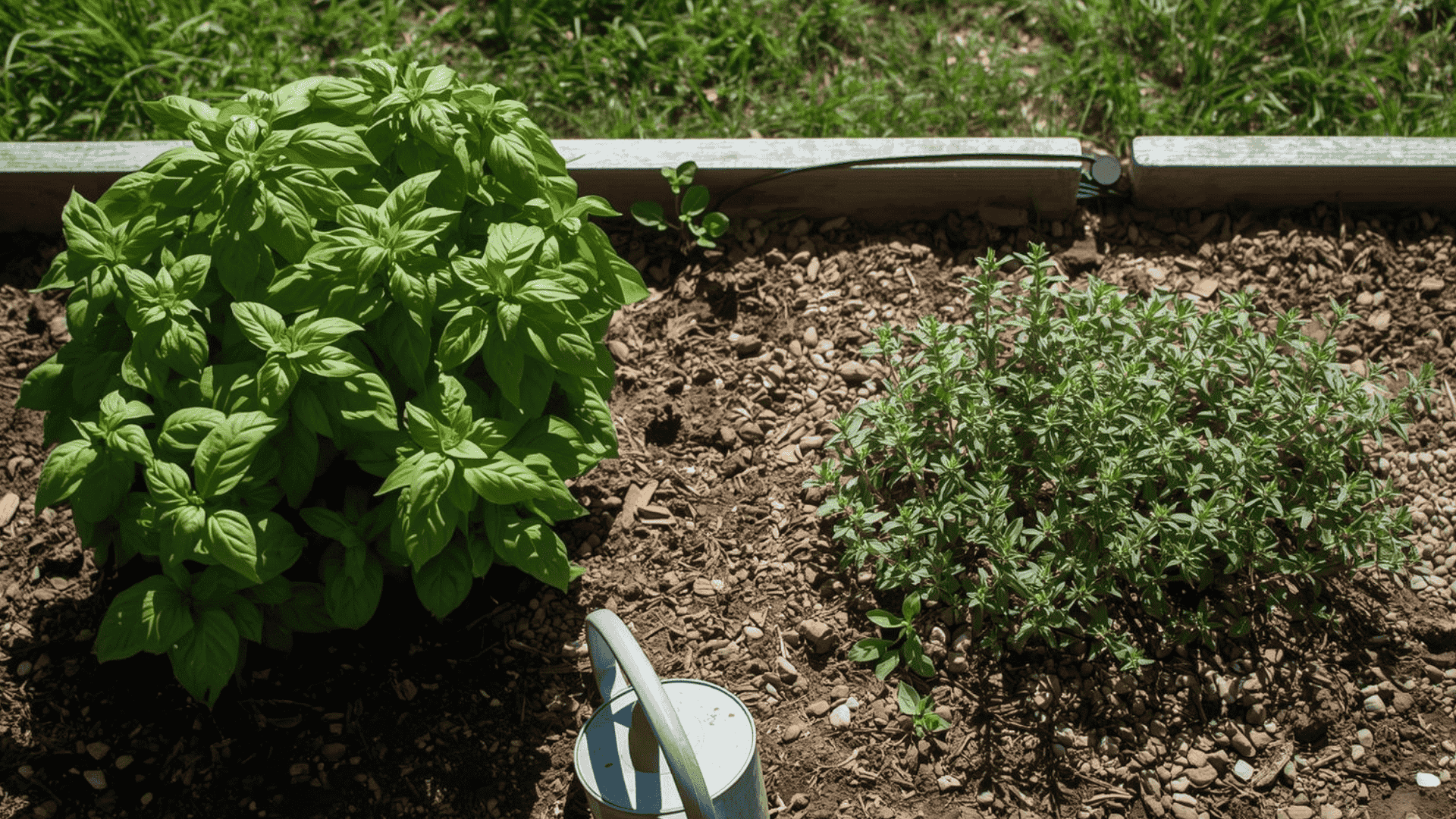
Basil works well near oregano in warm-season beds. Both like the sun and warmth. The one thing to manage is water: basil likes slightly more consistent moisture than oregano.
In a shared bed, place basil a little further from the centre and water it more carefully. In containers, keep them in separate pots on the same sunny shelf.
Tip: Water basil at its base only, and let the oregano side dry out more between watering sessions.
6. Chives Or Garlic Chives
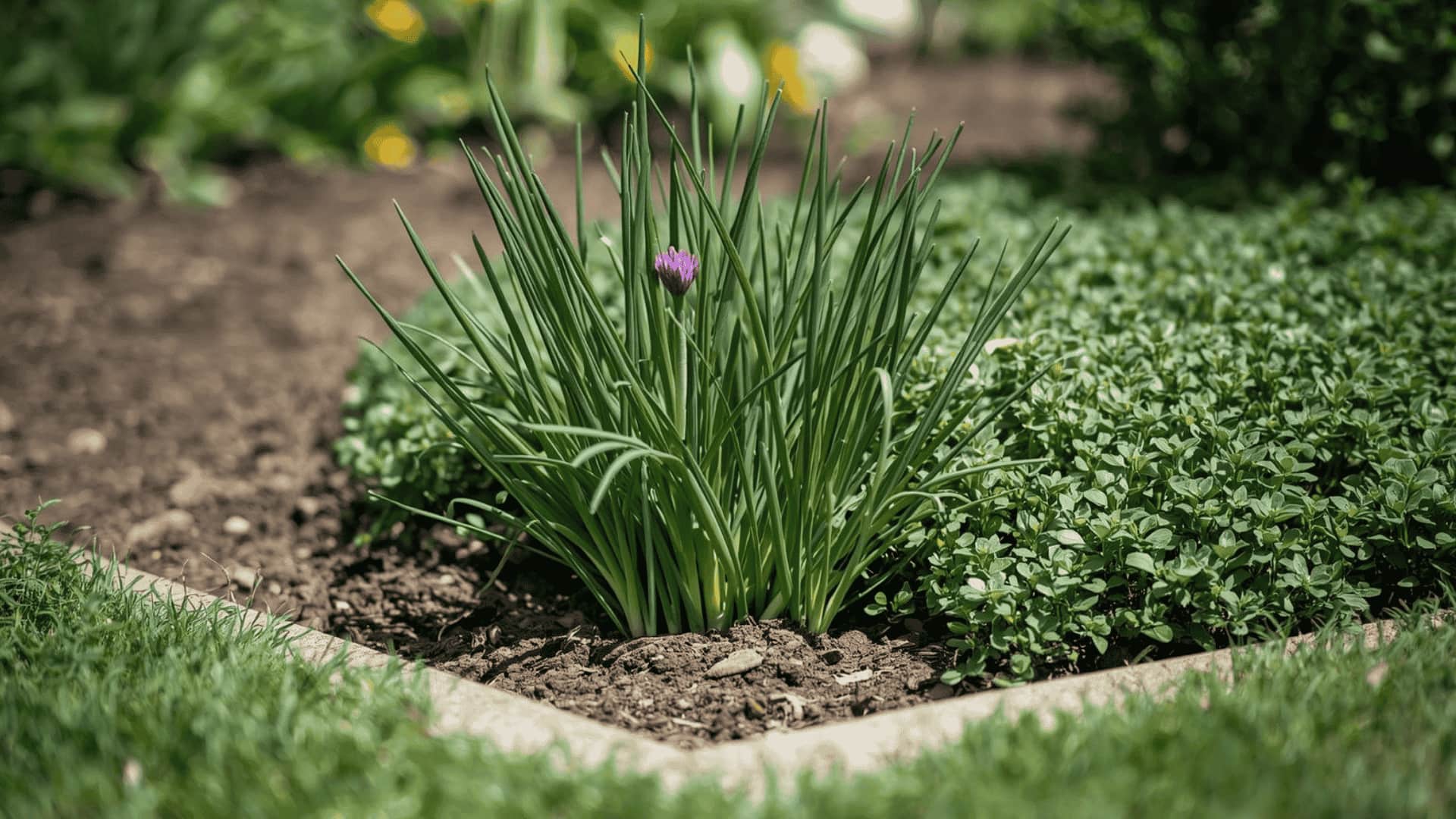
Chives are an easy, low-fuss companion for oregano. They do not crowd or spread aggressively, and their flowers reliably attract pollinators.
I use them at corners and along the borders of larger plantings. Garlic chives have a stronger scent and similar habits. Either works well at the edges of a herb bed or a vegetable border.
Tip: Deadhead chive blooms if you do not want seedlings popping up through the oregano later.
Best Vegetables To Grow Alongside Oregano
Oregano pairs best with warm-season vegetables when it stays at the edge of the bed. That placement keeps it sunny and drier while still allowing its scent and flowers to support nearby crops.
7. Tomatoes
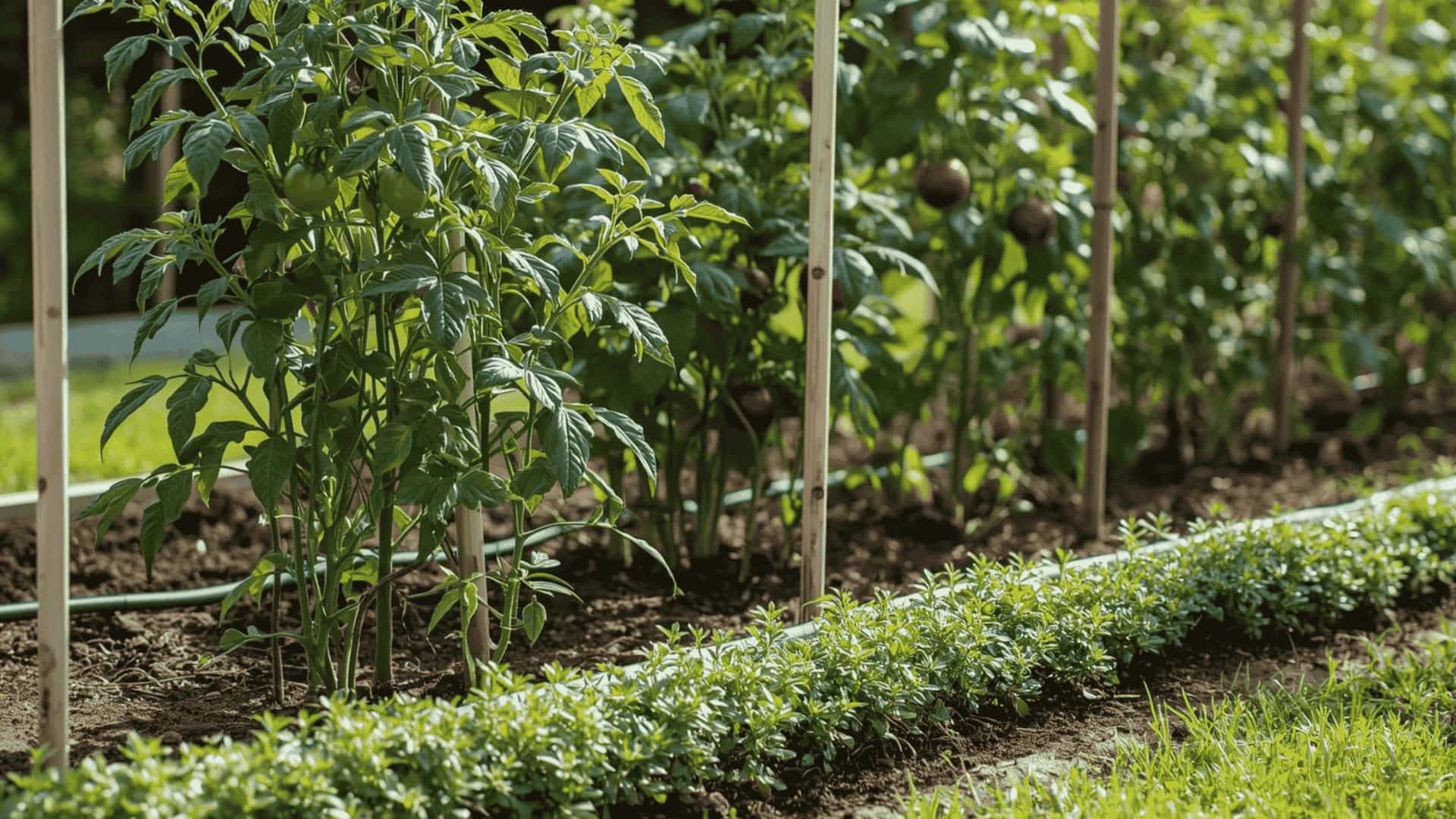
Oregano works well as a low-growing plant along the edges of tomato beds. It gets the sun it needs from the open front of the bed, stays out of the way of the deeper irrigation the tomatoes receive, and fills the border space with aromatic foliage.
Keep it at the outer edge rather than tucking it between plants where shade and moisture build up.
Tip: Train tomato stems upward and prune lower leaves so oregano gets light and airflow.
8. Peppers
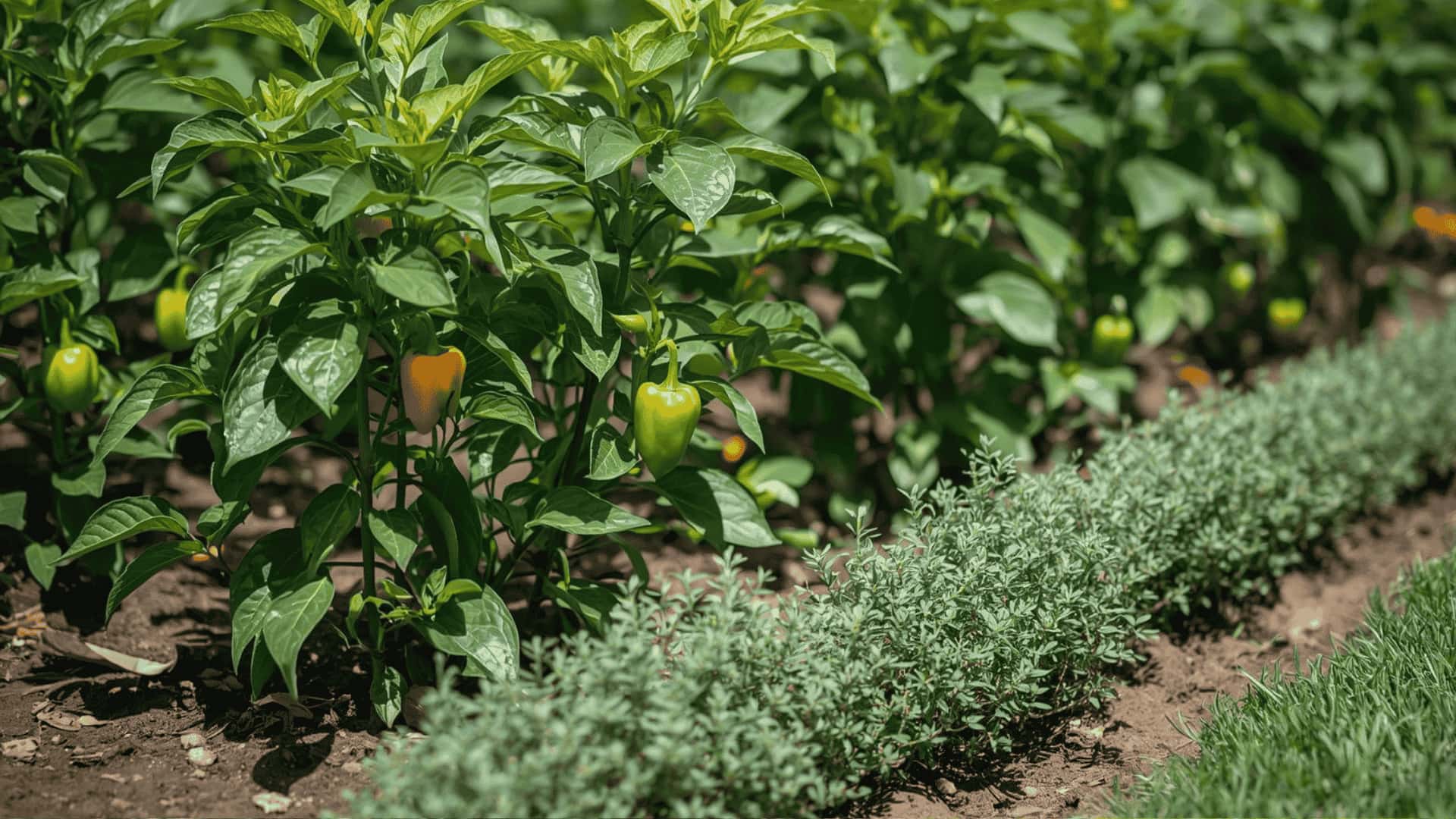
Peppers and oregano share a love of full sun and warm conditions, which makes them a comfortable pairing.
Oregano fills the empty front-of-bed space without competing with pepper roots. It also stays low enough that it does not block the sun from reaching the lower pepper foliage. Use it as a natural edging plant along the front row of the bed.
Tip: Keep oregano 15–20 cm away from pepper stems so pepper watering does not soak oregano’s crown.
9. Cabbage Family (Broccoli, Cabbage, Kale)
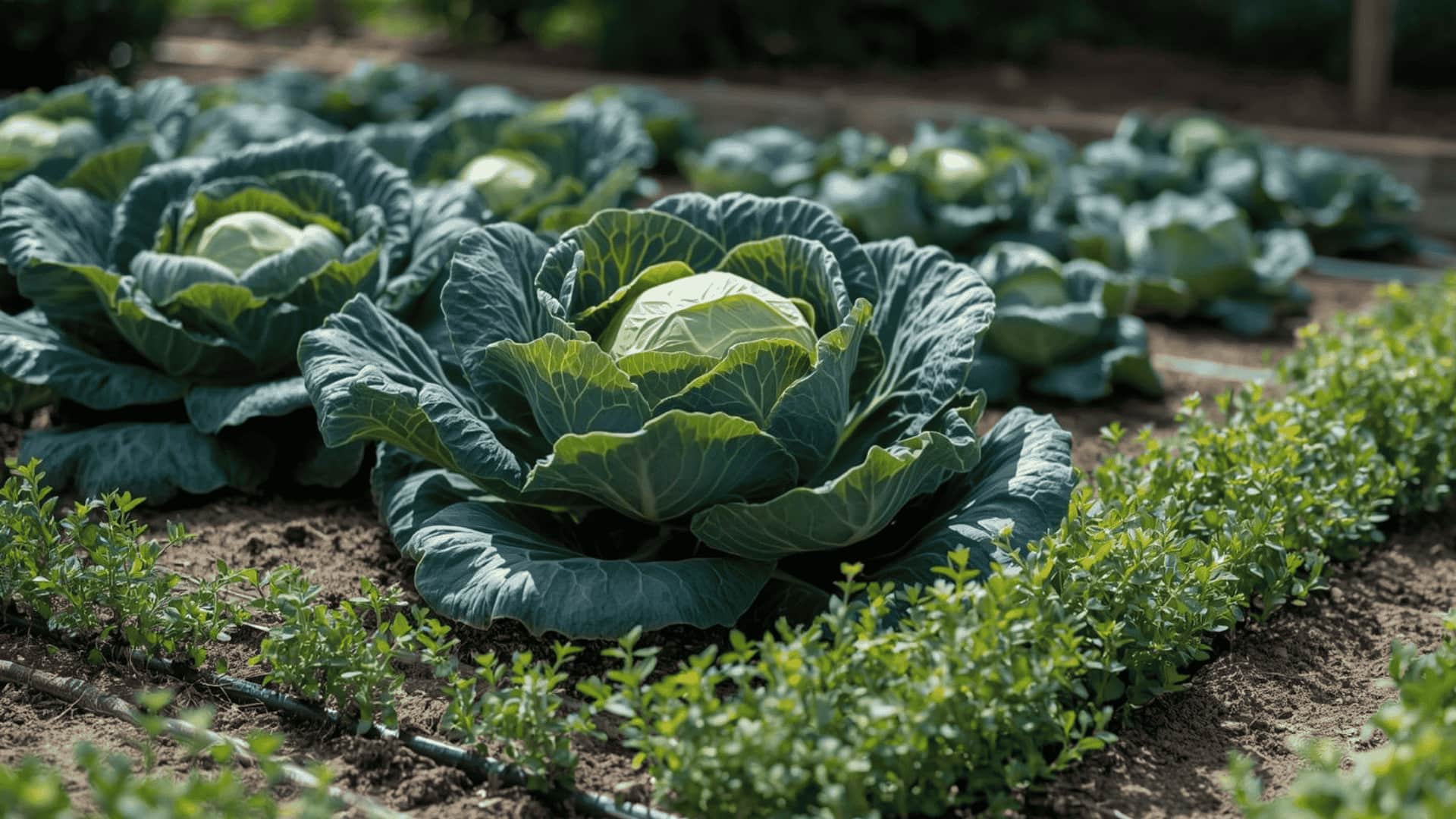
Brassicas can benefit from having oregano along the bed edge. The aromatic foliage may deter some pests seeking a host.
The practical challenge is that brassicas often need more water than oregano. Keep oregano strictly at the outer border and water the main bed separately, directing irrigation toward the brassicas rather than across the whole planting area.
Tip: Water brassicas in the centre of the bed or use drip lines so oregano stays noticeably drier than the main planting area.
Best Flowers To Plant With Oregano
Flowers make oregano borders even more useful because they pull in pollinators and predatory insects. I choose sun-loving blooms that tolerate decent drainage, so oregano never ends up in soggy soil.
10. Marigolds
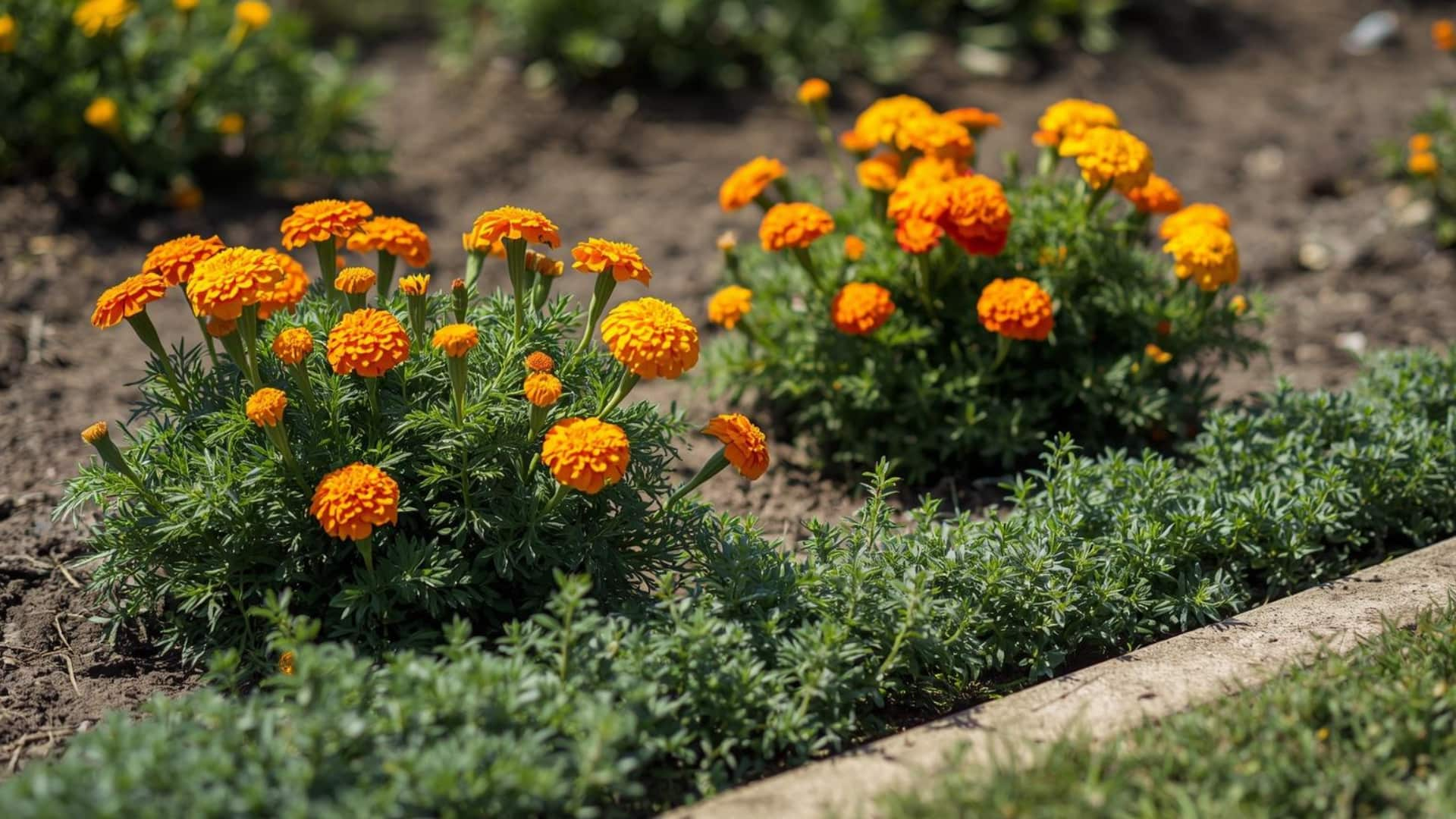
Marigolds are a well-known presence in vegetable beds, valued for their pest-deterring qualities.
They sit comfortably alongside oregano along bed edges and pathways, sharing a preference for sun and reasonable drainage.
I plant them in the same border sections where I use oregano as edging; they complement each other without competing for water or space.
Tip: Keep marigolds spaced so air can move between them, especially in humid weather.
11. Nasturtiums
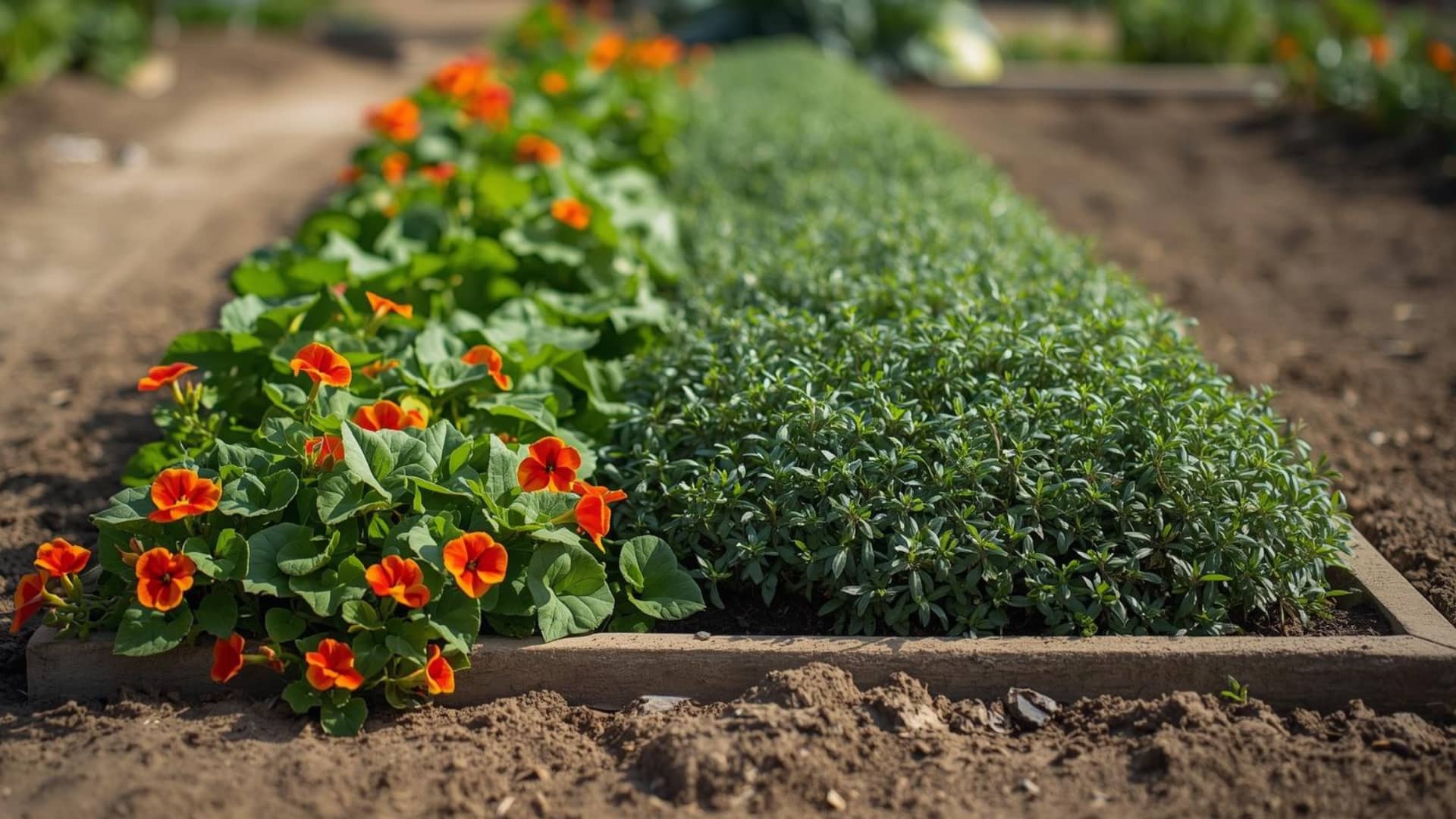
Nasturtiums act as a kind of decoy plant in mixed beds, drawing aphids away from crops you care more about. They can sprawl, though, so keep an eye on their spread near oregano.
Trim them back if they start covering it, or give them a position at the far edge of the bed with a little buffer between them.
Tip: Train nasturtiums outward toward paths, not inward over the oregano border.
12. Lavender (In Dry Spots)
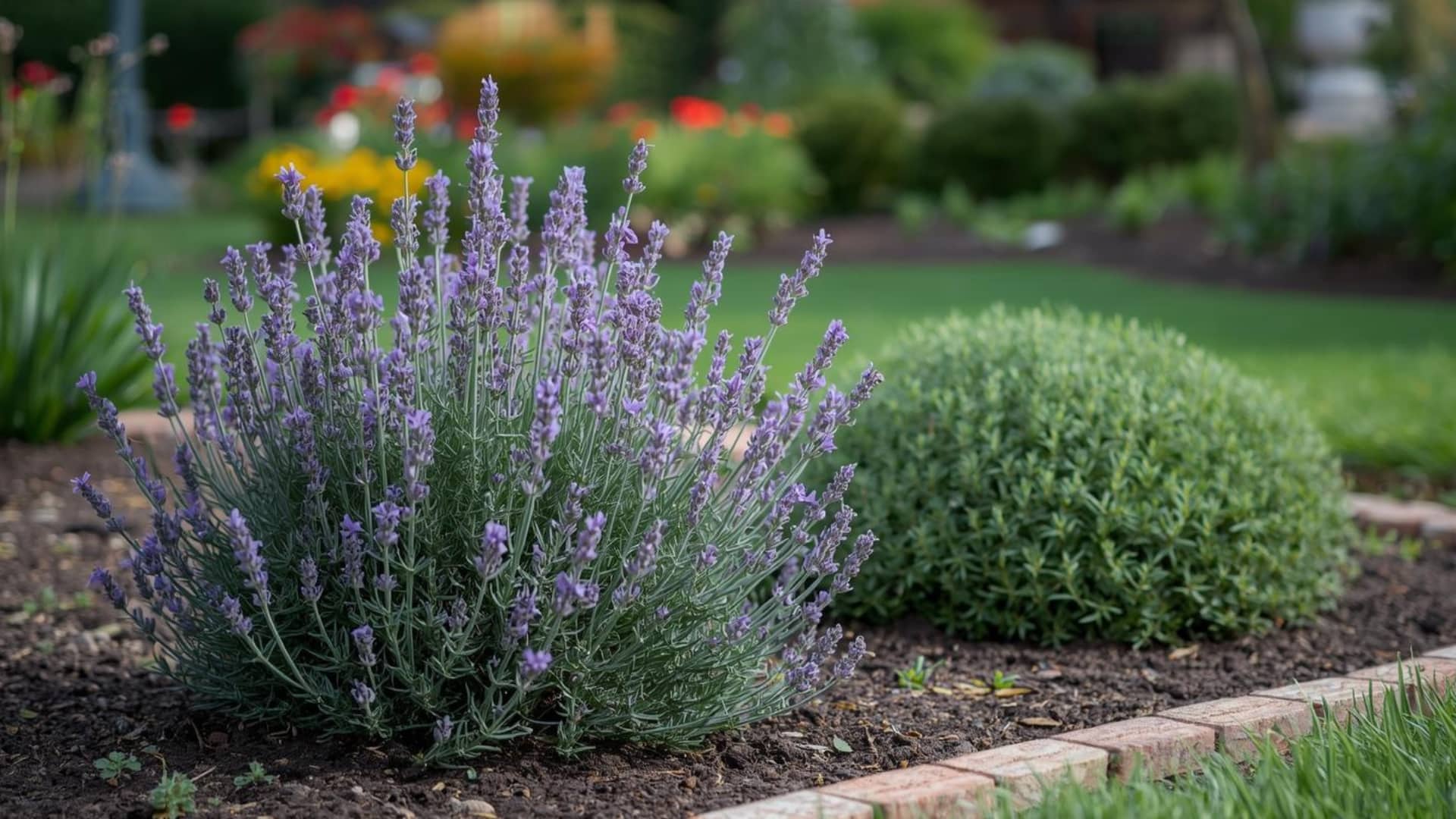
Lavender and oregano are a strong pairing for dry, sunny areas. Both thrive in lean soil with minimal water. The spacing note here matters: lavender grows wider than most people expect.
Keep it far enough from oregano, at least 45–60 cm, so the mature plant does not shade or crowd the lower-growing oregano stems beside it.
Tip: Place lavender behind oregano and prune after flowering so it stays open and does not cast heavy shade.
13. Calendula
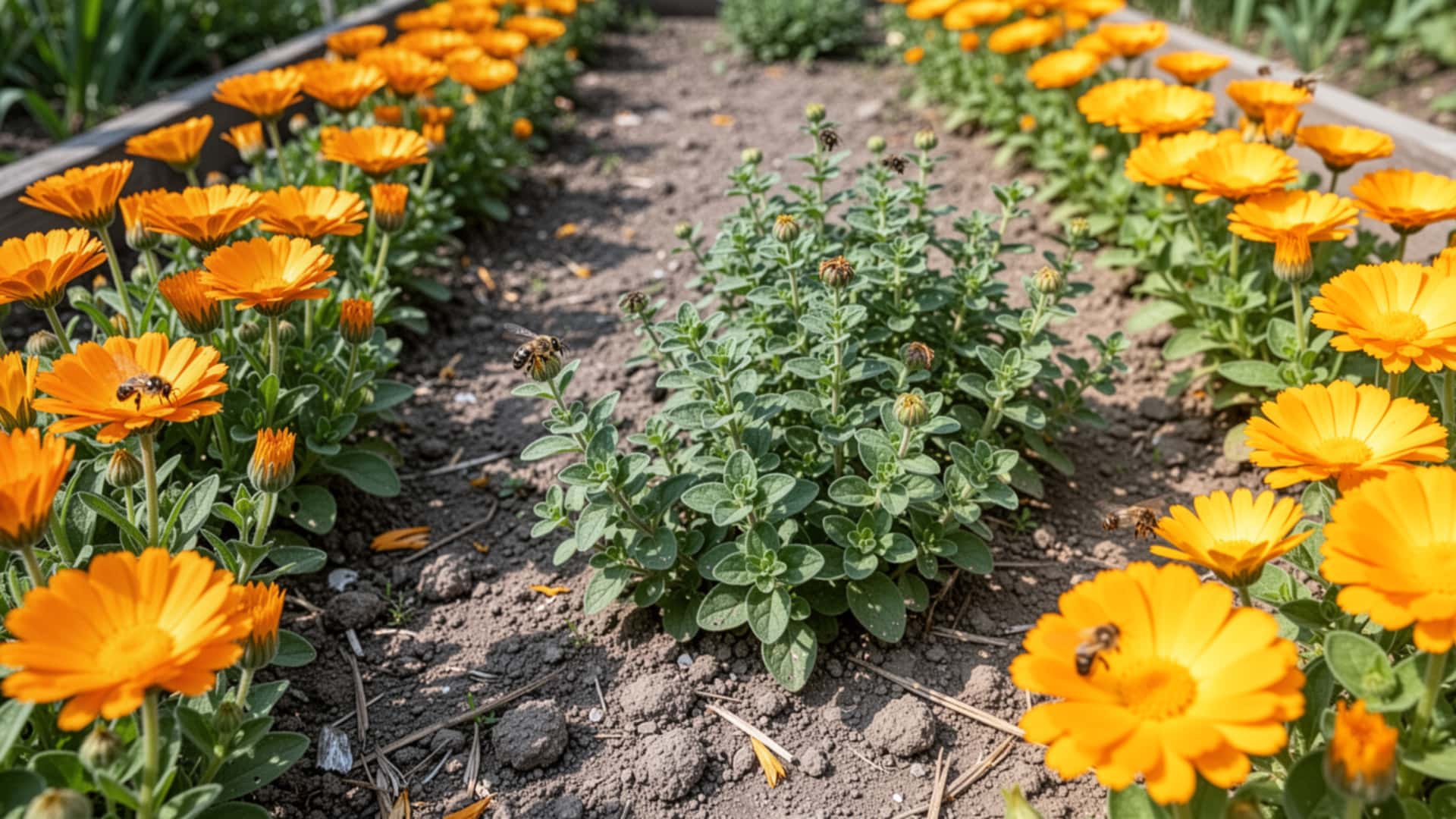
Calendula is an easy flower to grow with oregano because it enjoys sun and handles drier soil once established. It blooms for a long stretch, which keeps bees and helpful insects visiting your beds regularly. I like planting it along the same edges where oregano grows best, so it adds color without pushing oregano into wetter, shaded ground. It also tends to self-seed lightly, which can be useful if you want a repeat border next season.
Tip: Let a few blooms set seed, but thin seedlings early so they do not crowd oregano or block airflow.
Plants That Do NOT Grow Well with Oregano
Oregano prefers sun and dry, well-draining soil, so the wrong neighbors usually cause shade, crowding, or constant moisture issues.
|
What Not To Plant |
Examples | Why They Clash |
|---|---|---|
| Moisture-Loving Herbs | Mint, coriander (cilantro), chervil, parsley | Need steadier moisture, which keeps oregano too wet |
| Heavy Shade Producers | Sunflowers, corn, tall tomatoes (unpruned), dense shrubs | Reduce the sun and trap damp air around oregano |
| Aggressive Spreaders | Mint, lemon balm, creeping jenny, ground ivy | Can smother oregano and reduce airflow |
| High-Water Neighbors | Lettuce, cucumbers, celery | Frequent watering conflicts with oregano’s dry preference |
| Dense Groundcovers | Sweet potato vine, spreading squash, crowded strawberries | Hold moisture and shade the base of oregano |
Keep oregano away from thirsty, shady, or smothering plants, and it stays fragrant, healthy, and easy to manage.
Where To Plant Oregano So It Helps The Most
Oregano thrives best when it stays sunny and dry, with enough space to avoid shade, crowding, and overwatering.
- Use Oregano As A Border Plant: Plant along bed edges, paths, and raised bed fronts near tomatoes and peppers. These spots drain faster and stay sunny.
- Use Oregano In An Herb Zone: Group with thyme, rosemary, and sage so everything shares lean soil and lighter watering. Care stays simple.
- Use Oregano In Containers And Raised Beds: If the soil is heavy or beds get watered often, use pots or raised beds. A gritty mix keeps roots drier.
- Follow Spacing And Airflow Basics: Leave 30–45 cm from the nearest plant. That gap improves airflow and prevents oregano stretching from the shade.
Give oregano sun, space, and decent drainage, and it supports nearby plants while staying compact, fragrant, and easy.
Common Problems And Fixes When Growing Oregano With Other Plants
Most oregano issues come from shade, crowding, or extra moisture from nearby plants. Fixing the setup usually solves them.
| Common Problem | Likely Cause | Fix That Works |
|---|---|---|
| Oregano Is Leggy And Floppy | Not enough sun, rich soil, crowding | Move to a sunnier edge, stop feeding, trim back by one-third, and keep taller plants from shading it. |
| Leaves Are Yellowing | Overwatering or poor drainage | Add grit, water less often, raise the planting spot, or shift oregano to a container. |
| Slow Growth Or Weak Flavor | Too much shade, too much water, too much fertilizer | Increase sun exposure, stop frequent feeding, and let the soil dry out properly between waterings. |
| Oregano Is Taking Over The Bed | Spreading habit and lack of pruning | Harvest often, hard-prune after flowering, edge-trim roots, or grow in a pot sunk into the bed. |
| Powdery Mildew Or Leaf Spot | Poor airflow, overhead watering, and tight spacing | Increase spacing, water at the soil level, remove affected leaves, and avoid wet foliage late in the day. |
| Root Rot Or Wilting Despite Wet Soil | Drainage failure and constant moisture | Lift and replant in raised, gritty soil; fix container drainage; reduce watering; and avoid wetter bed zones. |
Give oregano sun, airflow, and drier soil, and most problems fade fast while growth stays compact and fragrant.
Conclusion
The core of good oregano companion plants planning is simple: choose plants that love sun and well-drained soil, place oregano along bed edges where drainage is best, and keep thirsty plants in a separate zone.
For herbs, thyme, rosemary, and sage are the easiest matches because they thrive in the same dry-leaning conditions.
For vegetables, tomatoes, peppers, and beans, oregano pairs well when used as a low border rather than tucked into the wetter centre of the bed.
Flowers such as marigolds, calendula, and lavender attract beneficial insects without competing for moisture or light.
To start, pick two herbs, one vegetable bed for edging, and one flower companion. Watch how it goes, then adjust.
FAQs
Can Oregano And Mint Be Planted Together?
Not a great match. Mint spreads fast and likes more moisture, so it can crowd oregano and keep the soil too wet.
Can Oregano Grow Under Taller Plants?
It usually struggles. Shade makes oregano leggy and less fragrant, especially when taller plants block midday sun.
Does Oregano Do Better In Pots Than In Beds?
Often, yes, in wet gardens. Pots dry faster and give better control over drainage and watering.
Should I Mulch Around Oregano In Mixed Beds?
Use a light layer only. Thick mulch can trap moisture at the base and lead to yellowing or leaf issues.