

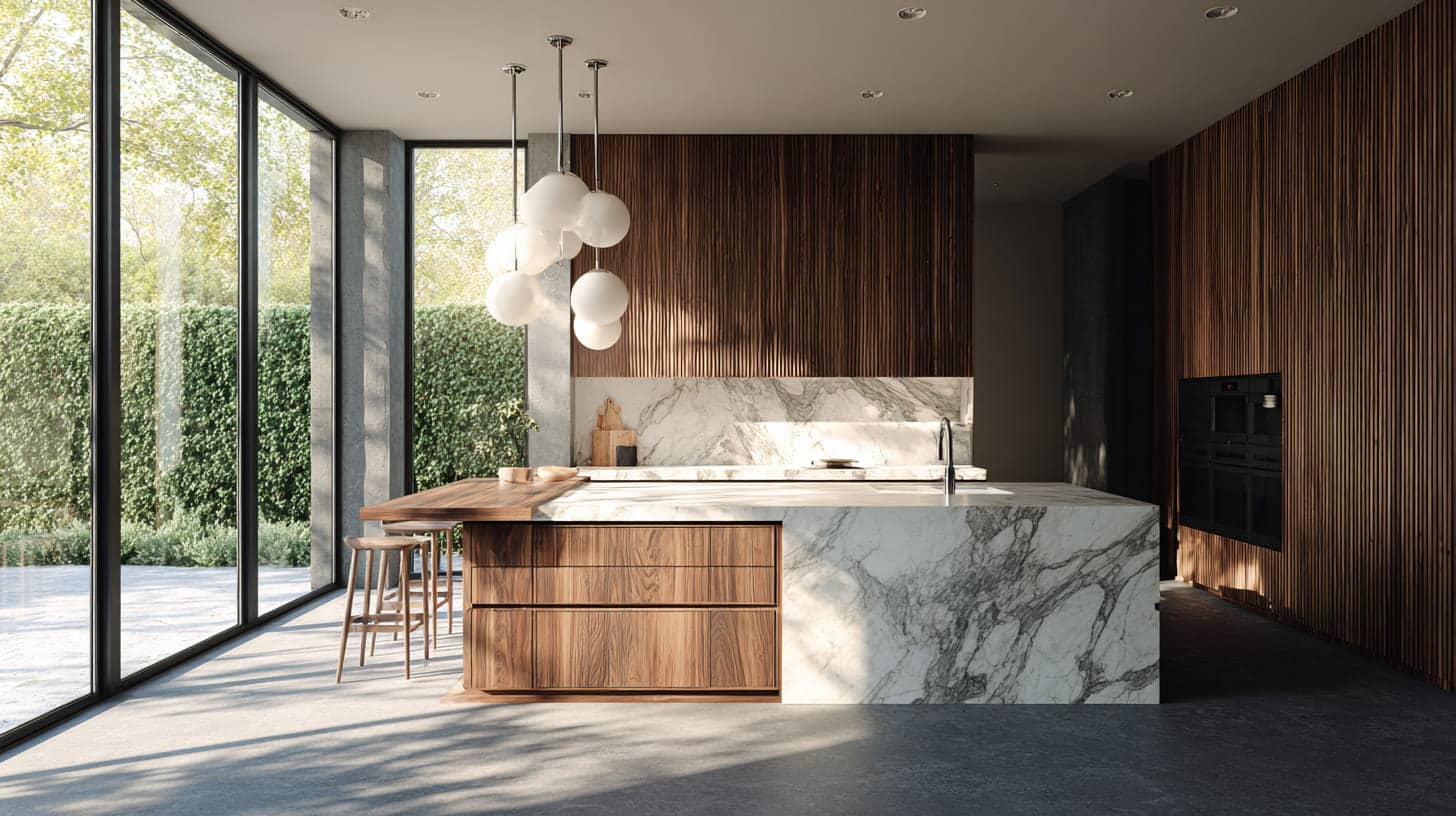
Every day comfort starts with the right surface height. When counters and seating don’t match your needs, even simple tasks can feel awkward.
Many people struggle to choose between standard counters and bar-height options because the difference may seem small, but it can change how a space works.
The layout, seating comfort, and flow of a room all depend on this choice.
Standard counter height is often the most practical option, but bar height can suit certain spaces and styles.
This helps readers understand the key differences, how each height supports daily use, and how to choose what fits their space, comfort, and lifestyle with confidence.
Standard Counter Height
Standard counter height is the typical height of kitchen counters and work surfaces in most homes. It is designed to feel natural for daily tasks such as cooking, food prep, and cleaning.
The exact measurement is 36 inches (91.4 cm) from the floor to the top of the counter.
This height is commonly used in kitchens, kitchen islands, home workspaces, and utility areas because it supports comfort and easy movement.
It became the standard choice because it fits most body types, works well with common cabinet sizes, and allows people to work without bending or straining.
This balance of comfort, function, and design makes it the most widely used counter height in homes today.
What Is Bar Height?
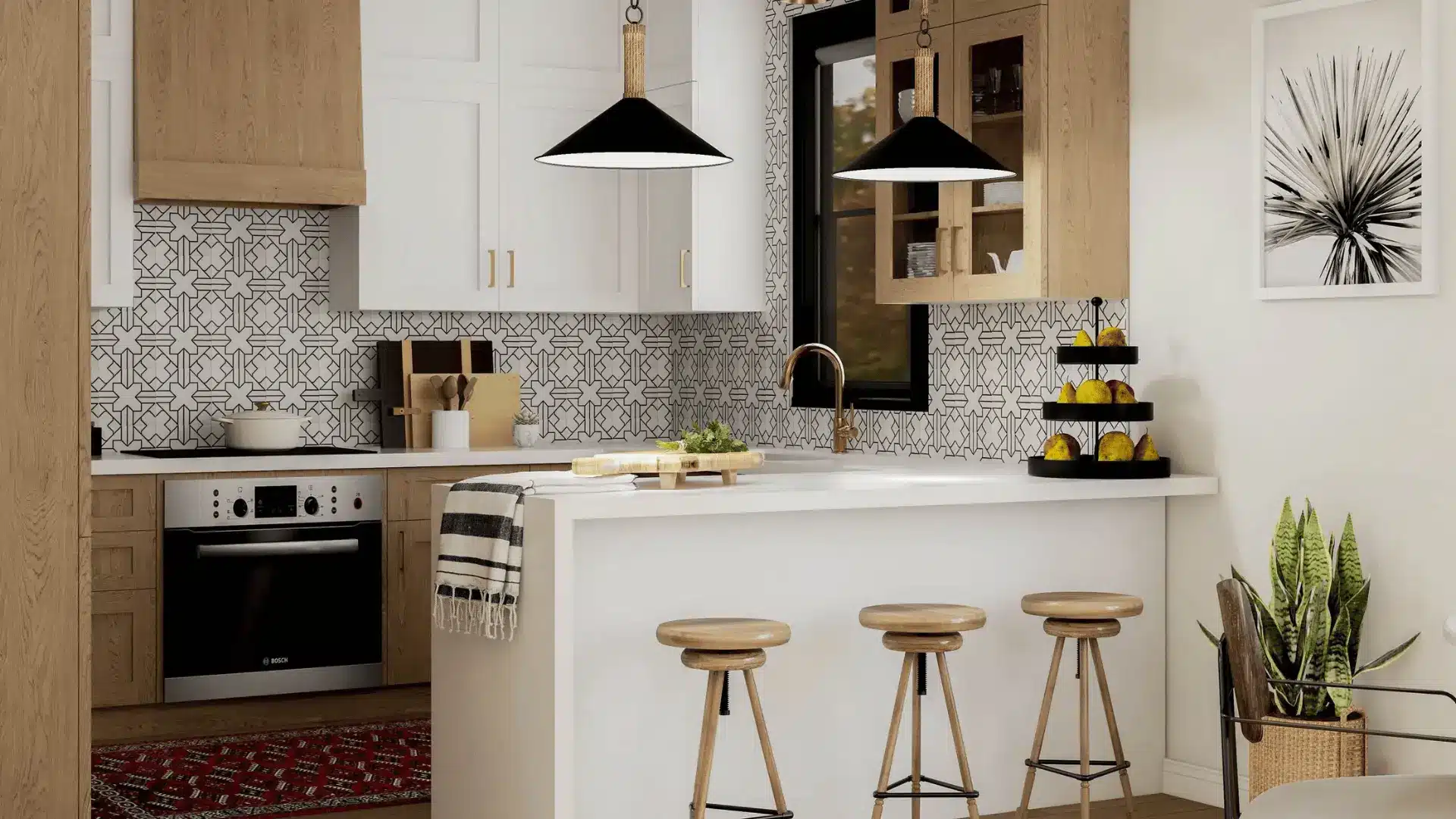
Bar height refers to taller surfaces designed mainly for casual dining, drinks, and social spaces. It is higher than standard counters and creates a more upright seating position.
The typical bar height is 42 inches (106.7 cm) from the floor. This height is usually found in home bars, raised kitchen counters, cafés, and entertainment areas.
Bar height feels more social and less work-focused than standard counters.
It is better for quick meals and conversations than for daily cooking or prep work. The taller design also creates a clear visual separation between spaces, making rooms feel more divided and structured.
Standard Counter Height vs Bar Height
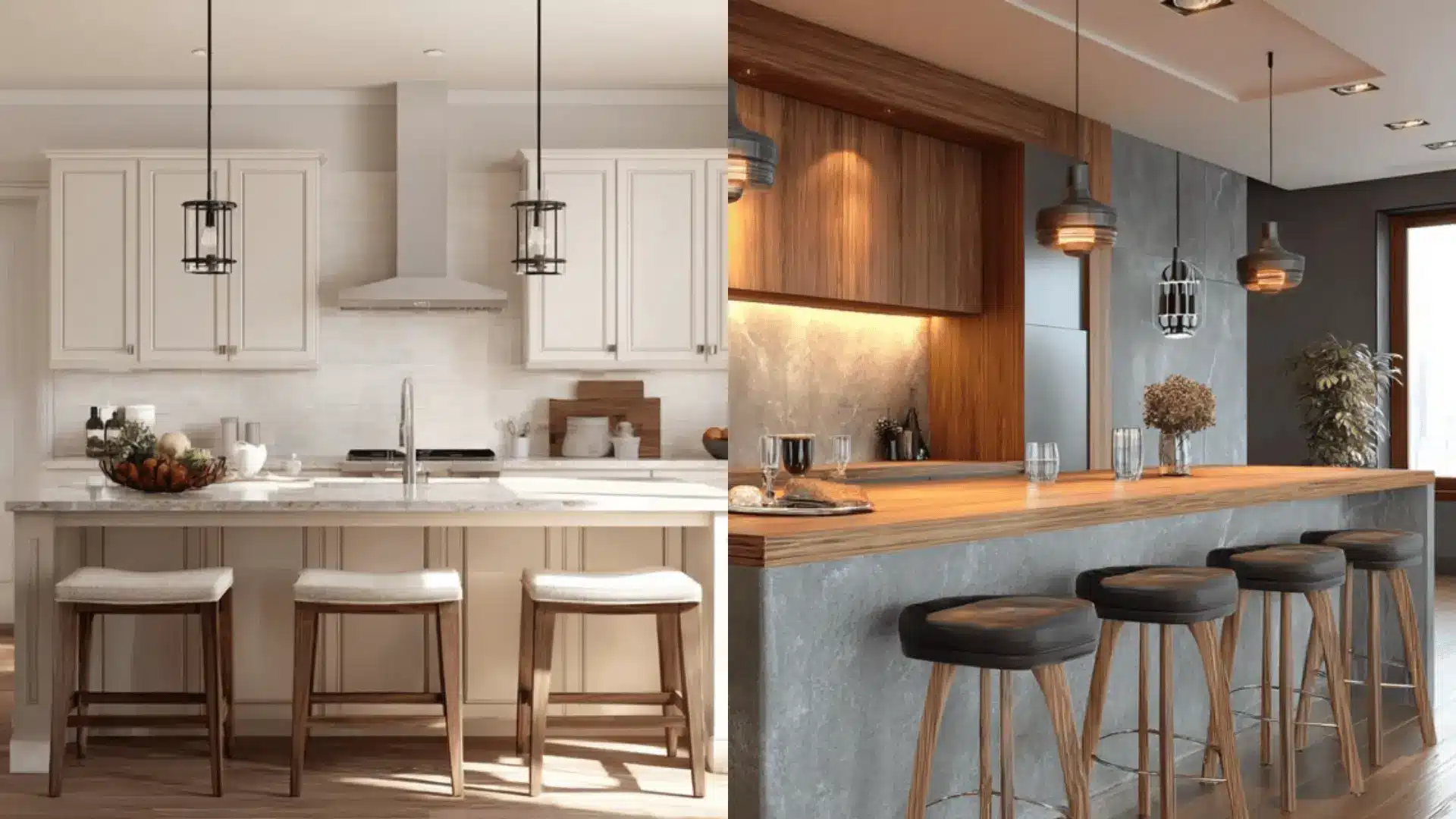
Choosing between standard counter height and bar height can change how a space looks, feels, and functions day to day. Both options serve different needs, and the right choice depends on comfort, use, space, and design style.
1. Height Difference
Standard counter height is 36 inches (91.4 cm), while bar height is 42 inches (106.7 cm). This height gap changes how a space feels and works.
Standard counters feel natural for daily use and movement. The bar height feels higher, creating a stronger separation between work areas and seating, making the layout feel more structured and divided.
2. Comfort and Use
Standard height supports better comfort for sitting and standing. It works well for cooking, cleaning, homework, and long tasks.
The bar height suits short use, like drinks, snacks, and quick meals. It feels more social but is less practical for daily work and long use, especially in busy homes and family spaces.
3. Seating Needs
Standard counters use stools that are 24–26 inches tall, making them easier to sit on and safer for most people.
Bar height requires 28–30-inch stools, which take up more space and can feel less stable. Taller seating also needs more space for movement and better layout planning.
4. Style and Design
The standard counter height provides a clean, balanced look that fits most home styles. Bar height creates a casual, social feel often seen in cafés and lounge spaces.
Standard height blends smoothly into rooms, while bar height stands out more and creates a strong visual separation between the living, dining, and kitchen areas.
Counter Height vs Bar Height For Kitchen Islands
For kitchen islands, the height choice shapes how the space is used every day. One-level 36-inch islands work best for food prep, family meals, homework, and daily tasks because they feel natural and easy to use.
42-inch raised bar islands fit better in homes focused on entertaining, drinks, and casual social time. Split-level islands combine both heights, giving space for work and seating in one design.
In open floor plans, one consistent height usually looks cleaner and keeps the space feeling open and connected.
Why Standard Counter Height Works For Most Homes
Standard counter height is designed to support comfort, safety, and daily use. It fits real-life needs, making homes easier to live in, move through, and enjoy every day.
- Supports Family Life: Safe, stable surfaces that suit shared meals, homework, and everyday activities.
- Comfort for All Ages: Comfortable for kids, adults, and seniors, making daily tasks easier without strain or awkward movement.
- Fits Standard Cabinets and Appliances: Helps layouts stay simple, balanced, and easy to plan.
- Reduces Physical Strain: Minimizes bending, reaching, and pressure on the body during long cooking and prep sessions.
- Improves Room Flow: Creates a natural connection between the kitchen, dining, and living spaces for smoother daily movement.
This balance of comfort, design, and function is why standard counter height works so well for most homes.
How to Choose the Right Height For Your Space?
A few simple factors can help you decide what works best for your home and lifestyle.
- Room Size: Smaller spaces feel more open with standard height, while larger rooms can handle taller surfaces
- Daily Use Needs: Cooking, working, and family meals need comfort and easy movement
- Who Will Use It Most: Kids, adults, and seniors all need safe and reachable surfaces
- Seating Plans: Match counter height with the right stool size and spacing
- Design Goals: Choose a height that fits your style without harming comfort
The right height should support comfort, flow, and real daily use, not just looks.
Best Uses For Standard Counter Height
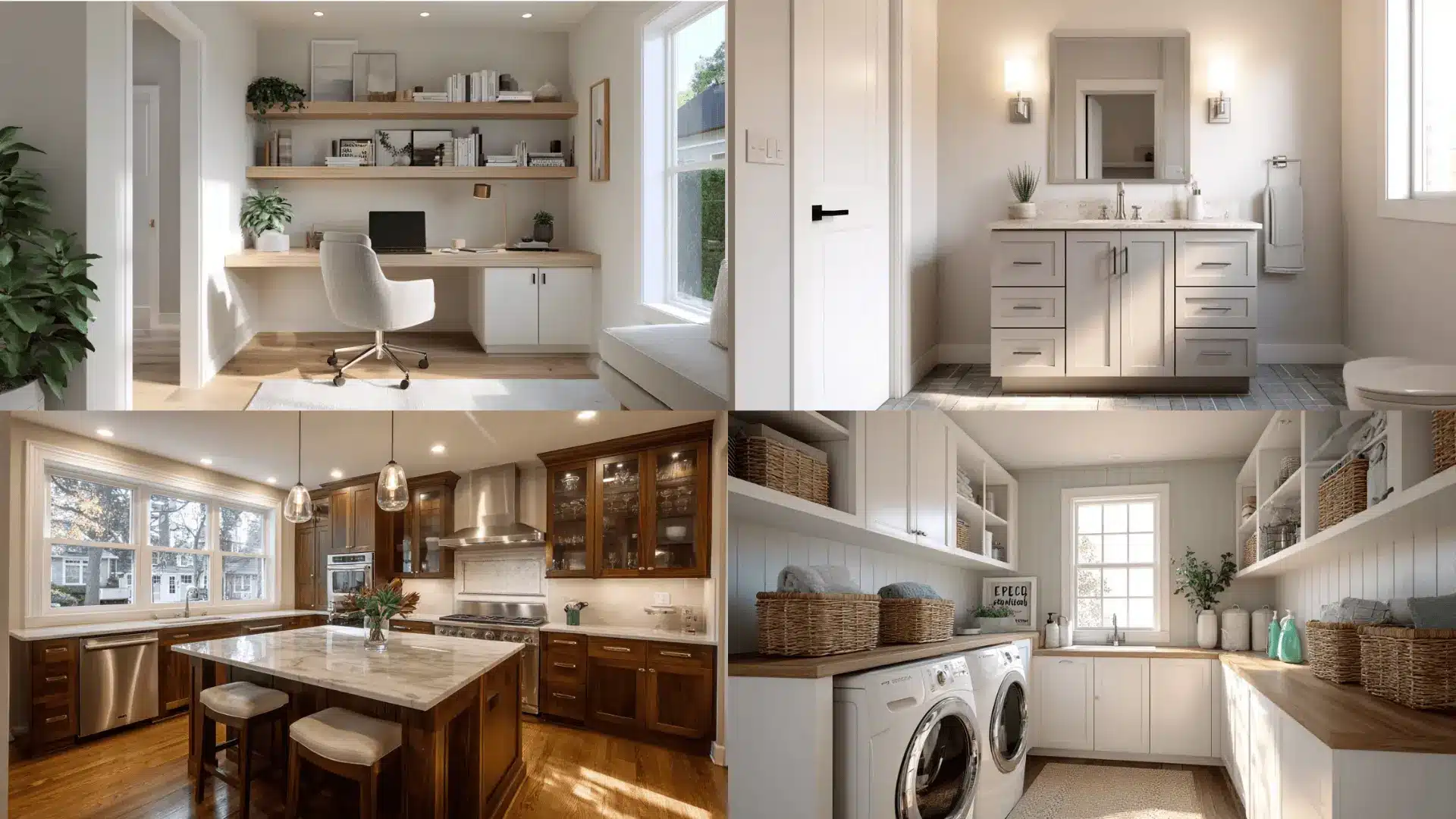
Standard counter height works best in spaces where comfort and daily use matter most. It is ideal for kitchen counters because it supports cooking, prep work, and cleaning without strain.
In kitchen islands, it creates a smooth flow for seating, meals, and shared activities. Dining spaces feel more natural and relaxed with this height, making meals more comfortable.
Work areas benefit from better posture and easy reach. In open kitchens, standard counter height helps rooms feel connected, open, and balanced while keeping movement simple and natural.
Quick Comparison Table
This simple table helps compare standard counter height and bar height at a glance. It makes it easier to see which option fits your space, comfort needs, and daily use.
| Feature | Standard Counter Height | Bar Height |
|---|---|---|
| Height | 36 inches (91.4 cm) | 42 inches (106.7 cm) |
| Best room type | Kitchens, islands, open layouts | Home bars, social spaces |
| Seating type | 24–26 inch stools | 28–30 inch stools |
| Comfort level | High for daily use | Medium for short use |
| Visual style | Clean and balanced | Casual and social |
This quick view makes it easier to choose the height that fits your space, comfort, and lifestyle needs.
Common Mistakes People Make When Choosing Counter Heights
Many problems with counters come from small planning mistakes. Avoiding these can save space, improve comfort, and make daily use much easier.
- Picking Style over Comfort: Choosing looks first can lead to daily strain and poor usability
- Ignoring Stool Height: Wrong stool size causes discomfort and safety issues
- Poor Spacing: Tight layouts make movement and seating difficult
- Wrong Layout Planning: Height choices that don’t match the room flow reduce function and comfort
Smart planning helps create spaces that feel good to use every day, not just look nice.
Wrap-Up
Small design choices can shape everyday comfort more than you might expect. Counter height is one of those choices that affects how a home feels, moves, and functions.
Standard and bar heights serve different purposes, but only one fits most daily needs.
Bar height works well for social areas and short use, while standard counter height supports cooking, working, and long-term comfort. It fits most homes, matches common cabinets and appliances, and works for all ages.
The right choice comes from understanding your space, daily habits, and layout needs. Before buying, take time to plan, measure, and test seating.
Smart planning leads to a space that feels good to use every day.
Frequently Asked Questions
Can I Mix Standard and Bar Height in One Space?
Yes, but it needs good planning so the space does not feel crowded or uneven.
What Stool Height Works for Standard Counters?
Stools between 24 and 26 inches are best for standard counter height.
Does Counter Height Affect Room Space?
Yes, taller counters can make rooms feel smaller, while standard-height counters keep spaces open and balanced.