

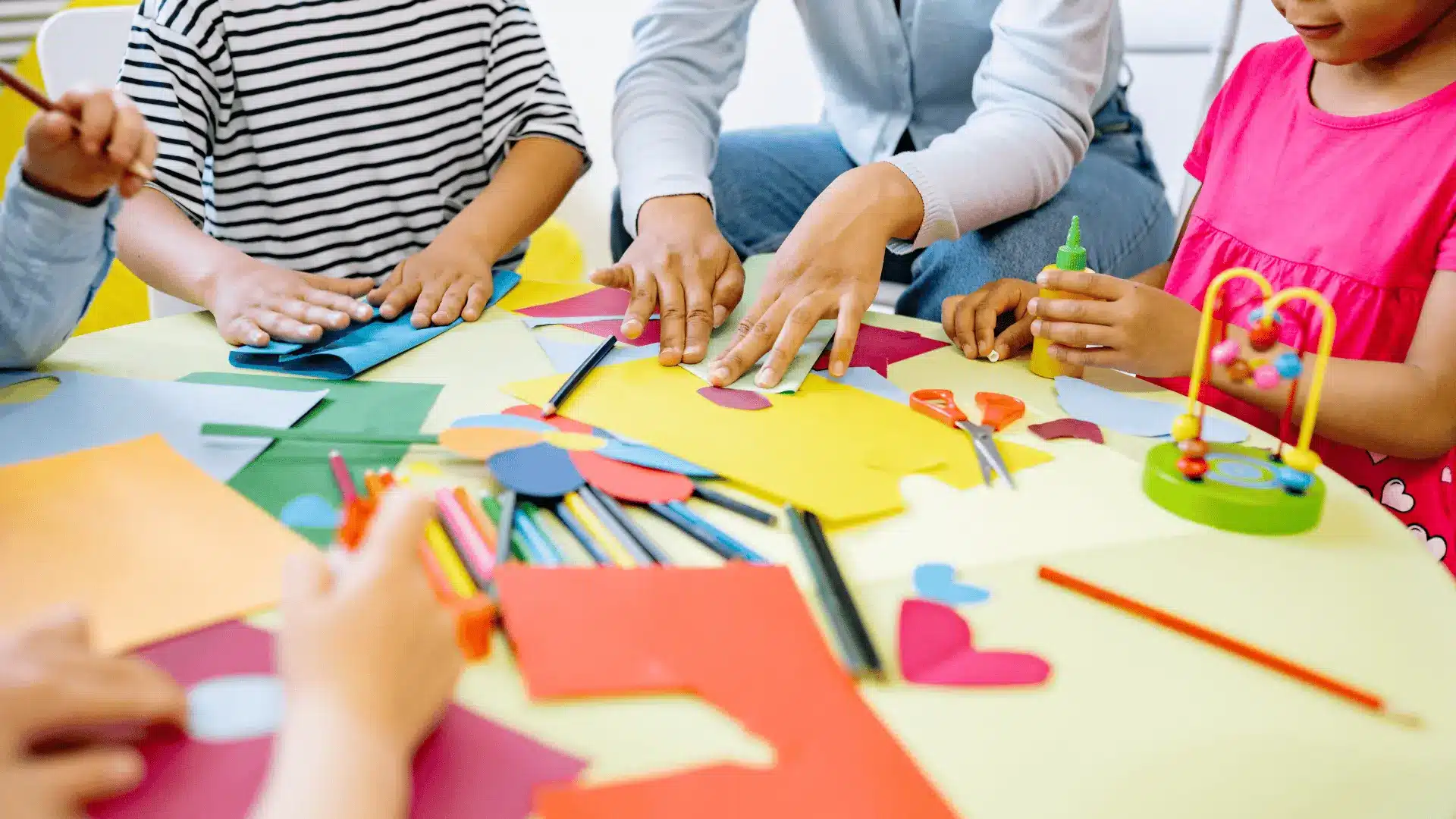
You don’t have to be an artist to teach art.
That’s the part most homeschool parents get wrong. They skip art entirely because they can’t draw, don’t know where to start, or aren’t sure what a seven-year-old should actually be learning.
Here’s what actually matters: structure.
Kids thrive when lessons build on each other, when they know what comes next, and when they finish something they’re proud of.
A solid homeschool art curriculum does all of that for you. It removes the guesswork, gives your child real skills, and makes art a subject your family looks forward to each week.
The right package is out there. Here’s how to find it.
What Is a Homeschool Art Curriculum
A homeschool art curriculum is a structured plan that teaches art skills through guided lessons and projects in a sequence that makes sense for your child’s age and ability.
Art helps kids build fine motor skills, spatial awareness, and abstract thinking, all of which connect directly to STEAM learning outcomes.
It’s not a pile of craft ideas. It’s a clear path from one skill to the next.
Over the course of a year, a good curriculum builds real progress. Kids develop art vocabulary, like line, form, value, and composition.
Artistic pursuits taught this way give children more than creative output. They build the habit of working through a process step by step until something is complete.
Key Features of a Complete Art Curriculum Package
A solid homeschool art curriculum covers more than just projects. Here’s what a complete package typically includes.
- Grade-Level Breakdowns: Lessons are sorted from preschool to high school, helping kids build skills step by step with projects that match their age and attention span.
- Technique Instruction: Guided lessons teach drawing, painting, sculpture, and mixed media in a clear sequence, so kids learn new techniques without feeling overwhelmed or rushing ahead.
- Art History and Appreciation: Students explore artists, movements, and cultural contexts, helping them understand why art matters and connect each project to broader ideas.
- Instructional Videos or Step-By-Step Guides: Visual, easy-to-follow instructions let kids work more independently, reduce parent involvement, and support confidence, focus, and self-directed learning.
- Supply Lists And Material Packs: Clear supply lists show exactly what to buy, and some programs include materials, saving time and preventing forgotten items or extra store trips.
When these features come together, the curriculum does the heavy lifting. You focus on your child, not the planning.
Best Homeschool Art Curriculum Packages
Not every homeschool art curriculum works the same way. Here’s a straightforward look at the most commonly recommended complete packages.
1. ARTistic Pursuits (PreK–12)
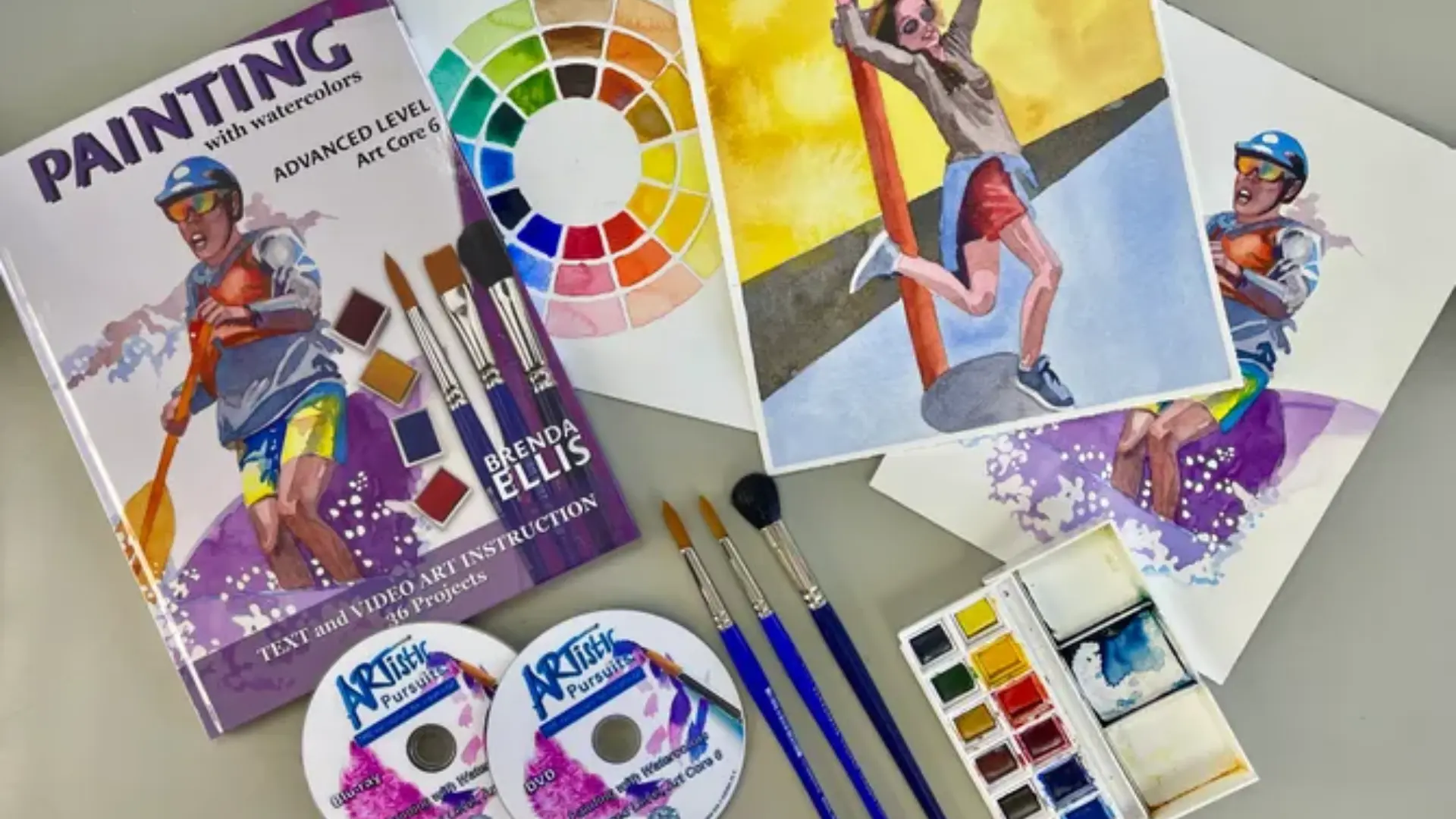
ARTistic Pursuits blends technique instruction with art history and appreciation across PreK through high school. Lessons follow a clear, sequential plan. Before buying, confirm the correct grade band, your preferred format (text or video), and the supplies each level needs.
Best For: Families who want art history woven into their artistic pursuits alongside skill-building.
2. Atelier Homeschool Art (Ages 4–16, Multi-Level)
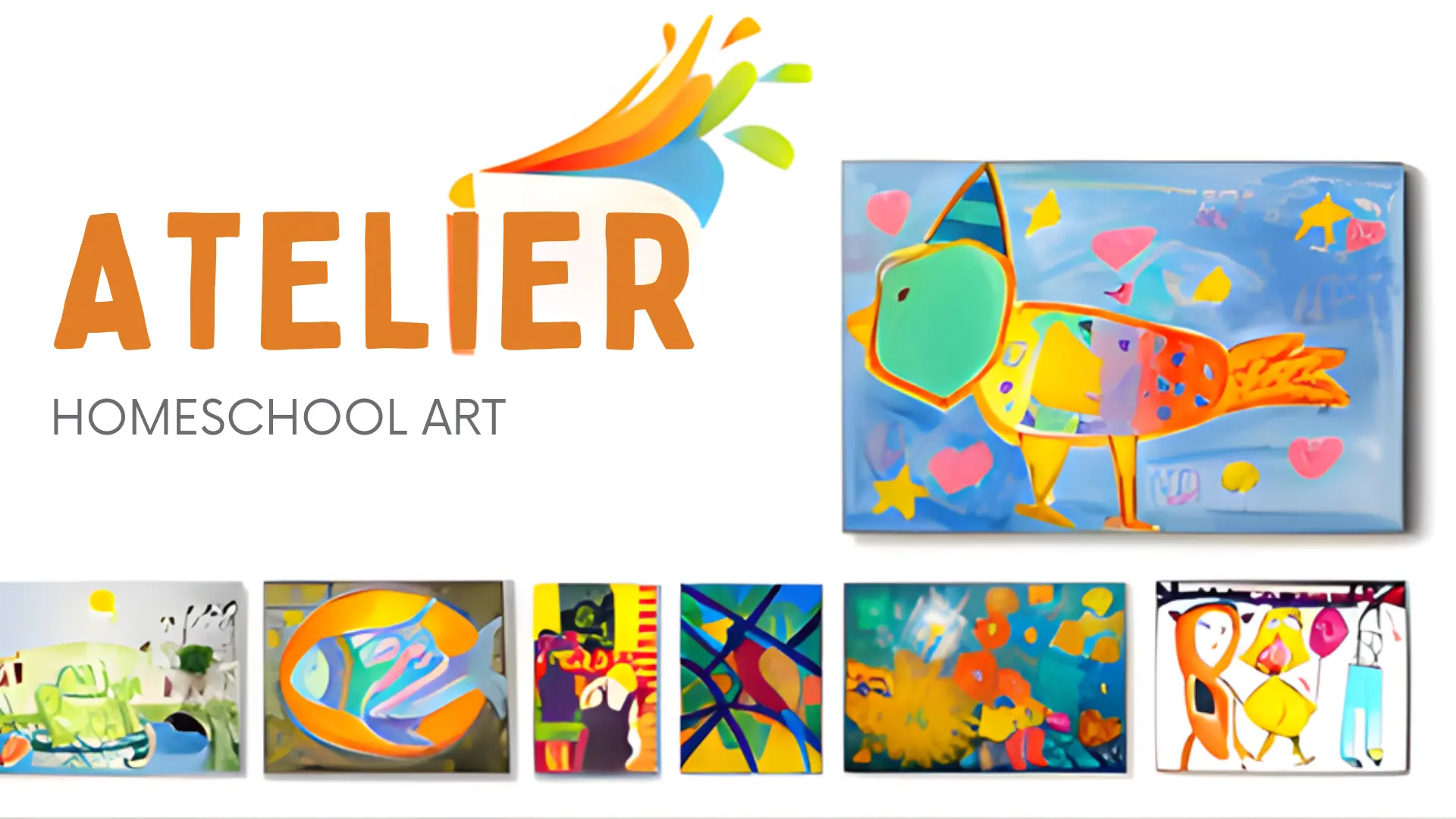
Atelier is a video-based program in which a teacher demonstrates each technique on-screen. Lessons cover a full year per level. Check level placement carefully using their guide, and review lesson length and supply expectations before starting.
Best For: Kids who learn best by watching step-by-step demonstrations.
3. Deep Space Sparkle Curricula (K–7)
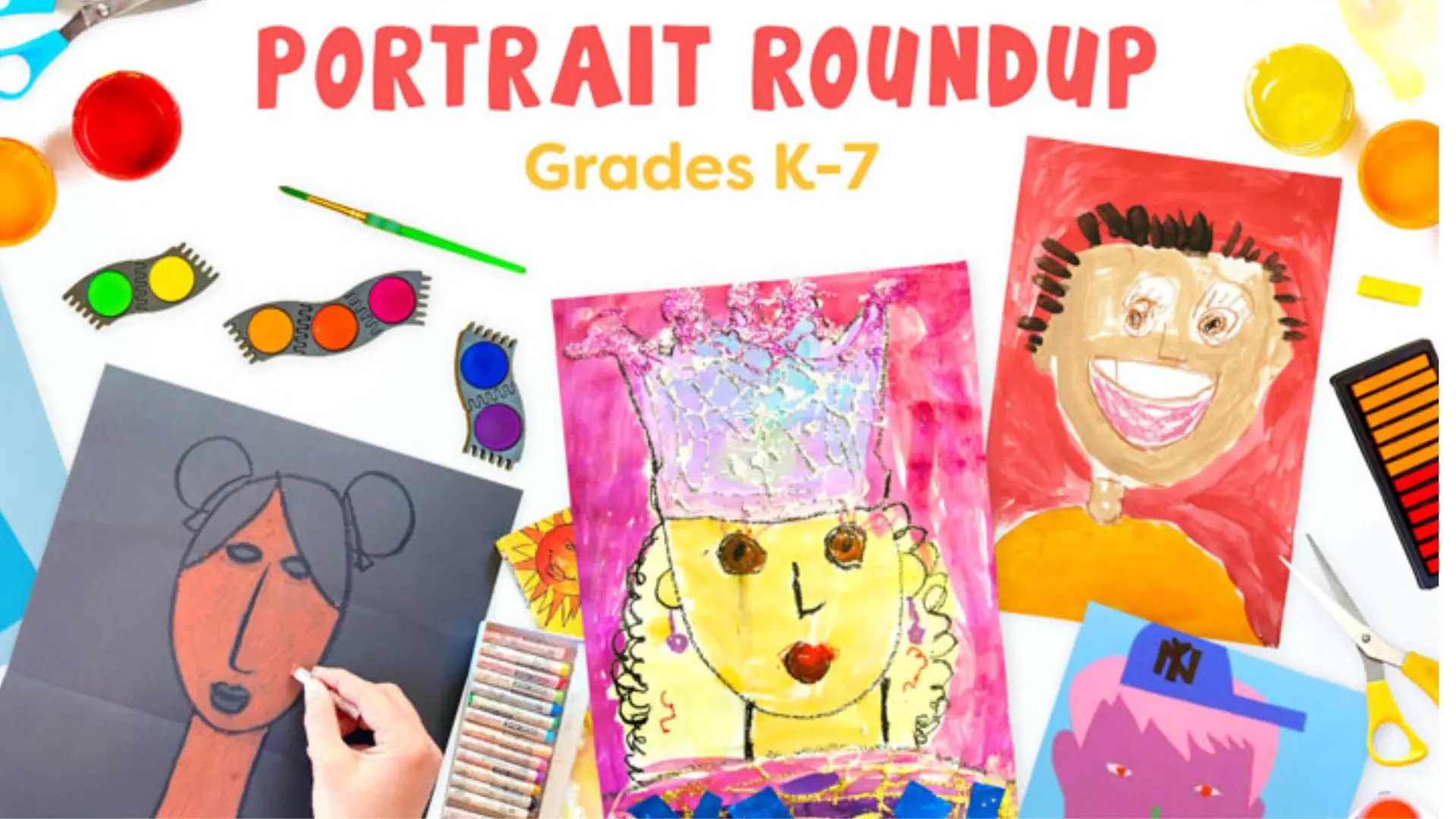
Deep Space Sparkle offers structured lesson plans, including the Global Art Passport program and Sparklers’ Club library. Both provide clear pacing and variety. Check how much printing is involved, prep time per lesson, and whether the pacing fits your weekly schedule.
Best For: Families who want classroom-style lesson plans with plenty of project variety.
4. I Create Art Homeschool Art Series and Art Box Options
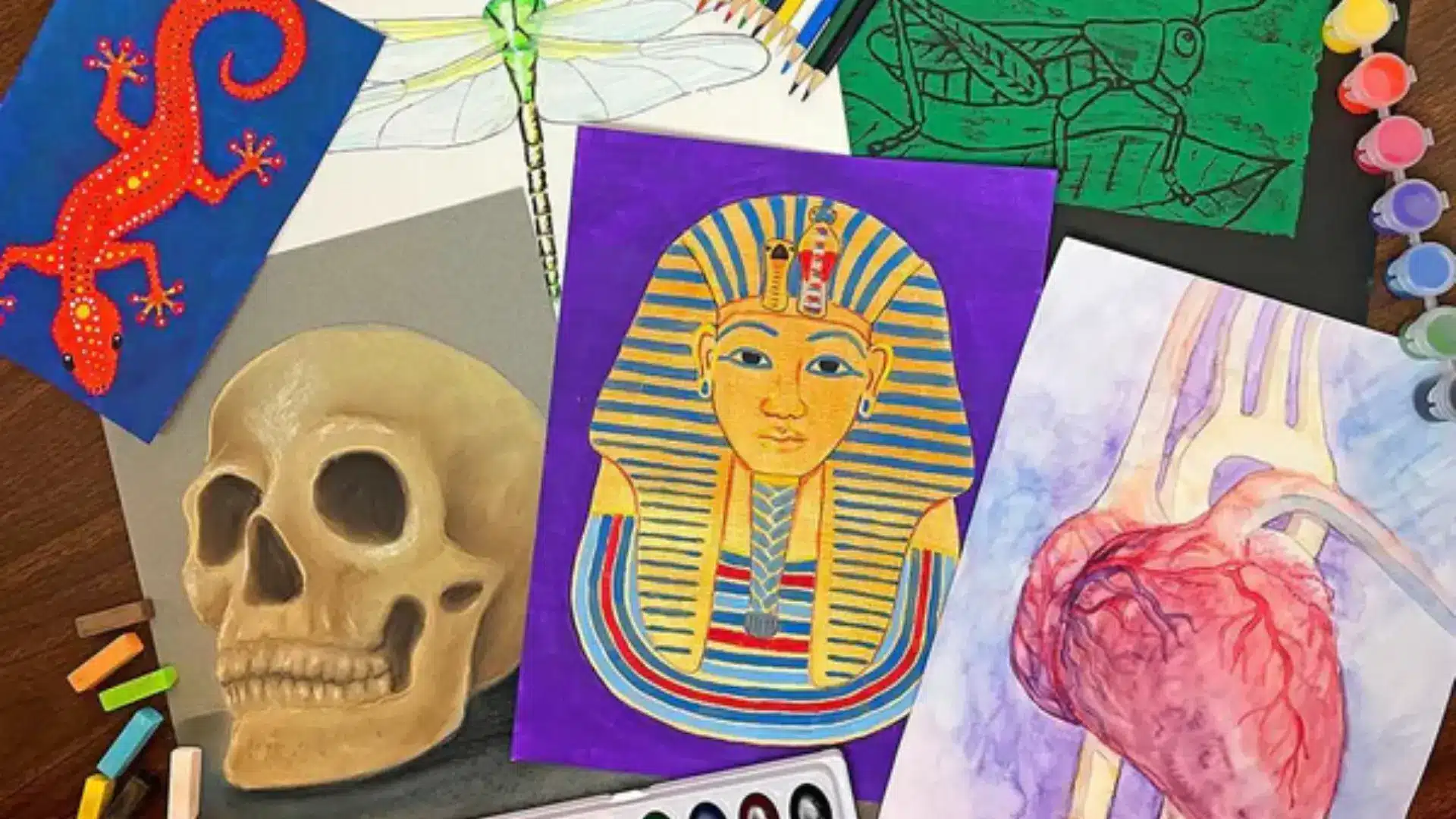
I Create Art pairs guided instruction with included supplies, reducing time spent sourcing materials. Check the age fit before ordering, look into refill costs for ongoing use, and consider how much storage space the kits will need.
Best For: Families who want a ready-to-use setup with fewer supply runs.
5. You ARE An ARTiST – ChalkPastel High School Fine Arts Program
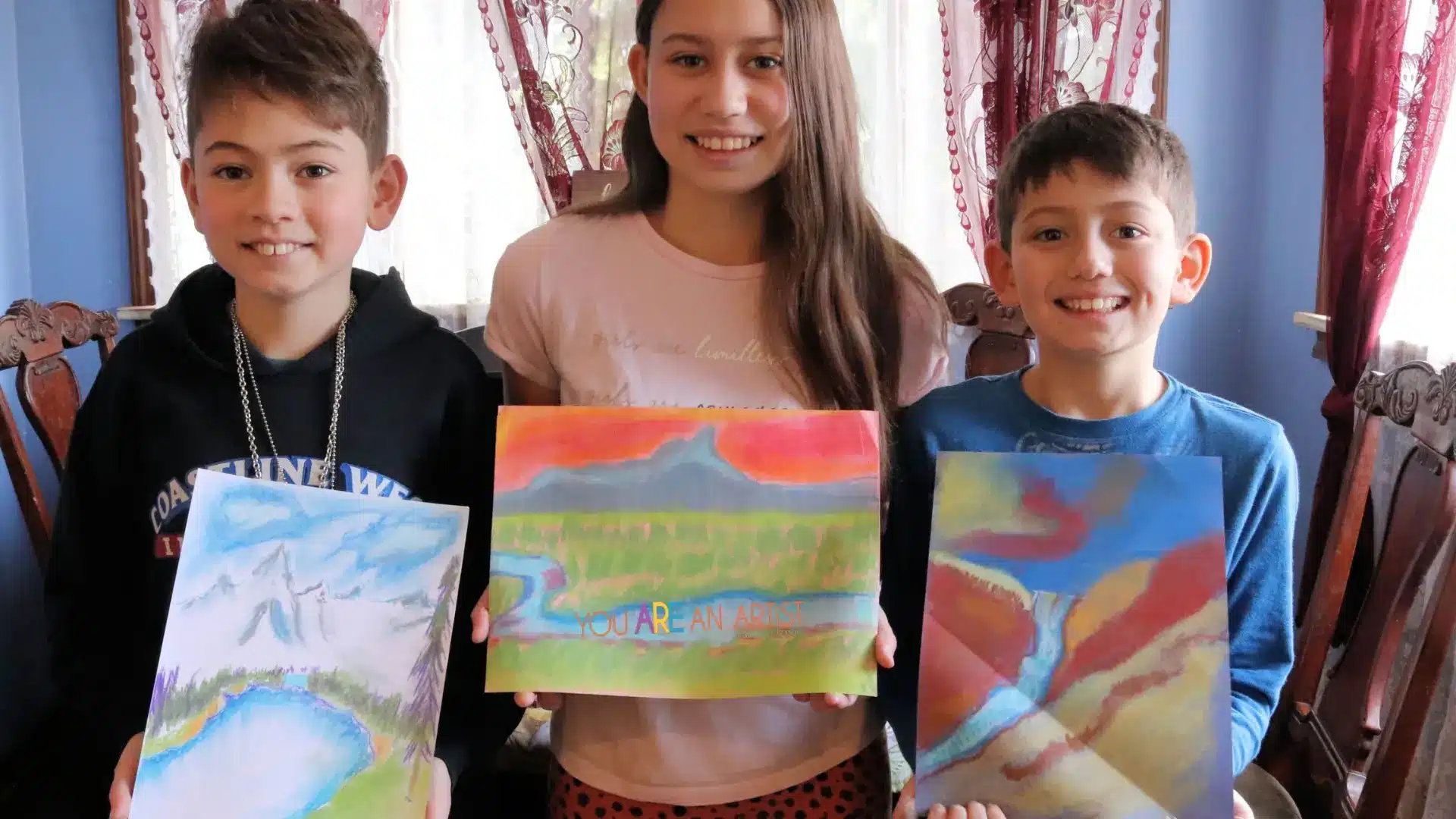
You ARE An ARTiST program pairs chalk pastel projects with artist study, making it a solid option for a high school fine arts credit. Check the pacing against your schedule and confirm your state’s credit requirements before using it on a transcript.
Best For: Teens who need a structured fine arts credit with artist study included.
6. Power Homeschool Art Courses (Self-Paced Online)
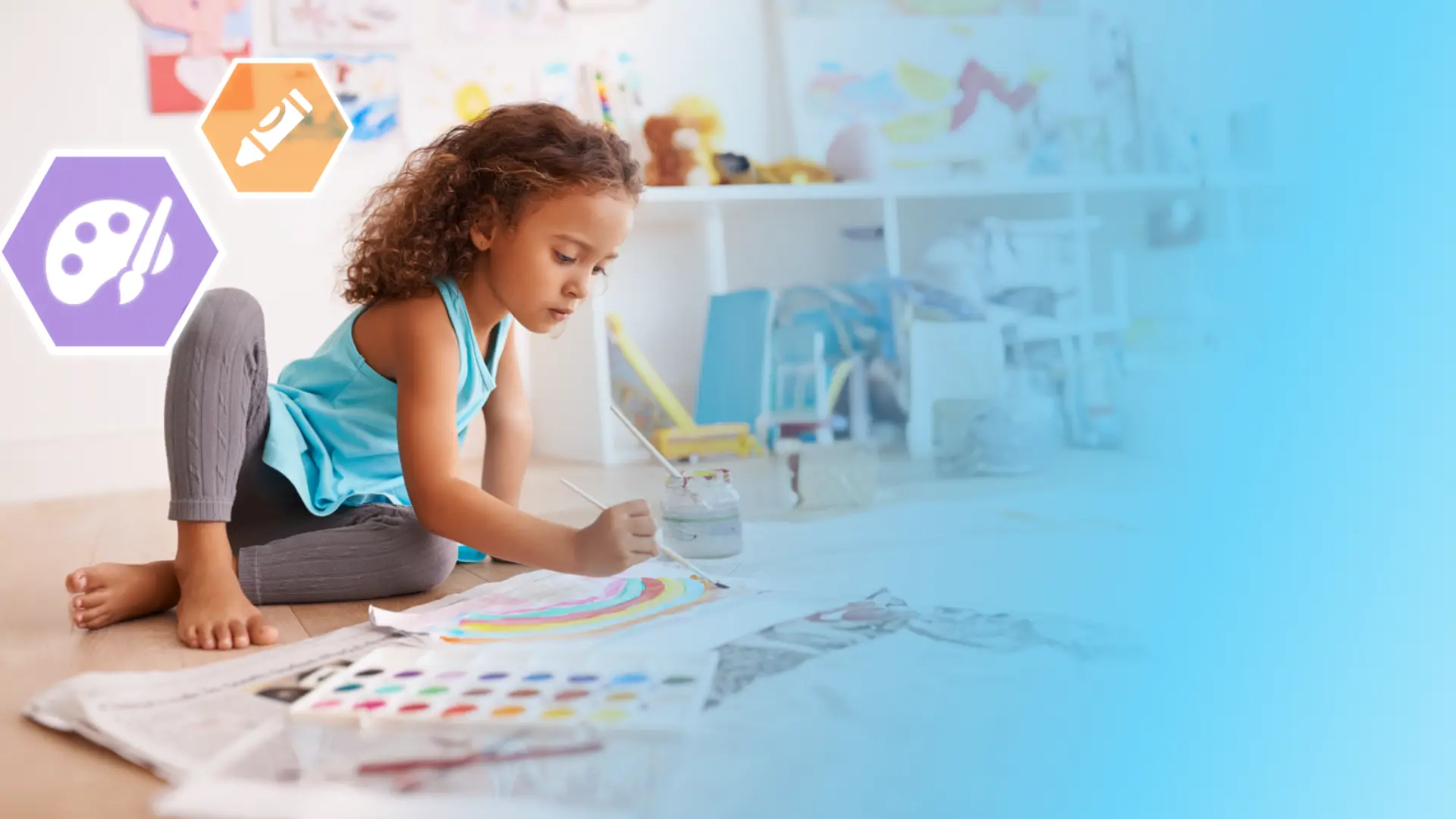
Power Homeschool offers self-paced online art courses with built-in progress tracking. Students move at their own speed. Check the course level to match your child’s current skills, and factor in screen time expectations for your homeschool day.
Best For: Independent learners who prefer online coursework with trackable progress.
How To Choose The Right Homeschool Art Curriculum Package
The right homeschool art curriculum looks different for every family. These five questions help narrow it down.
- Decide What Matters Most: Structured skill-building, open-ended artistic pursuits, or a balanced mix of both.
- Think About how Your Child Learns Best: Parent-led books, video instruction, or printable lesson plans and modules.
- Be Honest About Your Schedule: A homeschool art curriculum built for 60-minute sessions won’t fit well in a 30-minute window.
- Consider How Many Kids You’re Teaching: If you have students of different ages, look for multi-level options or flexible pacing.
- Check Co-Op– and Small-Group-Friendly Options: Ensure the curriculum supports co-op use if you’re teaching a small group alongside your own children.
There’s no single right answer. The best fit is the one your family will actually use and stick with consistently.
Supporting Your Child’s Artistic Pursuits at Every Grade Level
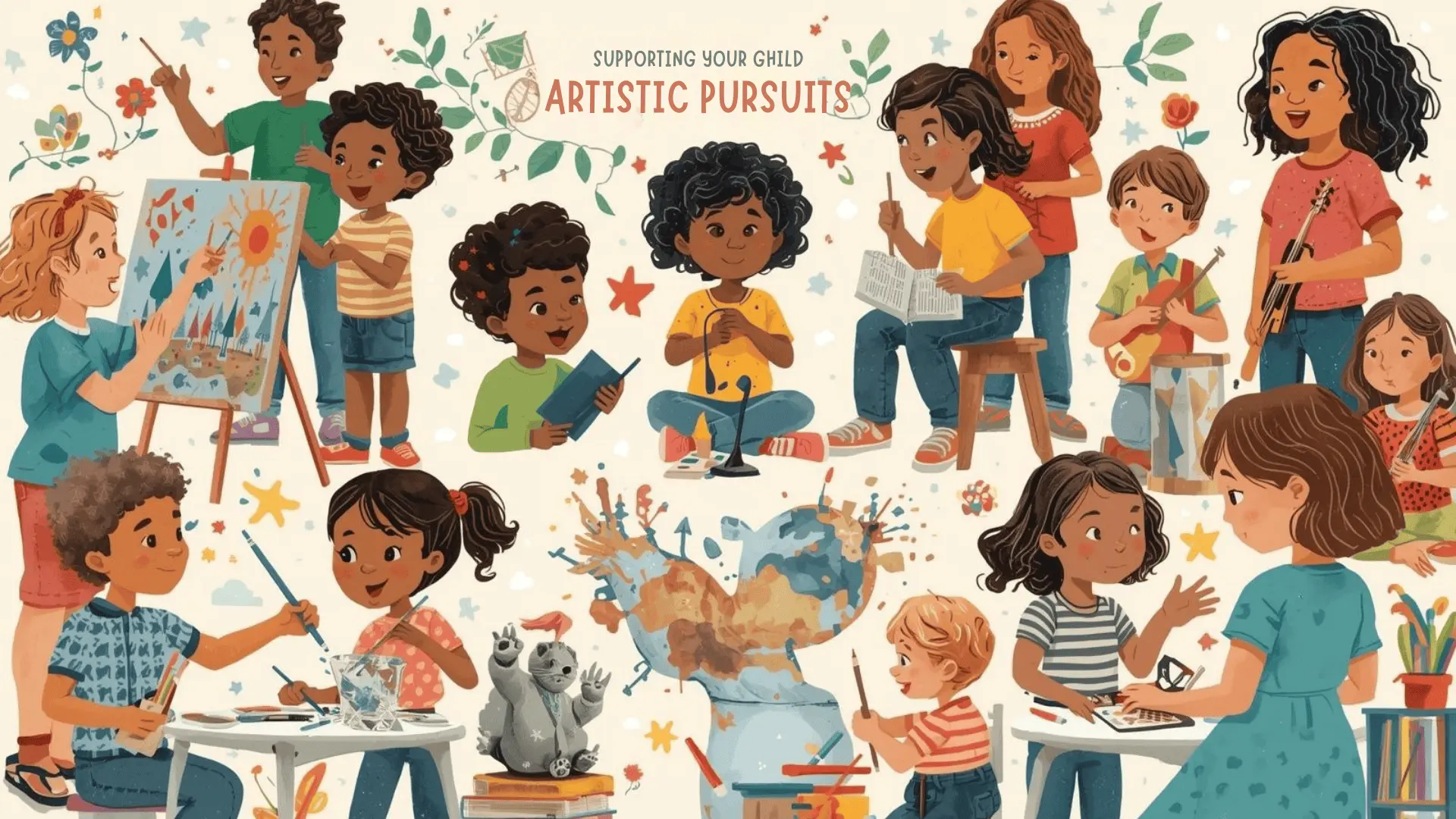
The right curriculum depends on your child’s age and skill level. Here’s a quick breakdown to help you find the right starting point.
1. Art Curriculum for Preschool and Kindergarten (Ages 3–6)
At this stage, art is about doing, not perfecting. Young children learn through sensory exploration, basic brushwork, and color recognition.
The goal is to make art feel safe and fun. Montessori Art and ARTistic Pursuits Early Elementary are commonly recommended starting points for this age group.
2. Art Curriculum for Elementary Students (Grades 1–5)
This is where foundational skills begin to take shape.
A good homeschool art curriculum at this level introduces drawing fundamentals, painting techniques, and basic artist study. ARTistic Pursuits, You ARE An ARTiST, and Atelier are all well-suited options that build skills in a clear, manageable sequence.
3. Art Curriculum for Middle School (Grades 6–8)
Middle schoolers are ready for more structure and depth. Lessons at this level cover the elements and principles of art, perspective, and mixed media.
ARTistic Pursuits Middle School, Easy Peasy, and Atelier all support artistic pursuits that challenge students without overwhelming them.
4. Art Curriculum for High School (Grades 9–12)
High school art shifts toward independence and intention.
Students work on larger projects, begin building a portfolio, and study art history in more depth. ARTistic Pursuits Classic 9–12, Atelier is a solid option for families who want a complete and credible homeschool art curriculum.
Common Mistakes When Buying A Homeschool Art Curriculum
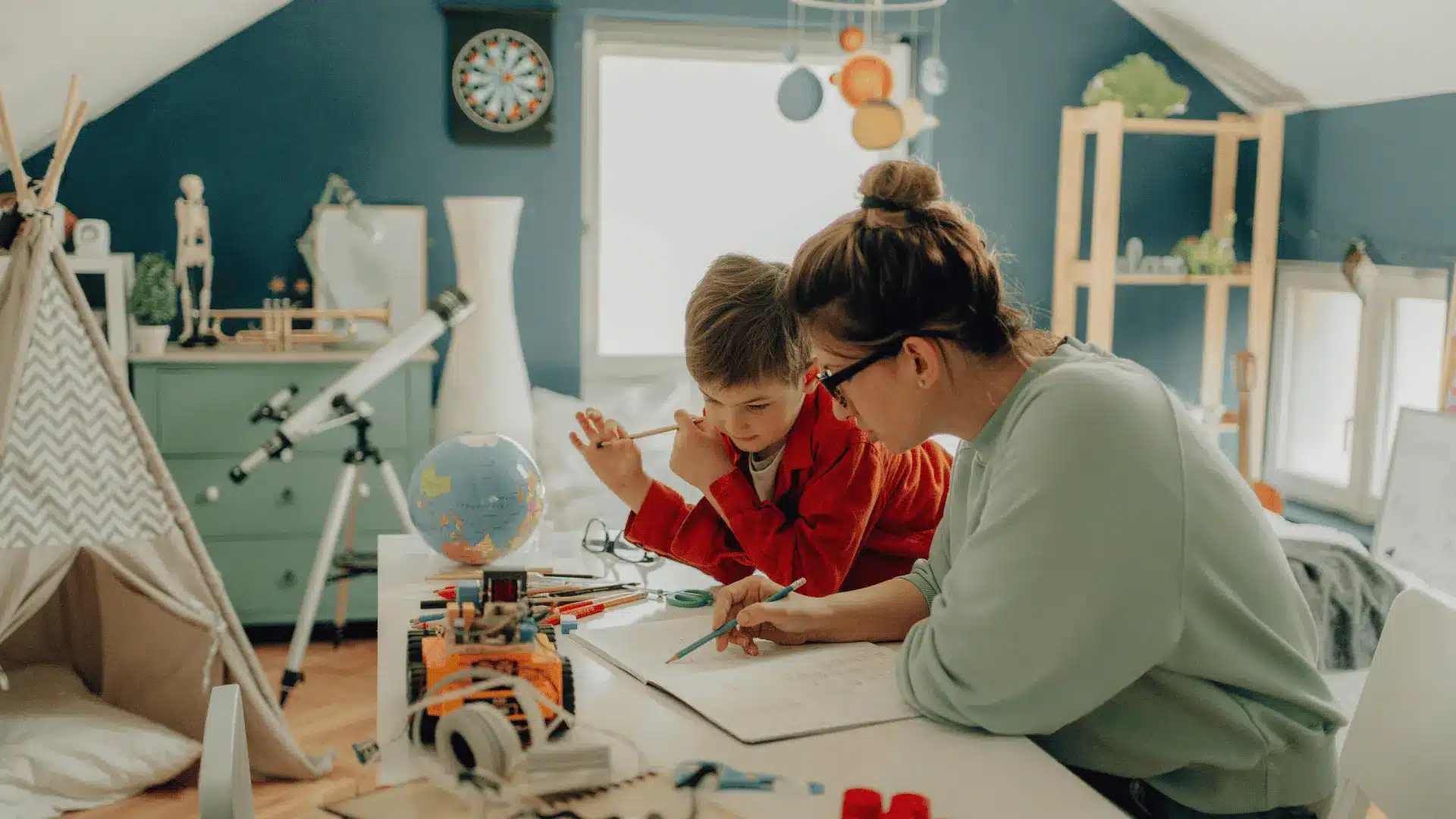
A few small oversights can make a curriculum feel like the wrong fit. Here’s what to watch out for before you buy.
- Choosing a Prep-Heavy Program when You Need an Open-and-Go Option: Some curricula require significant setup. Always check the format first.
- Starting at The Wrong Level: A program that’s too advanced can quickly discourage kids. Use placement guides and samples.
- Ignoring Supply Costs: Artistic pursuits can become expensive. Review material lists before buying
A little research upfront saves frustration later. The right curriculum should feel manageable, not like another thing to figure out.
Final Thoughts
Picking the right homeschool art curriculum takes a little research upfront, but it pays off quickly.
You now have a clear picture of what to look for. That puts you well ahead of where most parents start.
The hardest part is not the choosing. It’s the start.
A curriculum that gets used regularly, even an imperfect one, will do far more for your child than one that never leaves the shelf.
Art teaches kids more than they realize while they’re making it. That’s reason enough to make it a regular part of your week.
Which program are you considering? Share it in the comments.
Frequently Asked Questions
Can I Teach Art at Home if I’m Not an Artist?
Yes. Most homeschool art curriculum packages are designed for non-artist parents. Clear step-by-step lessons guide both you and your child through every project.
What Supplies and Setup Do I Need to Get Started with a Homeschool Art Curriculum?
Start with pencils, erasers, a sketchbook, basic paints, and brushes. A simple tray system and project folder keep weekly art sessions organized and manageable.
How Do I Know Which Grade Level or Program Is the Right Fit for My Child?
Use the placement guide most programs include. Match it to your child’s current skill level, not just their age or school grade.