

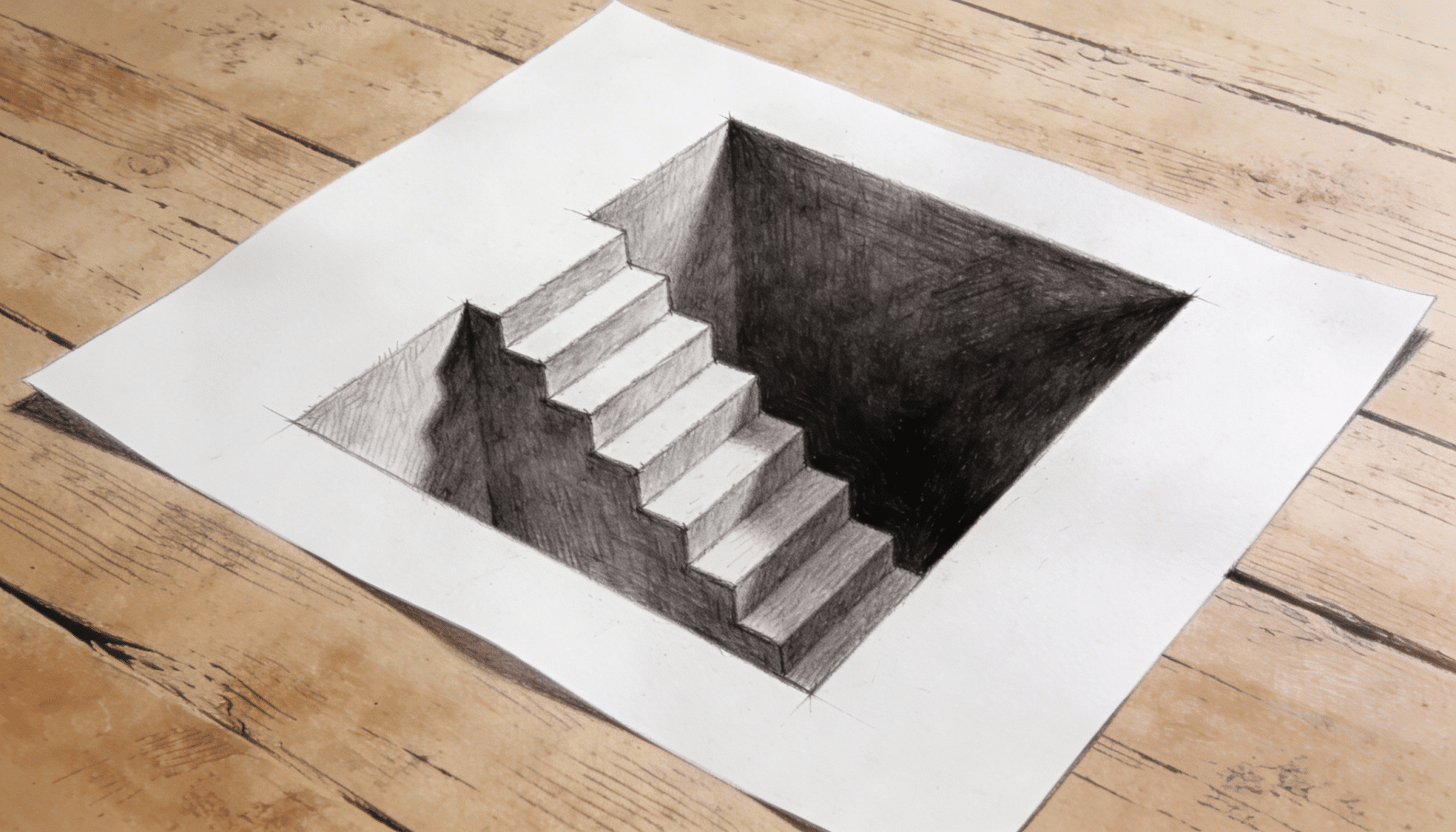
Ever wondered how animated movies come to life or how video games look so realistic?
The answer is 3D art, a technology that’s transforming entertainment, design, and business.
Unlike flat drawings, 3D art has depth and dimension, making objects appear solid and viewable from all angles.
It powers everything from blockbuster films to product designs, yet many people don’t fully understand what it is or how it works.
This blog breaks down what is 3d art, how it differs from traditional art, the main types, and why it matters in today’s digital world.
What Is 3D Art?
3D art is the creation of digital objects that have height, width, and depth. Unlike flat drawings, you can view 3D art from different angles and rotate it like real objects.
3D art adds depth, making objects appear solid and viewable from all angles, like real physical objects.
A circle on paper is 2D (flat), but a ball is 3D (has depth).
The “three-dimensional” name refers to these three measurements that give objects volume and make them feel real rather than flat.
Artists use computer software to build these digital creations.
They shape the object, add colors and textures, set up lighting, and then generate the final image or animation.
You see 3D art everywhere, in animated movies, video games, special effects in films, and product advertisements.
Key Characteristics of 3D Art
- Depth and Volume: 3D art has depth along with height and width, giving objects solid volume instead of appearing flat.
- Multiple Viewing Angles: You can view 3D art from different angles: front, back, sides, top, and bottom. It’s like walking around a real object to see all its sides.
- Lighting and Shadows: 3D art responds to virtual lighting, creating realistic shadows and highlights that change based on where lights are positioned.
- Textures and Materials: Surfaces can have different properties, like shiny metal, rough wood, smooth glass, or soft fabric.
- Spatial Positioning: Objects exist in a virtual 3D space with accurate distances between them, creating realistic depth and spatial relationships in scenes.
How Is 3D Art Created?
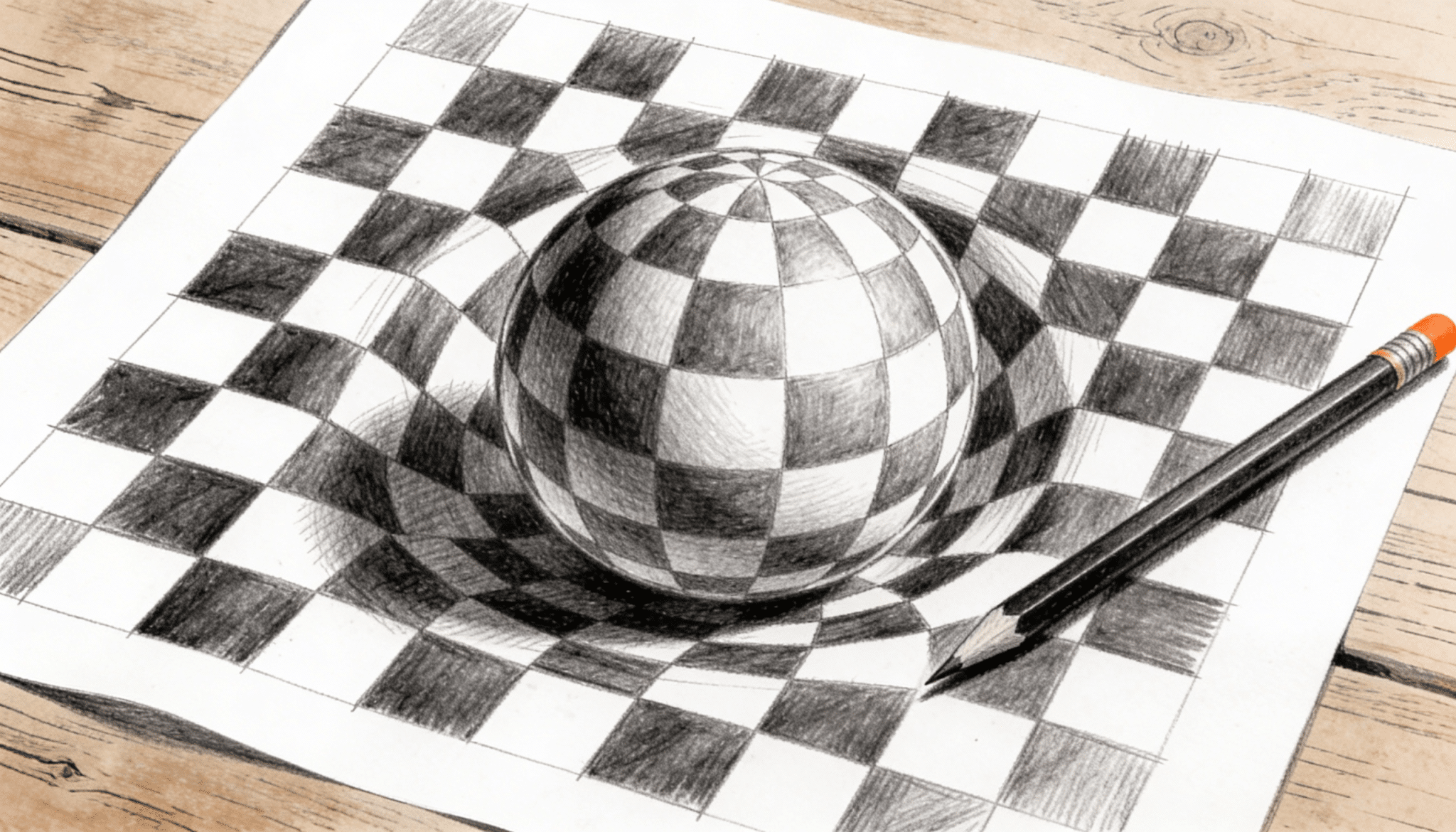
3D art has transformed movies, video games, and design. But how do artists bring these realistic digital creations to life?
The process involves specialized software, artistic skill, and a systematic approach.
Types of 3D Art
Before understanding how 3D art is created, it helps to know what artists actually make.
- Character art brings people, creatures, and animals to life for games, movies, and animation.
- Environmental art creates worlds, landscapes, and architectural spaces.
- Product visualization showcases items for marketing and e-commerce.
- Motion Graphics produces animated logos and visual effects for advertising.
- Sculpting creates highly detailed organic forms like creatures and realistic human figures.
Each type follows the same basic creation process but with different focuses and techniques.
The 5 Steps to Create 3D Art
Learn the five essential steps every 3D artist follows to turn ideas into stunning digital creations.
1. Modeling: Building the Shape
Modeling is like playing with digital clay. Artists use programs like Blender or Maya to build the basic shape of what they want to make.
They can build with polygons (like connecting dots to make shapes), use curves for smooth objects like cars, or sculpt using real clay for characters and creatures.
2. Texturing: Making It Look Real
Texturing adds details to make surfaces look real. It’s not just about color; it’s also about how rough or smooth something looks.
Artists add color maps for basic colors, bump maps to fake small details like scratches, and material maps to make things look shiny, like metal, or rough, like wood.
3. Lighting: Setting the Mood
Just like in photography, lighting makes a huge difference. Artists add virtual lights to their scene.
Sun-like lights brighten everything. Bulb-like lights glow from one spot.
Spotlights focus on specific areas. Good lighting can make the same object look scary or friendly.
4. Rendering: Creating the Final Image
Rendering is when the computer does the heavy work. It calculates how light bounces around and creates the final picture.
This can take seconds or hours.
Fast rendering works for video games that need instant results. Slow rendering makes super-realistic images for movies but takes more time.
5. Post-Processing: Adding Final Touches
After rendering, artists make small tweaks. They adjust colors, add blur effects, or fix brightness, like using filters on a photo.
Tools Artists Use
- Blender is free and powerful.
- Maya is great for animation.
- Cinema 4D is easy to learn.
- ZBrush makes amazing, detailed sculptures.
Skills You Need
You need creativity and patience. Understanding basic art skills like color and composition helps.
You also need to enjoy solving problems because things don’t always work the first time.
Getting Started
Pick a free program like Blender. Watch beginner tutorials on YouTube.
Start simple; maybe make a donut or a coffee cup. Join online groups where people share tips and help each other.
3D Art vs 2D Art: What’s the Difference?
| Aspect | 2D Art | 3D Art |
|---|---|---|
| Dimensions | Height and width only (flat) | Height, width, and depth (volume) |
| Viewing | Single viewing angle | Multiple angles can be rotated |
| Depth | Illusion of depth through shading | Actual depth in space |
| Examples | Drawings, paintings, photos | Sculptures, 3D models, animations |
| Tools | Pencils, paint, Photoshop | Blender, Maya, 3D printers |
| Shadows | Manually drawn by an artist | Calculated from light sources |
| Interactivity | Static, cannot be rotated | Can be rotated and explored |
| Use Cases | Posters, illustrations, logos | Video games, films, and product design |
Why Is 3D Art Important?
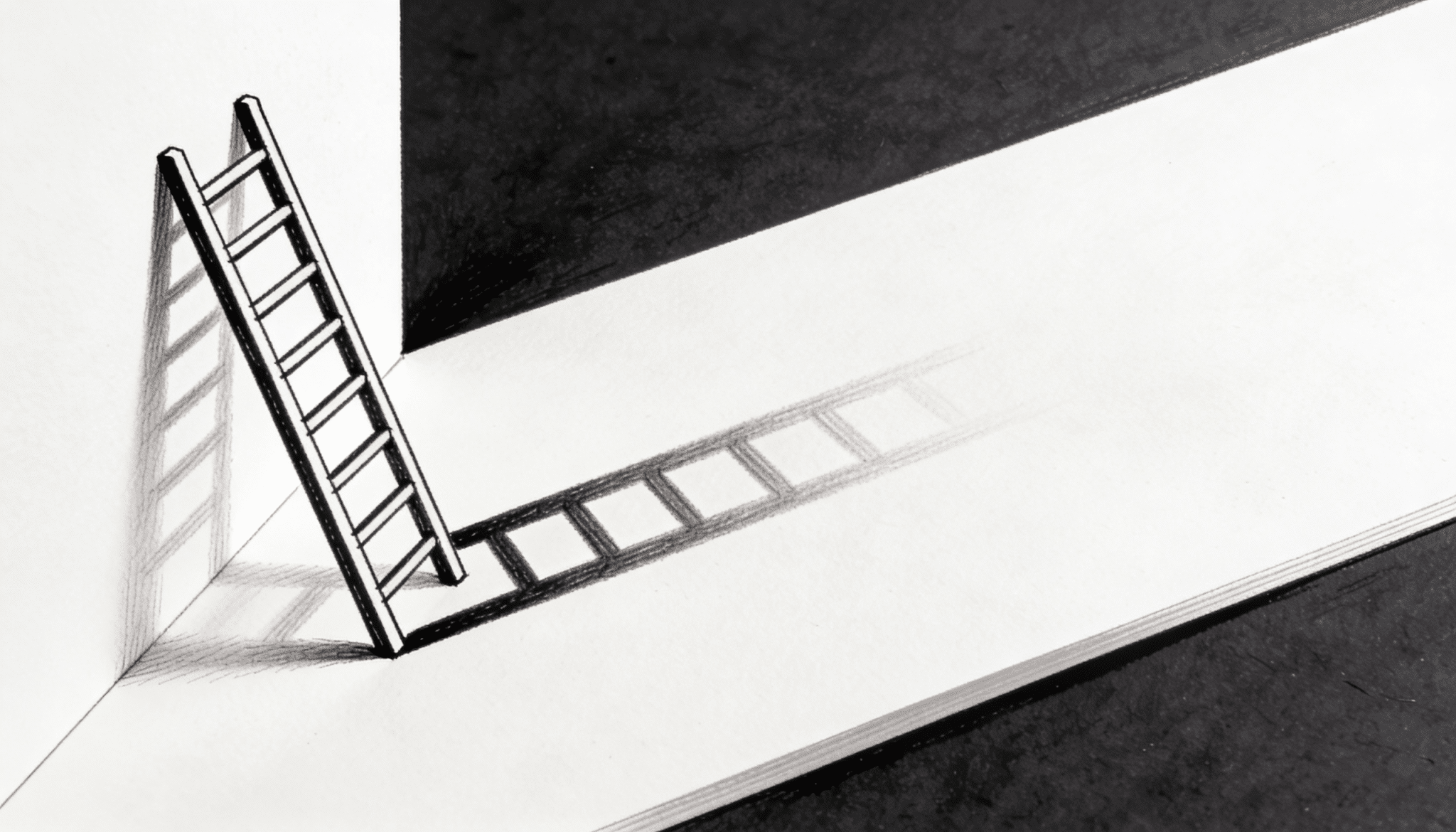
3D art has become essential in modern life, transforming how we create and experience visual content.
In entertainment, it powers movies, video games, and animations, creating realistic characters and immersive worlds.
For businesses, 3D art saves time and money by visualizing products and buildings digitally before production, catching problems early and avoiding costly mistakes.
It helps people understand complex information better through medical models, interactive education, and clear visualizations that flat images can’t provide.
3D art enables virtual and augmented reality experiences, letting users explore digital environments and interact with products before buying.
Finally, it expands creative possibilities, allowing artists to create fantasy worlds and impossible forms without physical limitations.
Is 3D Art Hard to Learn?
Learning 3D art can be challenging, but it’s achievable with practice and patience.
Why It Can Be Challenging
3D software like Blender or Maya has many tools that can feel overwhelming for beginners.
You need to learn multiple skills: modeling, texturing, lighting, and rendering, and thinking in three-dimensional space takes time to develop.
What Makes It Easier
Modern software is more beginner-friendly with built-in tutorials.
Free programs like Blender offer professional tools, and countless YouTube tutorials and online communities provide support.
You can start with the basics and gradually build skills instead of learning everything at once.
How Long Does It Take?
Basic skills can be learned in weeks to months with regular practice. Professional-level mastery takes 1-3 years, but you can create impressive work much sooner.
Conclusion
3D art has become essential in our digital world, powering movies, games, product designs, and architecture.
Understanding what is 3d art helps you appreciate the creativity behind the stunning visuals you see daily.
With free software and online tutorials, it’s more accessible than ever to learn.
As technology evolves, 3D art will play an even bigger role in our future. The creative possibilities are endless and limited only by imagination.
Whether you want to pursue it professionally or just understand it better, now is a great time to explore 3D art.